

Loading, please wait...
Loading, please wait...
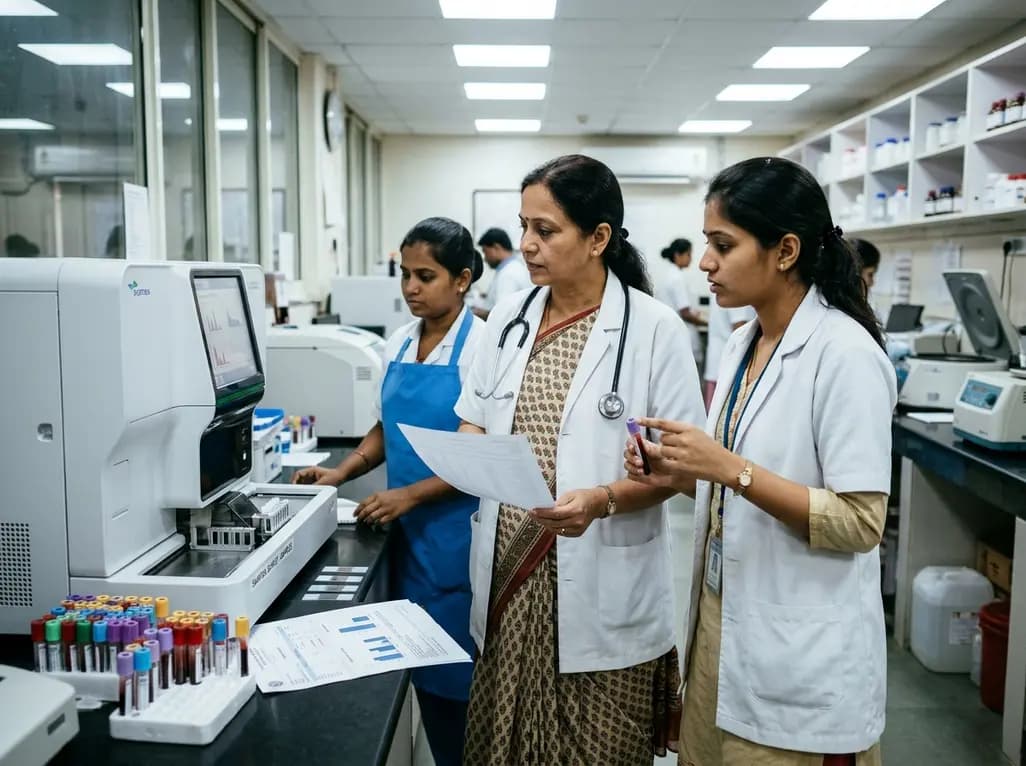
Recent epidemiological data present a transformative view of haematological health across the country. According to the latest national assessments, anaemia prevalence in India appears notably lower than previously reported in earlier surveys. The Indian Council of Medical Research recently released key findings from the landmark SAMPADA survey. This comprehensive assessment evaluated population health markers, dietary intake, and anthropometric parameters across diverse communities. Consequently, healthcare practitioners now gain a clearer understanding of haemoglobin variations across different life stages. Moreover, these newly released figures provide practical insights that will directly influence clinical management and targeted public health programs.
Earlier population surveys often relied on capillary blood collection and point-of-care photometers. However, field conditions and capillary finger-pricks can introduce significant pre-analytical variability. In contrast, the SAMPADA project utilized venous blood sampling paired with automated haematology analysers. Laboratory professionals universally recognize this approach as the clinical gold standard. Therefore, the resulting measurements deliver superior accuracy, analytical sensitivity, and high reproducibility. Field teams collected and analysed more than 1.7 lakh blood samples across 183 districts in 35 States and Union Territories. Furthermore, the sampling frame encompassed more than two lakh individuals from over 81,000 households nationwide. In an extensive sub-sample, researchers evaluated detailed serum ferritin, folate, and vitamin B12 concentrations. Additionally, they measured systemic inflammatory biomarkers, including high-sensitivity C-reactive protein and alpha-1-acid glycoprotein. Consequently, this rigorous methodology eliminates confounding factors related to biological dilution and sampling technique. Medical practitioners can now interpret these haemoglobin values with remarkable diagnostic confidence. In addition, this protocol provides a dependable platform for assessing complex haematological variations across regional cohorts. Ultimately, these robust methodological standards establish a reliable national benchmark for everyday clinical practice.
The survey uncovered distinct patterns of haemoglobin distribution across vulnerable demographics. Specifically, the data established an anaemia prevalence of 42 per cent among children aged 12 to 59 months. This represents a marked reduction compared to earlier survey reports. Similarly, adolescent girls aged 10 to 19 years exhibited a 46 per cent prevalence. In contrast, adolescent boys in the same age group demonstrated an anaemia frequency between 22 and 23 per cent. Adult men aged 20 to 59 years showed comparable low figures near 22 per cent. However, women of reproductive age continue to bear a substantial haematological burden, with prevalence reaching 56 per cent. Furthermore, pregnant women and lactating mothers presented prevalence rates of 44 per cent and 58 per cent, respectively. Crucially, the survey revealed that severe anaemia accounts for less than two per cent of cases across nearly all population groups. Instead, mild anaemia constituted approximately half of all positive cases identified in women and children. Therefore, clinicians must recognise that the overall burden consists primarily of mild red cell deficits. This reassuring observation suggests that early clinical intervention can achieve rapid therapeutic success.
For decades, public health models assumed that nutritional iron deficiency caused nearly all anaemia in India. However, the comprehensive biomarkers collected in the SAMPADA project challenge this classic oversimplification. Indeed, iron deficiency explained approximately 50 per cent of anaemia cases among women, adolescent girls, and preschool children. Meanwhile, adolescent boys, adult men, and older adults exhibited remarkably low levels of isolated iron deficiency. Furthermore, serum concentrations of folate and vitamin B12 appeared virtually identical between anaemic and non-anaemic participants. This unexpected finding indicates that megaloblastic etiologies contribute minimally to the current national burden. Consequently, healthcare providers must investigate alternative pathogenic mechanisms in individuals who fail to respond to standard iron therapy. For instance, chronic subclinical inflammation significantly elevates hepcidin levels, thereby blocking intestinal iron absorption and macrophage recycling. Additionally, inherited hemoglobinopathies such as beta-thalassemia trait and sickle cell disorders maintain high prevalence across specific communities. Parasitic infections and occult gastrointestinal blood loss also frequently deplete erythrocyte mass. Therefore, physicians must maintain a broad diagnostic differential when evaluating haematological patients. Tailored diagnostic workups should regularly precede aggressive empiric iron supplementation regimens.
These epidemiological insights carry immediate relevance for general physicians, gynaecologists, and paediatricians. First, practitioners must adjust their daily diagnostic expectations during routine outpatient encounters. Because most patients present with mild anaemia, clinicians have an extraordinary window for preventive management. However, doctors should not prescribe routine empirical iron tablets without preliminary diagnostic confirmation. Instead, baseline blood tests should include complete blood counts with erythrocyte indices, such as mean corpuscular volume and red cell distribution width. In addition, serum ferritin evaluation remains vital whenever clinicians suspect latent iron depletion. Notably, clinicians must assess ferritin levels alongside inflammatory markers like C-reactive protein, because systemic inflammation can spuriously elevate ferritin. When treating moderate to severe anaemia, clinicians should aggressively identify the root etiology before escalating therapies. In cases presenting with normal iron parameters, practitioners must promptly order haemoglobin electrophoresis to screen for thalassemia traits. Moreover, dietary counselling should emphasize the regular consumption of bioavailable heme and non-heme iron sources with ascorbic acid. Through these systematic diagnostic habits, physicians ensure accurate patient stratification and avoid unnecessary therapeutic delays.
The SAMPADA findings provide vital evidentiary support for India's ongoing national initiatives, including the Anaemia Mukt Bharat program. Policymakers and clinical experts increasingly advocate for a refined life-course paradigm rather than blanket interventions. Specifically, health systems must target high-risk windows, particularly early childhood, adolescent female growth, pregnancy, and lactation. Conversely, universal mass iron distribution among adult males appears less cost-effective and clinically unjustified based on these data. Instead, public health authorities should expand the "Test, Treat, and Talk" framework across primary health centres. In addition, national programs must address widespread environmental factors, including sanitation, intestinal deworming, and chronic infectious morbidity. Clinicians also emphasize the integration of specialized hemoglobinopathy screening programs within high-burden tribal and regional belts. Furthermore, local clinical registries should monitor treatment adherence and track potential microcytic complications over extended periods. As medical infrastructure expands across districts, automated haematological testing will become accessible at peripheral wellness centers. Ultimately, aligning clinical bedside management with targeted national public health policy will accelerate the reduction of preventable anaemia across vulnerable populations.
Q1: Why did the SAMPADA survey find lower anaemia rates than earlier national surveys?
The SAMPADA survey utilized venous blood sampling and automated haematology analysers, which provide superior analytical precision compared to capillary blood sampling methods. Earlier surveys frequently employed capillary finger-prick blood drops evaluated on portable photometers. Capillary methods introduce tissue fluid dilution and temperature variability, which can falsely lower measured haemoglobin. Consequently, automated venous analysis delivers more accurate and reproducible epidemiological estimates across diverse population cohorts.
Q2: Does iron deficiency explain all cases of anaemia according to the new survey?
No, the SAMPADA findings demonstrate that iron deficiency accounts for only approximately half of the anaemia cases among women, adolescent girls, and preschool children. Among men and older adults, iron deficiency prevalence proved remarkably low. Other significant contributors include chronic systemic inflammation, asymptomatic hemoglobinopathies like beta-thalassemia trait, and hidden infections. Therefore, clinicians must avoid assuming that all microcytic anaemia stems purely from nutritional iron deficiency.
Q3: How should clinicians approach a patient presenting with mild anaemia based on these findings?
Clinicians should approach mild anaemia proactively by confirming red blood cell indices, including mean corpuscular volume and red cell distribution width. Rather than reflexively administering indiscriminate iron therapy, practitioners should evaluate dietary habits and request serum ferritin with inflammatory markers when indicated. If iron parameters appear normal, clinicians should promptly investigate hemoglobinopathies or occult systemic disorders, ensuring targeted, etiology-specific clinical care.
Disclaimer: This content is for informational and educational purposes only. It does not constitute medical advice or replace professional judgment. Refer to the latest local and national guidelines for clinical practice.
References

Read summarized clinical updates, watch expert medical content, and earn CME certifications right from your smartphone.
Open your smartphone camera to scan and install.





The landmark ICMR SAMPADA survey establishes updated national anaemia benchmarks using automated venous testing. Severe cases remain below two percent, while mild cases dominate across demographic groups. These vital insights urge clinicians to adopt comprehensive diagnostic profiling beyond routine iron supplementation.
Today
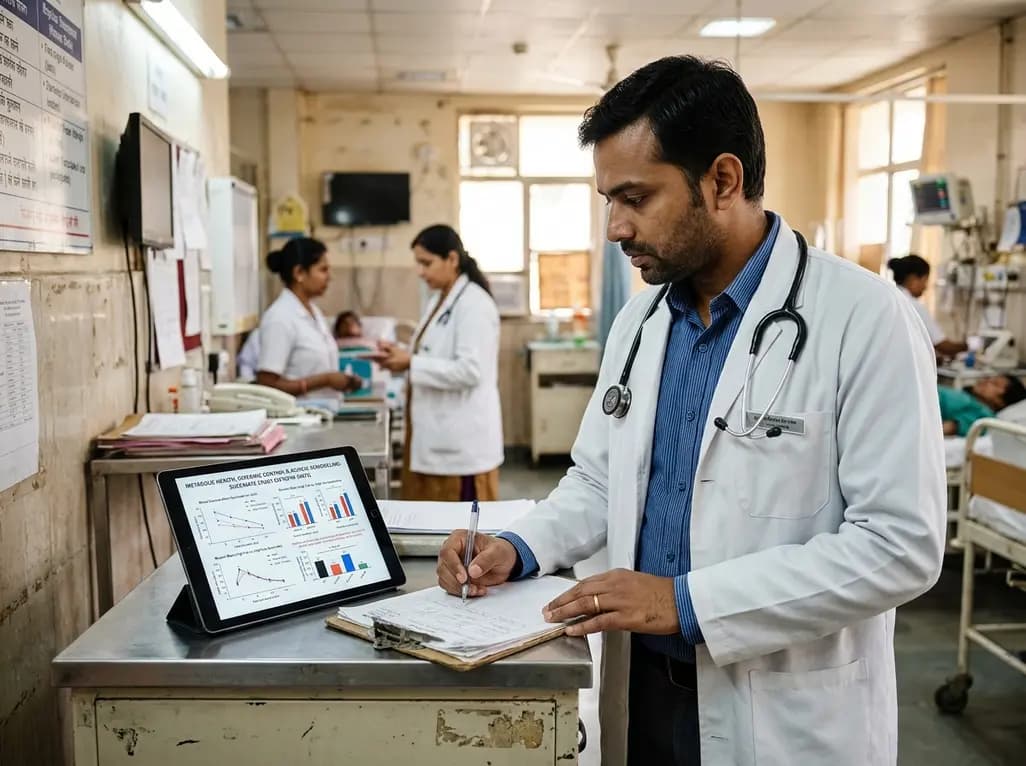
A recent investigation assesses the impact of succinate supplements on metabolic health, energy intake, and muscle remodeling in mice fed high-fat or ketogenic diets. Although succinate briefly blunts hyperphagia, it fails to improve long-term glycemic control or alter skeletal muscle hypertrophy.
Today
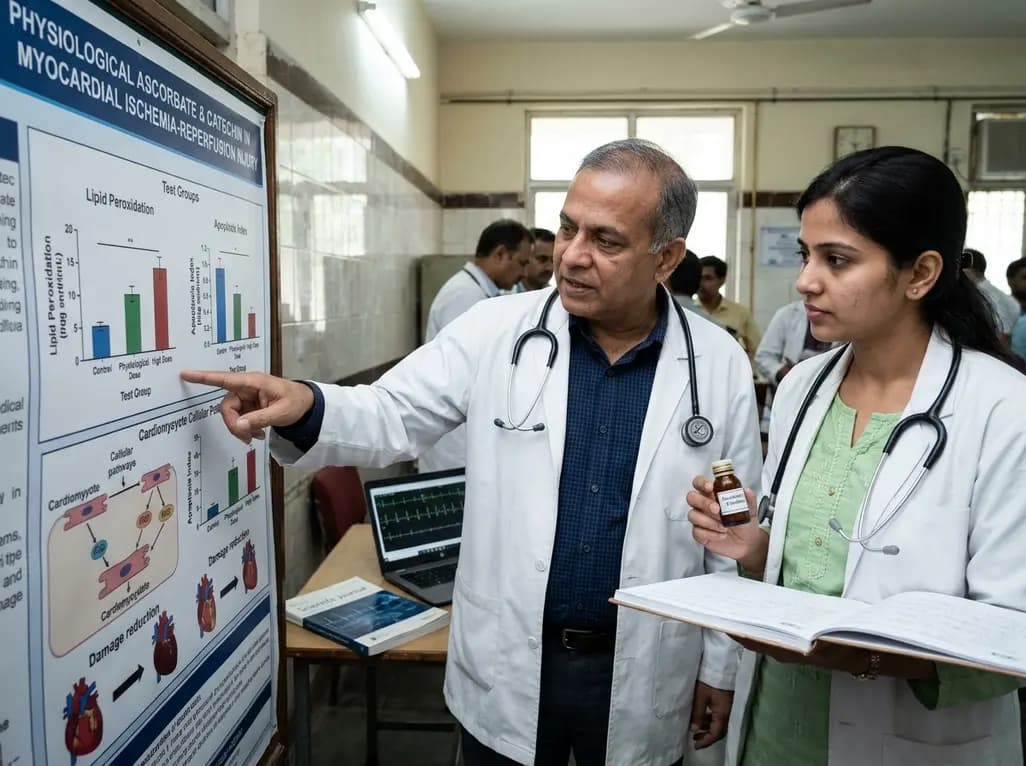
A recent preclinical study demonstrates that physiological levels of ascorbate (150 µM) and catechin (5 µM) provide robust protection against myocardial ischemia-reperfusion injury by preventing lipid peroxidation and cardiomyocyte apoptosis, challenging traditional high-dose pharmacological strategies.
Today

Primary spinal bone tumors can mimic benign nerve sheath tumors as foraminal dumbbell lesions. Learn to recognize crucial CT red flags and prevent delays.
Today

Researchers have engineered a resilient LC-PAM hydrogel that resolves the trade-off between toughness and elasticity. Incorporating lignin and cellulose nanoparticles alongside selenium, this biomaterial offers durable adhesion and antibacterial activity for complex infected and diabetic wound care.
Today
