.webp&w=384&q=75)

Loading, please wait...
Loading, please wait...

In a recent pilot study, researchers investigated the impact of gender differences in sleep hygiene on objective sleep parameters. While many clinicians focus on subjective reports, objective alterations in sleep continuity are often overlooked. Interestingly, this study highlights that sleep hygiene behaviors might affect men and women in distinct ways. Consequently, a one-size-fits-all approach to sleep counseling may not be effective for all patients.
The pilot study included sixty-five adults, with a majority being female. Participants completed the Sleep Hygiene Index (SHI) and used actigraphy for one week. Surprisingly, researchers found no significant differences in general sleep hygiene practices between the genders. However, males exhibited later bedtimes and waketimes than females. Furthermore, males demonstrated longer sleep onset latency (SOL) and more wake after sleep onset (WASO) compared to their female counterparts.
One of the most striking findings involves the relationship between habits and objective rest. Specifically, poorer sleep hygiene strongly correlated with shorter SOL and longer WASO in males. In contrast, females did not show this same association. Therefore, male patients may be more sensitive to the objective physiological disruptions caused by poor sleep habits. Additionally, age or psychological distress did not significantly alter these specific findings.
For physicians in India, where sleep disorders are increasingly prevalent due to urbanization, these insights are invaluable. Understanding these nuances allows for more personalized treatment plans in general practice and psychiatry. Moreover, future research should further explore the mechanistic factors, including circadian and neuroendocrine differences. This will help refine clinical guidelines for diverse patient populations and improve overall sleep health outcomes.
In this pilot study, males generally showed longer sleep onset latency and more frequent awakenings after falling asleep compared to females. They also tended to have later sleep-wake schedules, indicating a possible shift in circadian preference.
While both genders benefit from good habits, this research suggests that poor sleep hygiene has a more significant impact on objective sleep continuity measures in males than in females. Specifically, it influences how long it takes to fall asleep and stay asleep.
Disclaimer: This content is for informational and educational purposes only. It does not constitute medical advice or a professional relationship. Refer to the latest local and national guidelines for clinical practice.
References
Ballesio A et al. Sleep hygiene behaviors and actigraphic sleep: a pilot analysis of gender differences. Horm Behav. 2026 Jun 09. doi: undefined. PMID: 42263358.
Voderholzer U et al. Are there gender differences in objective and subjective sleep measures? A study of insomniacs and healthy controls. Depress Anxiety. 2003;17:162-72. doi: 10.1002/da.10101.
Gupta R et al. Clinical Practice Guidelines for Sleep Disorders. Indian J Psychiatry. 2017;59:S116-S138. doi: 10.4103/0019-5545.214815.

Read summarized clinical updates, watch expert medical content, and earn CME certifications right from your smartphone.
Open your smartphone camera to scan and install.





A pilot study shows that sleep hygiene behaviors impact objective sleep metrics like SOL and WASO differently in men compared to women....
4 months ago
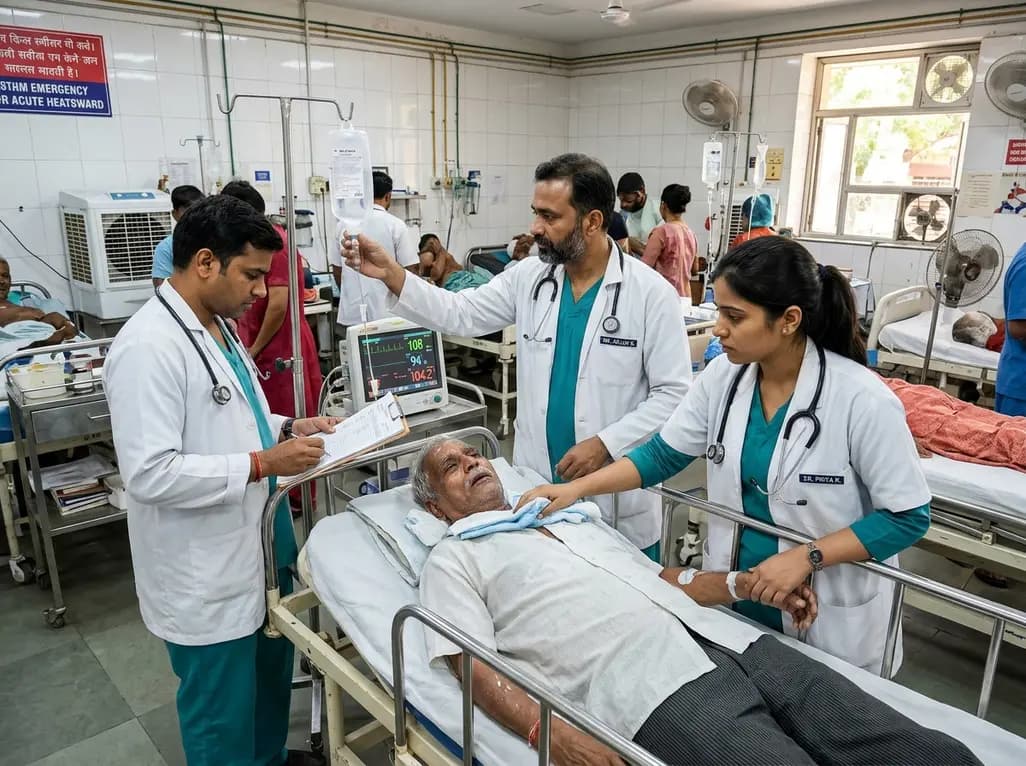
Recent epidemiological data reveals a dramatic surge in summer heat mortality driven by human-induced climate warming. This analysis explores the pathophysiological impacts on cardiac and renal systems, diagnostic dilemmas in death certification, and essential emergency cooling protocols for acute clinical care.
Today
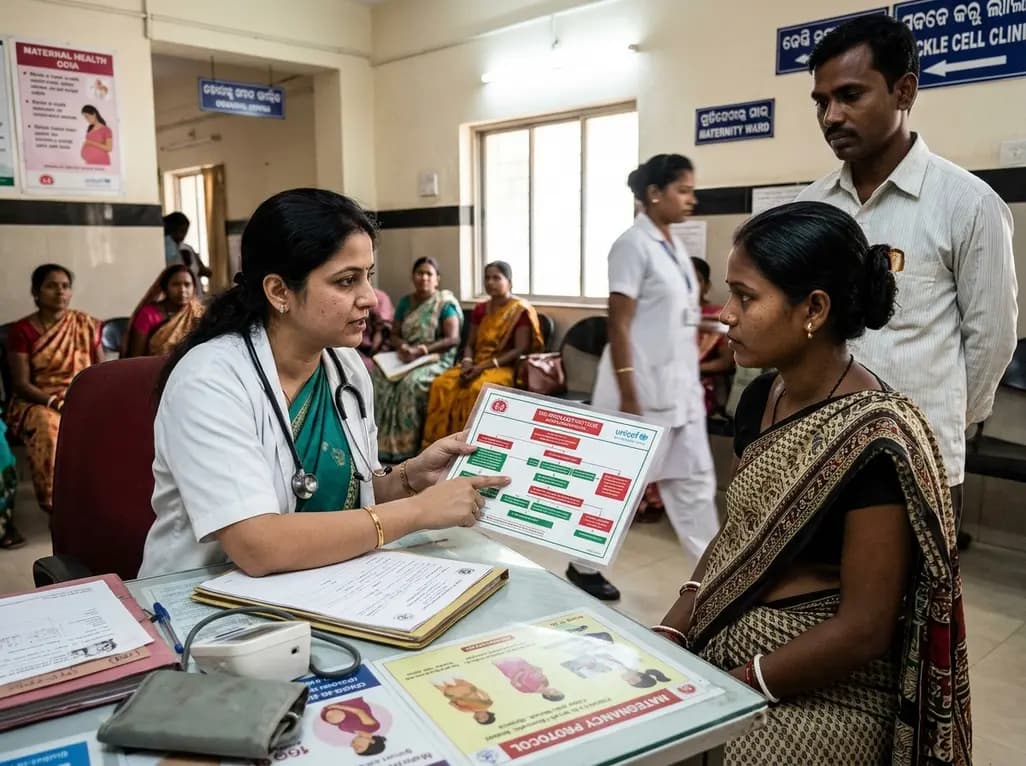
Odisha has established India's first state-level clinical protocol specifically tailored for pregnant women with sickle cell disease. Developed with NHM and UNICEF, the framework provides structured antenatal screening, crisis mitigation, standardized referral pathways, and specialized interdisciplinary care.
Today

India is advancing preventive healthcare by integrating genomics, artificial intelligence, and quantum technologies. With the SANGAM programme sequencing one million Indian genomes, clinicians can unlock personalized therapies, detect cardiometabolic risks early, and curb the burden of diabetes and heart disease.
Today
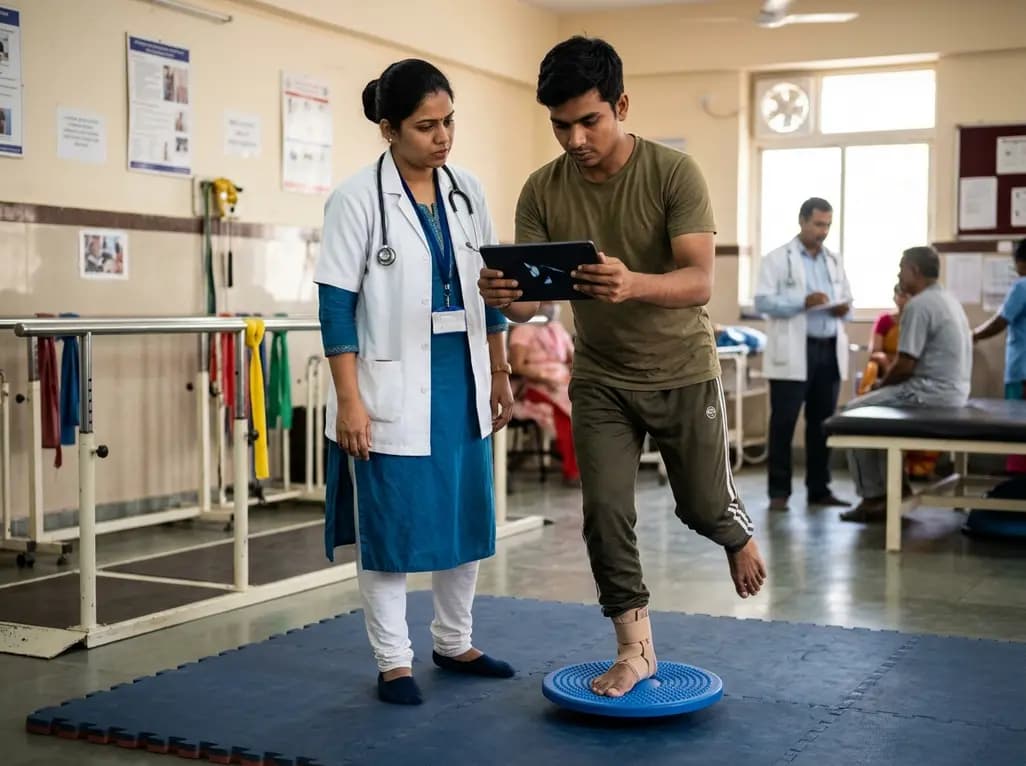
A randomized controlled trial demonstrates that an eight-week dual-task training intervention significantly improves static and dynamic postural control over standard balance exercises in individuals with chronic ankle instability, addressing critical neurocognitive deficits during athletic and daily activities.
Today

A retrospective cohort study of 7,716 ICU patients from the MIMIC-IV database demonstrates that Gradient Boosting Decision Trees significantly outperform traditional SOFA scores in predicting in-hospital mortality among patients with sepsis and diabetes, with SHAP analysis providing clinical interpretability.
Today
