.webp&w=384&q=75)

Loading, please wait...
Loading, please wait...

In low- and middle-income countries (LMICs), gastrostomy care quality improvement is vital for enhancing patient outcomes. First, a recent scoping review highlights significant clinical gaps in these regions. Although gastrostomy tubes provide essential nutrition for patients, maintaining these devices presents unique challenges in resource-limited settings. However, healthcare providers can address these barriers through systematic changes. Consequently, there is an urgent need for standardized intervention models and multidisciplinary engagement.
Because improving patient outcomes requires a structured approach, experts recommend the formation of multidisciplinary care teams. For example, these teams should include surgeons, gastroenterologists, specialized nurses, and dietitians. Furthermore, implementing standardized protocols for tube insertion can significantly reduce initial complication rates. Additionally, hospital-based care bundles have shown success in decreasing emergency department visits. Similarly, focused training programs help caregivers manage the tube safely at home, which prevents accidental dislodgement.
Meanwhile, the scoping review found that adult complication rates vary from 10% to 25%. On the other hand, paediatric complication rates are often much higher, ranging from 10% to 55%. Specifically, these issues include stoma site infections, leakage, and granulation tissue formation. For this reason, focused caregiver training is essential before hospital discharge. Moreover, training programs must be culturally sensitive and address specific local resource limitations. Therefore, education must cover daily site cleaning and the recognition of early infection signs.
Successful gastrostomy care quality improvement relies on consistent communication between medical departments. To illustrate, nursing staff play a pivotal role in monitoring protocol adherence and hygiene. Likewise, dietitians ensure that nutritional goals are met through the enteral route. By integrating these specialties, healthcare facilities in LMICs can create a robust safety net for vulnerable patients. Finally, research suggests that structured follow-up programs can identify mechanical issues early. As a result, serious morbidity and unplanned hospital readmissions are effectively minimized.
Common complications include peristomal infections, skin irritation, tube leakage, and accidental dislodgement. Pediatric patients often experience higher complication rates, which highlights the need for robust monitoring systems and standardized care protocols.
Caregivers are responsible for daily device maintenance at home. Therefore, comprehensive training ensures they can manage the tube safely, recognize early warning signs of infection, and prevent mechanical failures, ultimately improving the patient's quality of life.
Disclaimer: This content is for informational and educational purposes only and does not constitute professional medical advice, diagnosis, or treatment. Always seek the advice of your physician or another qualified health provider with any questions you may have regarding a medical condition. Refer to the latest local and national guidelines for clinical practice.
References
Marrero Morales LS et al. The current landscape and opportunities in gastrostomy care quality improvement in low- and middle-income countries: a scoping review. Int Health. 2026 May 09. doi: undefined. PMID: 42104811.
Kehar M et al. Percutaneous Endoscopic Gastrostomy in Children: Experience from Single Center of a Developing Country. J Nepal Paediatr Soc. 2014;34(2):125-131.
Juviler P et al. Reduction of Pediatric Gastrostomy Tube Healthcare Utilization and Socioeconomic Disparities: Longitudinal Benefits of Quality Improvement. J Pediatr Surg. 2024. doi: 10.1016/j.jpedsurg.2024.161964.

Read summarized clinical updates, watch expert medical content, and earn CME certifications right from your smartphone.
Open your smartphone camera to scan and install.





A scoping review identifies complications and strategies for gastrostomy care quality improvement in low- and middle-income countries to optimize outcomes....
5 months ago
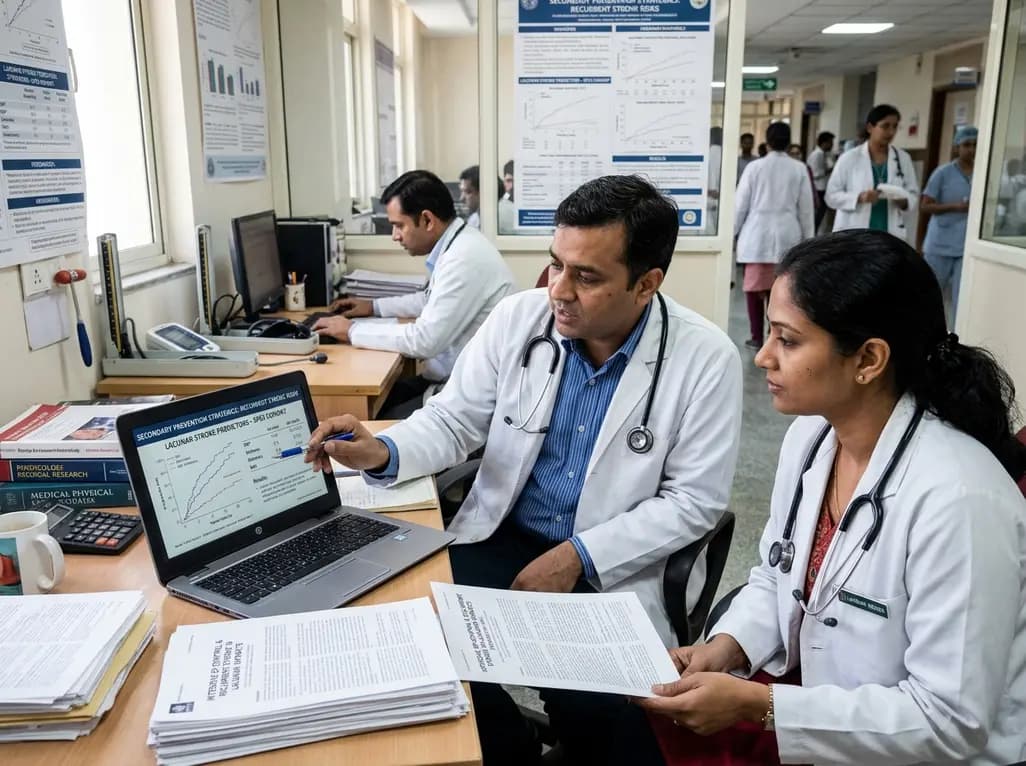
Explore vital recurrent stroke predictors in lacunar stroke patients managed with intensive blood pressure lowering. This analysis examines trial findings from SPS3 to uncover residual vascular risks, metabolic factors, and targeted secondary prevention strategies for high-risk neurological patients.
Today
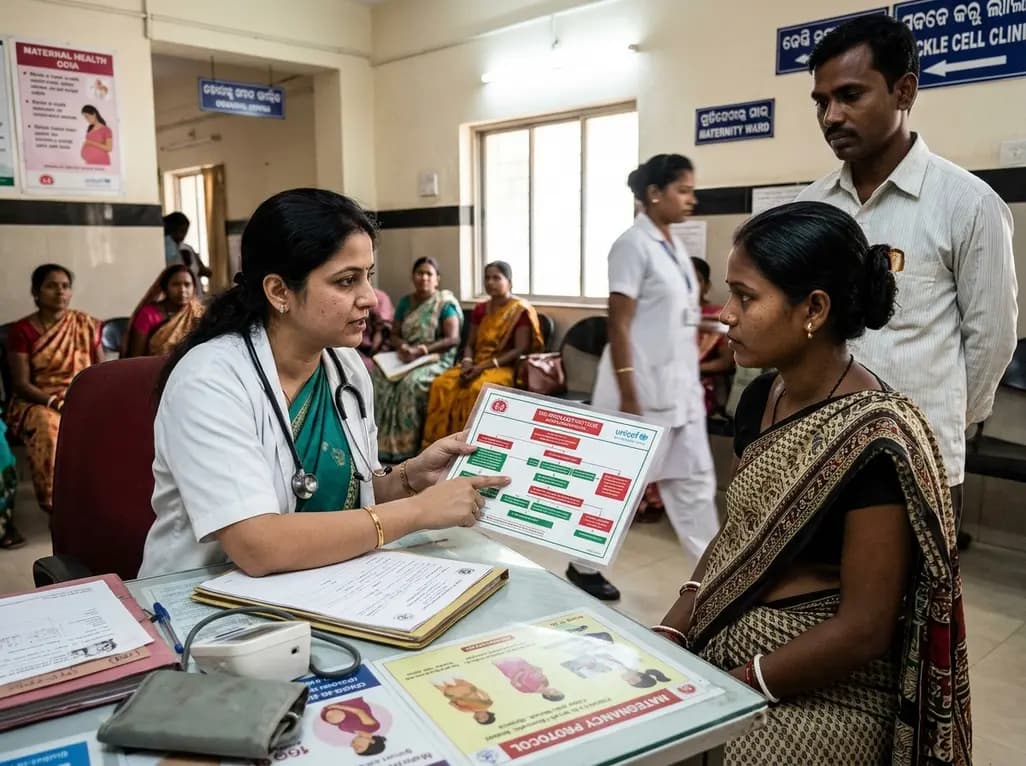
Odisha has established India's first state-level clinical protocol specifically tailored for pregnant women with sickle cell disease. Developed with NHM and UNICEF, the framework provides structured antenatal screening, crisis mitigation, standardized referral pathways, and specialized interdisciplinary care.
Today

The Directorate General of Health Services directs Indian states to halt the hazardous reuse and reprocessing of single-use medical devices. Discover regulatory implications under the Drugs and Cosmetics Act, critical infection risks, legal liabilities, and operational changes required across clinical specialties.
Today

Mitochondria-targeted nanoparticles self-assembled from EGCG and L-glutamic acid effectively restore mitochondrial homeostasis, suppress synovial inflammation, and attenuate chondrocyte senescence in osteoarthritis, offering a promising disease-modifying nanotherapy.
Today

India is advancing preventive healthcare by integrating genomics, artificial intelligence, and quantum technologies. With the SANGAM programme sequencing one million Indian genomes, clinicians can unlock personalized therapies, detect cardiometabolic risks early, and curb the burden of diabetes and heart disease.
Today
