.webp&w=384&q=75)

Loading, please wait...
Loading, please wait...
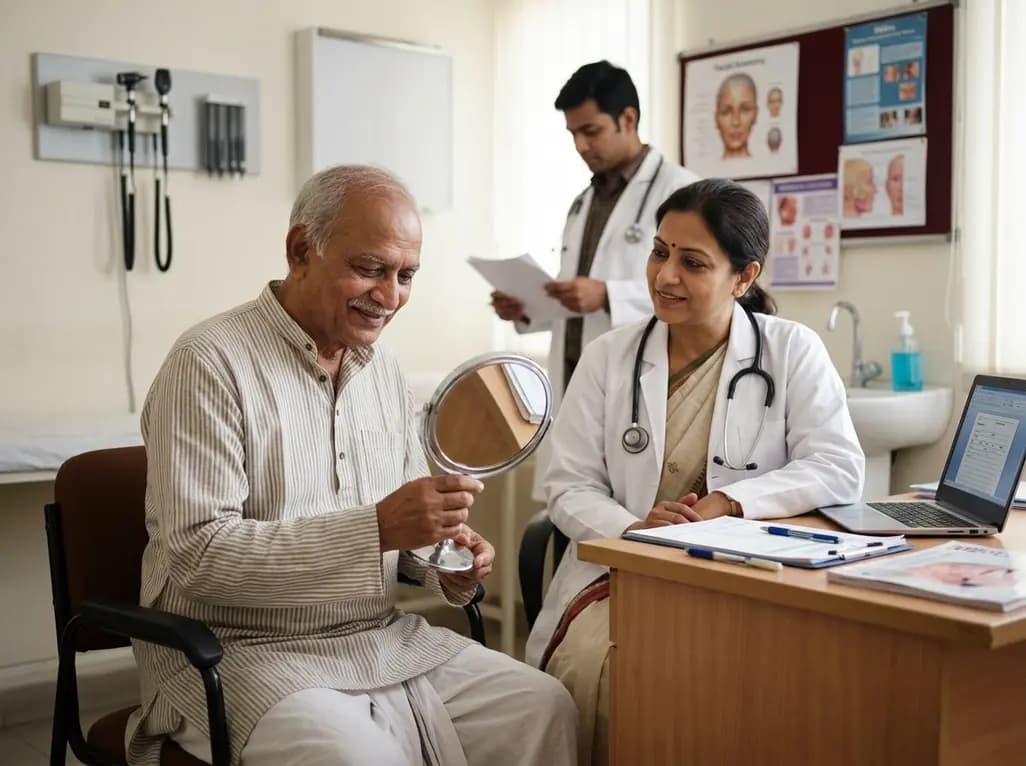
Functional rhinoplasty is an established surgical intervention designed to reconstruct the structural integrity of the nose, relieve nasal obstruction, and optimize subjective nasal breathing. Clinicians routinely recommend this procedure to correct severe septal deviation, lateral wall collapse, and internal or external nasal valve insufficiency. However, when surgeons evaluate functional rhinoplasty in older adults, clinical discussions historically emphasize physiological airway resistance rather than emotional well-being. A landmark retrospective study evaluated surgical outcomes in patients aged 65 years and older to address this critical knowledge gap. Consequently, the findings demonstrate that correcting anatomical nasal airway compromise yields substantial improvements extending well beyond basic airway mechanics. Patients consistently reported notable gains in nasal cosmesis, psychological functioning, and overall quality of life. Therefore, geriatric nasal surgery represents a holistic intervention that promotes comprehensive patient satisfaction.
Age-related changes profoundly reshape the cartilaginous and soft tissue architecture of the human nose. Over time, progressive bone resorption occurs along the piriform aperture, while upper and lower lateral cartilages lose tensile strength and elastic recoil. Furthermore, the loss of deep dermal support and progressive weakening of retaining ligaments cause tip ptosis and nasal lengthening. Consequently, these structural shifts frequently narrow the internal nasal valve angle below the critical ten to fifteen-degree threshold. Airflow turbulence escalates rapidly, producing persistent symptomatic airway obstruction that conventional topical therapies cannot rectify. Although many geriatric patients present primarily with chronic airflow impairment, progressive structural changes concurrently alter facial harmony. Therefore, surgical correction must address fragile cartilaginous structures through precise reconstructive techniques such as spreader grafts, alar batten grafts, and conservative columellar strut placement. By stabilizing structural support, otolaryngologists restore airway patency while simultaneously rejuvenating midface contour.
The observational cohort study evaluated thirty consecutive patients aged 65 years and older who underwent corrective structural nasal surgery. Researchers assessed postoperative patient-reported metrics through validated multi-item inventories. Because retrospective cohorts occasionally lack baseline scores, investigators administered a comprehensive postoperative improvement questionnaire evaluating appearance, quality of life, and breathing ease. Specifically, patients rated cosmetic changes across four domains and psychological well-being across eight domains using five-point Likert scales. Additionally, subjective nasal airflow comfort was measured utilizing a zero-to-ten visual analog scale. Statistical evaluations, including boxplot distributions and scatter analysis, confirmed that scores gathered predominantly within the moderate-to-high improvement categories. Visual analog scores for nasal breathing comfort demonstrated pronounced post-surgical relief. These robust data verify that elderly individuals perceive substantial subjective airflow optimization following targeted nasal surgery, validating its primary clinical indication in senior patient populations.
Beyond functional airway gains, the investigation uncovered a powerful, statistically positive association between cosmetic satisfaction and psychological wellness. While elderly patients rarely seek cosmetic alteration as their chief complaint, structural preservation or enhancement deeply influences personal self-perception. The study revealed that favorable changes in nasal shape directly correlated with elevated emotional stability, self-confidence, and social engagement. Historically, medical literature frequently downplayed aesthetic concerns among older demographics, assuming that cosmetic perceptions mattered less with advanced age. However, these modern findings demonstrate that older adults maintain active emotional interest in their personal appearance and dignity. When functional rhinoplasty restores proper structural projection and straightens the nasal dorsum, patients feel invigorated. Thus, aesthetic harmony operates synergistically with respiratory ease, substantially reducing chronic daily frustration and fostering active psychological resilience in late adulthood.
Performing surgical reconstruction in senior populations requires thoughtful preoperative planning and rigorous risk stratification. Older adults frequently present with medical comorbidities, including essential hypertension, cardiovascular disease, and altered drug metabolism. Therefore, otolaryngologists, plastic surgeons, anesthesiologists, and geriatric specialists must collaborate closely before proceeding with surgery. Surgeons must maintain meticulous intraoperative hemostasis, as vascular fragility and antiplatelet regimens elevate hematoma risks. Furthermore, surgical teams should favor conservative cartilage harvesting techniques to avoid unnecessary donor-site morbidity. Postoperative monitoring is equally essential to detect transient mucosal edema, mucosal crusting, or respiratory distress promptly. Because tissue healing rates decelerate with advancing chronological age, surgeons must guide patients through an extended convalescent period with supportive reassurance. Fortunately, when executed with careful tissue handling and modern anesthesia safety standards, functional rhinoplasty demonstrates an exceptional safety profile among elderly surgical candidates.
Modern surgical rhinology requires a broad definition of surgical success that surpasses simple geometric measurements and airflow resistance coefficients. For decades, nasal obstruction was assessed almost exclusively through acoustic rhinometry, rhinomanometry, or rigid airway parameters. Nevertheless, contemporary medical practice recognizes that health-related quality of life represents the ultimate benchmark for meaningful recovery. In geriatric care, restoring unrestricted nasal breathing directly improves restorative sleep quality, physical activity tolerance, and cardiovascular autonomic regulation. Simultaneously, enhancing facial appearance relieves unconscious social self-consciousness and elevates self-worth. Consequently, the multidimensional benefits observed in this clinical cohort encourage reconstructive surgeons to adopt patient-centered assessment metrics. Clinicians should openly discuss functional, aesthetic, and emotional expectations during initial consultations. Offering functional rhinoplasty to carefully selected older adults successfully promotes health span, emotional vitality, and independence.
Functional rhinoplasty is generally very safe for older individuals when performed under strict clinical protocols. Comprehensive preoperative clearance by a physician evaluates cardiovascular stability and systemic health. Surgeons use tailored regional or general anesthesia alongside gentle tissue-handling techniques to reduce physiological stress. As a result, complication rates remain low, allowing healthy geriatric patients to undergo airway reconstruction with excellent safety and predictable recovery profiles.
Functional rhinoplasty focuses primarily on relieving nasal airway obstruction caused by structural abnormalities such as septal deviation, turbinate hypertrophy, or nasal valve collapse. Conversely, cosmetic rhinoplasty alters nasal contours solely for aesthetic enhancement. However, functional techniques often naturally stabilize nasal shape to maintain airway patency, thereby harmonizing nasal appearance while ensuring comfortable, unimpeded respiratory airflow during daily activities.
Most elderly patients resume light, routine daily activities within seven to ten days following functional rhinoplasty. Initial swelling and bruising around the midface typically subside over two to three weeks. However, complete resolution of internal mucosal edema and final tissue maturation may take up to twelve months because mature connective tissues heal more slowly in older adults.
Disclaimer: This content is for informational and educational purposes only. It is not intended to substitute for professional medical advice, diagnosis, or treatment. Always seek the advice of your physician or other qualified health provider with any questions you may have regarding a medical condition. Refer to the latest local and national guidelines for clinical practice.
References

Read summarized clinical updates, watch expert medical content, and earn CME certifications right from your smartphone.
Open your smartphone camera to scan and install.





A new study reveals that functional rhinoplasty in older adults delivers significant multidimensional benefits beyond nasal airflow restoration, enhancing aesthetic self-perception, emotional stability, and overall psychological quality of life in patients aged 65 and older.
last month

Novel diimide and hydrazone scaffolds, particularly compound #C4, synergistically reactivate latent HIV-1 when combined with JQ1 or PKC activators. Demonstrating donor-matched proviral transcription ex vivo and non-canonical signaling, these findings advance shock and kill strategies toward reservoir eradication.
Today

A comparative cohort study evaluates vNOTES vs TLH hysterectomy for benign conditions, demonstrating shorter operative duration, faster return to daily activities, and equivalent female sexual function scores without increased dyspareunia.
Today

Review how tailored exercise programs benefit frail older patients with heart failure. Explore pathophysiological mechanisms, individualized training prescriptions, and strategies to overcome adherence barriers in clinical practice.
Yesterday

This comparative study evaluates posterior labral tears with and without glenohumeral instability, highlighting distinct demographic patterns, MRI underestimation in stable shoulders, and successful arthroscopic repair outcomes.
Yesterday

A clinical study demonstrates that early intervention with tocilizumab, either as monotherapy or bridged with corticosteroids, achieves significant proptosis reduction and resolves active inflammation in treatment-naive thyroid eye disease.
Today
