

Loading, please wait...
Loading, please wait...
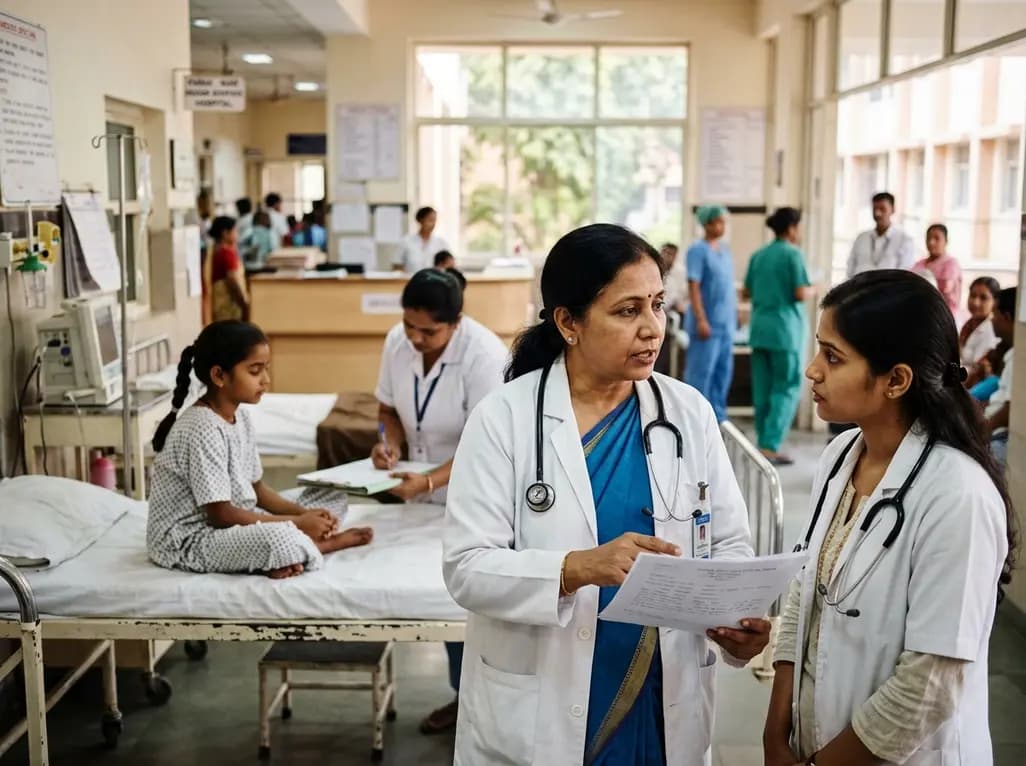
Child welfare agencies must regularly decide whether to place vulnerable youths into substitute families or maintain in-home support services. A landmark multi-decade study by Drange and colleagues provides critical evidence regarding how foster care mental health outcomes diverge from home-based interventions. The researchers evaluated comprehensive administrative records covering more than two decades, tracking individuals from early infancy into adulthood. Notably, the investigation assessed diverse life outcomes, including physical health, academic attainment, criminal involvement, social welfare reliance, and adult labor market participation. Primary findings demonstrate that children entering out-of-home foster care receive mental health treatment at substantially higher rates than peers receiving home support. Furthermore, this marked increase in psychiatric service use emerges promptly after placement and persists across developmental years. However, other life domains show surprisingly modest differences between the two intervention pathways over the life course. Clinicians and policymakers often assume that removal from biological homes drastically shifts long-term educational and economic achievements. Instead, these robust data suggest that out-of-home care primarily alters clinical surveillance and healthcare delivery. Consequently, pediatricians and mental health professionals must recognize these structural patterns when coordinating care for vulnerable children.
The pronounced rise in psychiatric services among foster youth raises pivotal questions regarding clinical causality and systemic surveillance. Specifically, researchers investigated whether foster placement increases underlying psychological distress or simply improves access to specialized medical practitioners. To resolve potential selection bias, the authors utilized quasi-experimental geographical variations in placement tendencies across child welfare jurisdictions. Therefore, the empirical model isolated the specific impact of foster placement from baseline childhood adversity. The analysis confirmed that foster care directly increases consultation rates with child psychologists and psychiatrists. Moreover, licensed foster parents receive specialized training that equips them to identify behavioral problems and emotional distress early. In addition, supervising social caseworkers enforce structured medical monitoring schedules, facilitating formal referrals that overwhelmed biological families often miss. Biological parents confronting severe poverty, substance dependence, or domestic crises frequently lack the emotional resources to arrange psychiatric appointments. Consequently, foster care acts as a compensatory mechanism that bridges critical healthcare disparities. Thus, increased service use reflects enhanced diagnostic vigilance and proactive therapeutic engagement rather than accelerated clinical deterioration.
A particularly striking finding from this longitudinal cohort involves the divergent clinical trajectories observed between male and female youths. Notably, the relative increase in mental health treatment following foster care placement was substantially larger for girls than for boys. Girls placed in foster families engaged in outpatient therapy and psychiatric consultations at remarkably higher rates throughout their adolescence. In contrast, boys exhibited a much more modest uptick in formal mental health service utilization following welfare placement. Clinicians recognize that adolescent girls frequently develop internalizing psychiatric symptoms, including major depressive disorders, generalized anxiety, and complex trauma reactions. Foster parents and school educators often detect these subtle internalizing distress signals more readily within stable domestic environments. Furthermore, adolescent girls frequently demonstrate higher readiness to engage in talk therapy and establish therapeutic alliances with clinicians. Conversely, distressed boys often manifest psychological trauma through externalizing behaviors, such as oppositional defiance or behavioral aggression. Consequently, child welfare and judicial systems frequently steer adolescent boys into disciplinary pathways rather than clinical psychiatric care. Therefore, clinicians must implement proactive, gender-informed screening protocols to detect non-verbalized trauma.
Despite the clear divergence in clinical service engagement, the study demonstrated surprisingly modest differences across broader socioeconomic metrics. Specifically, investigators tracked individuals well into adulthood to evaluate secondary school completion, higher educational attainment, employment stability, and welfare dependency. Furthermore, the researchers analyzed juvenile delinquency records and adult criminal convictions between foster children and peers supported at home. Surprisingly, individuals placed in foster families achieved educational and employment outcomes that remained largely comparable to home-supported youths. Similarly, lifetime rates of criminal offending and social welfare dependence showed no substantial divergence between the two cohorts. These findings challenge the widespread belief that out-of-home placement inherently resolves structural socioeconomic vulnerabilities. Childhood adversity leaves enduring neurodevelopmental imprints that simple household relocation cannot completely reverse. Nevertheless, the lack of negative divergence proves that foster placement does not inflict secondary institutional harm upon developing children. Ultimately, the primary demonstrable benefit of out-of-home care is the prompt, reliable provision of necessary medical and therapeutic care during critical developmental windows.
These multi-decade longitudinal findings offer valuable practical insights for healthcare professionals and child welfare administrators across India. Under the Juvenile Justice (Care and Protection of Children) Act and Mission Vatsalya, India prioritizes non-institutional, family-based care arrangements. Specifically, Mission Vatsalya promotes kinship placement, sponsorship, and foster care to prevent the unnecessary institutionalization of vulnerable children. However, India's child protection machinery frequently encounters severe shortages of trained child and adolescent mental health professionals. Children in need of care and protection often endure severe trauma, domestic abandonment, physical neglect, or severe exploitation. When Child Welfare Committees place children with foster families, comprehensive medical surveillance must accompany every legal order. Furthermore, Indian pediatricians and family physicians serve as crucial frontline examiners during statutory health assessments. Clinicians must move beyond basic nutritional measurements and routine immunizations by actively evaluating developmental trauma and psychological distress. In addition, strengthening inter-departmental links between District Child Protection Units and District Mental Health Programmes will ensure timely psychiatric interventions. Establishing structured, multidisciplinary clinical pathways will help Indian foster care deliver genuine holistic healing.
Foster care placement substantially increases the likelihood that vulnerable children receive professional mental health treatment compared to in-home social support. Trained foster caregivers and assigned caseworkers maintain structured oversight, which enables rapid identification of emotional and behavioral distress. Consequently, children entering foster care gain consistent access to clinical assessments, psychotherapy, and psychiatric consultations. This institutional support structure actively bridges the severe healthcare access gaps frequently experienced by children remaining in high-adversity biological households.
Adolescent girls in foster care frequently exhibit internalizing psychiatric manifestations, including depressive episodes, generalized anxiety disorders, and severe emotional distress. Caregivers and educators readily recognize these internalized symptoms, facilitating direct referrals to psychiatric specialists. In addition, adolescent females generally demonstrate greater willingness to participate in structured counseling sessions. Conversely, boys often express psychological trauma through outward behavioral dysregulation, which social systems sometimes penalize through disciplinary channels rather than offering therapeutic mental health interventions.
Under India's Mission Vatsalya and the Juvenile Justice Act, District Child Protection Units collaborate with health authorities to support vulnerable youths. The program emphasizes non-institutional alternatives, including family foster care and sponsorship. However, integrating routine mental healthcare requires systematic clinical screening protocols during statutory medical evaluations. Pediatricians and mental health professionals must actively evaluate psychological trauma, ensuring that every child placed in alternative care receives comprehensive psychiatric support alongside shelter and education.
Disclaimer: This content is for informational and educational purposes only... Refer to the latest local and national guidelines for clinical practice.
References

Read summarized clinical updates, watch expert medical content, and earn CME certifications right from your smartphone.
Open your smartphone camera to scan and install.





A 20-year study reveals children in foster care receive substantially more mental health care than those in home-based services, with larger gains in girls but modest differences in crime and education. The findings highlight how placement compensates for adversity by improving access to psychiatric interventions.
Today

New research reveals distinct structural, demographic, and psychosocial correlates across concurrent polysubstance use patterns involving binge drinking, tobacco, and cannabis. Clinicians must move beyond binary indicators to tailor addiction interventions and targeted risk assessments.
Today

A landmark study reveals that congenital DLK1 deficiency in women with a history of central precocious puberty causes visceral adiposity, mitochondrial dysfunction, oxidative stress, and neutrophil activation, highlighting the critical need for lifelong cardiometabolic surveillance.
Today
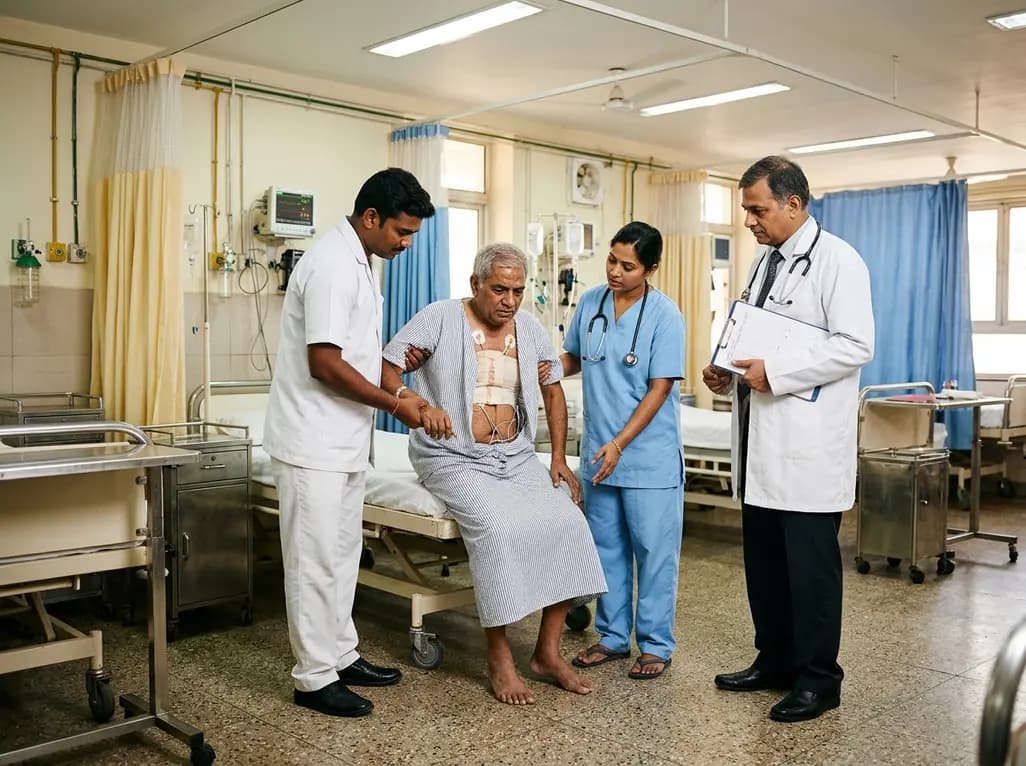
A cross-sectional study evaluates the critical intersection between acute surgical pain, kinesiophobia, and fall risks during initial mobilization after cardiac surgery, emphasizing targeted nursing strategies.
Today

A recent cross-sectional analysis reveals that over a quarter of randomized controlled trials for non-specific low back pain face discontinuation or unknown status, while more than 36% of completed trials remain unpublished, exposing notable reporting gaps in spine and musculoskeletal clinical research.
Today

Explore revascularisation strategies in dialysis-dependent chronic limb-threatening ischaemia. This review examines surgical bypass vs endovascular therapy, BEST-CLI trial findings, procedural morbidity, conduit availability, and multidisciplinary decision-making for optimal limb salvage.
Today
