

Loading, please wait...
Loading, please wait...
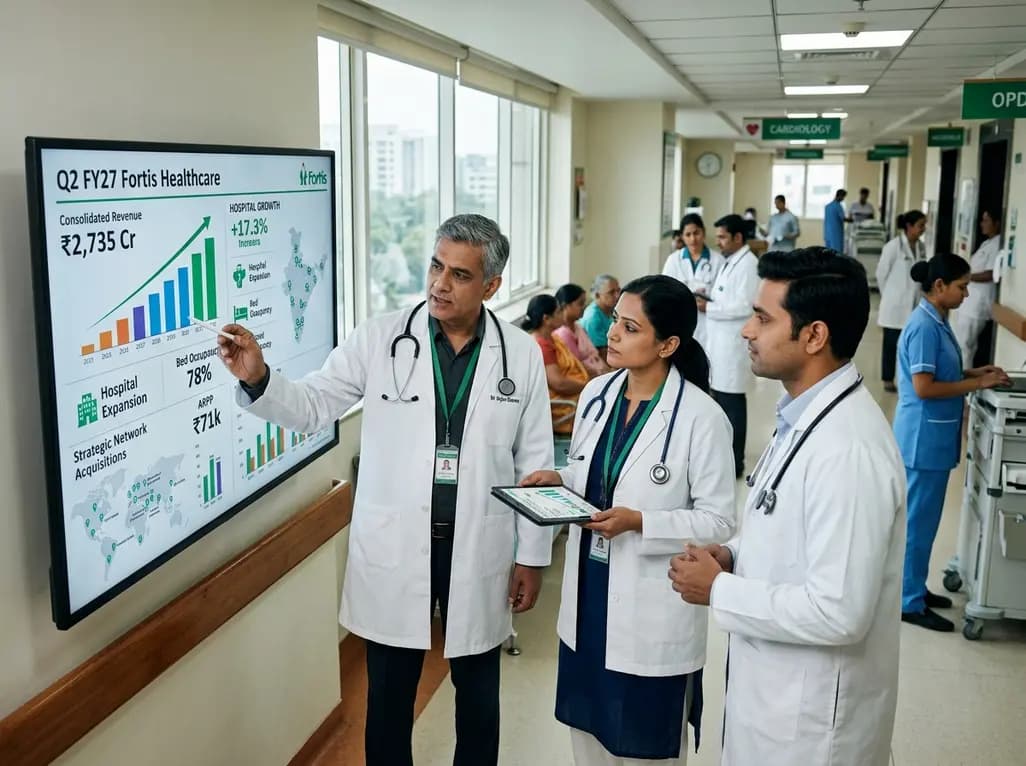
The Indian healthcare sector continues to experience rapid infrastructural expansion and evolving clinical demands. In this dynamic landscape, Fortis Healthcare performance during the second quarter offers critical operational insights. Healthcare leaders monitor these benchmarks closely to evaluate hospital sustainability, bed capacity, and patient care delivery.
Fortis Healthcare reported a 17.3 percent year-on-year growth in consolidated revenue, reaching Rs 2,735 crore for the quarter. However, consolidated profit after tax declined by 2.5 percent to Rs 320 crore after accounting for intercompany eliminations. This financial divergence highlights how operational cost pressures can influence final hospital earnings despite substantial top-line gains.
Specifically, the hospital network absorbed higher operational expenses alongside planned investments in workforce capabilities. Moreover, employee compensation adjustments and new talent acquisition created transient margin compression across several institutions. In addition, the organization sustained significant administrative expenditure to modernize secondary care facilities into advanced tertiary hubs.
Consequently, operating margins faced subtle pressures even though gross clinical turnover expanded robustly. Furthermore, the broader healthcare ecosystem observed similar patterns where diagnostic inflation and supply costs elevated baseline operational outlays. Management maintained strict discipline over balance sheet allocations throughout this phase. As a result, debt metrics remained stable while operating cash generation supported continued infrastructural readiness. Therefore, clinicians and healthcare administrators view these fiscal figures as a natural recalibration following extensive capital outlays. Ultimately, this revenue momentum demonstrates resilient patient trust and rising clinical utilization across all major geographic centers. Hence, the underlying institutional framework continues to demonstrate long-term viability. Consequently, hospital leadership continues to balance capital reinvestment with prudent financial controls across every operational unit.
The core hospital business demonstrated robust vitality during the quarter ending September 30, 2026. Hospital revenue increased by 18.6 percent year-on-year to reach Rs 2,340 crore. Meanwhile, profit after tax for the hospital division fell modestly by 1.1 percent to Rs 284 crore.
Importantly, clinical volume expansion drove this strong top-line trajectory across primary surgical and medical departments. Bed occupancy rose to 72 percent compared to 71 percent during the prior fiscal year. Furthermore, occupied beds grew by approximately 9 percent across the national facility network. This utilization gain reflects greater patient acceptance of complex procedural treatments in tertiary hospitals.
Simultaneously, the average length of stay edged up slightly to 4.20 days from 4.18 days. This stable duration indicates prompt clinical throughput alongside meticulous post-operative protocols. In addition, average revenue per occupied bed rose roughly 7 percent to Rs 2.10 lakh from Rs 1.96 lakh. Consequently, higher surgical case complexity and sophisticated case-mix drove positive financial realizations for hospital facilities. Therefore, healthcare providers achieved balanced utilization while maintaining strict safety standards and infection prevention guidelines across intensive care units. Thus, clinical departments sustained quality benchmarks while accommodating higher patient numbers. Subsequently, clinical leadership prioritized high-dependency bed availability to handle unpredictable emergency referrals. Furthermore, dedicated bed management teams coordinate timely patient admissions to reduce emergency department boarding times.
Healthcare organizations must expand their geographic reach to serve growing metropolitan populations effectively. Accordingly, Fortis Healthcare completed the acquisition of the 110-bedded Suguna Hospital in Bengaluru. This tactical acquisition expands the regional operational capacity to approximately 1,000 beds across Karnataka. Furthermore, the facility enhances local access to emergency triage, cardiology, and advanced surgical care.
Similarly, the provider entered into a long-term healthcare services agreement in New Delhi. This landmark agreement encompasses an upcoming 400-plus bedded super-specialty hospital located in Ashok Vihar. Therefore, the network establishes a formidable clinical presence in dense micro-markets across North Delhi. In addition, these targeted regional additions align with a disciplined cluster-based growth strategy.
Moreover, brownfield acquisitions and management agreements minimize the lengthy gestation periods typically tied to greenfield hospital constructions. Consequently, clinical specialists can deploy advanced robotic and radiological equipment into functioning facilities much faster. Hence, patients receive specialized treatment options closer to home without facing excessive inter-facility transit times. Ultimately, these structural investments reinforce institutional market leadership while expanding access for complex clinical disciplines. Indeed, multi-city cluster expansion directly supports continuous multidisciplinary clinical training programs. Thus, healthcare systems strengthen community referral pathways across Northern and Southern India. Additionally, strengthening urban presence allows clinical networks to build robust localized emergency response systems for critical trauma cases.
Diagnostic accuracy underpins successful clinical outcomes across modern healthcare systems. Fortis Healthcare witnessed significant commercial and operational acceleration within its specialized diagnostics division. Revenue from diagnostic operations increased by 12.2 percent year-on-year to Rs 448 crore. More impressively, the segment registered a 15.8 percent increase in profit after tax to Rs 68 crore.
Consequently, this performance underscores the growing importance of preventive screenings, molecular diagnostics, and rapid pathology evaluations. Furthermore, seamless integration between hospital inpatient services and diagnostic laboratories accelerates bedside clinical decision-making. Physicians rely heavily on rapid turnaround times for specialized histopathology, genetic profiling, and microbiological cultures.
In addition, the diagnostic network expanded its consumer touchpoints and decentralized collection centers. Meanwhile, enhanced digital platforms enabled direct report delivery and streamlined appointment bookings for patients. As a result, patient retention improved significantly across diverse outpatient demographics. Therefore, the diagnostic arm acts as an essential catalyst for timely interventions and overall institutional reputation. Ultimately, comprehensive diagnostic support elevates acute care standards and bolsters outpatient clinical surveillance across primary care networks. Additionally, centralized processing laboratories maintain stringent internal quality controls to minimize diagnostic errors. Thus, clinicians make therapeutic choices with higher diagnostic confidence. Furthermore, point-of-care testing solutions expand rapid screening capabilities across high-volume outpatient clinics.
The half-year financial results further reinforce the resilience of the private healthcare sector in India. For the six months ended September 30, consolidated revenue expanded 17.4 percent to Rs 5,280 crore. Meanwhile, six-month profit after tax dipped marginally by 0.4 percent to Rs 593 crore.
Notably, these figures demonstrate sustained clinical demand across critical care, oncology, gastroenterology, and cardiac sciences. However, healthcare institutions must balance financial sustainability with equitable access to advanced therapeutic interventions. In response, modern tertiary hospital networks invest continuously in clinical governance, accreditation protocols, and nursing education.
Furthermore, increasing penetration of private health insurance and government health schemes drives consistent inpatient admissions. Consequently, hospital administrators must optimize bed turnaround times without compromising patient safety or discharge readiness. In addition, adopting electronic medical records and tele-ICU monitoring systems strengthens operational efficiencies in high-volume hospitals. Therefore, clinical teams experience improved coordination across multidisciplinary case reviews and post-discharge consultations. Ultimately, sustainable revenue growth enables healthcare systems to procure cutting-edge medical technologies and retain skilled super-specialists. Thus, the Indian healthcare model continues evolving into a globally recognized benchmark for cost-effective clinical excellence. Indeed, ongoing capacity additions will help bridge the existing bed-to-population deficit nationwide. Hence, health systems build enduring capabilities for future clinical crises. Furthermore, ongoing strategic investments in robotic surgery platforms enhance long-term procedural success and institutional clinical prestige.
Q1: What drove Fortis Healthcare's revenue expansion during Q2 FY27?
The revenue expansion in Q2 FY27 stemmed primarily from an 18.6 percent growth in the hospital vertical and a 12.2 percent rise in diagnostics. Inpatient growth benefited from a 9 percent increase in occupied beds and a 7 percent improvement in average revenue per occupied bed. Furthermore, consistent demand for advanced surgical interventions across key tertiary clusters bolstered overall top-line earnings throughout the quarterly period.
Q2: Why did Fortis Healthcare report a slight decline in consolidated net profit?
Consolidated profit after tax dipped by 2.5 percent to Rs 320 crore due to minor margin contractions and adjustments related to intercompany eliminations. In addition, the organization faced rising personnel expenses, operational outlays linked to hospital acquisitions, and ongoing investments into advanced medical technology. However, core operational performance remained resilient, maintaining strong cash generation and disciplined balance sheet metrics despite transient profitability fluctuations across the group.
Q3: How do recent hospital acquisitions support Fortis Healthcare's long-term network strategy?
The acquisition of the 110-bedded Suguna Hospital expanded operational capacity in Bengaluru to nearly 1,000 beds. Simultaneously, entering a healthcare services agreement for a 400-plus bedded hospital in New Delhi solidifies presence in high-density urban micro-markets. Consequently, these strategic expansions allow the provider to scale advanced clinical programs, optimize local referral networks, and satisfy increasing patient demand for specialized tertiary healthcare services efficiently.
Disclaimer: This content is for informational and educational purposes only. It does not constitute medical advice or replace professional judgment. Refer to the latest local and national guidelines for clinical practice.
References

Read summarized clinical updates, watch expert medical content, and earn CME certifications right from your smartphone.
Open your smartphone camera to scan and install.





Fortis Healthcare recorded a 17.3 percent increase in consolidated revenue to Rs 2,735 crore in Q2 FY27, backed by hospital expansion and diagnostic momentum. Despite a slight 2.5 percent dip in profit after tax, rising bed occupancy, increased ARPP, and strategic network acquisitions highlight strong core progress.
Today
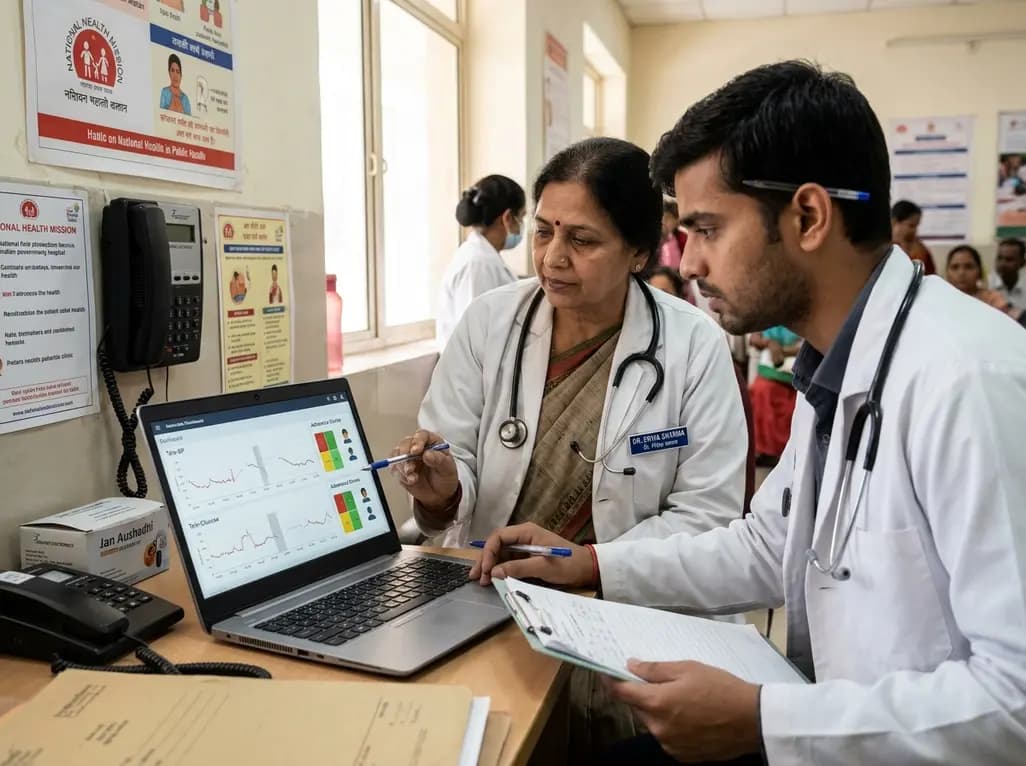
A novel adherence-driven sparsity framework demonstrates that missingness in patient-generated telemedicine data reflects human behavior rather than mere technical error, guiding safer clinical interpretations.
Today

Arthrogryposis multiplex congenita affects fetal joint mobility, yet fewer than half of cases are detected prenatally. This review highlights dynamic fetal motor assessment, phenotypic subtyping, rapid exome sequencing, and multidisciplinary perinatal care to optimize diagnosis and parental counseling.
Today
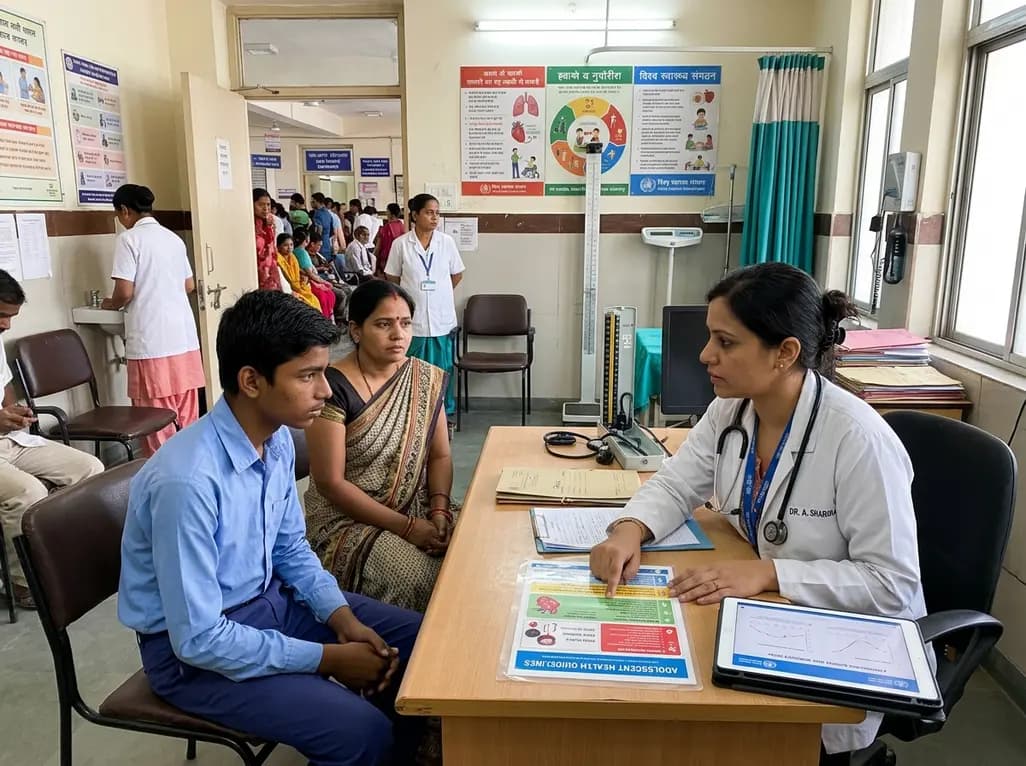
A major World Health Organization study reveals that one in four teenagers globally records zero active days per week. Discover the epidemiological data, cardiometabolic consequences of adolescent sedentary behavior, and practical guidance for clinicians to promote healthy lifestyle habits among youth.
Today
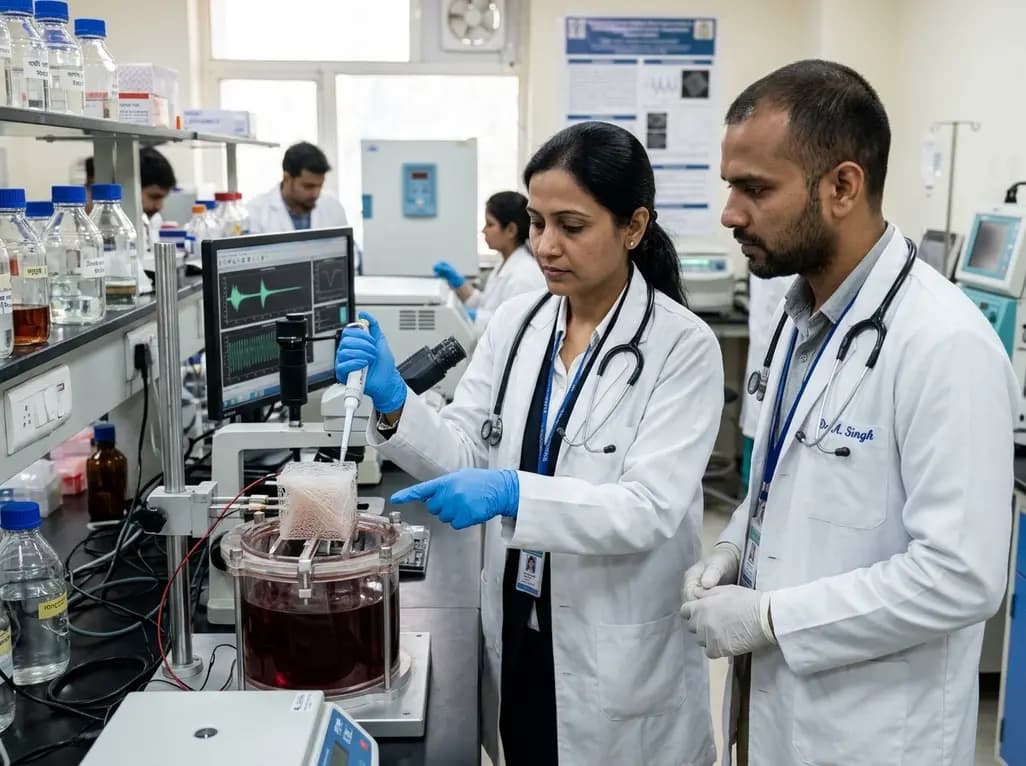
Engineered 3D piezoelectric PHBV scaffolds generate electrical charges during mechanical strain, mimicking native muscle electromechanics to promote cellular alignment, myogenic differentiation, and functional tissue repair in severe volumetric muscle loss.
Today
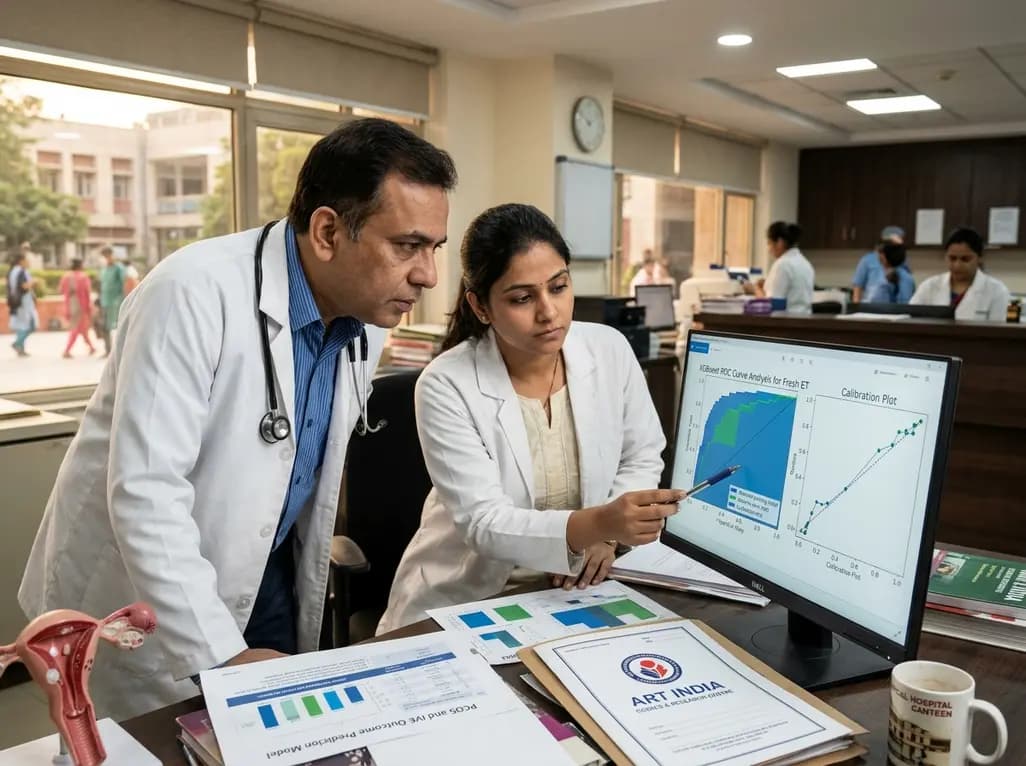
A multicenter study evaluates an XGBoost machine learning model to predict miscarriage risk in PCOS after fresh embryo transfer. While discrimination was strong internally, cross-cohort calibration drift emphasizes its role as a risk-ranking tool rather than a standalone diagnostic instrument.
Today
