.webp&w=384&q=75)

Loading, please wait...
Loading, please wait...

Geriatric depression remains a major global public health concern, especially in underserved rural regions where elderly populations face multiple socioeconomic challenges. Understanding the complex link between food intake and depression is therefore essential for developing practical, community-based geriatric interventions. Historically, clinicians viewed late-life affective disorders primarily through psychosocial or neurodegenerative lenses. However, emerging nutritional psychiatry highlights how dietary quality directly shapes neurobiology, systemic inflammation, and psychological well-being. Elderly individuals residing in rural areas often encounter limited dietary diversity, reduced access to fresh produce, and unique financial hardships. Consequently, nutritional gaps frequently co-occur with undetected depressive symptoms, producing substantial disability and diminished quality of life. Recent clinical research utilizes advanced analytical methods to decipher this relationship beyond broad aggregate scores. By evaluating how specific dietary components interact with individual affective symptoms, investigators can identify critical leverage points for prevention. Moreover, this granular perspective enables clinicians to design targeted nutritional recommendations that support mental health in vulnerable populations. As healthcare systems adapt to rapidly aging demographics, primary care physicians must recognize the therapeutic value of daily nutrition. Addressing dietary patterns may offer an accessible, non-stigmatizing avenue to alleviate late-life depressive illness across rural communities.
A recent cross-sectional investigation analyzed data from the Chinese Longitudinal Healthy Longevity Survey to explore nutritional and psychological relationships. Specifically, the study evaluated 5,171 community-dwelling older adults aged 65 and older living in rural regions. Investigators assessed depressive symptoms using the validated 10-item Center for Epidemiologic Studies Depression Scale. In addition, the research protocol recorded the consumption patterns of four common food groups to quantify dietary behavior. The researchers utilized both univariate analysis and multifactorial regression models to identify significant predictors of psychological distress. Furthermore, the authors employed innovative network analysis to map complex symptom interactions. This analytical framework allowed researchers to identify central symptoms that anchor depressive illness and bridge symptoms that connect nutrition with mood. To confirm the reliability of these connections, the authors performed a rigorous case-dropping bootstrap procedure. This validation step demonstrated remarkable network stability across diverse rural subcohorts. Although cross-sectional self-report questionnaires introduce potential recall bias, the substantial sample size provides robust epidemiological insights. Ultimately, this methodology offers a compelling model for evaluating similar geriatric populations in other developing countries, including rural India.
Multifactorial regression models revealed that frequent intake of vegetables, fish, and eggs correlated significantly with lower depression rates. Conversely, individuals who consumed fewer nutrient-dense foods exhibited significantly higher levels of psychological distress. Beyond general associations, network analysis uncovered precise structural relationships between specific foods and affective symptoms. Notably, the nodes representing feeling sad or depressed and feeling nervous or fearful emerged as central symptoms. These central nodes wielded the strongest influence across the entire depression symptom network. Furthermore, the network analysis identified vegetable consumption, egg consumption, and sleep quality as crucial bridge symptoms. These bridge nodes functioned as vital physiological and behavioral pathways connecting dietary habits to affective states. For instance, poor dietary variety directly linked to sleep disturbances, which subsequently intensified emotional distress and panic symptoms. In contrast, consistent vegetable and egg intake exerted protective bridging effects, dampening the transmission of distress across connected nodes. Therefore, interventions that target these bridge symptoms can disrupt the vicious cycle linking nutritional deficits to worsening mood. By modifying these specific entry points, clinicians may prevent isolated distress from escalating into widespread depressive pathology.
Multiple biological mechanisms explain why vegetables, fish, and eggs profoundly influence mood regulation in elderly individuals. First, green leafy vegetables supply abundant folate, dietary fiber, polyphenols, and essential antioxidants. Folate serves as an indispensable cofactor in monoamine neurotransmitter synthesis, particularly for serotonin and dopamine. Additionally, vegetable fiber nourishes gut microbiota, thereby promoting the generation of neuroprotective short-chain fatty acids. Meanwhile, fish provides vital omega-3 polyunsaturated fatty acids that preserve neuronal membrane fluidity and curb systemic neuroinflammation. Eggs represent another nutritional powerhouse, delivering high-biological-value protein, choline, lutein, and bioavailable micronutrients. Choline acts as an essential precursor for acetylcholine, a neurotransmitter that governs memory, cognitive processing, and sleep architecture. Consequently, adequate egg consumption supports cholinergic signaling and mitigates sleep fragmentation in older adults. Because poor sleep quality represents a primary bridge symptom, stabilizing sleep through balanced nutrition directly relieves emotional turmoil. Furthermore, poor dentition, poverty, and social isolation frequently limit rural seniors from accessing these nutrient-rich foods. When nutritional deficiency pairs with chronic life stressors, neuroinflammatory cascades accelerate, ultimately triggering late-life depressive episodes.
Primary care physicians operating in rural environments must adopt proactive, multi-level strategies to combat geriatric depression. Rather than treating depression as an isolated psychiatric condition, clinicians should routinely evaluate dietary patterns alongside mental health. Specifically, doctors can screen rural elderly patients for regular consumption of eggs, fresh vegetables, and lean proteins. When patients report persistent dysphoria or sleep disturbances, physicians should immediately assess food security and oral health status. Impaired dentition frequently prevents elderly patients from chewing vegetables, which inadvertently causes dietary collapse and mood deterioration. Therefore, providing dental rehabilitation alongside nutritional counseling can yield substantial psychological benefits. In addition, healthcare providers can collaborate with local community health workers to establish targeted nutritional supplementation initiatives. Simple educational guidance regarding affordable protein sources, such as eggs, empowers families to support aging relatives effectively. Furthermore, primary care clinics should address sleep hygiene concurrently, given the bridging role sleep plays in mood stability. Clinicians can mitigate polypharmacy risks by recommending dietary improvements and behavioral sleep interventions before initiating complex psychotropic regimens. This integrated approach ensures sustainable, patient-centered care for vulnerable rural populations.
The insights from the CLHLS study carry profound relevance for clinicians managing geriatric depression across low-resource rural landscapes. Rural communities in developing nations share strikingly similar challenges, including high rates of poverty, limited medical infrastructure, and severe mental health stigma. In many rural households, elderly family members prioritize children's nutrition over their own, leading to chronic subclinical malnutrition. Moreover, older adults often dismiss emotional distress as normal aging, which delays formal psychiatric consultation until severe dysfunction occurs. By framing mental health interventions around accessible nutritional goals, clinicians can circumvent pervasive cultural stigma. For example, advising families to add eggs and local seasonal vegetables to an elder's daily meals feels supportive rather than stigmatizing. Simultaneously, primary care teams can monitor central symptoms such as pervasive sadness or nervousness during regular chronic disease checkups. Implementing community-level food distribution programs and rural health visits can address nutritional vulnerabilities before depressive networks solidify. Ultimately, bridging nutritional psychiatry with rural primary healthcare provides an equitable, scalable pathway to preserve cognitive vitality and emotional well-being among elderly citizens worldwide.
Vegetables supply vital micronutrients, folate, and antioxidants that lower systemic inflammation and oxidative neurotoxicity. In addition, eggs provide high-quality protein, choline, and essential amino acids that support neurotransmitter production. Consequently, regular consumption of these nutrient-dense foods stabilizes mood pathways and helps preserve neurological integrity in aging populations.
Traditional regression models examine general aggregate associations rather than individual manifestations. In contrast, network analysis pinpoints central symptoms like sadness and fear, alongside bridge symptoms like poor sleep and dietary gaps. Therefore, clinicians can design targeted, cost-effective interventions that address specific vulnerable nodes before psychological morbidity escalates across community populations.
Primary care physicians should routinely screen rural seniors for both depressive symptoms and dietary diversity. Specifically, clinicians can assess sleep quality, evaluate egg and vegetable intake, and educate family caregivers. Furthermore, integrating community health workers ensures vulnerable older adults receive adequate nutritional support and timely mental healthcare access.
Disclaimer: This content is for informational and educational purposes only... Refer to the latest local and national guidelines for clinical practice.
References

Read summarized clinical updates, watch expert medical content, and earn CME certifications right from your smartphone.
Open your smartphone camera to scan and install.





A CLHLS network study reveals significant links between food intake and depression in rural seniors. Vegetables and eggs act as bridge symptoms alongside sleep quality, highlighting targeted nutritional interventions to alleviate geriatric depressive burden.
Today

Pancreatic cancer cachexia affects over 80% of patients, driving severe muscle wasting, systemic inflammation, and treatment intolerance. This review highlights key pathophysiological drivers, exocrine insufficiency, objective CT imaging, and emerging therapies like GDF-15 inhibitors to improve clinical outcomes.
Today

A scoping review reveals how pregnancy affects phonation through laryngeal edema and reduced phonation time rather than major acoustic pitch alterations. Learn how to identify, evaluate, and manage vocal symptoms in expectant mothers.
Today
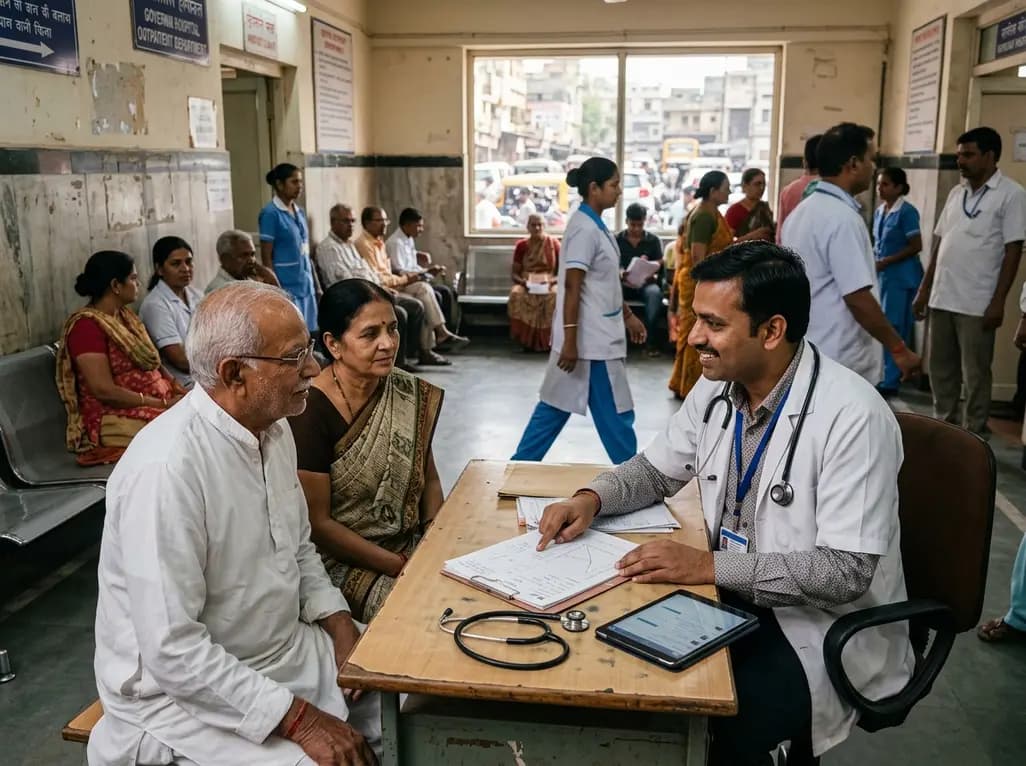
According to WHO data, average lifespan reached 73.3 years in 2023, recovering from pandemic lows. However, healthy life expectancy lags at 62.8 years due to surging noncommunicable conditions like cardiovascular disease and dementia, demanding proactive primary screening and sustained chronic care.
Today

Researchers have engineered an artificial sensory-pain integrated receptor using a multi-threshold organic synaptic transistor. The system distinguishes benign touch from noxious stimuli, enabling safer, more responsive prosthetic limbs with built-in memory and simplified hardware architecture.
Today

Medical robotics is transitioning beyond operative suites into diagnostics, cardiology, and endocrinology. Explore how innovations in tele-robotics, AI integration, and nanomedicine are overcoming geographical barriers and transforming precision healthcare delivery across India's evolving disease landscape.
Today
