.webp&w=384&q=75)

Loading, please wait...
Loading, please wait...

Unexplained infertility (UI) affects nearly 10% of couples seeking reproductive assistance. Unfortunately, standard diagnostic protocols often fail to pinpoint a specific cause for this condition. Because of this gap, follicular fluid metabolomics has emerged as a vital tool for exploring the oocyte microenvironment. A recent study analyzed the follicular fluid of women with UI to identify metabolic disruptions that might explain these fertility challenges.
The researchers identified significant changes in twelve key metabolites. Specifically, levels of diacylglycerols, phosphatidic acids, and vitamin D3 derivatives were significantly lower in women with UI. In addition, phosphatidylcholine and lactosyl-ceramide levels also decreased. However, the study noted an increase in the peptide Ile-Lys-Val-Val. These findings highlight disruptions in glycerophospholipid and linoleic acid metabolism. Consequently, these metabolic shifts could impact oocyte development and quality.
Moreover, the study performed a targeted analysis of follicular 25-hydroxyvitamin D. Even with regular oral supplementation, women with UI showed significantly reduced follicular vitamin D levels. This indicates a potential failure in follicular vitamin D availability. As a result, clinicians might need to consider more localized or optimized strategies for nutrient delivery in these patients. While the sample size was small, the triplicate analysis provides a strong preliminary foundation for future research.
Follicular fluid provides the essential biochemical microenvironment for the oocyte. It contains various metabolites, hormones, and growth factors that regulate maturation and fertilization potential.
Vitamin D influences steroid hormone production and immune modulation within the ovary. Lower follicular availability, as seen in this study, may impair oocyte competence even if serum levels are supplemented.
Disclaimer: This content is for informational and educational purposes only. It does not constitute professional medical advice, diagnosis, or treatment. Always seek the advice of your physician or other qualified healthcare provider with any questions you may have regarding a medical condition. Refer to the latest local and national guidelines for clinical practice.
References
Panchal D et al. Metabolomic analysis of follicular fluid in women with unexplained infertility. Syst Biol Reprod Med. 2026 Dec undefined. doi: 10.1080/19396368.2026.2637454. PMID: 41793761.
Ciepiela P, et al. Vitamin D as a follicular marker of human oocyte quality and a serum marker of in vitro fertilization outcome. J Assist Reprod Genet. 2018; 35: 1265-76.
Yu P, et al. Metabolomic profiling of follicular fluid reveals unique pathways in endometriosis and infertility etiologies: a pilot study. PeerJ. 2026; 14: e20786.

Read summarized clinical updates, watch expert medical content, and earn CME certifications right from your smartphone.
Open your smartphone camera to scan and install.





A study uses follicular fluid metabolomics to identify metabolic disruptions and Vitamin D deficiency in women with unexplained infertility....
7 months ago
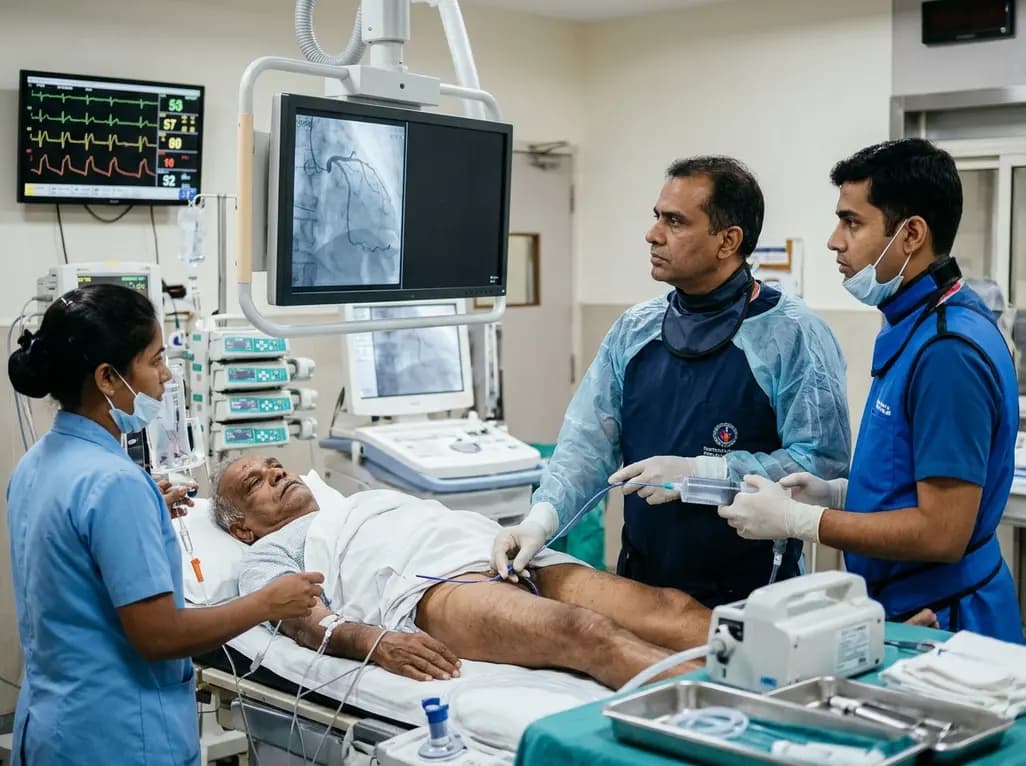
An elderly man with partially repaired Tetralogy of Fallot presented with STEMI caused by coronary embolism rather than atherosclerosis. Successful treatment with sustained mechanical aspiration thrombectomy underscores the vital need for high clinical vigilance in adult congenital heart disease.
Today

Demanding exhaustive hormonal profiling can inadvertently discourage clinical studies involving females. Methodological standards must align with the specific scientific question to expand, not restrict, equitable evidence for women.
Today

A recent study demonstrates that spinal oxygen sensors do not require mitochondrial electron transport to trigger sympathetic excitation during acute hypoxia, revealing new insights into how mitochondrial oxidative stress modulates autonomic tone in cardiovascular and neurological diseases.
Today

A novel calcium polyphosphate coacervate enables injectable bone implants with in situ hierarchical porosity via phase separation and gas foaming, significantly enhancing cell proliferation, energy metabolism, and osteogenic differentiation for minimally invasive bone defect repair.
Today

Following regulatory scrutiny from FSSAI regarding promotional representations and lean muscle preservation claims, Dr. Reddy's Laboratories and Nestlé Health Science are currently reviewing the branding and marketing strategy for their joint nutritional supplement Celevida GLP+.
Today
