.webp&w=384&q=75)

Loading, please wait...
Loading, please wait...
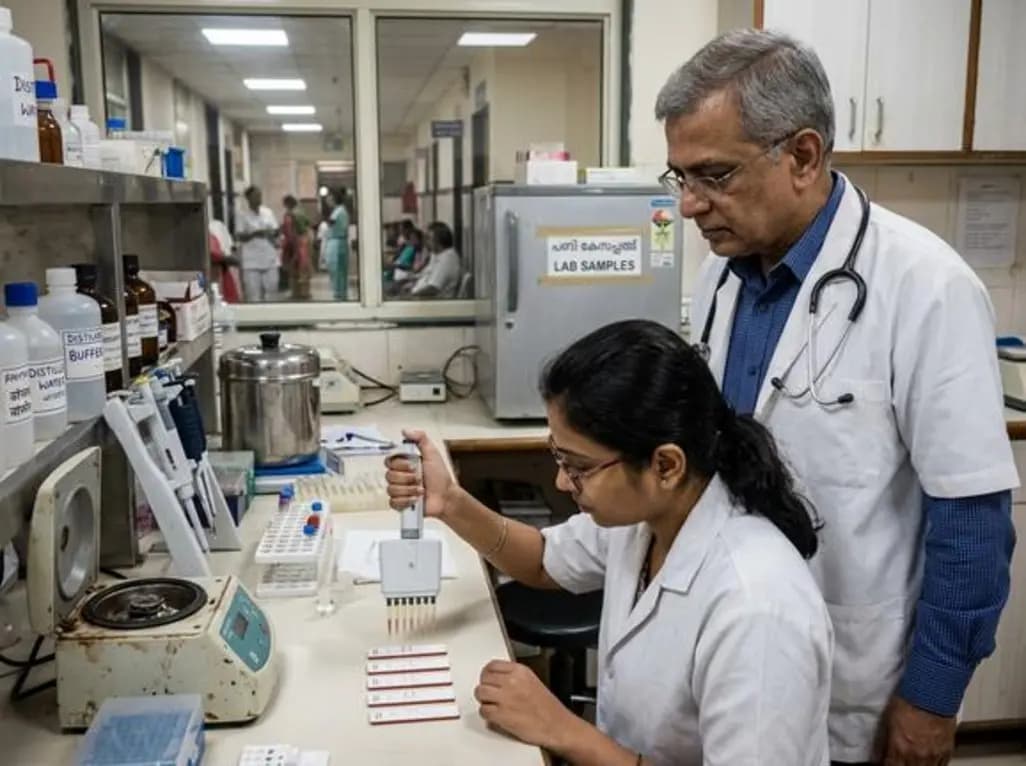
Fluoroquinolones (FQs) remain vital in animal husbandry for preventing various animal diseases. However, the misuse of these antibiotics often leads to persistent residues in animal products like milk. When these residues exceed safe limits, they pose a significant threat to human health, particularly by fueling antimicrobial resistance (AMR). Consequently, medical educators emphasize the need for robust fluoroquinolone residue detection methods to safeguard the public dairy supply.
In a recent study, researchers successfully developed a colloidal gold immunochromatographic test strip designed for high specificity and sensitivity. They first prepared a monoclonal antibody (mAb) that demonstrated strong reactivity toward more than 10 different fluoroquinolones. For instance, the mAb showed a half-maximal inhibitory concentration (IC50) for pefloxacin (PEF) at 0.023 ng/mL. Furthermore, the team established a competitive enzyme-linked immunosorbent assay (ic-ELISA) that achieved recovery rates between 80% and 120%.
The immunochromatographic strip serves as a practical tool for real-world monitoring. This technology allows for the simultaneous detection of 12 fluoroquinolones in actual milk samples. Additionally, the strip offers a limit of detection (LOD) ranging from 1 to 10 ng/mL. Such high-sensitivity fluoroquinolone residue detection is essential for monitoring antibiotic levels effectively and ensuring consumer safety across the dairy industry. Therefore, this method provides a broad-spectrum screening solution that is both rapid and accurate.
The ability to detect antibiotic residues quickly is a cornerstone of preventing drug-resistant infections. By identifying contaminated milk before it reaches the consumer, regulatory bodies can reduce long-term exposure to sub-therapeutic doses of antibiotics. Moreover, this study highlights that establishing high-sensitivity methods is crucial for managing antibiotic residues in emerging markets like India, where dairy consumption is high.
Chronic exposure to antibiotic residues in food can lead to the development of drug-resistant bacteria in the human gut. It may also cause allergic reactions or disrupt the natural microbiome, making future infections harder to treat with standard antibiotics.
The strip works similarly to a rapid antigen test, providing visual results within minutes without requiring complex laboratory equipment. This allows for on-site screening at dairy collection centers or processing plants.
Disclaimer: This content is for informational and educational purposes only. It does not constitute medical advice or professional food safety consultancy. Refer to the latest local and national guidelines for clinical practice and regulatory standards.
References
Zhu M et al. Development of a colloidal gold immunochromatographic strip for rapid detection of fluoroquinolones in milk. Anal Methods. 2026 Jun 22. doi: 10.1039/d6ay00727a. PMID: 42325063.
Food Safety and Standards Authority of India (FSSAI). Manual of Methods of Analysis of Foods: Antibiotics and Hormone Residues. 2024.
World Health Organization (WHO). Antimicrobial resistance in the food chain. 2023.

Read summarized clinical updates, watch expert medical content, and earn CME certifications right from your smartphone.
Open your smartphone camera to scan and install.





A new study has introduced a colloidal gold immunochromatographic strip capable of detecting 12 different fluoroquinolone residues in milk with high sensitivity. This rapid screening tool aims to enhance food safety monitoring and combat the growing threat of antimicrobial resistance.
4 months ago

Recent epidemiological data reveals a dramatic surge in summer heat mortality driven by human-induced climate warming. This analysis explores the pathophysiological impacts on cardiac and renal systems, diagnostic dilemmas in death certification, and essential emergency cooling protocols for acute clinical care.
Today

Odisha has established India's first state-level clinical protocol specifically tailored for pregnant women with sickle cell disease. Developed with NHM and UNICEF, the framework provides structured antenatal screening, crisis mitigation, standardized referral pathways, and specialized interdisciplinary care.
Today

India is advancing preventive healthcare by integrating genomics, artificial intelligence, and quantum technologies. With the SANGAM programme sequencing one million Indian genomes, clinicians can unlock personalized therapies, detect cardiometabolic risks early, and curb the burden of diabetes and heart disease.
Today
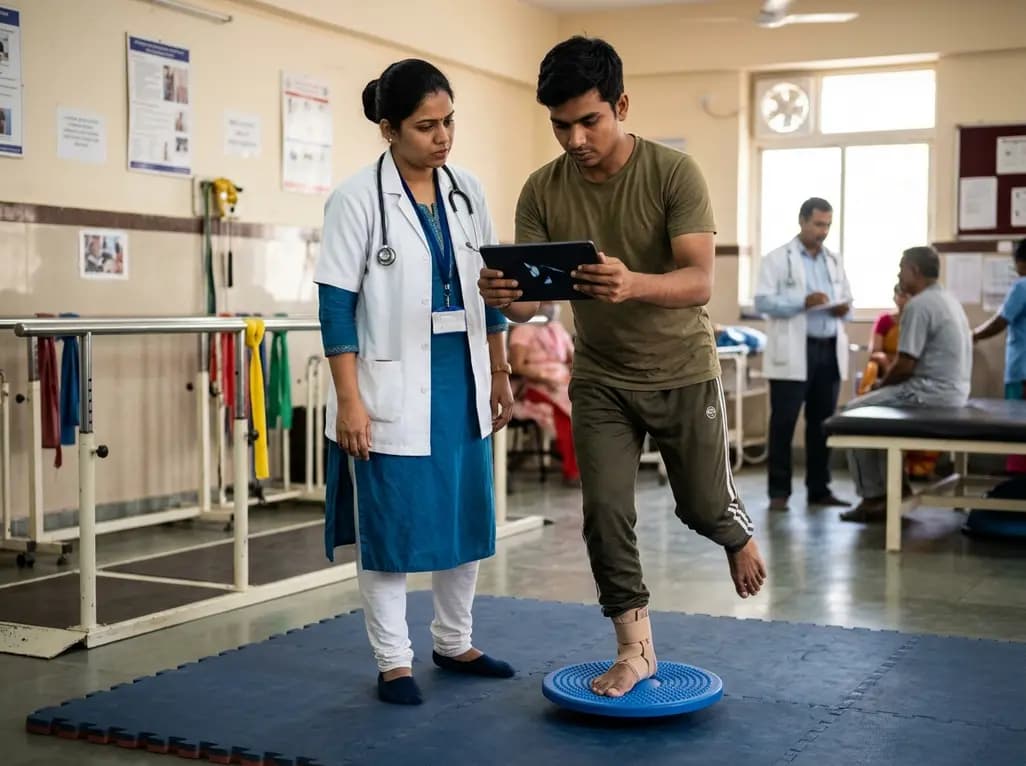
A randomized controlled trial demonstrates that an eight-week dual-task training intervention significantly improves static and dynamic postural control over standard balance exercises in individuals with chronic ankle instability, addressing critical neurocognitive deficits during athletic and daily activities.
Today

A retrospective cohort study of 7,716 ICU patients from the MIMIC-IV database demonstrates that Gradient Boosting Decision Trees significantly outperform traditional SOFA scores in predicting in-hospital mortality among patients with sepsis and diabetes, with SHAP analysis providing clinical interpretability.
Today
