.webp&w=384&q=75)

Loading, please wait...
Loading, please wait...
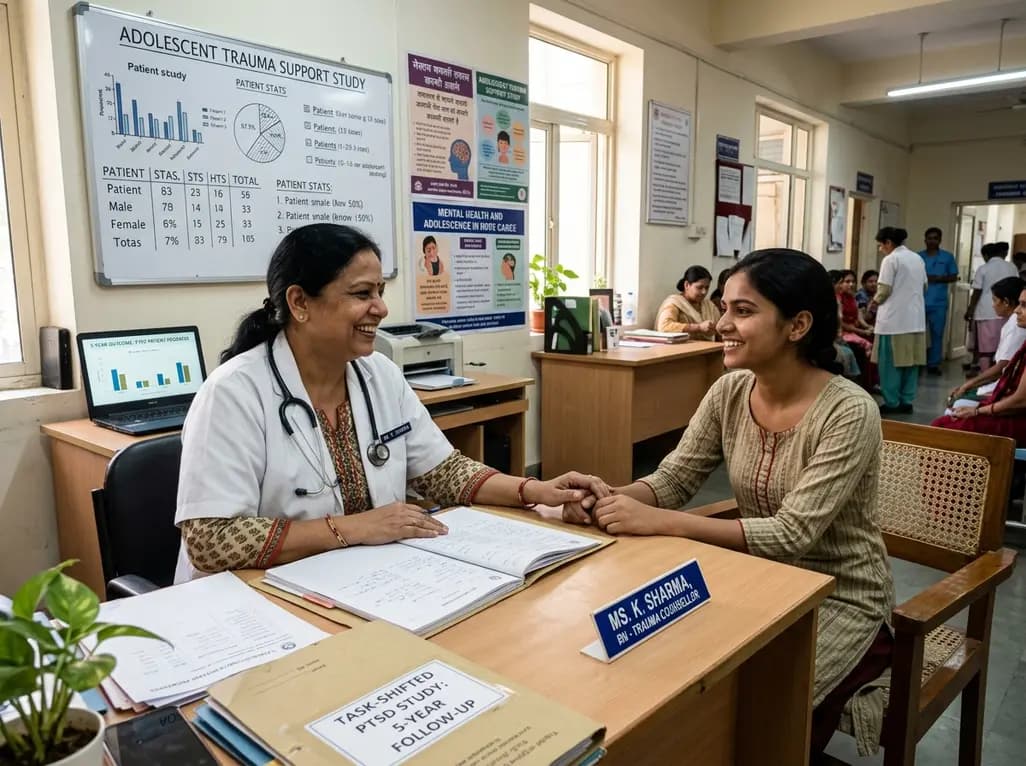
Post-traumatic stress disorder imposes a profound psychosocial burden on young individuals, making effective adolescent PTSD treatment an urgent global health priority. While trauma-focused psychological interventions show robust short-term efficacy, long-term clinical data beyond twelve months remain exceptionally scarce. Furthermore, resource-constrained regions experience acute shortages of specialized child psychiatrists and clinical psychologists. Consequently, task-shifting psychotherapeutic interventions to supervised non-specialist healthcare workers has emerged as a pragmatic healthcare solution. Landmark five-year randomized controlled trial findings now demonstrate that frontline community nurses can deliver durable psychological recovery to traumatized youth.
To evaluate whether non-specialist health workers can successfully treat severe trauma, investigators conducted a randomized controlled trial involving sixty-three adolescents diagnosed with post-traumatic stress disorder. Researchers randomly assigned participants to receive either prolonged exposure therapy for adolescents or supportive counselling. Rather than relying on scarce clinical psychologists, the trial trained community nurses who previously possessed no formal exposure therapy background. Expert clinicians provided structured weekly supervision to ensure strict treatment fidelity and safeguard participant wellbeing throughout the study. The primary outcome evaluated post-traumatic stress symptom severity using the validated Child PTSD Symptom Scale across sixty months. Evaluators assessed participants independently at baseline, post-treatment, three months, six months, twelve months, twenty-four months, and sixty months. Additionally, this rigorous trial design addressed a critical research gap by tracking youth through crucial developmental transitions into early adulthood. Ultimately, the methodology demonstrates that structured clinical supervision enables frontline nursing personnel to administer complex psychiatric protocols effectively within community settings.
Understanding the core therapeutic mechanisms of these contrasting psychological modalities provides vital clinical clarity for practicing physicians. Prolonged exposure therapy for adolescents represents an intensive cognitive-behavioural model targeting pathological trauma memory structures. During clinical sessions, adolescents recount their traumatic experiences in safe, controlled environments through structured imaginal exposure. Moreover, therapists guide patients through systematic in vivo exposure exercises to confront avoided real-world environmental triggers safely. Through repeated emotional processing, youth achieve extinction of conditioned fear responses and correct maladaptive trauma appraisals. Conversely, supportive counselling serves as a client-centred, non-directive psychotherapeutic modality that emphasizes empathetic listening, unconditional positive regard, and emotional validation. Supportive clinicians do not mandate trauma recounting or structured behavioral exposure homework. Instead, they encourage adolescents to process current distress freely and develop self-directed coping strategies. Although prolonged exposure initially produced more rapid symptom reduction in earlier trial stages, supportive counselling also provided genuine therapeutic benefits by fostering interpersonal trust and emotional stability.
The five-year follow-up data offer exceptional empirical evidence regarding the long-term trajectory of adolescent PTSD treatment. Participants in both therapeutic cohorts demonstrated sustained and statistically significant reductions in post-traumatic stress symptoms at sixty months post-treatment. Notably, the therapeutic gains achieved during active intervention persisted robustly across five years of subsequent adolescent development. Although prolonged exposure demonstrated superior effect sizes during earlier follow-up intervals at twelve and twenty-four months, between-group differences attenuated over five years. Many adolescents in the supportive counselling cohort gradually attained comparable clinical stability through ongoing natural maturation and sustained emotional resilience. Furthermore, secondary evaluations confirmed marked decreases in comorbid depressive symptoms and significant functional gains across educational settings. These durable findings decisively refute historical concerns that exposure-based interventions might induce delayed symptom relapse in youth. Therefore, clinicians can confidently reassure families that brief, task-shifted psychological interventions establish stable, multi-year recovery without requiring indefinite psychiatric treatment.
These extended clinical findings hold transformative implications for public mental health infrastructure in lower-resource healthcare settings. In many developing regions, the severe shortage of licensed child psychiatrists creates an insurmountable barrier for trauma survivors. However, this clinical trial proves that non-specialist health workers can achieve therapeutic outcomes comparable to specialist-delivered psychotherapy. Frontline nurses and community health workers can master manualized trauma therapies through condensed didactic training followed by regular peer supervision. Furthermore, delivering treatment directly within school or community clinics minimizes transport costs, reduces societal stigma, and boosts session completion among young patients. Nevertheless, health authorities must not view task-shifting as an unmonitored substitute for specialist care. Instead, healthcare organizations must embed frontline workers within collaborative stepped-care networks where senior psychiatrists supervise therapy and manage severe psychiatric comorbidities. By implementing this scalable supervision framework, resource-limited healthcare systems can expand access to evidence-based psychological trauma treatment substantially.
In India, adolescents face substantial exposure to diverse physical, social, and accidental traumas, yet child mental health infrastructure remains critically constrained. Most community health centres lack dedicated pediatric psychologists, leaving primary care physicians to manage post-traumatic morbidity empirically. Consequently, Indian medical professionals can leverage these five-year trial findings to advocate for structured task-shifting initiatives within the National Mental Health Programme. District hospital nurses, school counsellors, and community workers can be trained to screen adolescents and deliver protocol-driven prolonged exposure therapy. Moreover, primary care clinicians can utilize standardized instruments like the Child PTSD Symptom Scale to identify symptomatic youth during routine clinical consultations. When specialized psychiatric referral is unavailable, initiating structured supportive counselling or task-shifted trauma therapy offers durable clinical relief. Furthermore, integrating trauma-informed care protocols into school health programs and Ayushman Arogya Mandirs will bridge the prevailing adolescent mental health gap. Such pragmatic approaches empower Indian doctors to deliver equitable, lasting trauma recovery across diverse socioeconomic communities.
Structured clinical supervision represents the foundation of patient safety in task-shifted trauma therapy. Frontline nurses complete rigorous training modules before delivering manualized protocols like prolonged exposure. Furthermore, experienced clinical psychologists review recorded sessions weekly and monitor symptom trajectories via validated scales. If an adolescent expresses active suicidal ideation or exhibits severe clinical deterioration, supervisors immediately escalate care to specialist psychiatrists, thereby safeguarding patient wellbeing.
Both therapeutic arms established meaningful, durable symptom reduction through distinct yet complementary mechanisms. Prolonged exposure directly extinguished traumatic fear conditioning, whereas supportive counselling cultivated emotional safety, validation, and general adaptive coping. In addition, as adolescents matured across the sixty-month observation window, natural neurodevelopmental maturation and supportive social environments reinforced their initial recovery. Consequently, both interventions successfully interrupted negative trauma cycles and enabled sustained psychological resilience into emerging adulthood.
Prolonged exposure therapy offers exceptional utility in resource-constrained environments because it relies on structured, time-limited protocols rather than open-ended psychotherapy. Frontline healthcare providers can deliver the treatment effectively within high schools or primary health centres over seven to fourteen sessions. Moreover, non-specialist workers can learn manualized exposure techniques reliably without exhaustive postgraduate psychology training. Therefore, this model maximizes clinical throughput and drastically reduces specialized healthcare delivery expenses.
Disclaimer: This content is for informational and educational purposes only... Refer to the latest local and national guidelines for clinical practice.
References

Read summarized clinical updates, watch expert medical content, and earn CME certifications right from your smartphone.
Open your smartphone camera to scan and install.





A randomized controlled trial demonstrates that task-shifted psychological interventions delivered by supervised nurses maintain significant PTSD symptom reductions in adolescents across five years, establishing a sustainable care model for resource-constrained health systems.
Today
A retrospective cohort study evaluates the short- and long-term impacts of SARS-CoV-2 infection on patients with Graves' disease receiving antithyroid drug therapy, highlighting thyroid status destabilization, clinical symptom exacerbations, and post-viral sequelae.
Today
A comprehensive meta-analysis of over 278,000 women demonstrates that maternal atopic dermatitis significantly increases risks of premature rupture of membranes and low birth weight. Discover essential clinical insights on disease mechanisms, serial antenatal growth monitoring, and safe therapeutic interventions.
Yesterday
Pharmacogenomics and artificial intelligence are revolutionizing cardiology by tailoring therapies to individual genetic profiles and clinical data, reducing adverse drug events, and improving cardiovascular patient outcomes.
Today
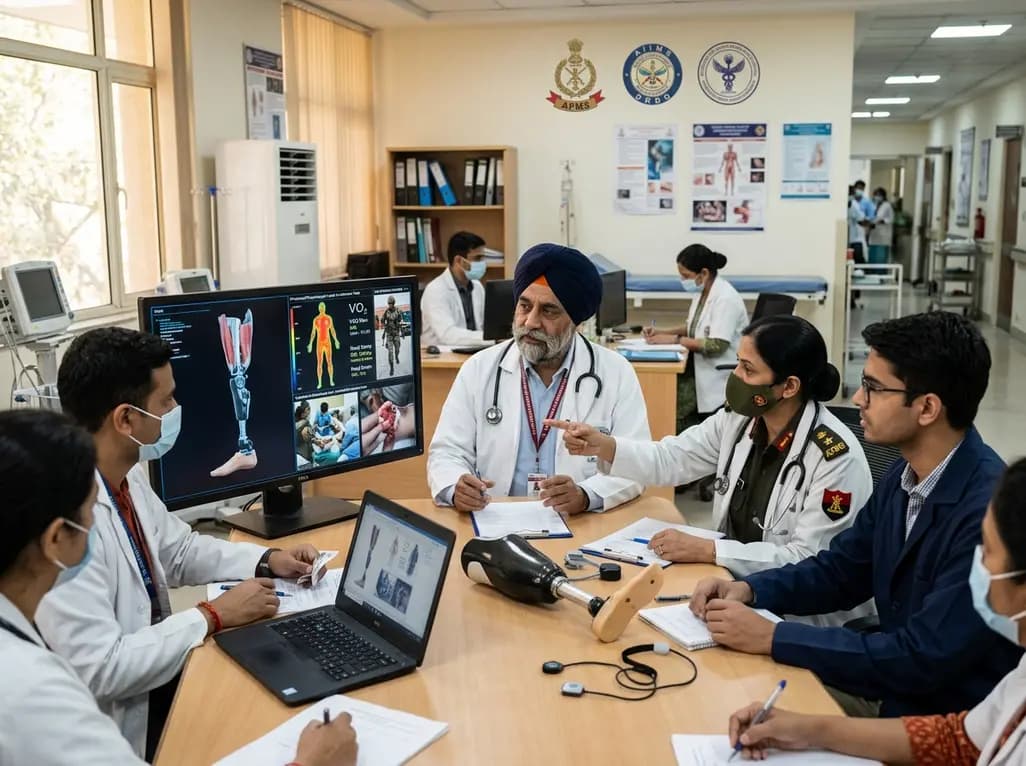
India's premier scientific bodies have joined the Armed Forces Medical Services to solve unique physiological and operational challenges faced by soldiers. The national collaboration covers combat casualty care, artificial intelligence diagnostics, bionic prosthetics, and extreme-environment physiological resilience.
Today
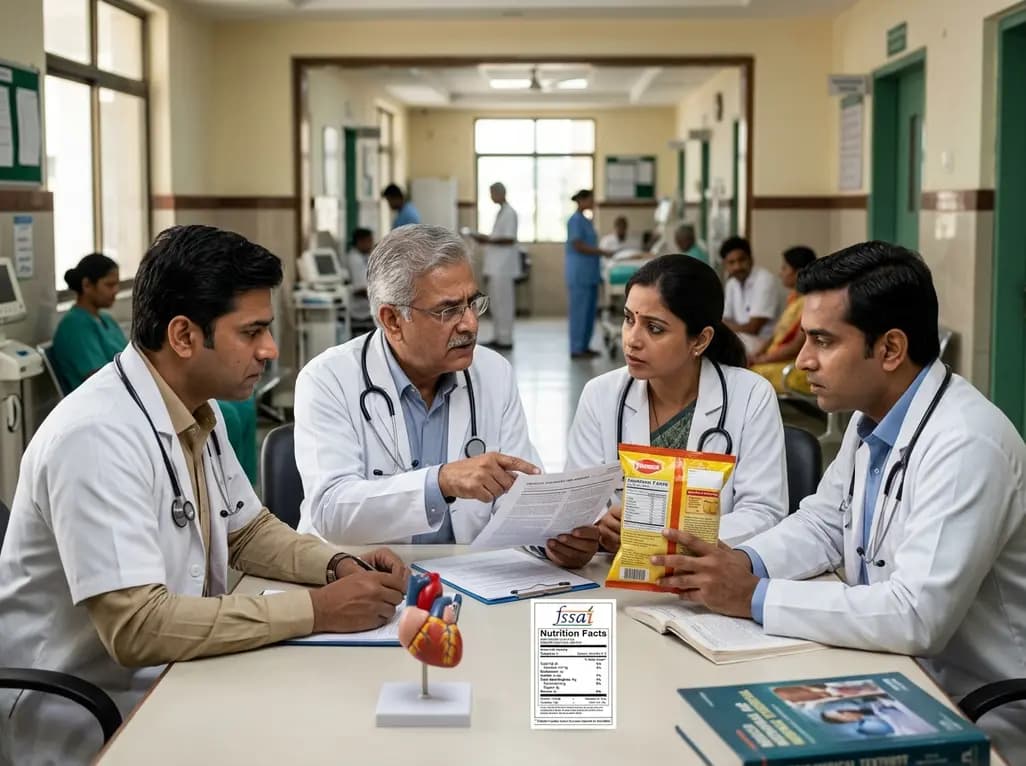
Over 60 international public health researchers have advised FSSAI to mandate front-of-pack warning labels for any packaged product high in even one critical nutrient: sugar, saturated fat, or sodium. This reform counters phased rollouts to accelerate consumer protection and address India's chronic disease burden.
Today
