.webp&w=384&q=75)

Loading, please wait...
Loading, please wait...
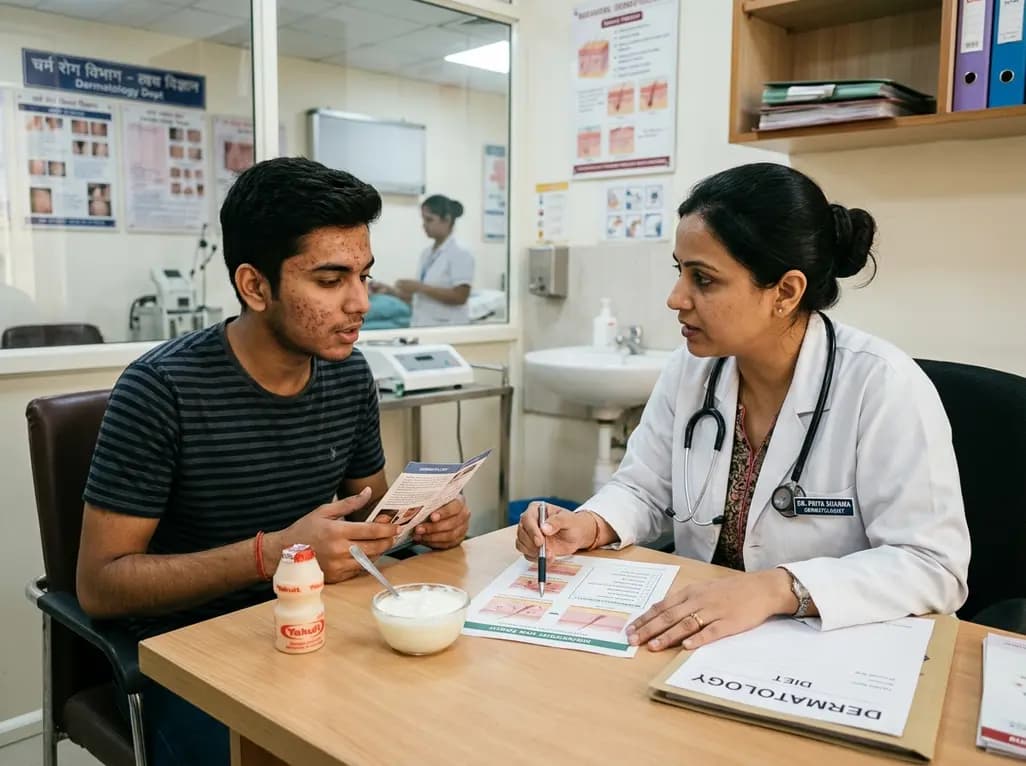
Emerging clinical insights into fermented dairy and acne demonstrate that nutritional choices profoundly shape follicular inflammation. Acne vulgaris affects nearly ninety percent of adolescents globally, imposing a heavy psychological burden. Although genetic predisposition drives sebaceous activity, clinicians increasingly recognize modifiable lifestyle triggers. Consequently, identifying specific dietary elements that alleviate or exacerbate inflammatory lesions remains an essential clinical priority.
A recent hospital-based cross-sectional study evaluated 423 youth in northern Jordan with a mean age of 20.2 years. Investigators used the validated Global Acne Severity Scale to rigorously grade dermatologic presentations. Additionally, structured clinical interviews captured detailed data regarding dietary intake, sleep duration, physical activity, tobacco usage, and psychological distress. Multivariate logistic regression models then identified independent correlates of moderate-to-severe acne.
The findings demonstrated substantial associations between habitual nutrition and cuticular health. Frequent consumption of fast food markedly elevated the odds of severe lesions (adjusted odds ratio [aOR] 1.56). Similarly, regular intake of sugary sweets independently exacerbated disease severity (aOR 1.51). Furthermore, high psychological stress emerged as a potent driver of cutaneous flares (aOR 1.63). Insufficient sleep also contributed significantly to worsening clinical outcomes (aOR 1.19). Conversely, patients who consumed abundant fresh fruits and vegetables experienced substantial protection against moderate-to-severe disease (aOR 0.66). Regular physical exercise likewise demonstrated a robust protective association (aOR 0.76). These clinical findings underscore the powerful synergy between metabolic homeostasis, mental health, and dermatologic resilience.
Dietary counseling for dermatologic patients often treats dairy as a uniform inflammatory category. However, this study revealed a striking divergence among distinct dairy subtypes. In exploratory post hoc analyses, non-fermented milk intake correlated positively with moderate-to-severe acne (aOR 1.37). In sharp contrast, fermented dairy items showed an inverse association with disease severity. Specifically, regular yogurt consumption reduced the odds of moderate-to-severe lesions by 35 percent (aOR 0.65). Furthermore, consumption of labneh, a concentrated strained yogurt traditional to the Middle East, conferred a 37 percent risk reduction (aOR 0.63).
Therefore, clinicians must reconsider blanket recommendations that eliminate all dairy products indiscriminately. Fermentation introduces profound biochemical alterations into bovine milk substrates. During fermentation, lactic acid bacteria hydrolyze proteins and digest lactose, generating anti-inflammatory bioactive peptides. Moreover, fermented foods deliver beneficial probiotic cultures that fortify the gut barrier and modulate systemic immune responses. Consequently, recommending fermented dairy and acne dietary modifications provides patients with essential micronutrients like calcium while minimizing comedogenic risk. Clinicians can confidently tailor advice to distinguish fermented products from traditional fluid cow milk.
Understanding why fluid milk and fermented dairy produce opposing clinical associations requires examining cellular signaling cascades. Fluid bovine milk naturally contains bovine insulin-like growth factor 1 and abundant branched-chain amino acids. These components stimulate endogenous human insulin secretion and activate the mammalian target of rapamycin complex 1 pathway. When mTORC1 signaling increases, it drives sebocyte proliferation, hyperkeratinization of the pilosebaceous unit, and lipogenesis. As a result, non-fermented milk consumption accelerates follicular plugging and creates a hospitable microenvironment for Cutibacterium acnes.
In contrast, microbial fermentation fundamentally alters this hormonal and metabolic axis. Active bacterial cultures degrade insulinotropic whey fractions, thereby diminishing postprandial insulin surges and downregulating IGF-1 signaling. Additionally, probiotics within yogurt and labneh produce short-chain fatty acids that suppress inflammatory cytokine cascades. Furthermore, certain fermented dairy products contain lactoferrin, an antimicrobial peptide that inhibits cutaneous sebum production and dampens bacterial inflammation. Consequently, fermented dairy avoids the hyperinsulinemic consequences seen with standard liquid milk. These physiological distinctions explain how yogurt and labneh support cuticular equilibrium rather than fueling acneiform flares.
Beyond dairy consumption, this clinical investigation highlights the systemic nature of acne pathophysiology. For instance, frequent fast food and confectionery intake delivers concentrated refined carbohydrates and saturated fats. High-glycemic foods rapidly elevate serum glucose, triggering acute hyperinsulinemia and subsequent androgen synthesis. Consequently, circulating free androgens stimulate sebaceous glands to produce excess squalene and wax esters. This metabolic sequence exacerbates follicular plugging and fuels localized inflammatory infiltrates.
Moreover, non-dietary lifestyle factors profoundly modify cutaneous immune responses. The study demonstrated that psychological stress and sleep deprivation significantly correlate with worsened acne severity. Psychological stress stimulates the hypothalamic-pituitary-adrenal axis, releasing corticotropin-releasing hormone and neurogenic mediators directly into the skin. These neurohormones trigger mast cell degranulation and heighten sebaceous lipid production. Similarly, sleep deficits disrupt nocturnal circadian repair and elevate systemic cortisol levels. In contrast, regular physical activity and antioxidant-rich produce mitigate oxidative damage and enhance insulin sensitivity. Therefore, addressing patient lifestyle habits constitutes an indispensable pillar of comprehensive dermatologic therapy.
These cross-sectional findings provide meaningful hypothesis-generating insights for medical practitioners managing adolescent and young adult patients. Clinicians frequently encounter individuals who self-impose overly restrictive diets based on social media trends. However, eliminating all dairy can compromise adolescent bone mineralization and micronutrient status. Instead of complete dairy elimination, dermatologists and primary care doctors should advise targeted substitutions. Encouraging unsweetened yogurt, kefir, or labneh while reducing whole or skim fluid milk represents a practical, evidence-informed strategy.
Furthermore, physicians should integrate holistic nutritional counseling into routine outpatient acne management. Discussing low-glycemic meal options, regular physical exercise, and stress management empowers patients to take an active role in their care. Clinicians must also emphasize that dietary modifications serve as supportive adjuncts rather than replacements for validated pharmacotherapies. Combining topical retinoids, antimicrobial agents, or systemic treatments with healthy dietary habits optimizes therapeutic outcomes and patient satisfaction. Ultimately, well-designed prospective trials will further clarify these nutritional associations, but current evidence supports nuanced, patient-centered lifestyle discussions.
Fermented dairy undergoes bacterial fermentation that alters its biochemical structure. This process degrades insulinotropic proteins, lowers lactose levels, and reduces insulin-like growth factor 1 stimulation compared to fluid milk. Additionally, fermented foods like yogurt deliver probiotics and bioactive peptides that support gut and skin barrier integrity. In contrast, fluid milk triggers rapid insulin surges, activating mTORC1 signaling and driving sebaceous gland hyperactivity.
Current clinical evidence does not support eliminating all dairy products indiscriminately. While fluid cow milk positively correlates with acne severity, fermented products such as unsweetened yogurt and labneh demonstrate protective inverse associations. Total dairy restriction risks nutritional deficiencies, particularly during adolescent bone development. Clinicians should instead recommend reducing liquid milk, fast food, and sweets while permitting moderate amounts of unsweetened fermented dairy.
Psychological stress activates the hypothalamic-pituitary-adrenal axis, releasing corticotropin-releasing hormone and cortisol. These neuroendocrine hormones stimulate sebaceous lipogenesis, increase cutaneous inflammation, and impede epidermal barrier repair. Concurrently, insufficient sleep elevates chronic systemic inflammatory cytokines and impairs insulin sensitivity. Together, stress and sleep deprivation disrupt normal neuroimmune homeostasis, triggering follicular inflammation and converting mild non-inflammatory comedones into painful, moderate-to-severe inflammatory papules and pustules.
Disclaimer: This content is for informational and educational purposes only, and does not constitute medical advice, diagnosis, or treatment recommendations. Refer to the latest local and national guidelines for clinical practice.
References

Read summarized clinical updates, watch expert medical content, and earn CME certifications right from your smartphone.
Open your smartphone camera to scan and install.





A cross-sectional study of 423 youth reveals that fermented dairy products like yogurt and labneh correlate inversely with acne severity, unlike non-fermented milk. Fast food, sweets, and stress significantly worsen lesions, emphasizing holistic nutritional counseling in dermatologic care.
last month

A breakthrough ultrathin multimodal sensor decouples physical hemodynamic monitoring from disposable electrochemical calibration, achieving long-term wearable glucose prediction with 81.36% accuracy and a 9.12% MARD. This offers a robust, drift-free solution for outpatient metabolic surveillance.
Today

A clinical review of menopause and neurology highlights the neurobiological impacts of midlife hormonal shifts on cognition, epilepsy, migraine, multiple sclerosis, and stroke, emphasizing safe hormone therapy prescribing.
Today

Co-administering antiseizure medications and DOACs frequently causes pharmacokinetic interactions, subtherapeutic drug levels, and thromboembolic failures. This review highlights enzyme induction risks, unpredictable outcomes with levetiracetam, and the vital role of therapeutic drug monitoring.
Today

A comparative review of tension band wiring and intramedullary screw fixation in thumb metacarpophalangeal arthrodesis, evaluating union rates, hardware complications, and clinical outcomes.
Today

Following regulatory scrutiny from FSSAI regarding promotional representations and lean muscle preservation claims, Dr. Reddy's Laboratories and Nestlé Health Science are currently reviewing the branding and marketing strategy for their joint nutritional supplement Celevida GLP+.
Today
