.webp&w=384&q=75)

Loading, please wait...
Loading, please wait...
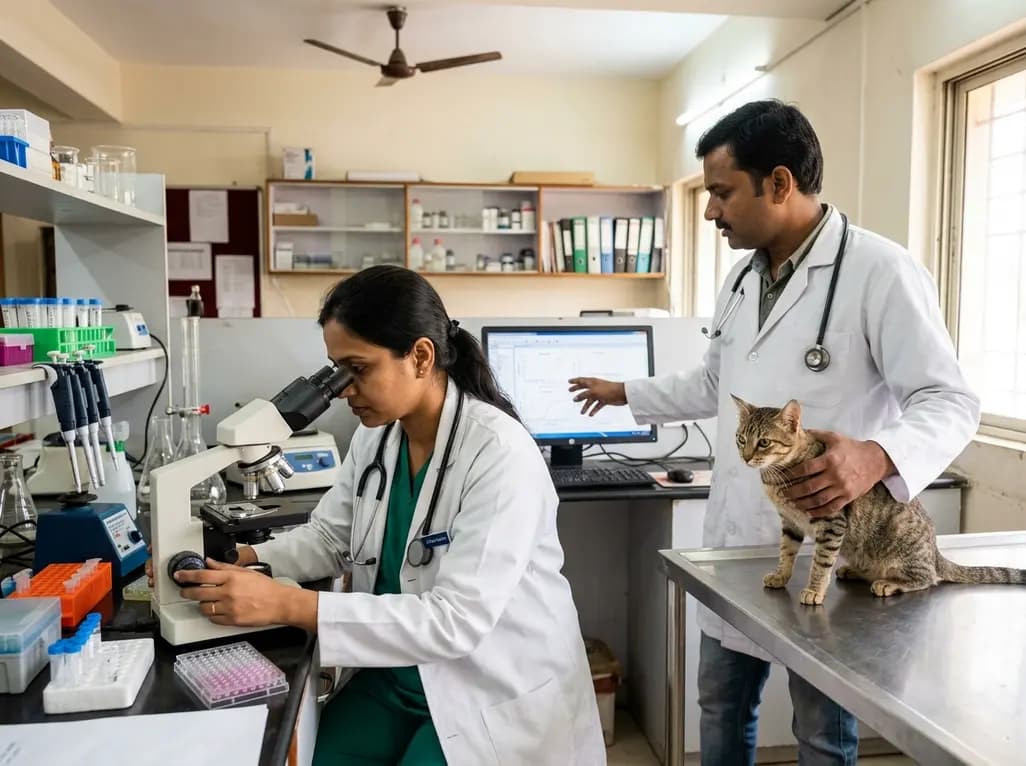
Recent veterinary research in Japan has brought significant attention to the presence of Feline Fesavirus 4 within domestic animal populations. Fesaviruses belong to a diverse group of picorna-like viruses that researchers first identified in 2014. These viruses were originally discovered in stool samples from cats residing in an animal shelter in the United States. Since their discovery, scientific understanding of their global distribution remained limited. However, a new study conducted in Japan has successfully identified serological evidence of this infection in domestic feline populations. Researchers utilized a purified recombinant antigen to detect specific antibodies against the virus. Their findings revealed that 12 out of 100 plasma samples tested positive for these specific antibodies. Consequently, this study provides the first clear evidence that the virus is circulating among cats in Japan. Furthermore, the results emphasize the importance of monitoring newly discovered viruses in companion animals. Such surveillance is vital because shelters often serve as hotspots for viral evolution and transmission. Clinicians and researchers must recognize that these findings suggest a broader geographical footprint for fesaviruses than previously assumed. Therefore, understanding the prevalence of these pathogens is essential for developing comprehensive animal health strategies and assessing potential risks to public health.
Picornaviruses and picorna-like viruses represent a large family of small, non-enveloped, positive-sense RNA viruses. Historically, this family includes well-known human pathogens such as poliovirus and hepatitis A virus. Fesaviruses specifically share structural similarities with these entities but remain relatively uncharacterized in clinical veterinary medicine. The genome of Feline Fesavirus 4 contains large open reading frames that encode for essential viral proteins. In the Japanese study, scientists targeted a specific portion of this large open reading frame to create a recombinant antigen. This methodology allowed for the precise detection of immune responses in infected animals. Moreover, picorna-like viruses often exhibit high levels of genetic diversity and rapid mutation rates. These characteristics enable them to adapt to different environments and potentially cross-species barriers. Specifically, fecal-oral transmission is the primary route for many viruses within this group. In sheltered environments, close proximity between animals facilitates the rapid spread of such enteric pathogens. Additionally, the detection of antibodies indicates that the cats were exposed to the virus and mounted an immune response. This finding suggests that the infection might be more common than fecal shedding alone would indicate. Thus, serological surveys offer a more complete picture of viral prevalence within a population.
To investigate the presence of Feline Fesavirus 4, the research team developed a specialized enzyme-linked immunosorbent assay (ELISA). This diagnostic tool is highly sensitive and allows for the screening of large sample sizes. Specifically, the researchers tested 100 cat plasma samples collected from various sources. To ensure the accuracy of the ELISA results, the team employed Western blotting as a confirmatory test. Western blotting provides a higher degree of specificity by allowing researchers to visualize the binding of antibodies to specific viral protein bands. Notably, out of the 100 samples screened, 12 were confirmed to possess specific antibodies against the fesavirus 4 antigen. This 12% seroprevalence rate highlights a significant level of exposure among the Japanese feline population. Furthermore, the use of a recombinant antigen ensures that the test results are reproducible and standardized. Developing these specific diagnostic markers is a critical step in managing emerging infectious diseases. It allows veterinarians to differentiate between various viral exposures that may present with similar clinical signs. Moreover, these diagnostic advancements provide a foundation for future epidemiological studies. Consequently, the integration of molecular and serological techniques enhances our ability to track the movement of novel viruses across different regions and species.
Animal shelters play a pivotal role in the epidemiology of emerging infectious diseases like Feline Fesavirus 4. These facilities often house animals from diverse backgrounds, including strays and surrendered pets. Consequently, the high density of animals creates an ideal environment for the transmission of respiratory and enteric viruses. The discovery of fesaviruses in a US shelter in 2014 initially suggested a localized occurrence. However, the detection of antibodies in Japan demonstrates that these viruses have a global reach. Specifically, shelter cats often face stressors that can suppress their immune systems, making them more susceptible to subclinical infections. While the Japanese study focused on plasma samples, the original discovery in stool samples suggests an enteric nature for the virus. Therefore, managing waste and maintaining high hygiene standards in shelters are paramount for controlling viral spread. In addition, the presence of asymptomatic carriers within these populations can lead to undetected circulation of the virus. This phenomenon complicates efforts to eradicate the pathogen from congregate settings. Moreover, the movement of animals through adoption and transport can facilitate the introduction of the virus into domestic households. Thus, the findings from Japanese shelters underscore the need for a "One Health" approach to viral monitoring.
The identification of Feline Fesavirus 4 in Japan raises important questions regarding zoonotic potential and interspecies transmission. While there is currently no evidence that fesaviruses infect humans, the history of picornaviruses suggests that vigilance is necessary. Many human viruses originated in animal reservoirs before adapting to human hosts. Therefore, infectious disease specialists in India and elsewhere must monitor these emerging animal viruses closely. The One Health framework emphasizes the interconnectedness of human, animal, and environmental health. Specifically, companion animals like cats live in close proximity to humans, increasing the frequency of contact with potential pathogens. If a virus like fesavirus 4 were to mutate and acquire the ability to infect human cells, the impact could be significant. Furthermore, the rapid globalization of travel and trade means that a virus appearing in Japan could easily reach other continents. Consequently, international collaboration in veterinary virology is essential for global health security. Researchers must continue to investigate the host range and tissue tropism of these picorna-like viruses. Additionally, understanding the environmental stability of fesaviruses can help in developing effective disinfection protocols. Ultimately, proactive surveillance in animal populations serves as an early warning system for potential human health threats.
Moving forward, the detection of Feline Fesavirus 4 antibodies serves as a catalyst for expanded research into feline virology. Scientists need to conduct larger, multi-center studies to determine the true prevalence and clinical impact of this virus. Specifically, identifying whether the virus causes specific symptoms or contributes to chronic conditions is a priority. Moreover, the development of rapid point-of-care diagnostic tests could help veterinarians manage outbreaks in real-time. In addition, further genomic sequencing is required to track the evolution of fesaviruses globally. This will help researchers understand how the Japanese strains relate to those found in the United States and other regions. Furthermore, public health authorities should consider incorporating domestic animal data into infectious disease databases. Such integration allows for a more comprehensive analysis of viral trends and spillover risks. Notably, training for veterinarians and animal shelter staff on biosecurity measures remains a cornerstone of prevention. As we discover more viruses in our companion animals, our strategies for mitigation must also evolve. Therefore, the Japanese study is not just a local finding but a significant contribution to the global map of emerging infectious diseases. Thus, continuous investment in viral research and diagnostic technology is essential for safeguarding both animal and human health in the future.
Currently, there is no documented evidence of Feline Fesavirus 4 infecting humans. However, since it belongs to the picorna-like virus group, which includes significant human pathogens, researchers maintain a high level of surveillance. Monitoring these viruses in cats is essential to detect any potential zoonotic mutations early. This proactive approach ensures that public health systems are prepared if a cross-species spillover event ever occurs in the future.
The ELISA test in this study specifically targets antibodies against a recombinant portion of the Feline Fesavirus 4 large open reading frame. Unlike general tests, this assay provides high sensitivity for this specific virus. By using recombinant antigens, researchers achieve greater consistency and reduce cross-reactivity with other picornaviruses. Additionally, the team used Western blotting to confirm the results, ensuring that the detected antibodies were truly specific to the fesavirus antigen.
Shelter animals are primary targets because they often live in high-density environments that facilitate rapid viral transmission. They frequently come from diverse or unknown backgrounds, increasing the likelihood of carrying novel or rare pathogens. Furthermore, the stress of shelter life can weaken immune systems, making these animals ideal sentinels for emerging infectious diseases. Monitoring these populations helps researchers identify new viruses, like Fesavirus 4, before they spread to the wider community.
Disclaimer: This content is for informational and educational purposes only. It is not intended as a substitute for professional medical or veterinary advice, diagnosis, or treatment. Always seek the advice of your physician, veterinarian, or other qualified health provider with any questions you may have regarding a medical or veterinary condition. Refer to the latest local and national guidelines for clinical practice.
References
Jafar SM et al. Detection of anti-fesavirus 4 antibodies in plasma samples from cats in Japan. J Vet Med Sci. 2026 Jul 13. doi: 10.1292/jvms.26-0259. PMID: 42437986.

Read summarized clinical updates, watch expert medical content, and earn CME certifications right from your smartphone.
Open your smartphone camera to scan and install.





A recent Japanese study identified anti-fesavirus 4 antibodies in 12% of tested cat plasma samples using ELISA and Western blotting. This highlights the presence of this picorna-like virus in Japan and underscores the necessity of continuous viral surveillance in animal shelters to monitor emerging pathogens.
3 months ago

A multicenter study from Southeastern Türkiye identified rare alpha-1 antitrypsin deficiency variants, including the homozygous Malton genotype, among COPD patients. Half were never-smokers, highlighting the critical need for comprehensive genetic screening beyond common S and Z alleles.
Today

A comprehensive scoping review synthesises evidence linking prenatal maternal mental health to long-term offspring neurodevelopment, evaluating neuroendocrine, inflammatory, and epigenetic pathways while highlighting clinical screening and future research priorities.
Today

The Directorate General of Health Services directs Indian states to halt the hazardous reuse and reprocessing of single-use medical devices. Discover regulatory implications under the Drugs and Cosmetics Act, critical infection risks, legal liabilities, and operational changes required across clinical specialties.
Today
A 25-year multi-institutional cohort reveals high recurrence rates in pediatric giant cell tumor of bone, particularly in patients with open physes and bone marrow edema on preoperative MRI. Early surveillance and careful balance between growth plate preservation and tumor clearance are essential.
Today

India is advancing preventive healthcare by integrating genomics, artificial intelligence, and quantum technologies. With the SANGAM programme sequencing one million Indian genomes, clinicians can unlock personalized therapies, detect cardiometabolic risks early, and curb the burden of diabetes and heart disease.
Today
