

Loading, please wait...
Loading, please wait...

Febrile seizures represent the most prevalent convulsive event observed during early pediatric life. For decades, clinicians have considered simple episodes completely benign with negligible long-term sequelae. However, growing evidence highlights the intricate relationship between febrile seizures motor skills and subsequent neurological trajectories. Because these convulsive events coincide with critical windows of central nervous system maturation, questions persist regarding subtle developmental consequences. A comprehensive population-based cohort study now provides pivotal insights into how early febrile convulsions correlate with motor delays at school entry age.
During the first three years of life, the human brain undergoes rapid synaptic formation, axonal myelination, and functional reorganization. When acute systemic fever triggers convulsive activity, intense neuroinflammatory cascades and transient electrical surges disrupt fragile neuronal networks. Consequently, researchers have questioned whether these transient events leave measurable footprints in developing motor circuits. While gross motor capabilities frequently remain preserved, delicate tasks such as pincer grasp precision, hand-eye coordination, and bilateral dexterity require sophisticated cortical integration.
Historically, epidemiological studies focused primarily on major outcomes like intractable epilepsy, intellectual disability, or structural cerebral injury. Therefore, subtle neurodevelopmental impairments frequently escaped clinical detection during routine toddler health assessments. Recent advances in developmental surveillance now allow researchers to track specific performance domains systematically over time. By evaluating children at age six, clinicians can detect fine coordination deficits right as academic demands escalate. Emerging data suggest that even uncomplicated seizures can alter fine motor coordination pathways, prompting a re-evaluation of standard follow-up timelines in primary care.
To investigate these developmental questions thoroughly, researchers analyzed longitudinal health data from the Korean National Health Insurance System. The study examined a massive birth cohort of children born between 2009 and 2011, providing exceptional statistical power. The investigation enrolled 10,442 exposed children who sought emergency medical care or required hospitalization for febrile seizures. Meanwhile, the unexposed reference group comprised 291,724 healthy children from identical birth cohorts without seizure histories.
The investigators rigorously tracked neurodevelopmental outcomes up to six years of age. They evaluated multiple standardized developmental domains, including gross motor skills, fine motor coordination, cognition, language acquisition, sociality, and self-care abilities. In addition, the researchers employed multivariable logistic regression models to control for potential confounders such as birth weight, gestational age, socioeconomic status, and underlying systemic comorbidities. They also applied sophisticated sensitivity analyses and alternative subject selection paradigms to confirm the stability of their observations. This methodological precision ensured that measured associations reflected genuine developmental patterns rather than confounding sociodemographic factors.
The analytical results demonstrated a statistically significant divergence in fine motor competency by age six. Within the febrile convulsion cohort, 3.18 percent of children exhibited measurable fine motor skill deficits. In contrast, only 2.53 percent of unexposed children experienced similar motor difficulties. This difference translated to an absolute risk elevation of 6.5 per 1,000 children and an adjusted odds ratio of 1.18. Consequently, the findings confirm that early seizure exposure carries a distinct vulnerability for fine motor development.
Interestingly, other neurodevelopmental spheres did not exhibit identical vulnerability patterns. The authors observed that gross motor function, expressive language, and social interaction metrics largely matched baseline expectations across both cohorts. Furthermore, cognitive scores showed minimal divergence between exposed children and their unaffected peers. This selective domain involvement suggests that rapid cortical synaptogenesis governing distal extremity control possesses unique susceptibility to fever-induced neuroinflammation. Therefore, generalized reassurance regarding intellectual capability remains appropriate, but clinicians must monitor manual dexterity and graphomotor skills far more closely during subsequent preschool evaluations.
Detailed subgroup stratifications revealed unexpected variations across specific clinical scenarios. Surprisingly, the increased risk of fine motor delays appeared especially prominent among children who experienced a single seizure event rather than recurrent episodes. Furthermore, children who subsequently transitioned to nonfebrile seizures demonstrated pronounced developmental hurdles, highlighting potential underlying channelopathies or preexisting microstructural vulnerabilities. Seasonal trends also emerged clearly, with winter and summer presentations demonstrating higher relative associations with developmental lags.
Several biological mechanisms plausibly explain these persistent coordination differences. Rapid temperature spikes stimulate systemic pro-inflammatory cytokines, including interleukin-1 beta and tumor necrosis factor-alpha, which cross the blood-brain barrier. In turn, these cytokines alter gamma-aminobutyric acid neurotransmission and excite immature motor cortex pyramidal neurons. Additionally, prolonged subclinical seizures may induce transient metabolic distress within deep subcortical nuclei and the basal ganglia, impairing delicate motor execution. While physiological resilience corrects most gross neurological functions, high-demand fine motor coordination networks can retain subclinical deficits that only manifest when children attempt handwriting, buttoning clothes, and utilizing complex classroom tools.
In India, febrile seizures represent one of the most frequent pediatric emergencies encountered in acute care settings. High incidence rates of viral exanthems, seasonal respiratory infections, and gastrointestinal illnesses frequently precipitate childhood convulsions across diverse healthcare tiers. However, parents often experience overwhelming anxiety, fearing permanent brain damage or intractable epilepsy whenever their child convulses. Therefore, primary care physicians, pediatricians, and emergency specialists play a critical role in providing balanced, evidence-informed guidance.
Indian clinicians must integrate these new findings into routine developmental follow-up visits. Instead of dismissing parental worries after emergency resolution, practitioners should schedule structured developmental appraisals at milestone ages. Furthermore, healthcare teams should pay close attention to socioeconomic barriers, nutritional deficiencies, and endemic infections that exacerbate developmental vulnerabilities. By proactively addressing fine motor readiness before primary school enrollment, practitioners can mitigate learning difficulties and functional distress. Incorporating simple dexterity checks into routine immunization encounters offers an efficient, cost-effective strategy to identify struggling children across both rural clinics and urban healthcare centers.
Healthcare providers should adopt proactive surveillance frameworks rather than passive observation strategies. Initial counseling must reassure caregivers regarding preserved general intelligence and low epilepsy risk while setting realistic expectations for school readiness. Moreover, clinicians should document seizure semiology meticulously, noting seizure duration, focal features, and postictal recovery timelines. Early medical records provide essential baseline data for future developmental evaluations.
Between ages four and six, pediatricians should incorporate objective fine motor screening tools into standard health maintenance visits. Simple in-office tasks, such as copying shapes, using child-safe scissors, threading beads, and manipulating buttons, readily uncover subclinical delays. Additionally, teachers and parents should look for early warning signs of motor fatigue, pencil grasp instability, or avoidance of drawing activities. When clinicians identify persistent coordination difficulties, they should promptly recommend occupational therapy and targeted home-based motor enrichment exercises. Early structured physical activities accelerate neuromuscular integration, enabling affected children to attain normal academic performance alongside their peers.
No, standard scientific evidence confirms that uncomplicated febrile seizures do not decrease intellectual quotient or cause severe brain damage. Extensive cohort investigations show normal language, cognition, and gross motor functioning. However, subtle deficits in fine motor coordination can emerge later, requiring selective developmental monitoring during early school years.
Fine motor control relies on intricate, multi-synaptic connections between the primary motor cortex, basal ganglia, and cerebellum. Because these delicate circuits mature rapidly during early childhood, fever-induced neuroinflammation and transient electrical instability may disrupt local synaptic organization, leaving subtle coordination challenges that manifest during demanding dexterity tasks.
Pediatricians should initiate referrals if children struggle significantly with age-appropriate manual tasks between four and six years of age. Warning signs include difficulty holding pencils, cutting paper, buttoning clothes, or handling small objects. Timely pediatric occupational therapy rapidly improves dexterity and builds functional confidence before academic entry.
Disclaimer: This content is for informational and educational purposes only and should not be considered medical advice. Always consult a qualified healthcare professional regarding any medical condition or treatment. Refer to the latest local and national guidelines for clinical practice.
References
Ha EK et al. Febrile Seizures at Early Childhood and Subsequent Fine Motor Skill Delays at Age Six: Insights from a Comprehensive Population-Based Cohort Study. Neuroepidemiology. 2026. doi: 10.1159/000545783. PMID: 40262562.
Guo D et al. The long-term neurodevelopmental outcomes of febrile seizures and underlying mechanisms. Front Cell Neurosci. 2023;17:1186711. doi: 10.3389/fncel.2023.1186711.
Xixis KL, Samanta D, Smith T, et al. Febrile Seizure. StatPearls [Internet]. Treasure Island (FL): StatPearls Publishing; 2024.

Read summarized clinical updates, watch expert medical content, and earn CME certifications right from your smartphone.
Open your smartphone camera to scan and install.





A large nationwide cohort study reveals that children who experience early childhood febrile seizures face an increased risk of fine motor skill delays by age six. Discover essential clinical findings, subgroup risks, and surveillance recommendations for pediatric care.
Today

A comparative analysis of ChatGPT and Google Gemini reveals how generative AI models explain atrial fibrillation and treatment options. The study highlights vital perceptual gaps between cardiologists and laypersons regarding medical bias, formatting, and untreated clinical consequences.
Today
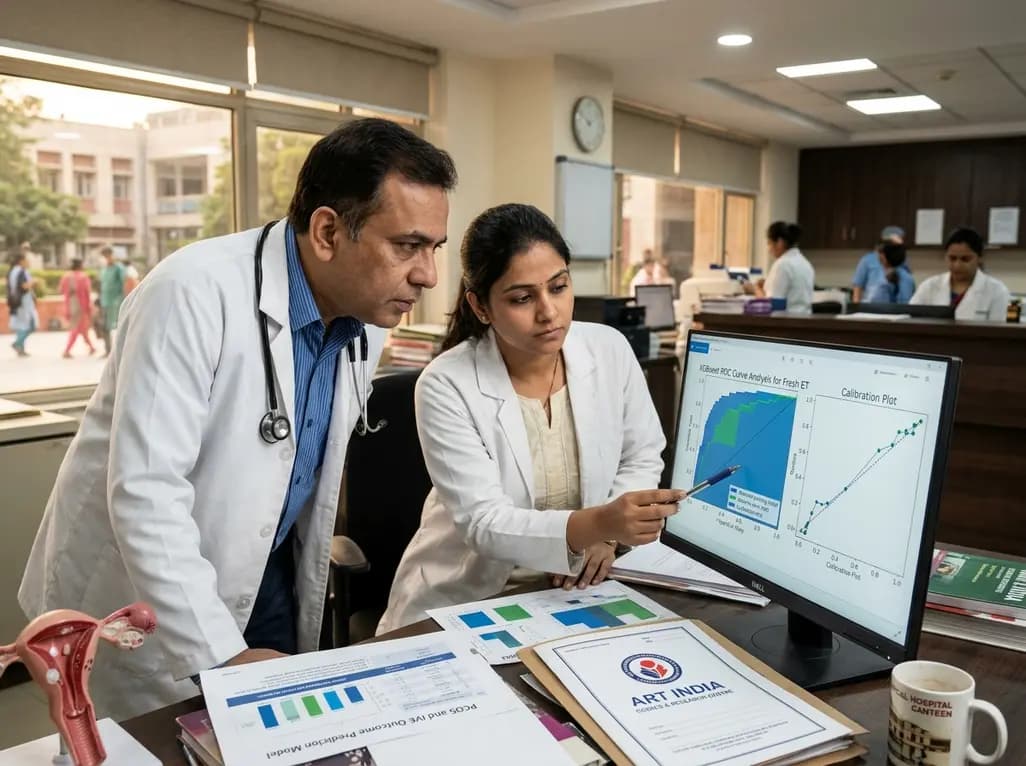
A multicenter study evaluates an XGBoost machine learning model to predict miscarriage risk in PCOS after fresh embryo transfer. While discrimination was strong internally, cross-cohort calibration drift emphasizes its role as a risk-ranking tool rather than a standalone diagnostic instrument.
Today

A landmark study reveals structured variation in daily emotional experiences using mobile cardiac monitoring and machine learning. Uncovering a many-to-many mapping between autonomic states and feelings, this research offers key insights for managing psychosomatic and psychiatric conditions in clinical practice.
Today

Engineered 3D piezoelectric PHBV scaffolds generate electrical charges during mechanical strain, mimicking native muscle electromechanics to promote cellular alignment, myogenic differentiation, and functional tissue repair in severe volumetric muscle loss.
Today

A study in aged rats reveals that caloric restriction broadly upregulates adipose macrophage genes, whereas concurrent endurance training buffers this response. Despite these tissue-level transcriptional changes, systemic glycemic and lipid markers remain unchanged, highlighting the complexity of geriatric metabolism.
Today
