.webp&w=384&q=75)

Loading, please wait...
Loading, please wait...

Unexplained falls, syncope, and near-syncope represent major clinical dilemmas among geriatric populations, frequently causing severe physical trauma, prolonged hospitalization, and loss of independence. Standard diagnostic protocols prioritize cardiac evaluation to exclude transient arrhythmias; however, frail geriatric patients frequently struggle to tolerate cumbersome multi-lead diagnostic equipment. Recent clinical evidence demonstrates that wearable digital biosensors provide effective continuous ECG monitoring, offering superior comfort and extended wear duration in vulnerable cohorts.
Falls in older adults often stem from complex, multifactorial etiologies involving neurovascular instability, musculoskeletal decline, polypharmacy, and covert cardiovascular dysrhythmias. When unwitnessed falls or syncopal episodes occur, identifying an underlying arrhythmic trigger remains vital for secondary prevention. Conventional diagnostic pathways rely heavily on standard 24-hour Holter monitoring. Nevertheless, traditional Holter devices utilize bulky recording boxes, extensive wired leads, and multiple adhesive electrodes that easily detach or cause skin irritation.
Consequently, frail individuals and those suffering from cognitive impairment frequently experience distress when wearing complex diagnostic hardware. Patients may inadvertently disconnect leads, tamper with recording units, or refuse extended evaluation altogether. Furthermore, paroxysmal arrhythmias such as intermittent high-grade atrioventricular block, sick sinus syndrome, or transient atrial fibrillation often occur infrequently. Because 24-hour recordings capture only a narrow snapshot in time, brief diagnostic windows often miss sporadic events, leaving vulnerable patients at continuous risk of recurrent falls and serious injury.
To address these diagnostic barriers, researchers conducted a prospective, single-center, randomized, open-label, crossover feasibility pilot study comparing a novel patch sensor against standard 24-hour Holter monitoring. The trial enrolled seventy patients aged 60 years and older presenting with unwitnessed falls, syncope, or near-syncope. Investigators randomized participants in a 1:1 ratio into two crossover sequences: Group A received initial Holter monitoring followed by patch application, whereas Group B received the patch first followed by the Holter device.
This innovative crossover framework permitted up to four days of combined cardiac monitoring per participant. The evaluated wearable device, known as the S-Patch, is a lightweight, dual-lead digital sensor designed for unobtrusive placement on the chest. The primary study endpoints focused on real-world feasibility, patient compliance, total wear duration, completion rates, and subjective patient-reported experience. Concurrently, secondary objectives evaluated device usability and compared clinical arrhythmia detection rates between both diagnostic modalities.
The study cohort comprised a distinctly vulnerable population, with an average age exceeding 82 years, high baseline frailty scores, and significant baseline fear of falling. Notably, 45.7% of all enrolled participants presented with documented cognitive impairment, while a substantial proportion received prescription anti-dementia medications. Despite these clinical complexities, both cardiac monitoring modalities achieved acceptable overall tolerability, and participants expressed no significant divergence in general device preference.
However, the wearable patch demonstrated a decisive advantage regarding continuous recording duration. While standard Holter monitoring remained strictly capped at 24 hours, the mean wear duration for the patch exceeded 60 hours across the cohort. Furthermore, when clinicians applied the patch as the initial diagnostic modality in Group B, mean wear time reached 68.8 hours, significantly outperforming sequence A wear times. Importantly, diagnostic yield remained clinically concordant between both devices, with each modality successfully identifying one life-threatening high-grade conduction disorder that prompted urgent permanent pacemaker implantation.
Frail older adults with dementia or delirium risk have historically faced exclusion from clinical device trials due to adherence concerns. In routine practice, physicians frequently hesitate to order wired telemetry or multi-day Holter monitors for cognitively impaired patients because of perceived intolerance. Lead tugging, tactile hypersensitivity, and skin tears present common management challenges in nursing homes and acute geriatric wards.
The trial findings provide strong evidence that streamlined, cable-free patch architecture successfully mitigates these practical hurdles. Because the small dual-lead patch adheres securely to the sternal area without external wires, patients rarely noticed or disturbed the sensor during routine daily living. Adherence and completion rates remained exceptionally high among cognitively impaired individuals, matching the compliance observed in cognitively intact participants. Thus, modern biosensor designs eliminate traditional barriers to comprehensive ambulatory cardiac assessment in dementia care.
Integrating prolonged patch-based biosensors into routine outpatient and post-fall clinical pathways offers substantial benefits for primary care physicians, geriatricians, and cardiologists. Extending ambulatory rhythm surveillance from 24 hours to 72 hours significantly increases the statistical probability of capturing elusive paroxysmal arrhythmias. This prolonged window facilitates timely therapeutic interventions, such as pacemaker placement or targeted antiarrhythmic adjustments, before another catastrophic fall occurs.
Additionally, the operational simplicity of single-patch systems streamlines clinical workflows across outpatient clinics and community health centers. Nursing staff can apply the lightweight device rapidly without extensive technical calibration. Patients can subsequently bathe, sleep, and mobilize freely without the physical restriction associated with traditional Holter harnesses. As healthcare systems strive to reduce fall-related emergency admissions, adopting comfortable ambulatory patch technology provides an effective, patient-centered solution for comprehensive cardiovascular risk stratification in aging populations.
The patch monitor is a compact, cable-free, lightweight biosensor that adheres directly to the chest wall. Unlike traditional Holter systems that rely on multiple wires and a separate recorder unit, the patch minimizes skin irritation, enhances mobility, and enables continuous rhythm recording for up to 72 hours without disrupting daily activities.
Transient cardiac arrhythmias, including intermittent sinus pauses and paroxysmal heart block, often occur unpredictably. A standard 24-hour recording frequently misses these sporadic episodes. Extending continuous monitoring across multiple days substantially enhances diagnostic sensitivity, enabling clinicians to identify occult arrhythmias and implement preventive measures such as pacemaker implantation.
Yes, clinical trial data confirm that patch-based monitoring achieves excellent adherence in patients with cognitive impairment. Because the device lacks loose cables and external recording boxes, individuals with dementia are far less likely to manipulate or prematurely remove the sensor, ensuring uninterrupted diagnostic data collection.
Disclaimer: This content is for informational and educational purposes only. It is not intended to provide medical advice or to be used as a substitute for professional medical care, diagnosis, or treatment. Always seek the advice of your physician or other qualified health provider with any questions you may have regarding a medical condition. Refer to the latest local and national guidelines for clinical practice.
References
1. Rosario B et al. Comparing the Feasibility of S-Patch vs 24-Hour Holter in Frail Older People With Falls: Randomized Open-Label Crossover Pilot Study. JMIR Rehabil Assist Technol. 2026 Aug 14. doi: 10.2196/81761. PMID: 42600137.
2. National Institute for Health and Care Excellence. Electrocardiogram (ECG) Patch Monitors for the Detection of Cardiac Rhythm Abnormalities: Medical Technologies Guidance. NICE; 2020.
3. Steinberg C, Philippon F, Sanchez M, et al. A Novel Wearable Electrocardiogram Patch Monitor for the Detection of Cardiac Arrhythmias: A Validation Study. Circ Arrhythm Electrophysiol. 2019;12(12):e007802.

Read summarized clinical updates, watch expert medical content, and earn CME certifications right from your smartphone.
Open your smartphone camera to scan and install.





A randomized crossover study demonstrates that the lightweight S-Patch enables extended continuous ECG monitoring exceeding 60 hours in frail older adults with falls, outperforming traditional Holter devices in wear duration and adherence without compromising tolerability or diagnostic efficacy.
last month

A groundbreaking review highlights mitochondrial quality control as a pivotal gating layer between metabolite signaling and regulated cell death, offering transformative therapeutic avenues across cardiology, oncology, and critical care.
Today
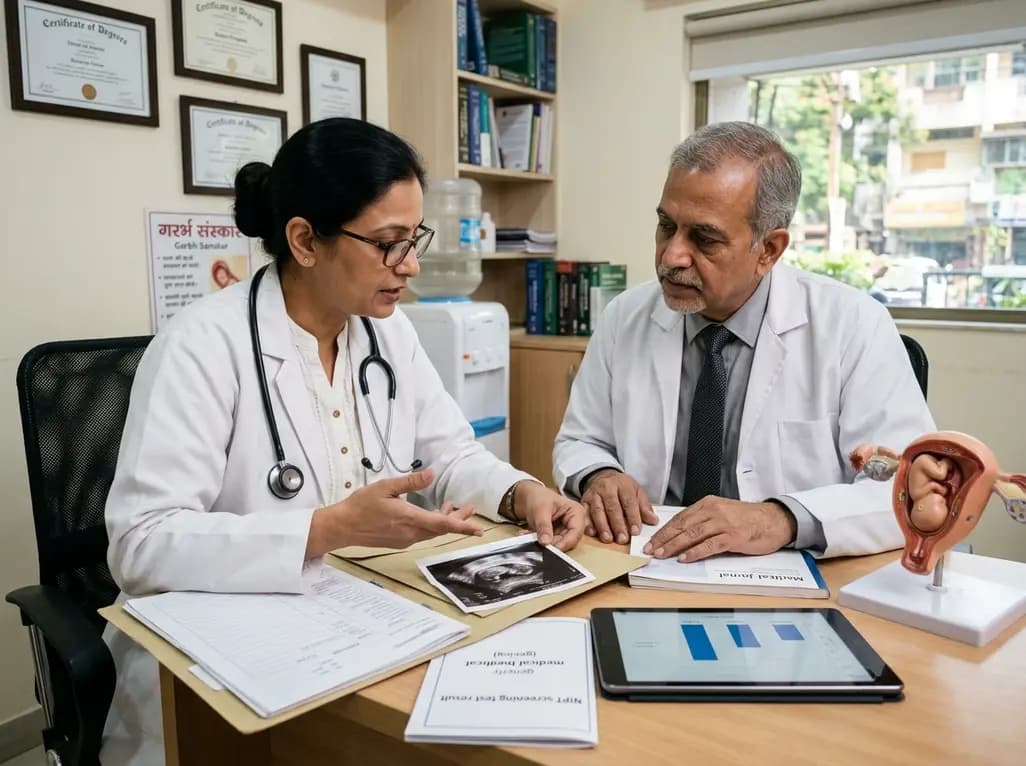
A large retrospective study evaluates the screening accuracy, positive predictive value, and test failure rates of noninvasive prenatal testing (NIPT) in assisted reproductive technology (ART) pregnancies compared to spontaneous conceptions, highlighting key considerations for pretest counseling.
Today
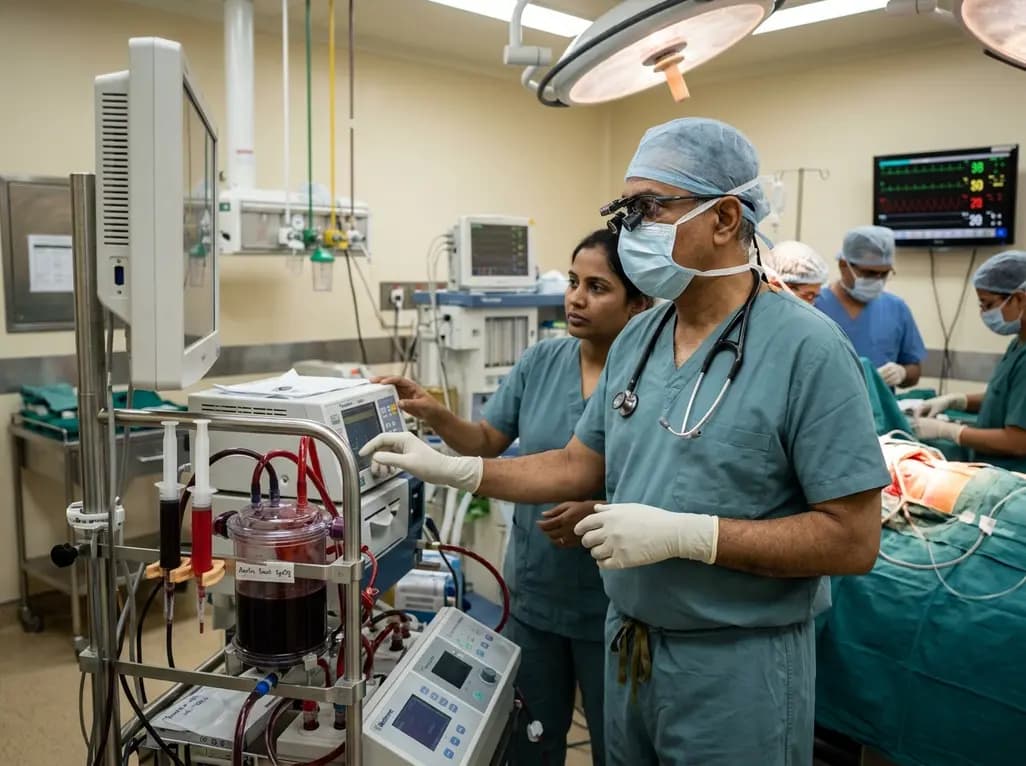
Differential oxygenation during peripheral TA-NRP can cause undetected coronary hypoxemia due to arch vessel clamping. A novel circuit with continuous aortic root monitoring detects desaturation early, facilitating left ventricular unloading and preventing allograft dysfunction and unnecessary heart discard.
Today
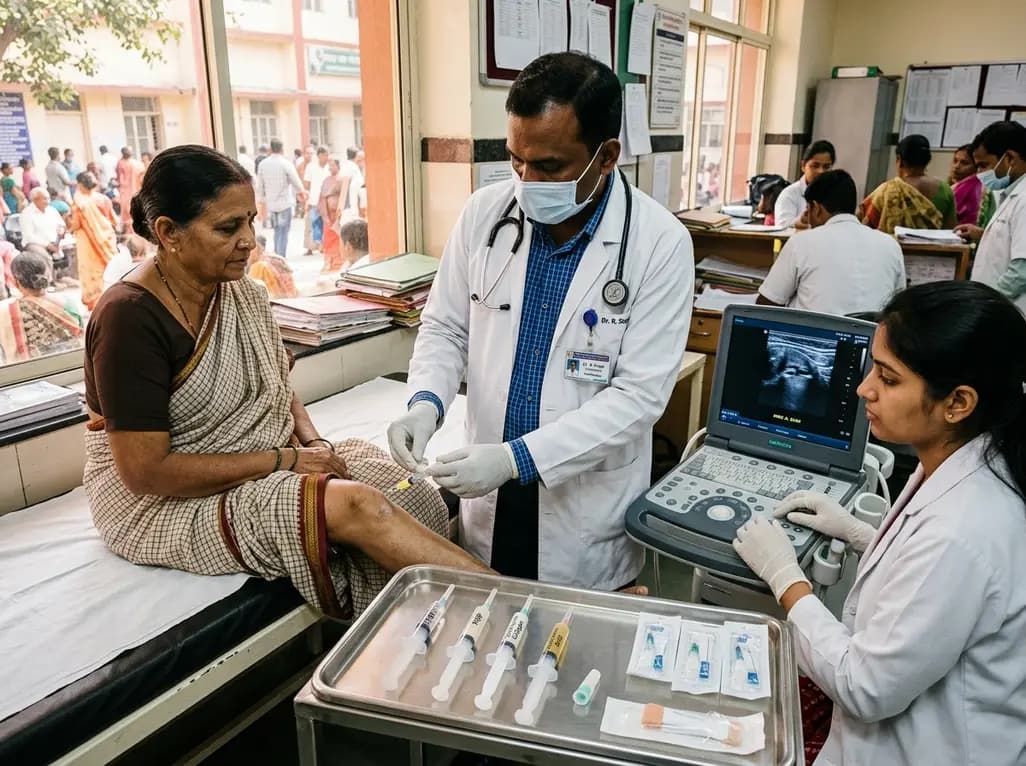
A randomized controlled trial compared ultrasound-guided intra-articular injections of PRP, hydrolyzed type I collagen, and hyaluronic acid in knee osteoarthritis. All therapies demonstrated significant improvements in WOMAC and pain scores at six months, supporting hydrolyzed collagen as a viable biological option.
Today

A scoping review evaluates 116 studies on AI in women's reproductive health, finding that 83.6% carry high risk of bias. While ensemble models show promise, disparities and lack of validation hinder LMIC deployment.
Today
