.webp&w=384&q=75)

Loading, please wait...
Loading, please wait...
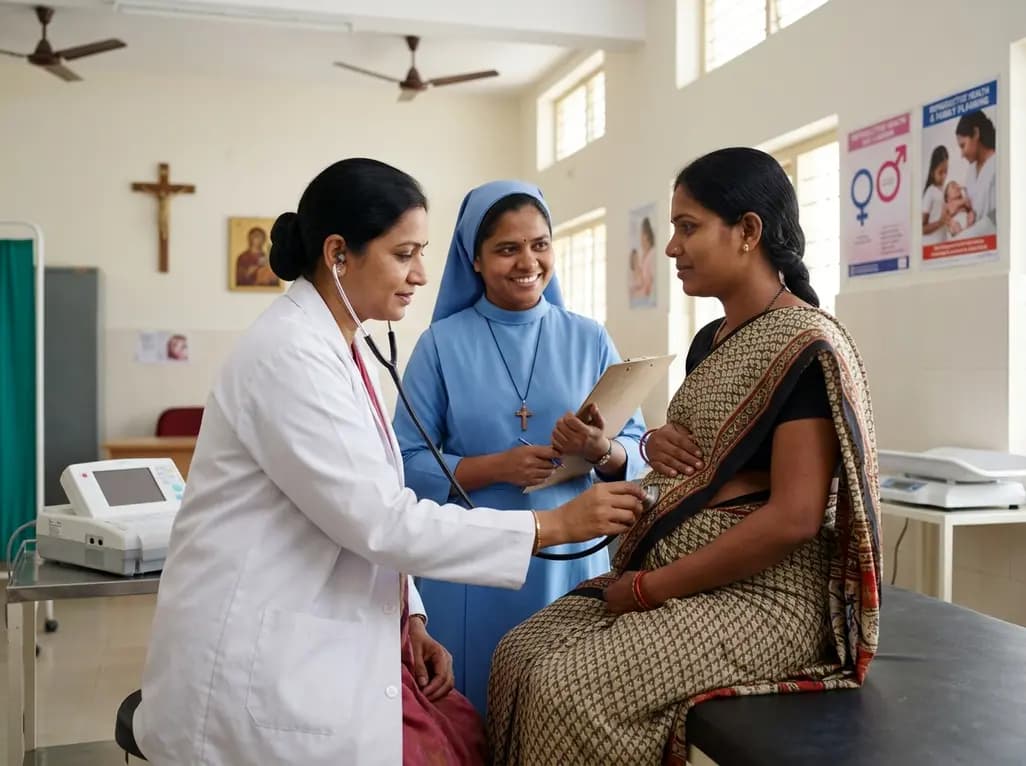
Faith-based healthcare services play a vital role in providing sexual and reproductive health care. Moreover, these groups reach disadvantaged populations effectively because of their strong social presence. Indeed, they possess high legitimacy and a long-standing track record in the global South. However, religious imperatives sometimes conflict with government policies. Specifically, gaps often appear in rights-based programming regarding selected service ranges. Furthermore, certain gender norms might cause exclusions within these clinical settings. Consequently, accountability can become a challenge for integrated social services.
Nevertheless, these services remain essential to complement government efforts. Therefore, upcoming aid reforms focus on creating robust public-private partnerships. Additionally, such initiatives might resolve the chronic lack of resources facing these institutions. Thus, collaboration between the state and faith-based sectors is the future of resilient health systems. In addition, better alignment ensures that rights-based programs reach those most in need. Meanwhile, policy shifts continue to evolve to accommodate diverse provider backgrounds. As a result, service delivery improves for the most vulnerable communities.
They fill critical gaps in government services, especially for marginalized populations in rural areas, by leveraging their local legitimacy.
The main challenges include aligning traditional religious values with government rights-based policies and securing sustainable funding through new aid models.
Disclaimer: This content is for informational and educational purposes only and does not constitute medical advice or a professional recommendation. Refer to the latest local and national guidelines for clinical practice.
References
Edouard L et al. Provision of faith-based services: challenges and opportunities. Afr J Reprod Health. 2026 Jun 11. doi: undefined. PMID: 42273801.
UNFPA. (2021). Engaging Faith-Based Organizations in Sexual and Reproductive Health. New York: United Nations Population Fund.
World Bank. (2020). Public-Private Partnerships for Health in the Global South. Washington, DC: World Bank Group.

Read summarized clinical updates, watch expert medical content, and earn CME certifications right from your smartphone.
Open your smartphone camera to scan and install.





Faith-based healthcare services are crucial for reproductive care in the global South, despite challenges in aligning religious values with government policies. Imminent reforms in official development aid and public-private partnerships offer a path forward for these essential social services.
4 months ago

A recent study demonstrates that spinal oxygen sensors do not require mitochondrial electron transport to trigger sympathetic excitation during acute hypoxia, revealing new insights into how mitochondrial oxidative stress modulates autonomic tone in cardiovascular and neurological diseases.
Today
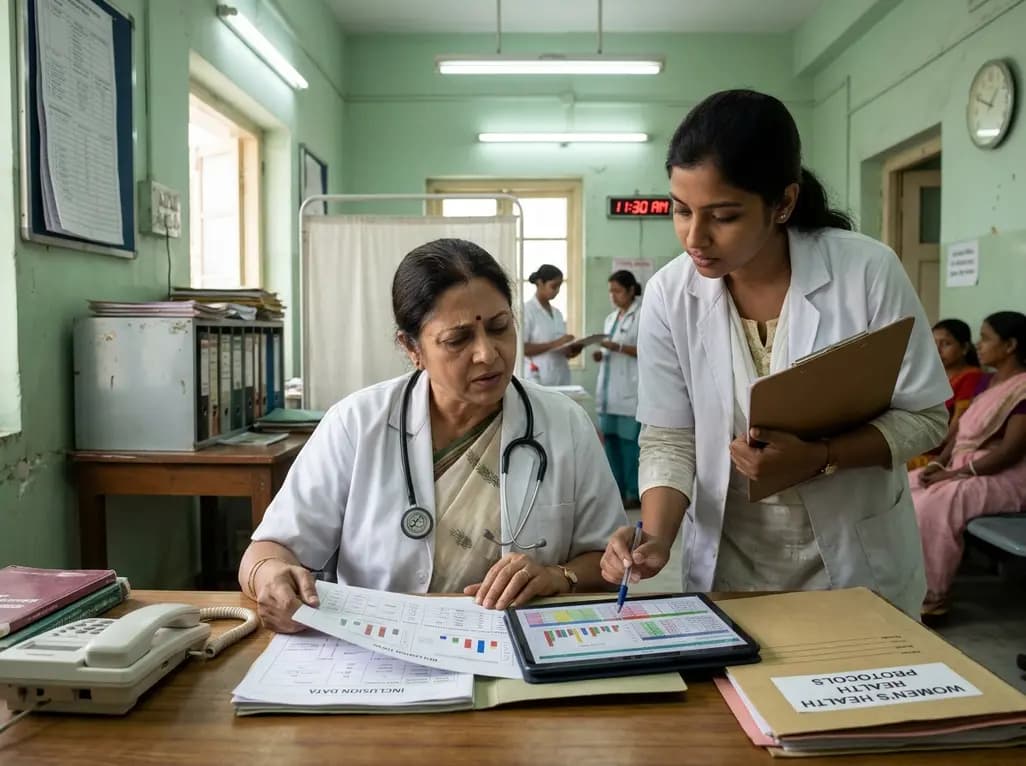
Demanding exhaustive hormonal profiling can inadvertently discourage clinical studies involving females. Methodological standards must align with the specific scientific question to expand, not restrict, equitable evidence for women.
Today

The Directorate General of Health Services directs Indian states to halt the hazardous reuse and reprocessing of single-use medical devices. Discover regulatory implications under the Drugs and Cosmetics Act, critical infection risks, legal liabilities, and operational changes required across clinical specialties.
Today

A novel calcium polyphosphate coacervate enables injectable bone implants with in situ hierarchical porosity via phase separation and gas foaming, significantly enhancing cell proliferation, energy metabolism, and osteogenic differentiation for minimally invasive bone defect repair.
Today

Following regulatory scrutiny from FSSAI regarding promotional representations and lean muscle preservation claims, Dr. Reddy's Laboratories and Nestlé Health Science are currently reviewing the branding and marketing strategy for their joint nutritional supplement Celevida GLP+.
Today
