.webp&w=384&q=75)

Loading, please wait...
Loading, please wait...

The recent announcement of the NEET UG 2026 cancellation has sent shockwaves through the medical community. Consequently, the Federation of All India Medical Association (FAIMA) has stepped forward to support the affected aspirants. FAIMA emphasizes that systemic negligence must not compromise the future of dedicated students. Furthermore, they demand immediate accountability for the alleged paper leaks that led to this decision. This support comes at a critical time when lakhs of students feel betrayed by the examination system.
Dr. Mohammad Momin Khan of FAIMA described the current situation as absolutely shameful. He highlighted that honest students often study for years, yet paper leak mafias disrupt their hard-earned progress. Because of these serious integrity concerns, the National Testing Agency (NTA) decided to re-conduct the examination. Moreover, the government has now referred the entire matter to the Central Bureau of Investigation (CBI) for a thorough probe. This action aims to uncover the depth of the irregularities found during the initial exam cycle.
Additionally, student protests have erupted across various cities including New Delhi. Many students believe that a re-exam unfairly penalizes those who performed honestly. However, the government maintains that a fresh test is necessary to ensure a fair selection process for all candidates. Meanwhile, the NTA will notify the new dates for the undergraduate entrance test separately. Therefore, students must prepare for a second attempt while demanding a more secure and transparent testing environment.
Q1: Why was the NEET UG 2026 examination cancelled?
The exam was cancelled due to allegations of paper leaks and systemic irregularities. Law enforcement agencies shared findings that suggested the integrity of the examination process was severely compromised.
Q2: Who is investigating the NEET UG paper leak allegations?
The central government has officially referred the matter to the Central Bureau of Investigation (CBI) to conduct a comprehensive probe into the alleged leaks and mafias.
Disclaimer: This content is for informational and educational purposes only. It does not constitute medical advice or replace professional judgment. Refer to the latest local and national guidelines for clinical practice.
References

Read summarized clinical updates, watch expert medical content, and earn CME certifications right from your smartphone.
Open your smartphone camera to scan and install.





FAIMA supports NEET aspirants after the 2026 exam cancellation due to paper leaks, demanding strict accountability and a CBI investigation....
5 months ago
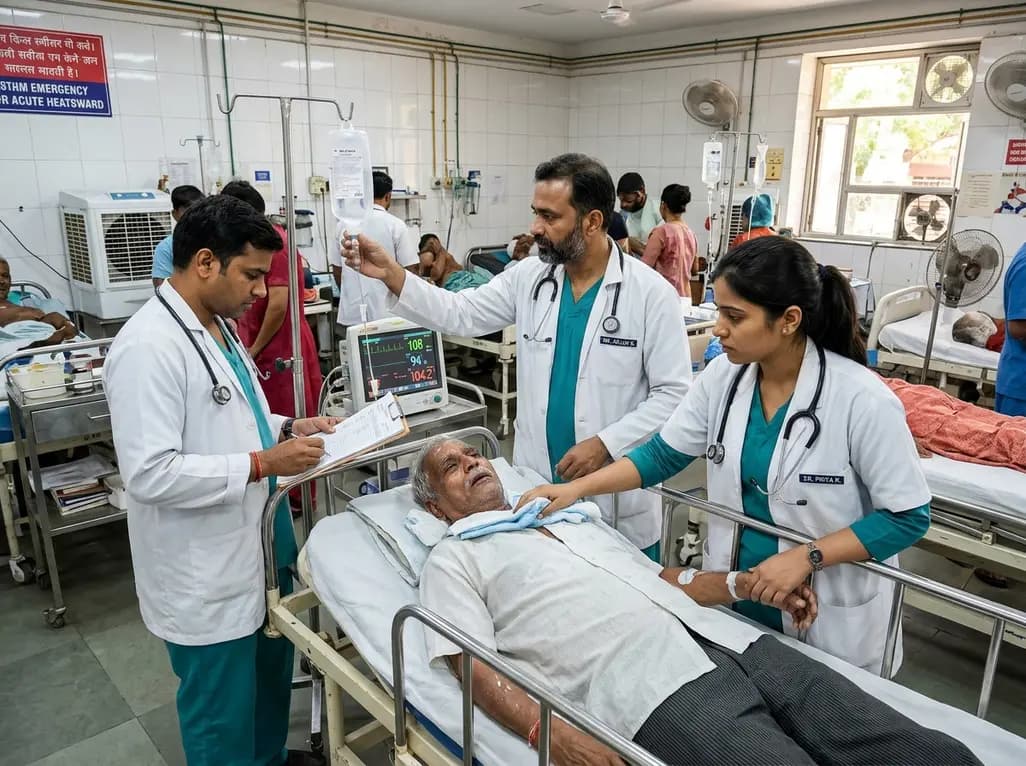
Recent epidemiological data reveals a dramatic surge in summer heat mortality driven by human-induced climate warming. This analysis explores the pathophysiological impacts on cardiac and renal systems, diagnostic dilemmas in death certification, and essential emergency cooling protocols for acute clinical care.
Today

Odisha has established India's first state-level clinical protocol specifically tailored for pregnant women with sickle cell disease. Developed with NHM and UNICEF, the framework provides structured antenatal screening, crisis mitigation, standardized referral pathways, and specialized interdisciplinary care.
Today

India is advancing preventive healthcare by integrating genomics, artificial intelligence, and quantum technologies. With the SANGAM programme sequencing one million Indian genomes, clinicians can unlock personalized therapies, detect cardiometabolic risks early, and curb the burden of diabetes and heart disease.
Today
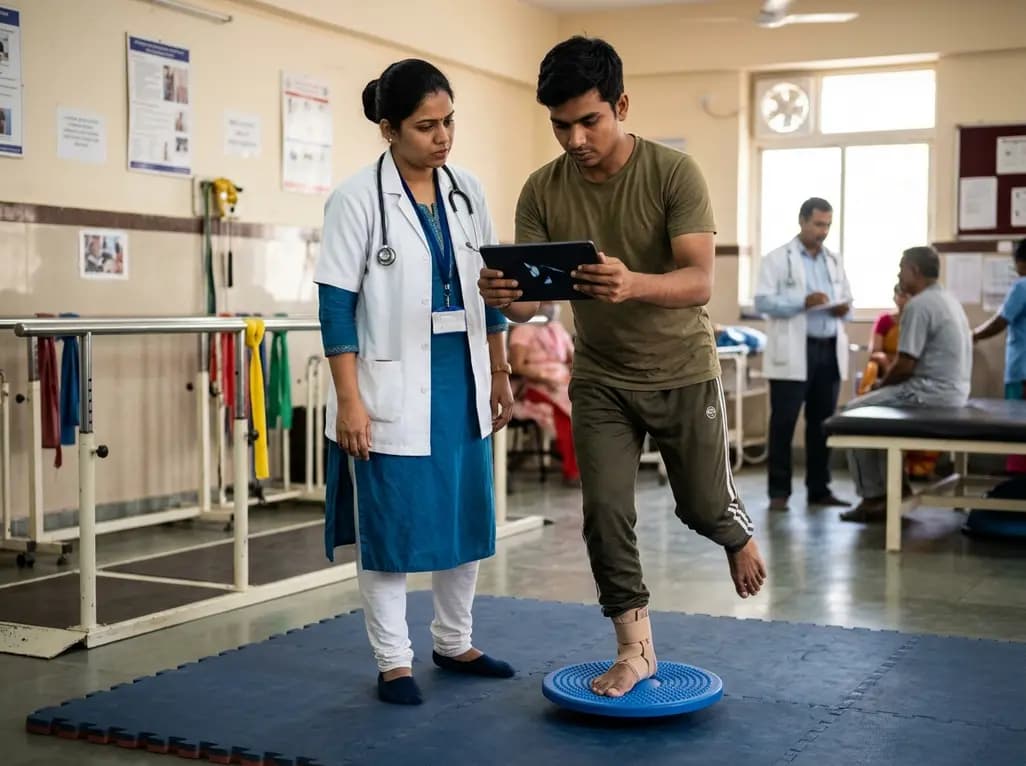
A randomized controlled trial demonstrates that an eight-week dual-task training intervention significantly improves static and dynamic postural control over standard balance exercises in individuals with chronic ankle instability, addressing critical neurocognitive deficits during athletic and daily activities.
Today

A retrospective cohort study of 7,716 ICU patients from the MIMIC-IV database demonstrates that Gradient Boosting Decision Trees significantly outperform traditional SOFA scores in predicting in-hospital mortality among patients with sepsis and diabetes, with SHAP analysis providing clinical interpretability.
Today
