.webp&w=384&q=75)

Loading, please wait...
Loading, please wait...
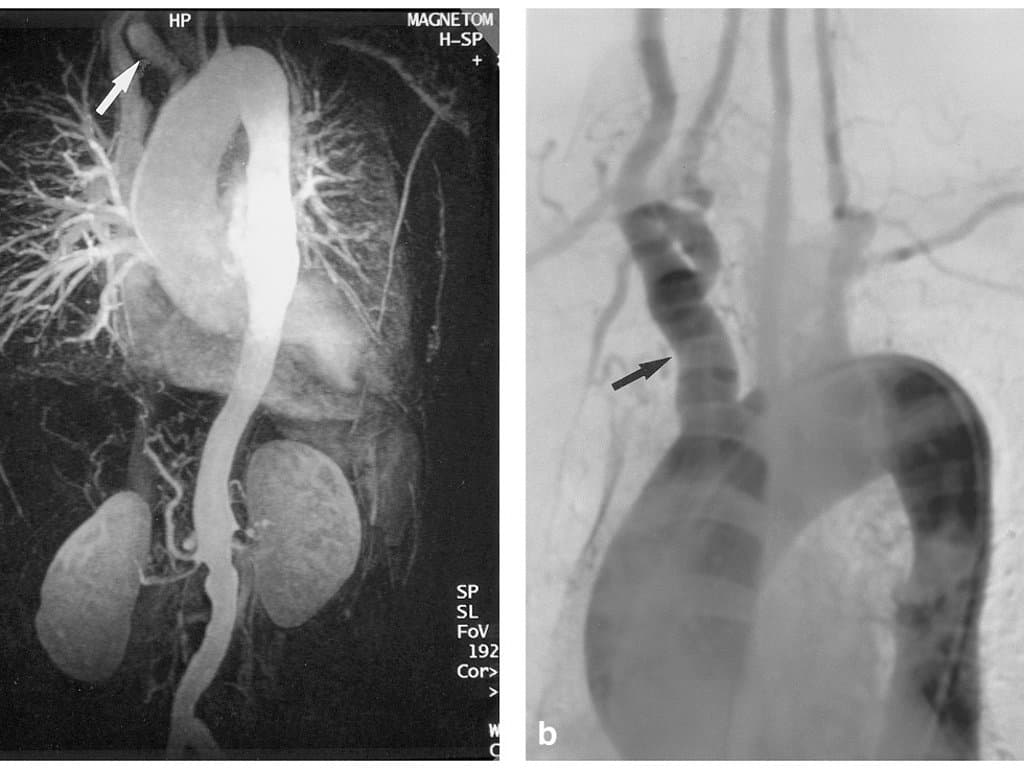
Researchers analyzed factors associated with cardiovascular events in 702 patients with Takayasu arteritis (TAK). Key risk factors included older age at diagnosis, diagnostic delay, pulselessness, pulmonary hypertension, aortic regurgitation, and elevated ESR. A prediction model was developed with good performance and calibration. TAK patients have a high cardiovascular event risk, and these factors are crucial for risk stratification.

Read summarized clinical updates, watch expert medical content, and earn CME certifications right from your smartphone.
Open your smartphone camera to scan and install.





Researchers analyzed factors associated with cardiovascular events in 702 patients with Takayasu arteritis (TAK). Key risk factors included older age at diagnosis, diagnostic delay, pulselessness, pulmonary hypertension, aortic regurgitation, and elevated ESR. A prediction model was developed with good performance and calibration. TAK patients have a high cardiovascular event risk, and these factors are crucial for risk stratification.
5 months ago

A multicenter study from Southeastern Türkiye identified rare alpha-1 antitrypsin deficiency variants, including the homozygous Malton genotype, among COPD patients. Half were never-smokers, highlighting the critical need for comprehensive genetic screening beyond common S and Z alleles.
Today
A comprehensive scoping review synthesises evidence linking prenatal maternal mental health to long-term offspring neurodevelopment, evaluating neuroendocrine, inflammatory, and epigenetic pathways while highlighting clinical screening and future research priorities.
Today

The Directorate General of Health Services directs Indian states to halt the hazardous reuse and reprocessing of single-use medical devices. Discover regulatory implications under the Drugs and Cosmetics Act, critical infection risks, legal liabilities, and operational changes required across clinical specialties.
Today
A 25-year multi-institutional cohort reveals high recurrence rates in pediatric giant cell tumor of bone, particularly in patients with open physes and bone marrow edema on preoperative MRI. Early surveillance and careful balance between growth plate preservation and tumor clearance are essential.
Today

India is advancing preventive healthcare by integrating genomics, artificial intelligence, and quantum technologies. With the SANGAM programme sequencing one million Indian genomes, clinicians can unlock personalized therapies, detect cardiometabolic risks early, and curb the burden of diabetes and heart disease.
Today
