.webp&w=384&q=75)

Loading, please wait...
Loading, please wait...
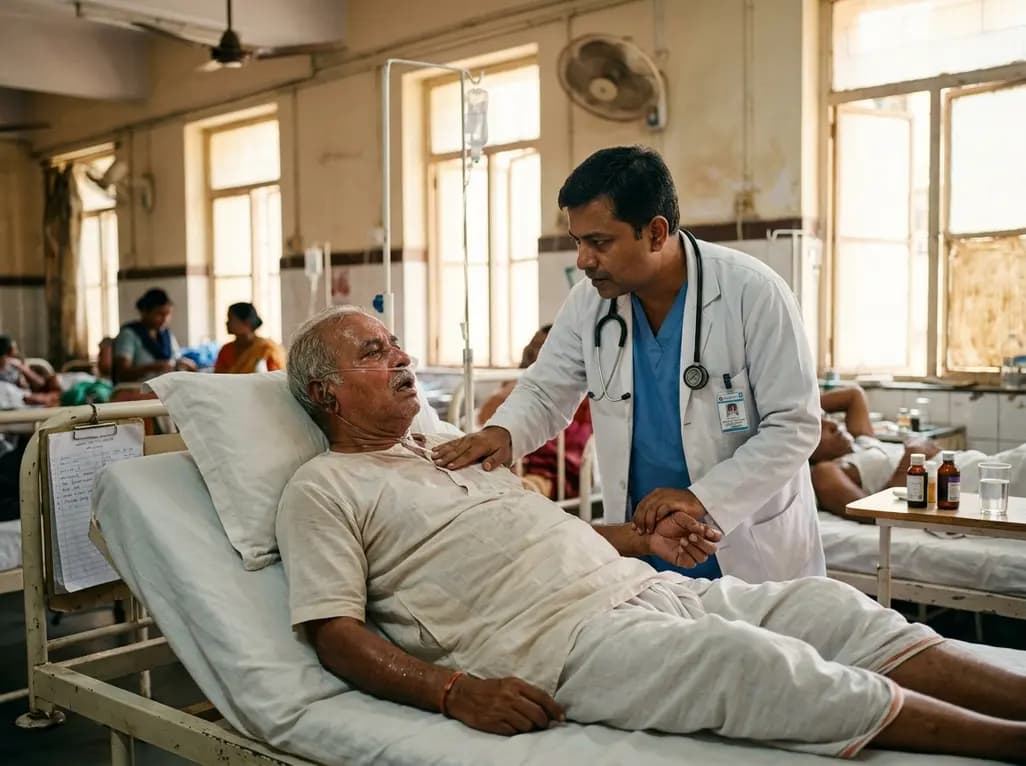
Indeed, recent clinical data from Europe highlights the devastating impact of rising global temperatures on public health, revealing over ten thousand excess deaths during a single week of extreme summer weather. Consequently, analyzing extreme heat health risks has become a vital duty for medical professionals worldwide. In fact, the vast majority of these fatalities occurred among individuals aged sixty-five and older. Specifically, this demographic remains highly susceptible to extreme thermal stress due to physiological changes and pre-existing chronic conditions. Physiologically, aging diminishes thermoregulatory efficiency. This occurs because aging cardiovascular systems struggle to increase cardiac output and sweat production. Therefore, older patients cannot dissipate heat as efficiently as younger individuals, which increases their risk of severe heat stroke. Furthermore, cognitive impairments or social isolation can worsen these vulnerabilities. Consequently, elderly patients may not recognize dehydration in time. In addition, medical professionals must proactively assess these environmental threats, particularly for patients with compromised physical reserves. By identifying high-risk individuals before temperatures spike, clinicians can implement targeted interventions and prevent avoidable mortality. Ultimately, understanding these physical vulnerabilities is the first step toward building resilient community care models during extreme environmental crises.
To begin with, when environmental temperatures climb to dangerous levels, the human body initiates profound hemodynamic adjustments to maintain core homeostasis. Specifically, cutaneous vasodilation occurs to facilitate heat dissipation, which demands a massive increase in cardiac output. However, for patients with heart disease, this increased workload can precipitate acute coronary syndromes or severe arrhythmias. Consequently, cardiorespiratory failure represents a major cause of excess mortality during severe heatwaves. Additionally, extreme heat directly affects the respiratory system by aggravating chronic obstructive pulmonary disease and severe asthma. Indeed, inhalation of hot air triggers bronchoconstriction. Furthermore, elevated temperatures often coincide with high ground-level ozone. Consequently, these environmental pollutants irritate sensitive airways, leading to severe inflammatory responses and respiratory distress. Therefore, clinicians must closely monitor vulnerable patients during hot weather. Moreover, clinicians must recognize that heat-induced strain extends far beyond simple heat exhaustion. Furthermore, pharmacotherapy can compound these risks. For instance, beta-blockers and diuretics often impair normal thermoregulation and fluid balance. Ultimately, educating patients about these physiological interactions is vital to preventing acute emergency admissions when temperatures soar.
Clearly, effective clinical management of heat-induced pathologies requires rapid recognition and decisive action, particularly when treating geriatric patients. First, when a vulnerable patient presents with hyperthermia, clinicians must quickly differentiate between heat exhaustion and classical heat stroke. In detail, classical heat stroke is a medical emergency. It features a core temperature exceeding forty degrees Celsius and severe central nervous system dysfunction. Elderly patients often present with atypical symptoms like acute confusion. Consequently, a high index of clinical suspicion is absolutely essential. Concurrently, initial therapy focuses on rapid cooling. This includes evaporative cooling with lukewarm water and placing ice packs on high-flow vascular areas. In addition, clinicians must manage fluid and electrolyte balances with extreme caution. Specifically, intravenous hydration must be carefully titrated. This avoids fluid overload, which easily precipitates acute congestive heart failure in patients with poor cardiac reserve. Furthermore, clinicians must closely monitor secondary complications in intensive care. These include acute kidney injury, rhabdomyolysis, and systemic coagulation disorders. Ultimately, rapid diagnosis coupled with careful hemodynamic stabilization remains the cornerstone of reducing mortality in these critical situations.
Undoubtedly, addressing the rise in heat-related deaths requires a comprehensive approach that bridges clinical practice and proactive public health strategies. For example, medical institutions should participate in warning systems. This helps protect vulnerable communities before extreme weather events occur. In practice, hospitals can establish rapid-response cooling centers and expand emergency department capacity during forecasted heatwaves. Additionally, primary care clinics can utilize existing patient registries. This crucial system allows them to quickly contact high-risk individuals and verify their immediate access to proper cooling. Moreover, public health campaigns must educate the general population on heat dangers. They must emphasize checking on vulnerable elderly neighbors. Furthermore, long-term urban planning initiatives must address the "urban heat island" effect by expanding green spaces and improving building insulation. In clinical settings, doctors should systematically review medications that affect fluid balance or thermoregulation during seasonal transitions. By integrating these preventative strategies into daily practice, healthcare systems can build a robust safety net for vulnerable populations. Ultimately, clinical vigilance combined with community action is highly effective. It remains our best defense against climate-induced thermal stress.
Importantly, the escalating frequency and severity of heatwaves provide undeniable evidence of climate change as an urgent public health crisis. Indeed, as global temperatures continue to rise, the intersection of environmental science and geriatric medicine will become increasingly critical. Consequently, medical professionals must adapt their clinical paradigms. They must anticipate recurrent environmental challenges instead of treating them as isolated emergencies. For instance, clinicians should incorporate climate vulnerability assessments into routine exams. This identifies patients lacking cooling systems at home. Additionally, clinical research must focus on identifying biomarkers of heat stress and optimizing hydration protocols for frail older adults. Furthermore, healthcare systems must invest in sustainable infrastructure. This ensures that hospitals and nursing homes remain operational during power grid failures. Moreover, professional medical associations should advocate for policies that address climate change as a core determinant of health. By championing these systemic changes, the medical community can help protect the most vulnerable members of society from environmental harm. Ultimately, addressing these challenges requires a major paradigm shift. We must recognize environmental health as a component of comprehensive patient care.
Q1: Why are older adults more vulnerable to extreme heat health risks?
Older adults are highly vulnerable because aging reduces the body's thermoregulatory efficiency. Specifically, their cardiovascular systems struggle to increase output and sweat glands become less active, limiting heat dissipation. Additionally, many seniors have pre-existing chronic conditions, such as cardiovascular or respiratory disease, which are severely exacerbated by thermal stress. Cognitive changes or social isolation also make it difficult for them to take timely preventive actions during extreme weather.
Q2: How does extreme heat affect cardiovascular health?
Extreme heat forces the body to dilate blood vessels in the skin to lose heat, which significantly increases cardiac output and workload. For patients with underlying coronary artery disease or heart failure, this sudden cardiovascular strain can trigger acute myocardial infarction, arrhythmias, or acute decompensation. Consequently, cardiovascular failure is one of the leading causes of excess mortality observed during severe regional heatwaves.
Q3: What medications can increase a patient's risk during a heatwave?
Several common medications can impair the body's natural response to heat. For example, diuretics increase the risk of dehydration and electrolyte imbalances, while beta-blockers reduce cardiac output and limit cutaneous vasodilation. Additionally, anticholinergics can inhibit sweating, making it much harder for patients to cool down. Clinicians should carefully review these prescriptions and educate patients on proper hydration and heat safety.
Disclaimer: This content is for informational and educational purposes only. It does not constitute medical advice or replace professional judgment. Refer to the latest local and national guidelines for clinical practice.
References

Read summarized clinical updates, watch expert medical content, and earn CME certifications right from your smartphone.
Open your smartphone camera to scan and install.





Following a devastating heatwave in Europe that caused over 10,000 excess deaths, this article analyzes the cardiovascular and respiratory complications of heat stress in elderly patients, offering practical clinical strategies for risk mitigation, medication management, and public health interventions.
3 months ago

Discover the crucial role of glymphatic dysfunction in stroke, where perivascular clearance failure and neuroinflammation exacerbate cerebral edema and post-stroke brain injury.
Today

A prenatal case highlights severe glutaric acidemia type II presenting as bilateral hyperechoic cystic kidneys at 18 weeks. Whole-exome sequencing revealed a novel homozygous ETFDH frameshift variant, demonstrating the power of rapid genetic testing in fetal renal anomalies.
Today

Review how tailored exercise programs benefit frail older patients with heart failure. Explore pathophysiological mechanisms, individualized training prescriptions, and strategies to overcome adherence barriers in clinical practice.
Yesterday

This comparative study evaluates posterior labral tears with and without glenohumeral instability, highlighting distinct demographic patterns, MRI underestimation in stable shoulders, and successful arthroscopic repair outcomes.
Yesterday

A clinical study demonstrates that early intervention with tocilizumab, either as monotherapy or bridged with corticosteroids, achieves significant proptosis reduction and resolves active inflammation in treatment-naive thyroid eye disease.
Yesterday
