

Loading, please wait...
Loading, please wait...

Depressive disorders among community-dwelling older adults present an escalating clinical challenge in geriatric medicine. Late-life depression often coexists with chronic physical illness, social isolation, and progressive cognitive decline. Furthermore, standard pharmacological treatments frequently cause adverse drug interactions, sedation, and increased fall risks in vulnerable seniors. Consequently, healthcare providers actively seek safe, accessible, and non-pharmacological care options. A structured expressive arts intervention provides an innovative pathway to transform psychological distress into creative expression. By engaging seniors through diverse creative modalities, community programs promote emotional resilience, foster social connection, and restore personal meaning.
Geriatric depression frequently presents atypically with vague somatic complaints, psychomotor retardation, sleep disturbances, and executive dysfunction. Therefore, primary care clinicians often struggle to differentiate depressive symptoms from dementia or normal aging. In addition, social determinants such as bereavement, reduced mobility, and retirement loss intensify psychological distress among community-dwelling seniors.
Although antidepressants remain standard therapy, their real-world clinical utility has substantial limitations. For example, older adults experience heightened susceptibility to drug toxicity, anticholinergic side effects, and orthostatic hypotension. Moreover, persistent cultural stigma surrounding psychiatric illness prevents many elderly patients from seeking conventional mental healthcare. Thus, pharmacotherapy alone cannot resolve the profound existential loneliness and loss of purpose common in late life. To address these systemic gaps, clinicians must integrate community-based approaches that offer gentle emotional release without medicalizing natural grief. Structured non-pharmacological programs fulfill this vital role by creating secure spaces for mutual validation and emotional renewal.
An expressive arts intervention combines painting, movement, music, drama, and narrative reflection into a unified therapeutic framework. Unlike technical art instruction, this clinical process emphasizes spontaneous emotional discovery rather than aesthetic perfection. Consequently, older adults access deep emotional experiences that conventional verbal psychotherapies cannot easily uncover.
Neurobiological studies suggest that multimodal artistic activities stimulate neuroplasticity and promote sensory-motor integration across aging cerebral networks. Specifically, creative exploration triggers positive neurochemical release, reduces autonomic hyperarousal, and lowers circulating stress hormones. Furthermore, the kinesthetic handling of artistic materials reinforces grounding and somatic awareness. Simultaneously, group creative sessions actively dismantle social isolation by establishing shared narrative environments. As participants watch peers articulate personal challenges through art, they experience profound mutual empathy and emotional relief. Therefore, this communal dynamic diminishes loneliness, strengthens interpersonal bonds, and enhances psychological resilience. Ultimately, creative expression empowers older adults to reclaim self-worth and regain personal agency during major life transitions.
Recent empirical research demonstrates the clinical efficacy of community arts initiatives in older populations. In a comprehensive mixed-methods study conducted in Hong Kong, investigators evaluated an eight-week program delivered to 915 community-dwelling older adults. Each participant exhibited mild to moderate depressive symptoms at baseline.
Following program completion, quantitative assessments revealed substantial improvements across several standardized psychological measures. Notably, older adults experienced a profound reduction in depressive symptoms, demonstrated by an impressive effect size of d = 0.91. Furthermore, participants achieved significant gains in spiritual well-being, overall quality of life, and specific daily functioning domains. Qualitative focus group interviews reinforced these quantitative findings. Specifically, participants reported elevated daily optimism, reduced bodily discomfort, and meaningful resolution of unresolved grief. In addition, participants described the creative process as empowering and socially liberating. Importantly, the program recorded zero adverse events, proving that creative community interventions provide safe, potent non-pharmacological relief for late-life depression.
A key strength of this large-scale initiative lies in its innovative train-the-trainer framework. Rather than relying solely on scarce licensed art therapists, researchers trained 84 frontline healthcare workers as community ambassadors. These healthcare professionals completed targeted modules on expressive art facilitation, emotional boundary maintenance, and group dynamics before delivering the eight-week program.
Remarkably, the healthcare ambassadors demonstrated a significant increase in their own professional self-efficacy, achieving an effect size of d = 0.53. Furthermore, multilevel statistical modeling revealed that increases in ambassador self-efficacy exerted significant indirect benefits on older adults' depressive symptoms and quality of life. Specifically, this positive transfer operated primarily through enhancements in participants' spiritual well-being. When healthcare workers feel confident and pedagogically prepared, they cultivate therapeutic spaces anchored in genuine empathy and safety. Consequently, older adults mirror this emotional security, engaging more deeply with the expressive exercises. Thus, this scalable framework expands community mental health capacity while simultaneously protecting frontline staff against professional burnout.
Translating expressive arts programs into routine primary care and community medicine offers tremendous public health advantages. Many healthcare systems encounter severe shortages of mental health specialists, making traditional psychiatric referrals difficult and expensive. Therefore, embedding expressive arts into primary healthcare centers, adult day facilities, and community senior clubs provides a scalable solution.
Primary care physicians can routinely screen community-dwelling seniors for mild depressive symptoms and recommend social prescribing programs. Moreover, clinical teams can easily adapt artistic activities to fit diverse cultural traditions and physical capabilities. For instance, facilitators can modify tasks for older adults with severe arthritis, visual impairments, or mild cognitive deficits. In addition, strong partnerships between clinical teams and community organizations ensure sustainable patient recruitment and longitudinal health tracking. As global healthcare shifts toward integrated, person-centered frameworks, non-pharmacological arts programs bridge the critical gap between medical clinics and daily life. Consequently, physicians can optimize mental health outcomes while substantially curbing inappropriate polypharmacy in older patients.
An expressive arts intervention emphasizes personal emotional processing, spontaneous creativity, and symbolic reflection rather than technical artistic competence or aesthetic perfection. While standard art classes focus on acquiring specific techniques and producing polished visual pieces, therapeutic arts programs prioritize the internal psychological journey. Facilitators establish a non-judgmental space where participants explore difficult emotions, traumatic experiences, and existential challenges, thereby transforming artistic expression into a clinically validated tool for emotional healing and self-discovery.
Yes, frontline healthcare professionals can safely facilitate these interventions when supported by structured train-the-trainer curricula. Training prepares staff to handle group dynamics, maintain psychological safety, and guide reflective discussions while recognizing clinical boundaries. Rather than conducting intensive psychodynamic therapy, trained ambassadors facilitate supportive creative expression. Furthermore, this collaborative approach significantly enhances healthcare workers' self-efficacy, prevents occupational burnout, and expands mental health access across diverse community-dwelling older populations without compromising patient safety or therapeutic fidelity.
Community-dwelling older adults experiencing mild to moderate depressive symptoms, chronic loneliness, bereavement, or adjustment difficulties benefit most from expressive arts programs. Additionally, seniors who exhibit significant resistance or contraindications to antidepressant pharmacotherapy find these programs exceptionally advantageous. Facilitators can readily adapt creative activities for individuals with sensory impairments, mild cognitive deficits, or limited physical mobility, ensuring broad therapeutic accessibility and providing an effective non-pharmacological bridge within community-based geriatric care models.
Disclaimer: This content is for informational and educational purposes only. It is not intended to be a substitute for professional medical advice, diagnosis, or treatment. Always seek the advice of your physician or other qualified health provider with any questions you may have regarding a medical condition. Refer to the latest local and national guidelines for clinical practice.
References

Read summarized clinical updates, watch expert medical content, and earn CME certifications right from your smartphone.
Open your smartphone camera to scan and install.





A community-based expressive arts program using a train-the-trainer model significantly alleviated depressive symptoms and enhanced spiritual well-being and quality of life in over 900 older adults, offering a scalable, non-pharmacological pathway for geriatric mental health.
Today
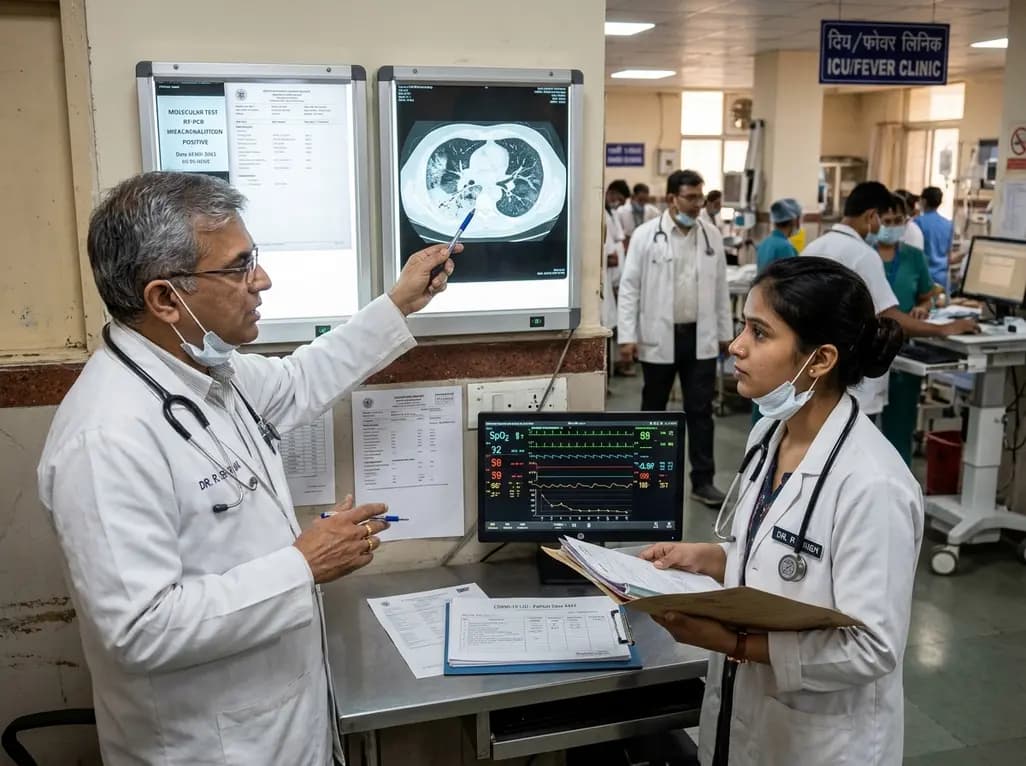
Understanding the distinction between viral detection and disease measurement is crucial. COVID-19 highlights how viral presence, host immunity, and thromboinflammation differ, urging clinicians to look beyond isolated molecular tests toward comprehensive multi-system pathophysiological monitoring.
Today
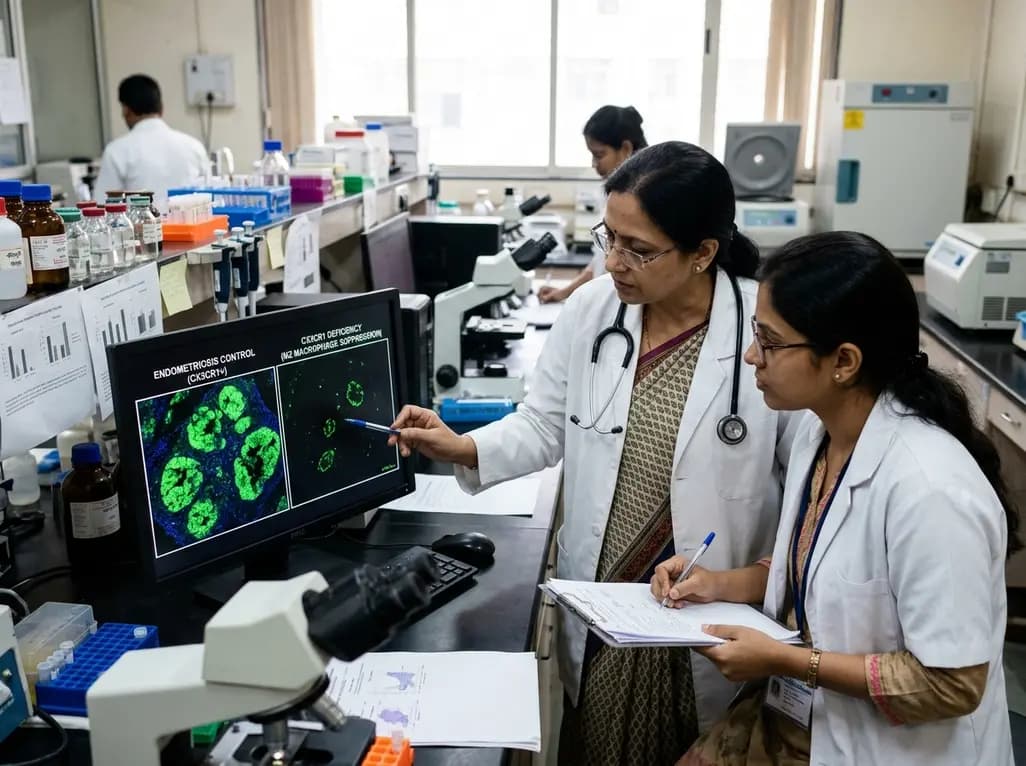
Groundbreaking experimental research demonstrates that CX3CR1 deficiency significantly attenuates endometriotic lesion growth by suppressing pro-repair M2 macrophage polarization. This discovery identifies the CX3CL1-CX3CR1 chemokine axis as a promising non-hormonal target for managing chronic endometriosis.
Today
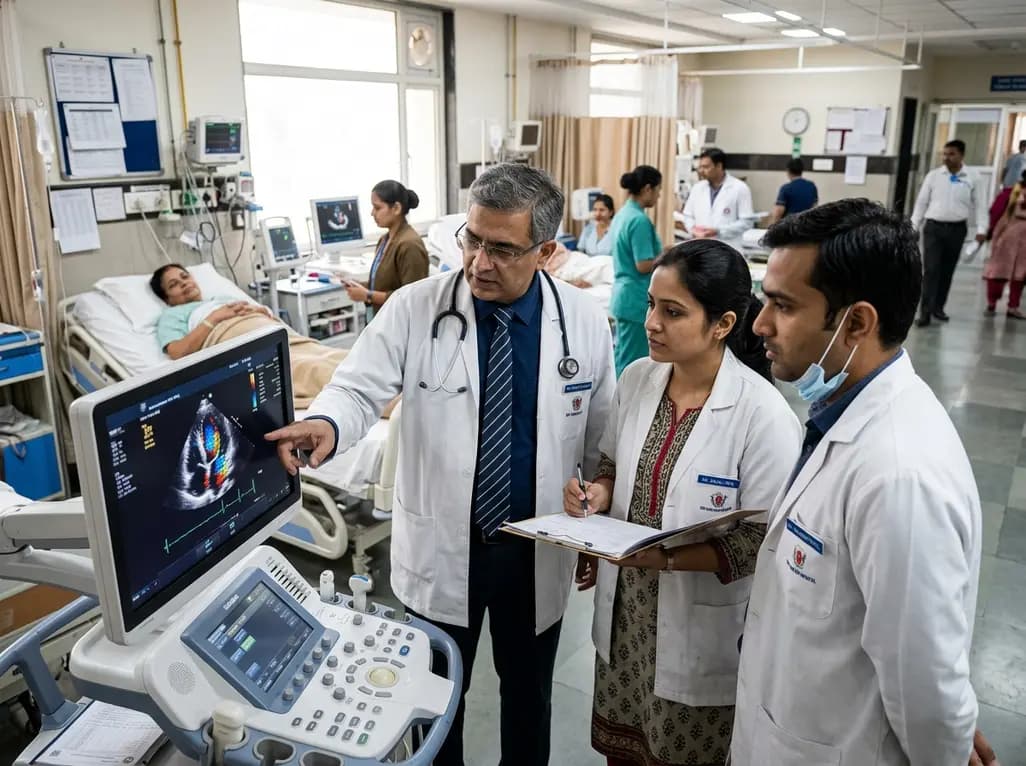
Mayo Clinic trials and real-world datasets show GLP-1 receptor agonists improve left ventricular remodeling, reduce intracardiac filling pressures, decrease hospitalizations by 34%, and lower geriatric fall risks in patients with obesity and heart failure, delivering notable clinical and economic benefits.
Today
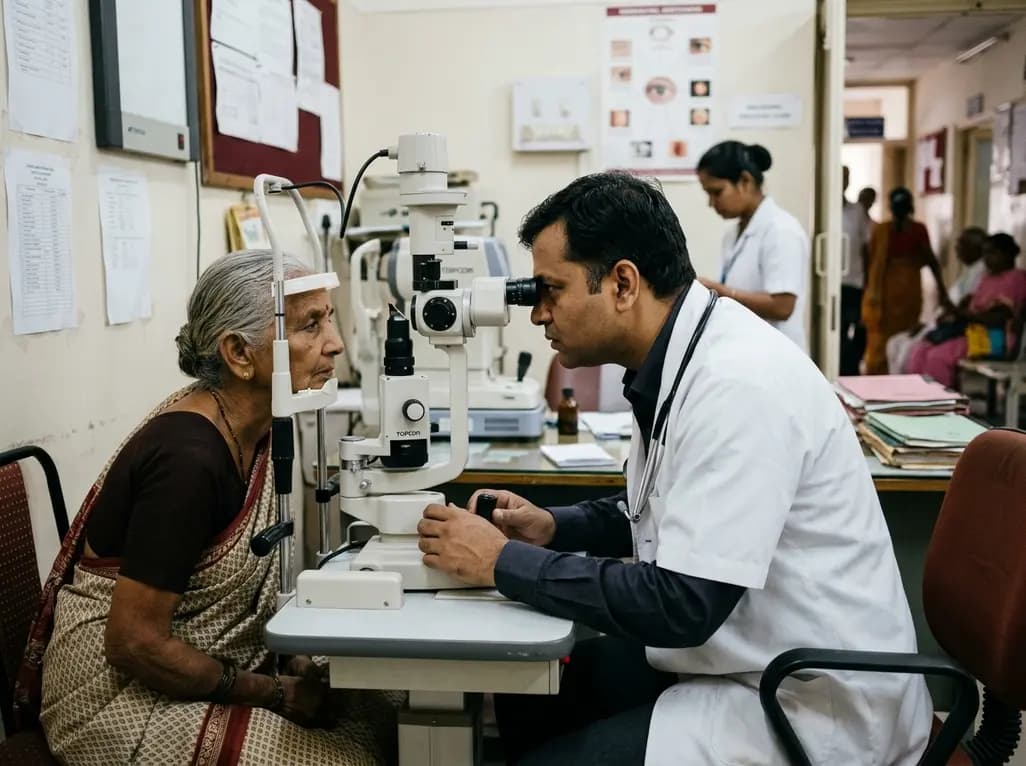
A meta-analysis of 19 studies reveals that 69% of ophthalmologists suffer from work-related musculoskeletal disorders. Slit lamps, microscopes, and high surgical loads cause severe cervical and lumbar strain, underscoring the urgent need for ergonomic workstations, micro-breaks, and institutional reforms.
Today
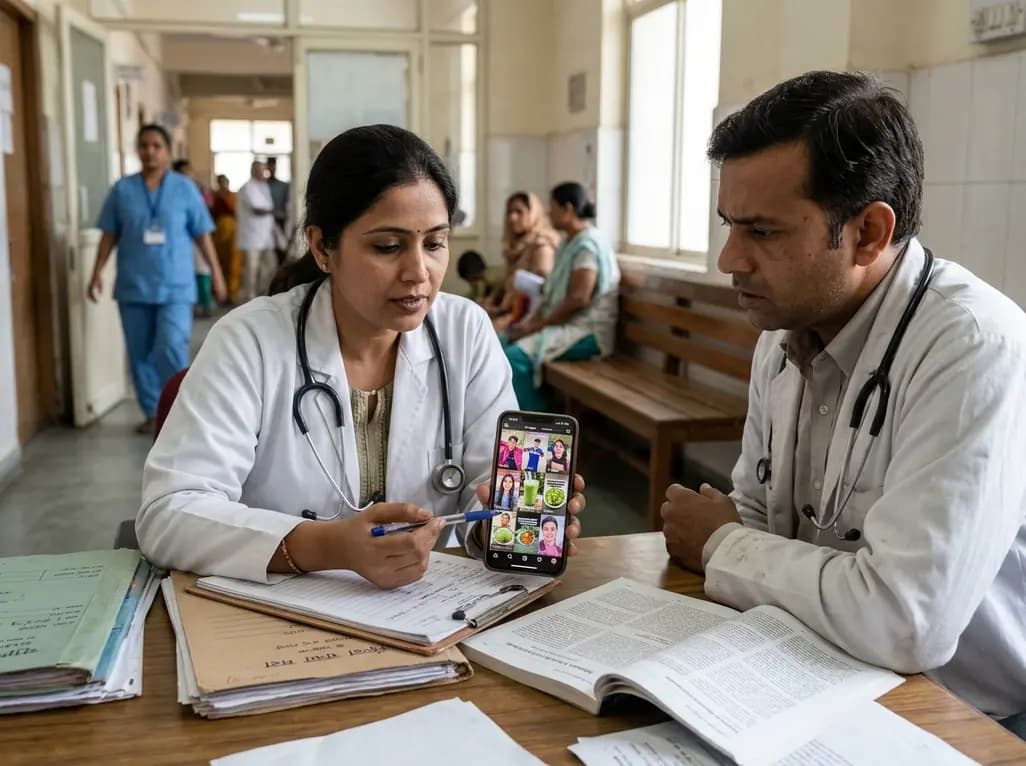
An analysis of 1,000 posts by macro- and mega-influencers on Instagram and TikTok revealed that 78.5% contained nutrition misinformation, while only 24% of creators held valid credentials. This article examines the clinical risks of viral dietary fads and provides actionable guidance for healthcare professionals.
Today
