.webp&w=384&q=75)

Loading, please wait...
Loading, please wait...

Clinical practice guidelines across the globe consistently position movement as first-line care for degenerative joint conditions. Despite these strong endorsements, many practitioners struggle to deliver practical, patient-centered movement programs. Implementing structured exercise therapy for osteoarthritis offers substantial relief for chronic joint symptoms while avoiding unnecessary surgical or pharmacological harm. However, clinicians often lack clear guidance regarding optimal dosing, ideal modalities, and communication strategies. This narrative synthesis clarifies how clinicians can translate current evidence into routine practice. Consequently, doctors can confidently support patients with hip and knee pathology toward active, sustainable self-care.
Effective clinical management begins with constructive patient communication. Historically, many practitioners have described joint degeneration using structural metaphors such as bone-on-bone friction or inevitable mechanical wear. However, impairment-focused explanations frequently induce fear avoidance and reduce physical activity. Therefore, healthcare providers must deliberately reframe the conversation around joint capacity and functional capability. Clinicians should reassure individuals that articular cartilage adapts favorably to physiological mechanical load. Furthermore, practitioners ought to emphasize what patients can accomplish rather than cataloging anatomic defects. In addition, validating patient concerns helps establish therapeutic rapport and dismantles common misconceptions about exercise-induced damage. When healthcare professionals frame physical exertion as joint nourishment, patients report lower anxiety and greater self-efficacy. Similarly, explaining that transient discomfort does not equal progressive tissue damage fosters clinical confidence. Thus, language serves as an active therapeutic intervention that fundamentally shapes rehabilitation success. Clinicians who adopt positive communication empower individuals to embrace regular activity without hesitation. Constructive education also addresses realistic recovery expectations, preventing premature frustration when functional improvements require several weeks. In particular, active dialogue encourages collaborative decision-making, ensuring patients actively guide their own functional goals. Ultimately, constructive counseling lays the psychological foundation for enduring behavioral change.
Systematic baseline assessment provides essential guidance for clinical decision-making. Clinicians must routinely evaluate subjective pain intensity, functional independence, health-related quality of life, and global health perception. Furthermore, utilizing standardized patient-reported outcome measures allows objective tracking across follow-up appointments. For example, instruments such as the Knee injury and Osteoarthritis Outcome Score offer valuable longitudinal perspective. In addition, simple functional capacity tests evaluate real-world physical mobility efficiently. Tests such as the thirty-second chair stand or timed up-and-go reveal tangible functional deficits. However, practitioners should not rely on structural radiographic grading to assess symptom severity. Research consistently indicates that radiographic degeneration correlates poorly with symptomatic pain or functional restriction. Consequently, treating the clinical presentation rather than isolated X-ray images ensures appropriate therapeutic focus. Moreover, regular outcome tracking reinforces patient motivation by highlighting incremental functional victories. When patients observe measurable improvements in walking speed or stair climbing, their commitment to rehabilitation strengthens. Therefore, systematic functional assessment serves as both an evaluative tool and a powerful motivational driver. Clinicians should embed these objective measurements into routine reviews to refine therapeutic strategies over time.
Clinicians frequently wonder which specific regimen yields superior clinical outcomes. Evidence demonstrates that exercise therapy for osteoarthritis provides small to moderate improvements in joint pain and functional capacity. Interestingly, clinical trials reveal that no single exercise modality demonstrates distinct superiority over others. Clinicians can choose between resistance training, aerobic conditioning, neuromuscular drills, or mind-body movement like yoga and Tai Chi. Furthermore, research has not identified a rigid dose-response relationship for joint rehabilitation. This finding liberates clinicians from searching for a nonexistent universal formula. Instead, practitioners should customize exercise selection around individual preferences, daily routines, and specific accessibility barriers. For instance, aquatic exercise offers an excellent starting option for patients experiencing severe joint loading sensitivity. In contrast, progressive land-based resistance training effectively restores quadriceps and gluteal muscle force for active individuals. In addition, physical therapists can integrate neuromuscular coordination exercises to enhance dynamic joint stability. Overall, the most effective exercise protocol is simply the regimen that the patient consistently performs. Clinicians should emphasize tolerable exertion, gradually increasing volume and intensity as neuromuscular tolerance expands.
Clinicians regularly encounter diverse patient cohorts with varying comorbidities and joint disease stages. Interestingly, current evidence shows that exercise therapy remains remarkably safe across broad patient profiles. In fact, individuals with severe baseline pain and marked functional limitations often achieve the largest relative improvements. Furthermore, the presence of multiple medical comorbidities, such as hypertension, obesity, or diabetes, does not diminish therapeutic gains. Exercise simultaneously delivers profound systemic benefits, reducing cardiovascular risk factors and improving metabolic control. In addition, radiographic joint space narrowing should never disqualify patients from initiating active movement. Severe joint changes on imaging do not preclude meaningful functional recovery through conservative rehabilitation. However, clinicians should note that effect sizes appear somewhat smaller for hip osteoarthritis compared to knee osteoarthritis. Hip biomechanics and anatomical constraints may explain these subtle therapeutic differences. Nevertheless, exercise remains an essential non-pharmacological pillar for both joint locations. Serious adverse events during rehabilitation remain exceptionally rare across all patient demographics. Practitioners can reassure patients that transient joint or muscular soreness represents a normal physiological response to unfamiliar loading.
Sustaining long-term adherence remains one of the greatest challenges in musculoskeletal rehabilitation. Currently, research shows uncertain links between rigid exercise volume adherence and incremental symptom relief. However, establishing durable physical habits remains paramount because physical activity protects broader cardiometabolic and mental health. Consequently, clinicians must prioritize strategies that help patients initiate and maintain regular movement routines. Fortunately, modern healthcare offers diverse, flexible delivery models to support patient engagement. In-person clinical physiotherapy, structured telehealth sessions, and self-directed home programs deliver comparable improvements in pain and functional independence. Therefore, practitioners can confidently offer remote or blended rehabilitation pathways for individuals facing logistical barriers. In addition, scheduled clinical check-ins and booster sessions help prevent physical activity decay over time. Clinicians can also utilize wearable fitness trackers and mobile digital applications to reinforce accountability. Furthermore, involving family members or peer exercise groups provides valuable emotional and social reinforcement. By eliminating practical barriers to participation, healthcare professionals empower patients to maintain physical autonomy. Ultimately, flexible delivery structures ensure equitable access to evidence-based musculoskeletal care.
Clinical trials show that no single exercise modality demonstrates clear superiority over others. Strengthening routines, low-impact aerobics, aquatic exercises, and neuromuscular training all provide comparable improvements in pain and physical function. Therefore, clinicians do not need to prescribe a rigid, uniform workout. Instead, practitioners should select physical activities that align with patient preferences, baseline capabilities, and logistical convenience. Adopting an enjoyable, sustainable exercise routine ultimately produces the best long-term musculoskeletal outcomes.
Yes, patients with severe radiographic changes can safely engage in structured exercise therapy. Radiographic structural damage correlates poorly with clinical pain severity or physical capability. Furthermore, research demonstrates that individuals with higher baseline pain and worse disability frequently experience substantial symptomatic improvements from exercise. Clinicians should reassure patients that movement is safe and does not accelerate joint wear. Modifying movement intensity based on individual tolerance ensures safe, effective, and progressive rehabilitation.
Evidence confirms that digital delivery formats yield clinical benefits of similar magnitude to in-person care. Telehealth consultations, digital exercise applications, and guided self-directed home programs effectively alleviate joint pain while restoring physical function. Consequently, clinicians can tailor the delivery method to match patient preferences, technological comfort, and transportation access. Blended care models combining periodic clinician check-ins with independent home practice offer an accessible, scalable, and highly effective therapeutic solution for most patients.
Disclaimer: This content is for informational and educational purposes only... Refer to the latest local and national guidelines for clinical practice.
References

Read summarized clinical updates, watch expert medical content, and earn CME certifications right from your smartphone.
Open your smartphone camera to scan and install.





A narrative review outlines practical strategies for implementing exercise therapy in hip and knee osteoarthritis, emphasizing patient-centered communication, outcome assessment, flexible delivery models, and personalized exercise prescription without unnecessary rigid dosing.
Today
A study demonstrates an explainable machine learning framework integrating clinical and echocardiographic metrics to predict left atrial appendage thrombus in non-valvular atrial fibrillation, utilizing SHAP analysis for clinical interpretability.
Today

Maternal anaemia contributes to nearly half of pregnancy-related fatalities across India. To prevent complications, Uttar Pradesh has added single-dose parenteral iron to its essential medicines list. This clinical transition aims to restore haemoglobin rapidly and protect high-risk mothers across rural facilities.
Today
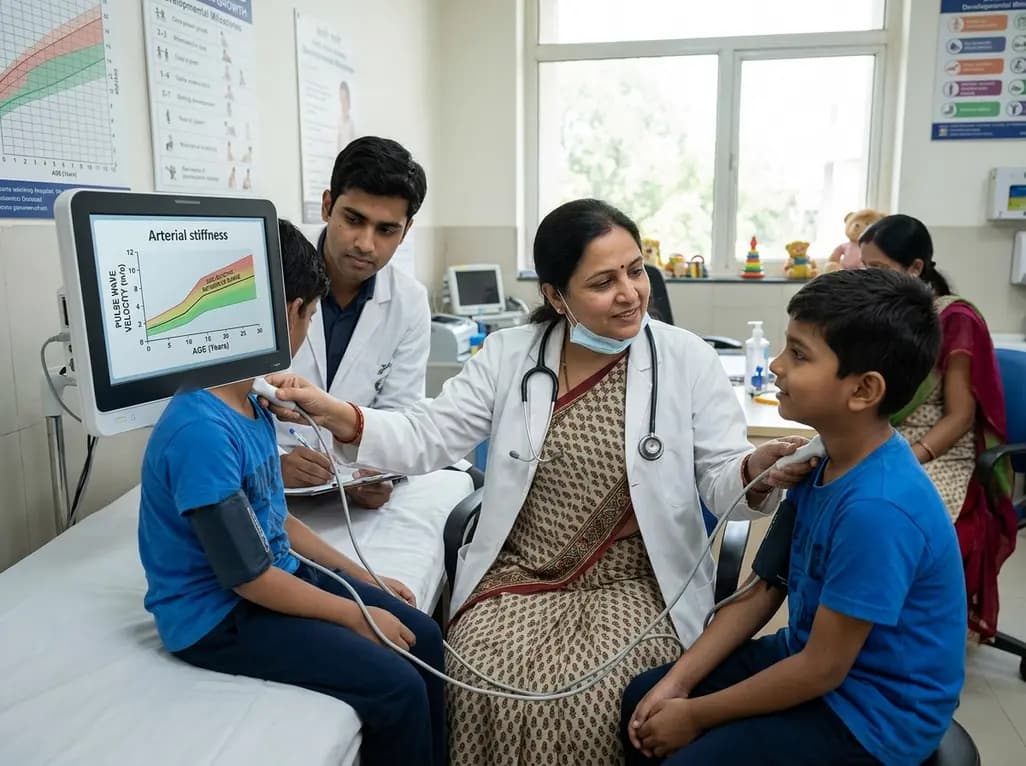
A landmark systematic review and meta-analysis establishes age-specific normative reference values for pediatric pulse wave velocity, revealing a nonlinear trajectory of arterial stiffness from early childhood through adolescence.
Today
A new systematic review evaluates lumbar facet arthroplasty, predominantly the Total Posterior Spine System (TOPS). Evidence shows significant reductions in back and leg pain and preserved segmental mobility, though revision rates and outcome heterogeneity highlight the need for careful patient selection.
Today
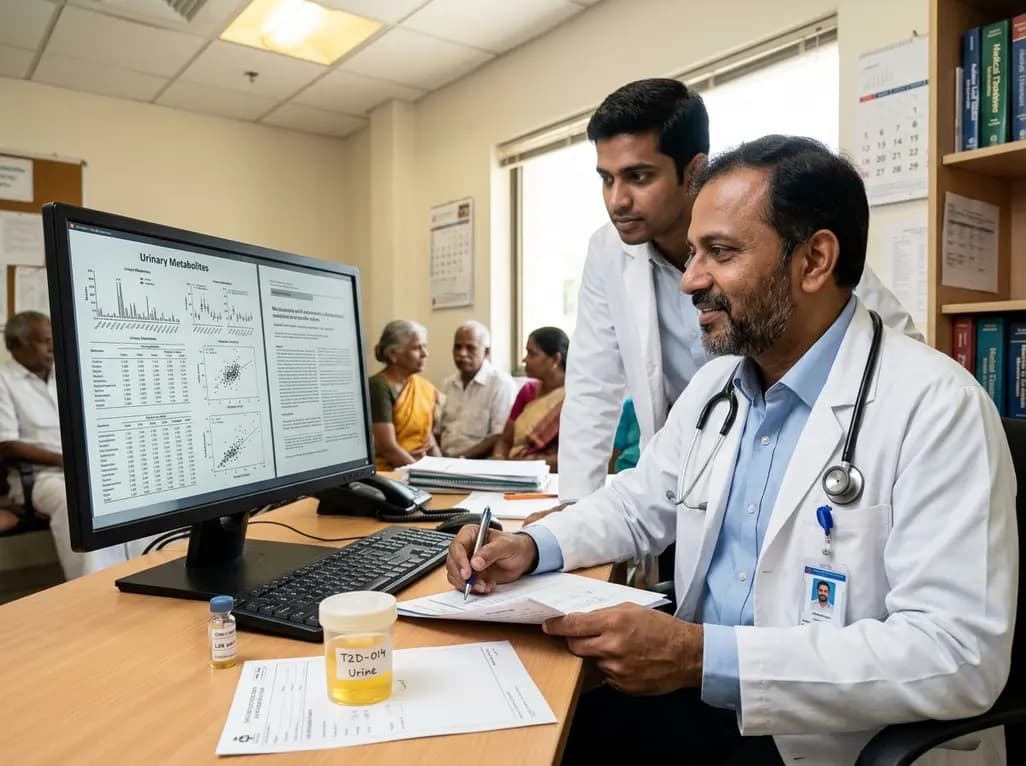
A landmark cross-sectional study in Asian adults with type 2 diabetes identifies novel urinary metabolites linked to mild cognitive impairment. Elevated urinary sucrose and altered metabolites highlight non-invasive pathways for early cognitive risk stratification and targeted metabolic management.
Today
