.webp&w=384&q=75)

Loading, please wait...
Loading, please wait...

Hydrocephalus significantly impacts infant health in many developing nations. While many centers traditionally use shunts, ETV in infants is gaining popularity due to fewer hardware-related complications. A landmark study from Tanzania recently evaluated the clinical success and patterns of presentation for neonates undergoing this procedure. Surgeons often combine endoscopic third ventriculostomy (ETV) with choroid plexus cauterization (CPC) to improve long-term outcomes.
The researchers analyzed a cohort of 325 infants with a median age of 86 days. They found that neonates younger than two months achieved a 95% success rate at four weeks postoperatively. In contrast, infants older than two months had a slightly lower success rate of 88%. This initial difference was statistically significant. However, by the 52nd week, the failure rates leveled out at approximately 60% for both groups. Consequently, clinicians should consider ETV even in the youngest patients, as age does not necessarily dictate long-term failure.
Congenital hydrocephalus was the most common etiology in this cohort, affecting 69% of the infants. Furthermore, the use of ETV and combined ETV/CPC showed better clinical outcomes than ventriculoperitoneal (VP) shunting in this specific population. This is particularly important because shunts often carry a high risk of infection and blockage. Moreover, endoscopic procedures avoid the need for permanent internal hardware, which simplifies long-term management in regions with limited follow-up care.
Several supporting studies also highlight the benefits of endoscopic techniques. Specifically, research indicates that ETV is associated with shorter operative times and significantly lower postoperative infection rates. While shunting remains a valid option, the high rate of hardware malfunction often leads to frequent revision surgeries. Therefore, ETV/CPC stands out as a reliable first-line treatment for obstructive hydrocephalus in African neonates. Additionally, careful patient selection remains vital for optimizing surgical results.
Research indicates an immediate success rate as high as 95% in neonates younger than two months, though long-term success at one year stabilizes around 60%.
Yes, combined ETV and CPC often show better clinical outcomes and lower infection rates compared to traditional ventriculoperitoneal shunting in this demographic.
Disclaimer: This content is for informational and educational purposes only. It does not constitute professional medical advice, diagnosis, or treatment. Always seek the advice of your physician or other qualified healthcare provider with any questions you may have regarding a medical condition. Refer to the latest local and national guidelines for clinical practice.
References
Shayo CS et al. The pattern and outcome of infants and neonates undergoing endoscopic third ventriculostomy in Tanzania: an observational cohort study. J Neurosurg Pediatr. 2026 Feb 27. doi: 10.3171/2025.10.PEDS24668. PMID: 41759095.
Abdel-Aziz K, Nouby R, Thabet M, Elshirbiny M. Endoscopic Third Ventriculostomy versus Ventriculo-Peritoneal Shunt for Infant Hydrocephalus. Open Journal of Modern Neurosurgery. 2020;10:193-202. doi: 10.4236/ojmn.2020.102020.
Patel PB, Lodha KG, Jaiswal G, et al. Endoscopic third ventriculostomy versus ventriculoperitoneal shunt for treatment of hydrocephalus in infants in a tribal population. London Academic Publishing. 2021.

Read summarized clinical updates, watch expert medical content, and earn CME certifications right from your smartphone.
Open your smartphone camera to scan and install.





A study on infants in Tanzania shows that ETV/CPC offers high success rates for hydrocephalus, often outperforming traditional shunts in neonates....
7 months ago

Recent epidemiological data reveals a dramatic surge in summer heat mortality driven by human-induced climate warming. This analysis explores the pathophysiological impacts on cardiac and renal systems, diagnostic dilemmas in death certification, and essential emergency cooling protocols for acute clinical care.
Today
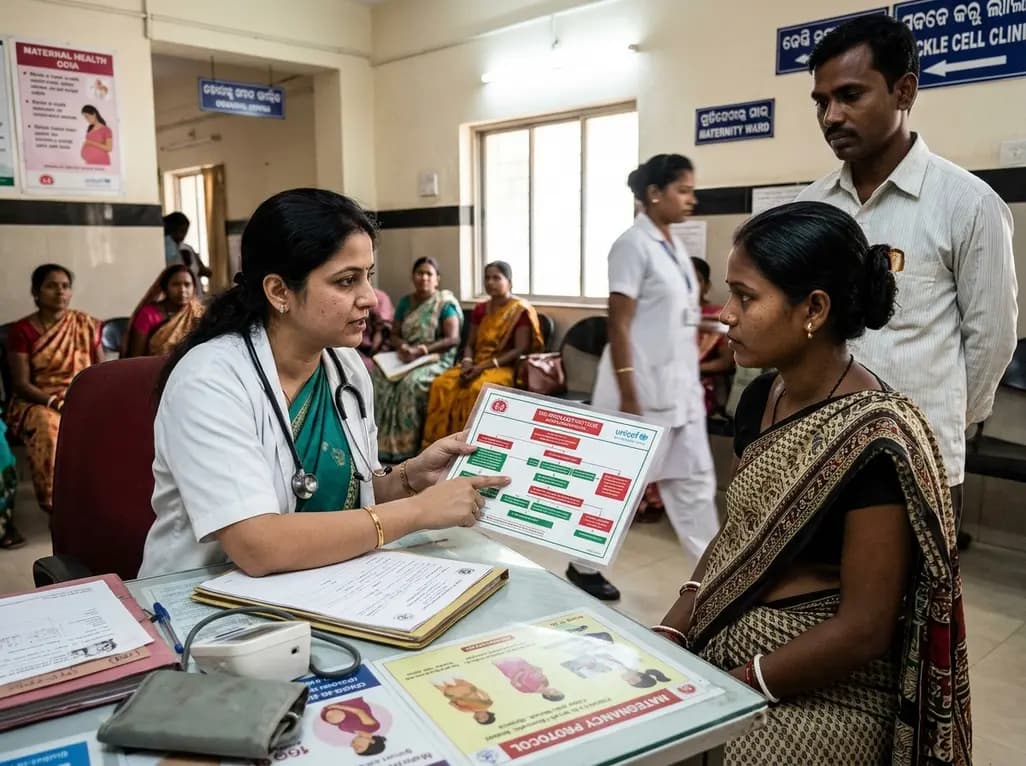
Odisha has established India's first state-level clinical protocol specifically tailored for pregnant women with sickle cell disease. Developed with NHM and UNICEF, the framework provides structured antenatal screening, crisis mitigation, standardized referral pathways, and specialized interdisciplinary care.
Today

India is advancing preventive healthcare by integrating genomics, artificial intelligence, and quantum technologies. With the SANGAM programme sequencing one million Indian genomes, clinicians can unlock personalized therapies, detect cardiometabolic risks early, and curb the burden of diabetes and heart disease.
Today
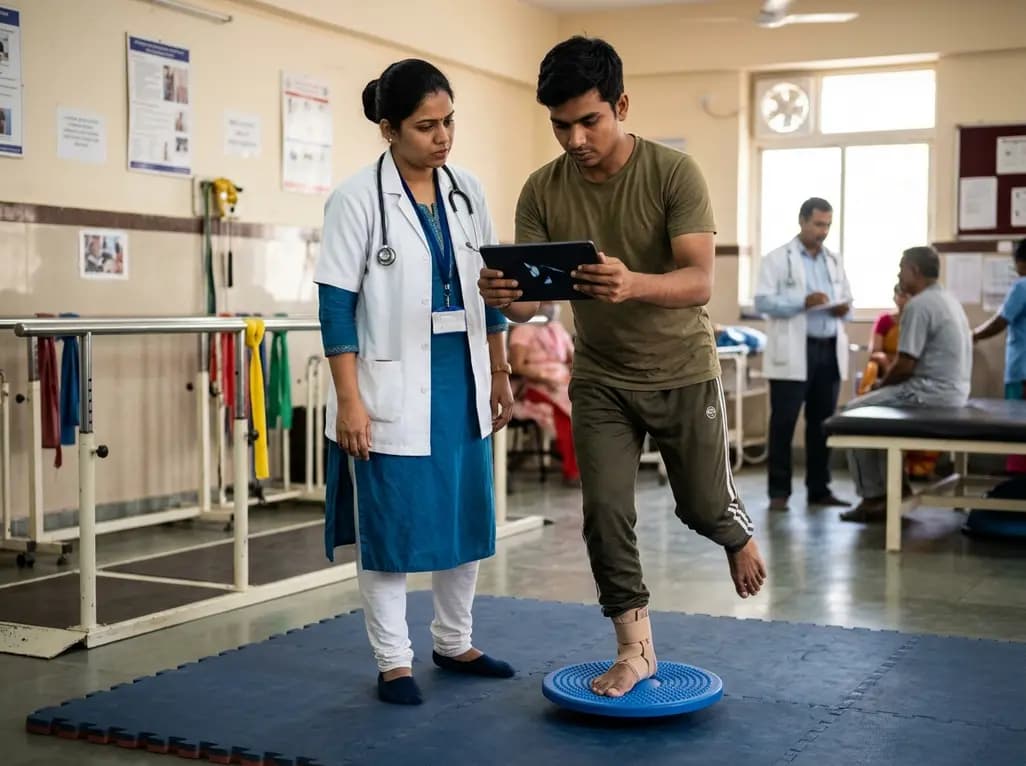
A randomized controlled trial demonstrates that an eight-week dual-task training intervention significantly improves static and dynamic postural control over standard balance exercises in individuals with chronic ankle instability, addressing critical neurocognitive deficits during athletic and daily activities.
Today

A retrospective cohort study of 7,716 ICU patients from the MIMIC-IV database demonstrates that Gradient Boosting Decision Trees significantly outperform traditional SOFA scores in predicting in-hospital mortality among patients with sepsis and diabetes, with SHAP analysis providing clinical interpretability.
Today
