.webp&w=384&q=75)

Loading, please wait...
Loading, please wait...
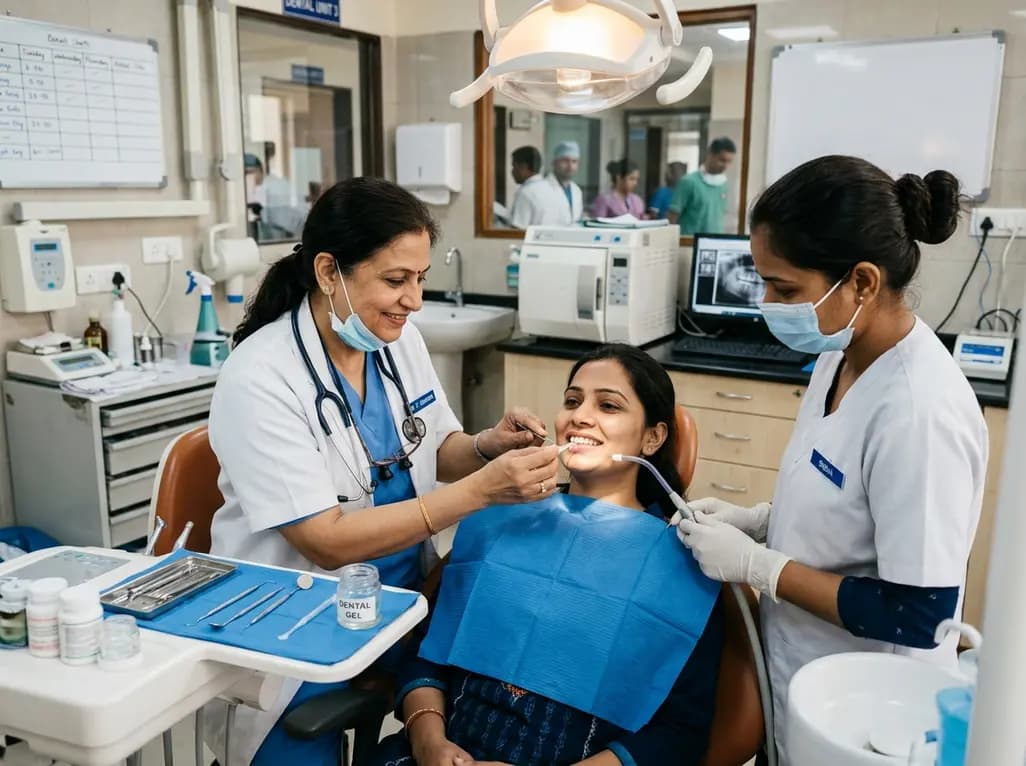
Modern aesthetic and restorative dentistry often grapples with the trade-off between effective tooth whitening and structural enamel preservation. Fortunately, recent bioengineering breakthroughs have introduced an advanced enamel remineralization gel that concurrently restores mineralized matrix integrity, brightens tooth shade, and eliminates pathogenic flora. By harnessing calcium peroxide combined with amorphous calcium carbonate phosphate, this multifunctional platform delivers comprehensive structural and cosmetic oral rehabilitation without causing enamel demineralization or pulpal sensitivity.
The innovative composite gel integrates calcium peroxide nanoparticles within an amorphous calcium carbonate phosphate matrix. When the gel encounters salivary moisture in the oral cavity, a sustained chemical reaction initiates immediately. Consequently, the calcium peroxide particles decompose smoothly to release free calcium ions, hydroxyl ions, and controlled reactive oxygen species. This rapid reaction creates a localized alkaline microenvironment that accelerates mineral precipitation. In addition, the abundant calcium ions drive the phase transformation of amorphous calcium carbonate phosphate into crystalline hydroxyapatite. This biomimetic transformation replicates natural amelogenesis, allowing synthetic mineral crystals to integrate seamlessly into damaged enamel prisms. Furthermore, the alkaline buffer effectively neutralizes harmful acidic byproducts produced by acidogenic plaque bacteria. Therefore, the gel provides a dual chemical shield that preserves surrounding oral structures while actively building new mineral foundations across exposed dental tissues.
Traditional dental bleaching protocols heavily rely on concentrated hydrogen peroxide or carbamide peroxide formulations. Although these agents remove stubborn extrinsic and intrinsic stains, they frequently induce significant enamel surface roughness, microhardness loss, and transient dentinal hypersensitivity. In contrast, the newly developed nanocomposite gel circumvents these structural compromises entirely. The vast surface area of the gel facilitates the concurrent adsorption of reactive oxygen species alongside organic chromophore molecules. As a result, the formulation achieves potent stain oxidation and noticeable tooth whitening within twelve hours. Moreover, the simultaneous release of calcium and phosphate ions prevents structural mineral leaching during the oxidative process. Clinicians can therefore achieve superior aesthetic shade improvement without eroding delicate enamel architecture. Consequently, patients experience reliable cosmetic whitening alongside improved tissue stability, eliminating the post-operative discomfort that commonly accompanies conventional chairside bleaching therapies.
Acid erosion and mechanical attrition severely compromise dentin integrity, leaving sensitive dentinal tubules patent and vulnerable to microbial invasion. Notably, laboratory investigations demonstrate that this multifunctional biomaterial restores the microhardness of acid-etched dentin from a compromised 0.1 GPa back to a robust 2.0 GPa. This remarkable twenty-fold increase in structural hardness reflects deep intra-tubular and peritubular mineral deposition. Furthermore, the localized calcium-driven positive feedback mechanism promotes dense hydroxyapatite nucleation deep within opened dentinal tubules. Thus, the precipitated crystals establish an impermeable physical seal that effectively blocks hydrodynamic fluid movements responsible for dentinal pain. In addition, the regenerated mineral layer matches the mechanical resilience of natural human dentin under masticatory stress. Dental practitioners can therefore utilize this therapeutic biomaterial to manage severe tooth wear, cervical abrasions, and persistent hypersensitivity with exceptional restorative predictability.
Bacterial biofilm accumulation remains the primary etiological driver of dental caries, marginal periodontitis, and restorative failure. Fortunately, the controlled generation of reactive oxygen species from calcium peroxide delivers profound antimicrobial efficacy against major cariogenic pathogens, including Streptococcus mutans. Experimental evaluations confirm that the gel achieves nearly one hundred percent sterilization within twenty-four hours of application. Furthermore, the alkaline shift generated by hydroxyl release inhibits aciduric bacteria from generating localized demineralization zones. Simultaneously, the spatial confinement buffer prevents unconstrained oxidative radical diffusion, thereby protecting adjacent gingival fibroblasts from cytotoxic injury. In addition, the continuous deposition of hydroxyapatite smooths microscopic enamel porosities, significantly reducing subsequent bacterial adhesion and plaque maturation. Consequently, the formulation exerts a powerful preventative action that halts active incipient lesions while maintaining healthy microbial balance across the oral cavity.
The integration of remineralizing and aesthetic actions into a single vehicle represents a major paradigm shift for contemporary dental practice. Currently, dental professionals must schedule separate appointments for professional bleaching, topical fluoride varnish applications, and desensitizing protocols. However, this multifunctional gel consolidates these therapeutic objectives into a unified clinical workflow. Dental practitioners can apply the material following scaling, orthodontic debonding, or minimally invasive cavity preparations. Furthermore, the gentle alkaline profile protects existing resin restorations from chemical degradation, unlike aggressive acidic bleaching gels. As a result, clinicians can offer patients rapid cosmetic brightening alongside proven caries prevention in routine preventive appointments. Moreover, the formulation holds immense promise for vulnerable patient cohorts, including individuals with dry mouth, enamel hypoplasia, or severe dentin exposure who previously could not tolerate conventional bleaching agents.
Biomimetic nanotechnology continues to transform restorative biomaterials from passive fillers into proactive biological therapeutics. Because this unique gel achieves a synergistic outcome through ion-driven feedback mechanisms, future formulations may incorporate supplementary therapeutic ions such as fluoride, strontium, or zinc. These additions could further enhance acid resistance and accelerate remineralization kinetics. Furthermore, translating this laboratory innovation into commercial dentifrices, varnish delivery systems, and professional in-office gels will expand clinical accessibility worldwide. Dental researchers are currently initiating longitudinal in vivo human trials to validate long-term retention and shade durability. Ultimately, this multifunctional technology establishes a promising benchmark in holistic oral care, bridging the traditional divide between aesthetic enhancement and biological tissue regeneration.
Conventional bleaching agents utilize acidic peroxide solutions that break down stains while stripping essential minerals from dental enamel. In contrast, this multifunctional gel pairs calcium peroxide with amorphous calcium carbonate phosphate. The material releases reactive oxygen species to oxidize chromophores while concurrently releasing high concentrations of calcium and phosphate. Consequently, these ions precipitate as crystalline hydroxyapatite, actively reinforcing enamel microhardness and preventing surface erosion during the entire tooth whitening procedure.
Saliva serves as the essential aqueous trigger that initiates the therapeutic action of the gel. When the calcium peroxide nanoparticles encounter salivary water, they undergo controlled hydrolysis to produce calcium ions, hydroxyl ions, and reactive oxygen species. Furthermore, this reaction establishes an optimal alkaline environment that converts amorphous calcium carbonate phosphate into durable hydroxyapatite. Thus, natural oral moisture actively powers both the remineralization and stain-removal mechanisms.
The gel exerts potent antimicrobial activity through the sustained release of reactive oxygen species and hydroxyl ions. These reactive molecules disrupt bacterial cell membranes and neutralize acid-producing cariogenic species, achieving nearly complete sterilization within twenty-four hours. Additionally, the elevated alkaline pH counteracts bacterial acid production, while dense hydroxyapatite deposition seals exposed dentinal tubules and microscopic enamel crevices, effectively depriving lingering microorganisms of colonization sites.
Disclaimer: This content is for informational and educational purposes only. It is not intended to substitute professional medical advice, diagnosis, or treatment. Always seek the advice of your physician or other qualified health provider with any questions you may have regarding a medical condition. Never disregard professional medical advice or delay in seeking it because of something you have read here. Refer to the latest local and national guidelines for clinical practice.
References

Read summarized clinical updates, watch expert medical content, and earn CME certifications right from your smartphone.
Open your smartphone camera to scan and install.





A multifunctional calcium peroxide-amorphous calcium carbonate phosphate dental gel enables concurrent dentin remineralization, rapid tooth whitening, and 100% bacterial sterilization, offering a gentle and synergistic solution for comprehensive oral rehabilitation.
last month

A retrospective clinical analysis reveals that hemodialysis-associated cognitive dysfunction arises from synergistic pathological mechanisms, including severe chronic anemia, worsening renal clearance, abnormal regional brain iron deposition, and an imbalance between neuroinflammatory and neurotrophic factors.
Today

A multiparametric MRI approach combining quantitative T2 shading, apparent diffusion coefficient (ADC) measurements, and morphological signs provides superior diagnostic accuracy over subjective evaluation to differentiate ovarian endometriomas from benign hemorrhagic cysts.
Today
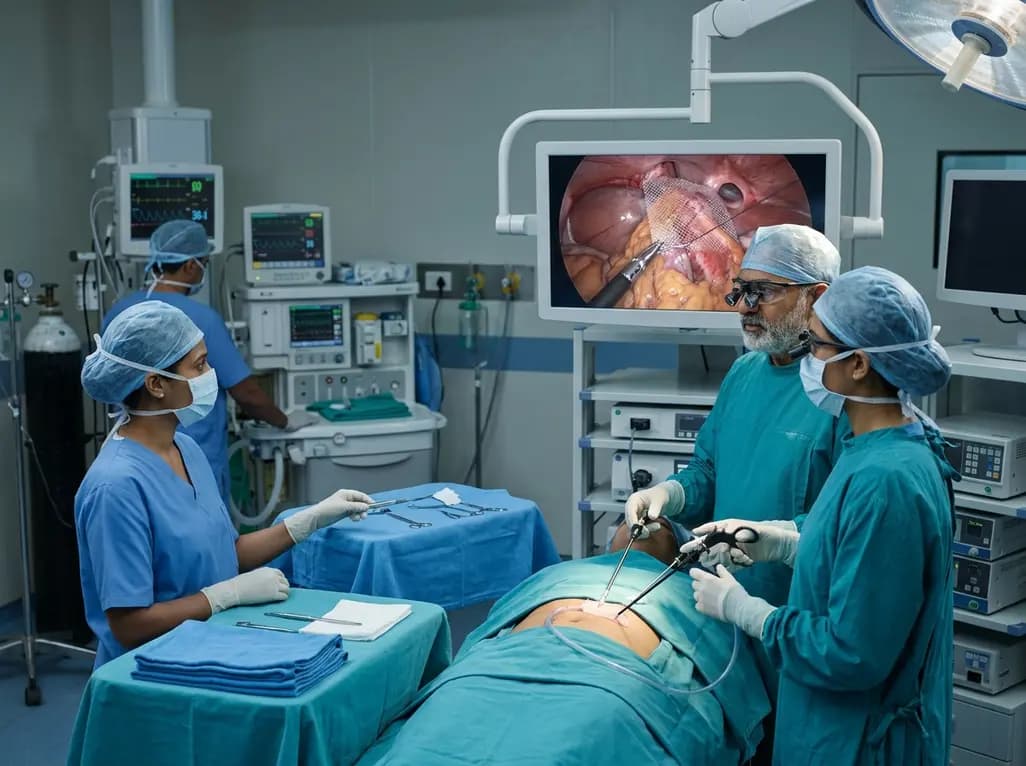
Discover a novel laparoscopic approach for iatrogenic diaphragmatic hernia repair following pedicled omentoplasty. This modified Sugarbaker technique integrates dorsal pedicle lateralization and round ligament reinforcement to secure the diaphragmatic defect while preserving vital omental vascularity.
Today

Evaluating Hill-Sachs lesion size and the distance to dislocation is critical in recurrent shoulder instability. As bone loss concepts shift from binary on-track classifications to continuous risk assessment, clinicians must identify when isolated Bankart repair is insufficient and supplementary procedures are needed.
Today
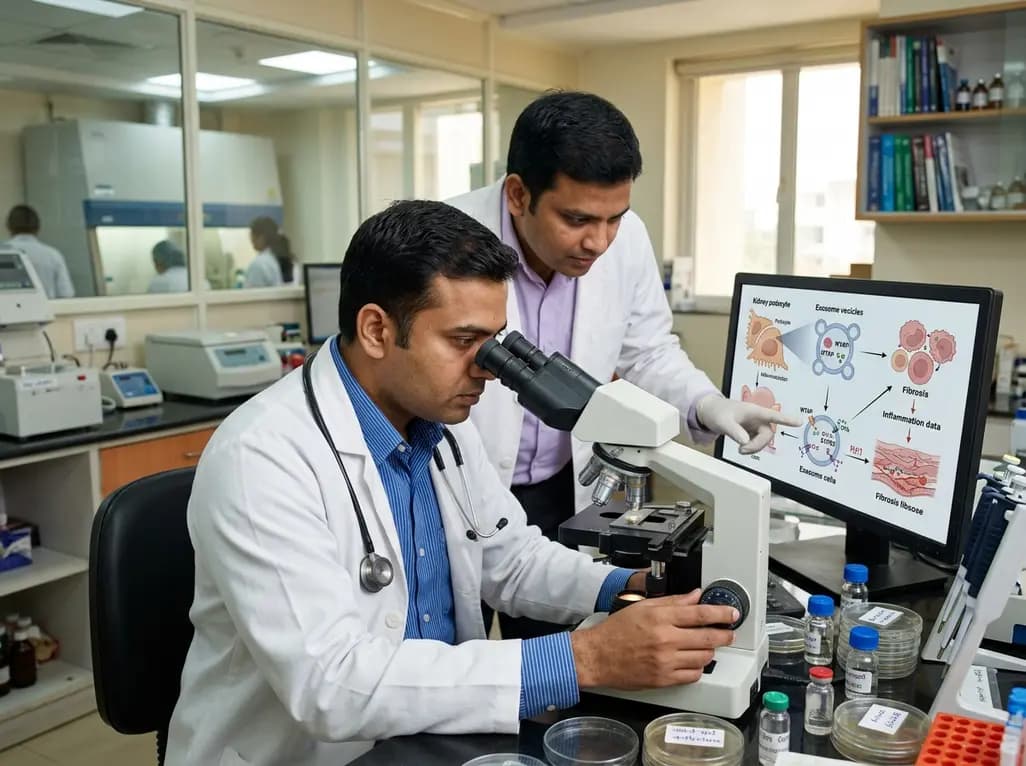
New research reveals that M1 macrophage-derived exosomes aggravate diabetic nephropathy by transferring WTAP to stabilize S1PR2 mRNA. Silencing WTAP in these vesicles attenuates endothelial injury and renal fibrosis, pointing toward innovative nanomedicine therapies.
Today
