

Loading, please wait...
Loading, please wait...

Professionals in interactive settings often regulate their feelings to meet workplace expectations, a process known as emotional labor. This mental effort is central to emotional exhaustion prevention, as chronic strain from "surface acting" can lead to significant burnout. Therefore, recent research indicates that when individuals hide their true feelings to remain professional, they quickly deplete their cognitive resources. Consequently, finding sustainable ways to manage these interactions is vital for long-term occupational well-being.
Specifically, a large-scale study involving 1,483 teachers examined three primary emotional labor strategies: surface acting, deep acting, and genuine expression. Surface acting involves faking emotions, while deep acting refers to trying to actually feel the required emotion. In contrast, genuine expression represents the natural display of felt emotions. The results showed that both surface and deep acting correlate positively with emotional exhaustion. However, genuine expression showed a negative association, suggesting it may protect against burnout.
The most significant finding of the research was the moderating role of social support. Specifically, strong social networks significantly buffered the negative impact of surface and deep acting on mental health. Therefore, emotional exhaustion prevention initiatives should focus on building robust peer support systems. Additionally, these networks provide the necessary emotional resources to recover from the strain of high-stakes interpersonal interactions. Furthermore, when employees feel supported, they are less likely to experience the full weight of resource-draining regulation strategies.
Similarly, for healthcare professionals in India, these findings are particularly relevant. While the study focused on teachers, the mechanisms of emotional labor are identical in clinical settings. Moreover, doctors often perform "surface acting" during difficult patient encounters. Thus, institutionalizing social support and encouraging genuine expression where appropriate could serve as effective burnout prevention strategies. Consequently, by strengthening communal bonds within medical teams, hospitals can mitigate the adverse effects of chronic emotional demand.
Surface acting requires significant cognitive effort to suppress real emotions and feign others. This creates a state of dissonance that depletes mental resources over time, eventually leading to exhaustion.
Social support provides an external pool of emotional resources. It allows professionals to vent, validate their experiences, and receive empathy, which replenishes the energy lost during difficult work interactions.
Yes, research suggests that genuine expression is the least resource-intensive strategy. While deep acting is better than surface acting, it still requires more effort than being authentic, making genuine expression the preferred choice for long-term health.
Disclaimer: This content is for informational and educational purposes only. It does not constitute professional medical advice, diagnosis, or treatment. Always seek the advice of your physician or other qualified health provider with any questions you may have regarding a medical condition. Refer to the latest local and national guidelines for clinical practice.
References
Sun P et al. Emotional labor and emotional exhaustion among physical education teachers: The moderating role of social support. Work. 2026 Jun 02. doi: 10.1177/10519815261456258. PMID: 42228381.
Ganta A & Patlolla VRP. Exploring post-pandemic burnout and mental health among healthcare workers in India: a narrative review on prevalence, risk factors and impact. International Journal Of Community Medicine And Public Health. 2026;13(4). doi: 10.18203/2394-6040.ijcmph20260732.
Srihita RH. Workplace stress and burnout dynamics in Indian work environments. ResearchGate. 2026. (Accessed June 2026).

Read summarized clinical updates, watch expert medical content, and earn CME certifications right from your smartphone.
Open your smartphone camera to scan and install.





A study of 1483 teachers highlights how social support moderates the impact of emotional labor on burnout, offering lessons for high-stress roles like medic...
4 months ago
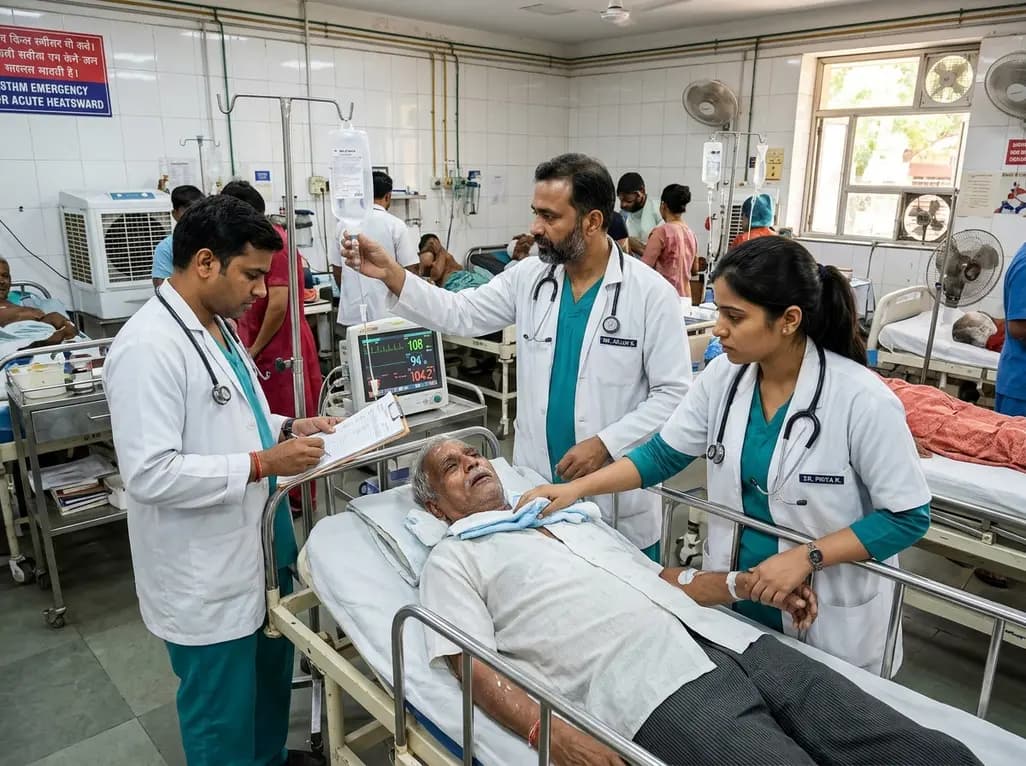
Recent epidemiological data reveals a dramatic surge in summer heat mortality driven by human-induced climate warming. This analysis explores the pathophysiological impacts on cardiac and renal systems, diagnostic dilemmas in death certification, and essential emergency cooling protocols for acute clinical care.
Today
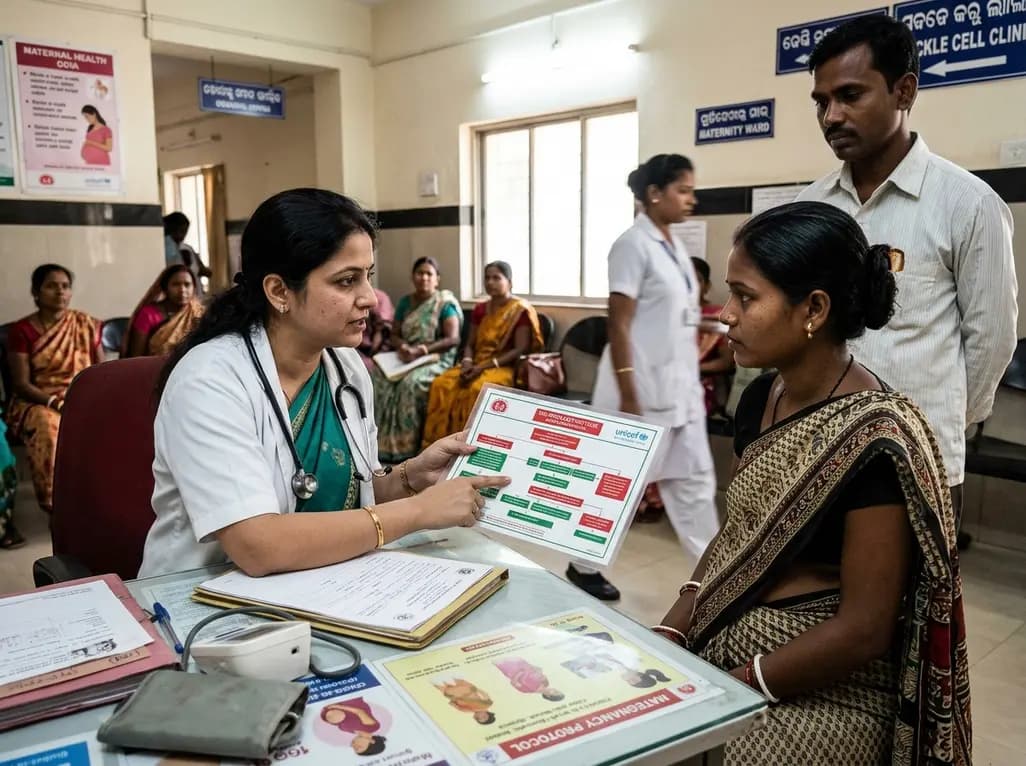
Odisha has established India's first state-level clinical protocol specifically tailored for pregnant women with sickle cell disease. Developed with NHM and UNICEF, the framework provides structured antenatal screening, crisis mitigation, standardized referral pathways, and specialized interdisciplinary care.
Today
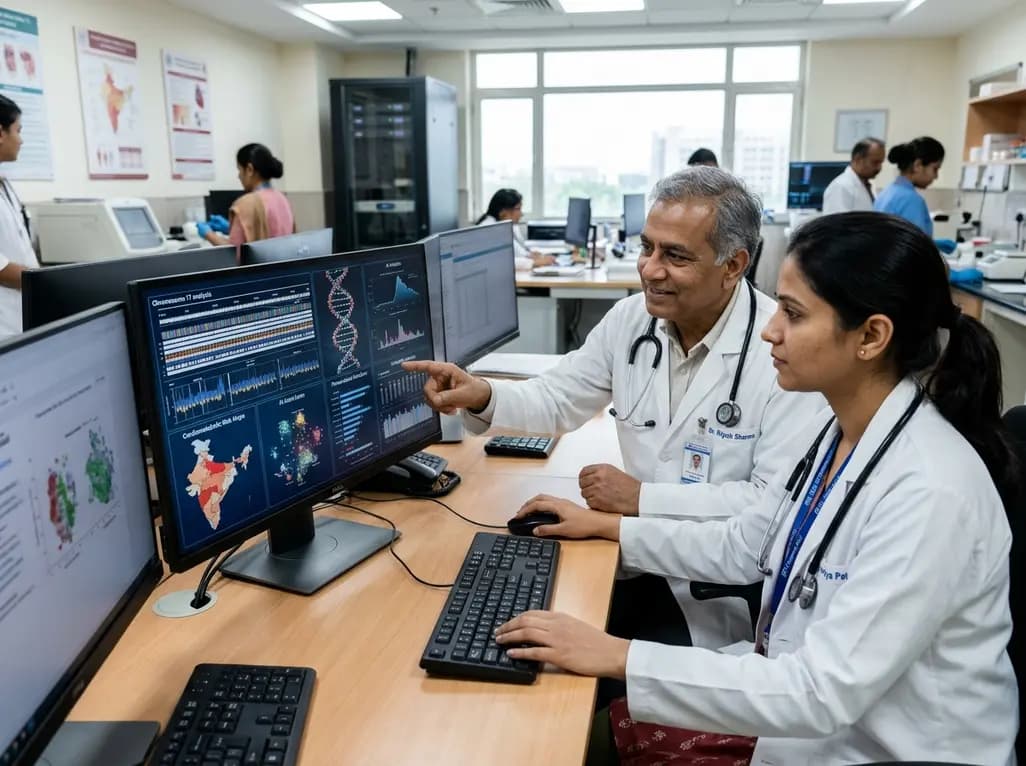
India is advancing preventive healthcare by integrating genomics, artificial intelligence, and quantum technologies. With the SANGAM programme sequencing one million Indian genomes, clinicians can unlock personalized therapies, detect cardiometabolic risks early, and curb the burden of diabetes and heart disease.
Today
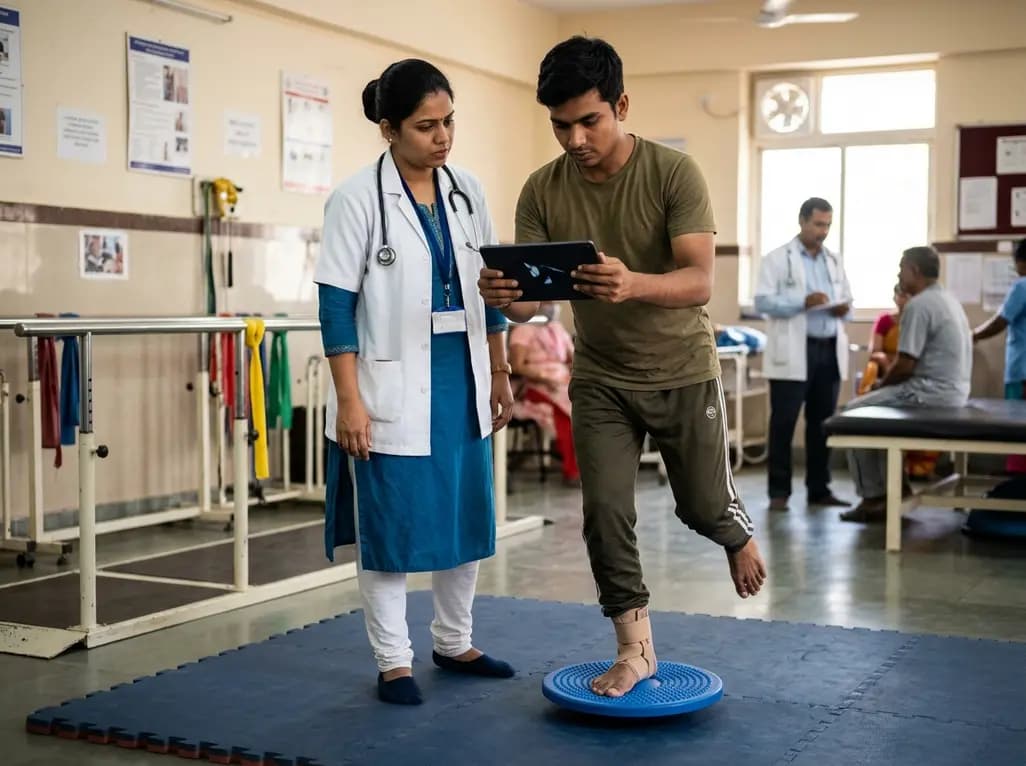
A randomized controlled trial demonstrates that an eight-week dual-task training intervention significantly improves static and dynamic postural control over standard balance exercises in individuals with chronic ankle instability, addressing critical neurocognitive deficits during athletic and daily activities.
Today
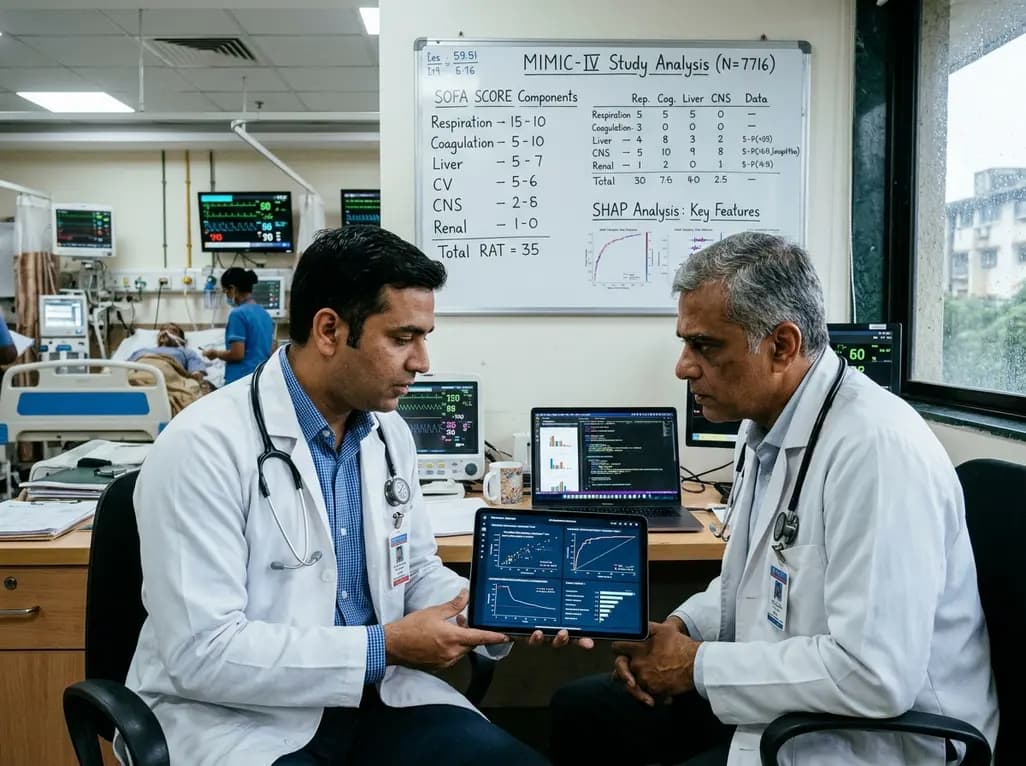
A retrospective cohort study of 7,716 ICU patients from the MIMIC-IV database demonstrates that Gradient Boosting Decision Trees significantly outperform traditional SOFA scores in predicting in-hospital mortality among patients with sepsis and diabetes, with SHAP analysis providing clinical interpretability.
Today
