.webp&w=384&q=75)

Loading, please wait...
Loading, please wait...
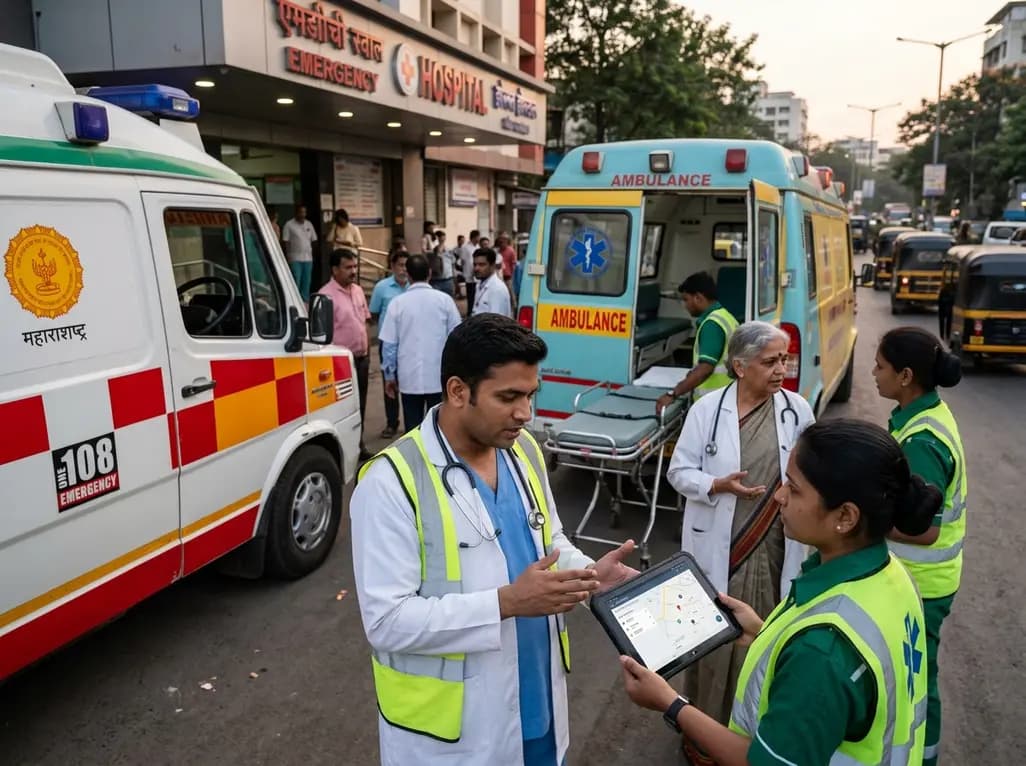
Maharashtra is undertaking a comprehensive overhaul of its emergency trauma network to eliminate critical transport delays. During the 13th meeting of the State Road Safety Council, state officials approved plans for comprehensive emergency ambulance integration across government and private sectors. The initiative connects the public Maharashtra Emergency Medical Services 108 network with private hospital fleets. Consequently, dispatchers can direct the closest life-support vehicle to accident victims immediately. This systemic overhaul addresses the crucial golden hour window when immediate medical intervention prevents mortality. Furthermore, healthcare administrators expect this unified dispatch grid to establish seamless coordination between trauma teams and emergency responders statewide.
Historically, public and private ambulance fleets in India operated in distinct silos without unified dispatch software. As a result, road accident victims frequently experienced crippling logistical delays while waiting for state-run vehicles. The new emergency ambulance integration model eliminates these boundaries. It pools registered basic and advanced life support vehicles onto a single centralized digital architecture.
Whenever an emergency call reaches the centralized dashboard, geolocation algorithms identify the nearest road-ready ambulance regardless of operating ownership. Therefore, operators dispatch the closest equipped vehicle within seconds. The platform simultaneously alerts local police authorities and designated receiving hospitals. In addition, the software standardizes fare schedules and vehicle readiness metrics according to national automotive safety standards.
Consequently, emergency physicians receive standardized pre-arrival alerts before the patient enters the trauma bay. This digital visibility ensures rapid triage for polytrauma victims suffering from hemorrhagic shock, blunt thoracic trauma, or traumatic brain injury. Ultimately, reducing transport delays enables clinicians to initiate resuscitation within the physiological golden hour.
Beyond swift transit, the state policy prioritizes the quality of clinical care delivered inside the ambulance. Under the new directives, transport vehicles will incorporate high-definition audiovisual equipment and robust telecommunication links. Consequently, emergency physicians stationed at base tertiary hospitals can evaluate critical patients before physical hospital arrival.
Using real-time telemetry, emergency physicians can assess vital parameters including oxygen saturation, cardiac rhythm, and continuous blood pressure. Furthermore, doctors can visually examine pupils, chest wall expansion, and airway patency via onboard cameras. Therefore, physicians can guide emergency medical technicians through advanced life support interventions during transit. For instance, specialists can direct needle decompression, cervical spine stabilization, fluid resuscitation, and intravenous vasopressor administration.
Additionally, this continuous clinical dialogue allows hospital receiving units to mobilize operative resources ahead of time. Surgical teams can crossmatch blood, clear computed tomography scanners, and ready the surgical suite before wheels touch the ambulance bay. As a result, seamless pre-hospital teleconsultation converts transit time into active resuscitation time.
Financial friction represents another major barrier that delays emergency trauma care across private healthcare institutions. To remove this hindrance, the council reaffirmed stringent compliance with the PM-RAHAT scheme. Under this initiative, accident victims receive cashless treatment up to 1.5 lakh rupees for seven days.
Importantly, this financial protection applies to all road accident victims regardless of vehicle ownership or nationality. Stabilization treatment proceeds without upfront financial demands during the critical first 24 to 48 hours. Furthermore, the state framework coordinates police authentication, patient registration, and unique digital identification numbers through unified hospital software. Consequently, private empanelled hospitals can initiate invasive interventions without waiting for family deposits or police clearances.
Emergency room teams can perform life-saving decompressive craniotomies, pelvic fixations, and emergent exploratory laparotomies immediately. Moreover, transparent claim settlements through the central Motor Vehicle Accident Fund reassure empanelled hospitals. In effect, the policy transforms trauma care from a fee-for-service bottleneck into an assured universal emergency entitlement.
Geographic disparities often exacerbate morbidity along high-speed transit expressways and isolated rural geographies. To bridge this gap, the state council proposed an air ambulance framework for high-speed expressways. Specifically, the policy prioritizes high-traffic corridors like the Nagpur-Mumbai Samruddhi Expressway. High-velocity motor vehicle collisions along these expressways produce catastrophic multi-system injuries requiring immediate subspecialty surgical intervention.
Additionally, the transport and health departments are planning structured trauma care facilities spaced within every 50-kilometer radius. Transport planners and hospital administrators must audit specialist staffing, essential surgical gear, and advanced life support inventories across peripheral centers. As a result, stabilized patients can transition from rural health posts to advanced trauma centers without repeated clinical decompensation.
Furthermore, deploying rotary-wing air ambulances alongside unified road networks ensures rapid access to regional neurosurgical and vascular surgical teams. Therefore, accident victims in remote coastal belts and interior rural corridors can bypass localized infrastructure voids. This dual air-ground approach secures high-level critical care for patients irrespective of geographical isolation.
Systemic road safety requires preventative engineering alongside reactive clinical emergency networks. Notably, road accident deaths in Maharashtra declined by six percent between January and July 2026. However, vulnerable road users remain heavily exposed, with two-wheeler riders and pedestrians accounting for 82 percent of all fatalities.
To curb these preventable deaths, authorities enrolled eleven critical districts into the nationwide Zero Fatality District program. The initiative works alongside the Union Ministry of Road Transport and Highways and SaveLIFE Foundation. Participating districts include Pune Rural, Nashik Rural, Solapur Rural, Satara, Kolhapur, Jalgaon, Dhule, Beed, Ahilyanagar, Chhatrapati Sambhajinagar Rural, and Nagpur Rural.
Simultaneously, the transport department is introducing electronic weigh-in-motion sensors and automated vehicle monitoring systems to intercept overloaded commercial vehicles. Overloaded commercial vehicles frequently cause catastrophic multi-vehicle pileups on state highways. Moreover, real-time pollution and speed enforcement tools will curb hazardous road behaviors systematically. By combining engineering audits, traffic law enforcement, and synchronized clinical rescue grids, Maharashtra protects vulnerable road users systematically.
Q1: What is the primary objective of the PM-RAHAT scheme in emergency trauma care?
The PM-RAHAT scheme provides immediate cashless trauma treatment up to 1.5 lakh rupees per victim for up to seven days following a road crash. By removing financial admission barriers at empanelled private and government facilities, the initiative enables emergency clinicians to perform urgent resuscitation, surgical stabilization, and advanced diagnostic imaging during the golden hour without waiting for deposits.
Q2: How does telecommunication integration inside ambulances improve patient survival rates?
Equipping ambulances with real-time video cameras and telemetry transmitters establishes continuous communication between transit paramedics and hospital emergency specialists. Doctors can visually assess airway patency, track vital physiological signs, and direct life-saving pre-hospital resuscitation protocols in real time. Additionally, hospital trauma teams can prepare operating rooms, diagnostic scanners, and blood products prior to the ambulance arrival, significantly reducing in-hospital procedural delays.
Q3: How will the unified ambulance digital dashboard select and dispatch vehicles?
The digital platform aggregates both public 108 ambulances and private hospital fleets onto a shared mapping system. When an emergency call occurs, automated algorithms identify the nearest available vehicle with appropriate life-support capabilities. As a result, the system minimizes pre-hospital response intervals, dispatches resources transparently, and routes the injured patient to the most suitable designated trauma facility based on clinical acuity.
Disclaimer: This content is for informational and educational purposes only. It does not constitute medical advice or replace professional judgment. Refer to the latest local and national guidelines for clinical practice.
References

Read summarized clinical updates, watch expert medical content, and earn CME certifications right from your smartphone.
Open your smartphone camera to scan and install.





The Maharashtra government is launching a unified digital platform to connect state-run 108 and private ambulances. Aimed at optimizing the golden hour response for trauma victims, the initiative combines real-time transit telemetry, cashless PM-RAHAT benefits, and strategic rural trauma network upgrades.
Today
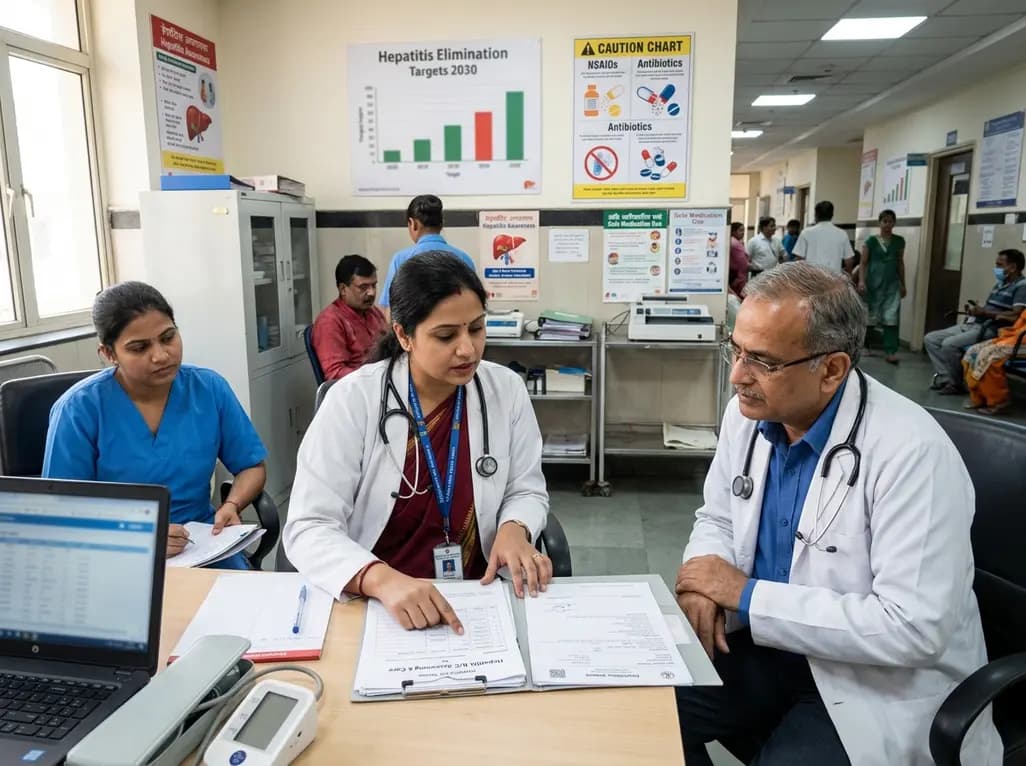
At a UN General Assembly side event, India reaffirmed its commitment to eliminate viral hepatitis B and C by 2030. Simultaneously, national drug authorities have cautioned clinicians and pharmacists against the indiscriminate prescription of NSAIDs and antibiotics to prevent drug-induced chronic kidney disease.
Today

A school-based intervention using the Health Action Process Approach (HAPA) significantly enhanced adolescents' perceived benefits of consulting healthcare providers and promoted proactive menstrual health behaviors, offering key clinical insights for managing adolescent dysmenorrhea and endometriosis.
Today
A landmark dose-response meta-analysis of 8.8 million adults reveals that high ultra-processed food intake significantly elevates risks for cardiovascular disease, cancer, diabetes, depression, and all-cause mortality, highlighting urgent needs for clinical lifestyle interventions.
Today
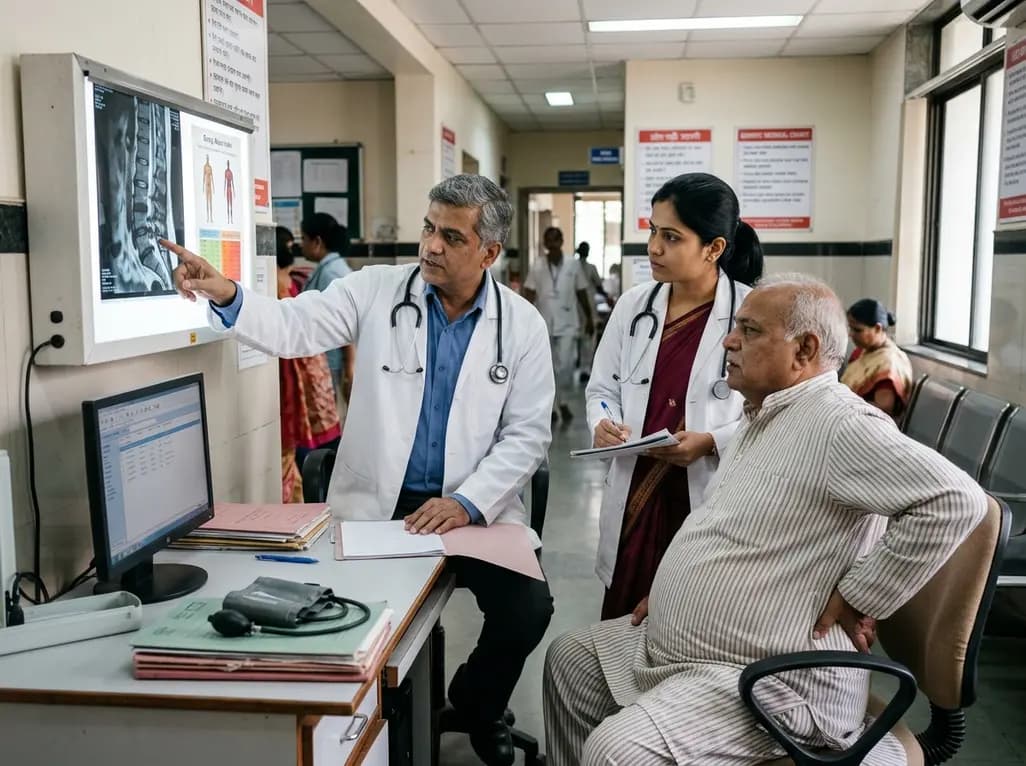
A cross-sectional study reveals that sarcopenic obesity independently increases functional impairment and severe disc degeneration in patients with degenerative lumbar spinal stenosis, highlighting the need for body composition assessment.
Today
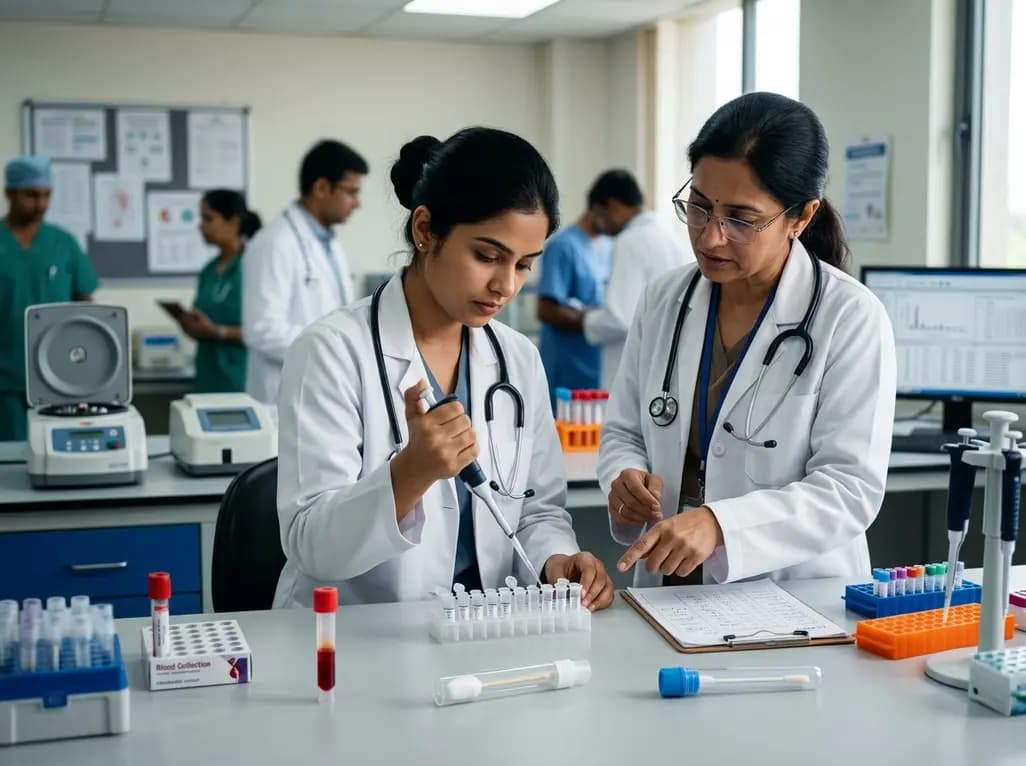
Non-invasive biospecimen sampling offers exciting opportunities for stress medicine. This article examines a pioneering protocol comparing cortisol, inflammatory cytokines, and metabolic markers across blood plasma, whole saliva, and oral mucosal transudate during baseline and acute stress states.
Today
