.webp&w=384&q=75)

Loading, please wait...
Loading, please wait...

Critical care environments place intense psychological strain on clinicians through unrelenting exposure to acute patient deterioration, high mortality rates, and rapid decision-making. Intensive care unit physicians and nurses routinely manage complex physiological crises, which significantly elevates their baseline risk for severe anxiety, moral injury, and occupational burnout. Furthermore, persistent occupational stress directly impairs cognitive focus, clinical communication, and personal resilience among frontline healthcare personnel. Evaluating structured psychological interventions such as EMDR for ICU anxiety provides a valuable pathway toward restoring workplace mental health. While conventional coping mechanisms frequently offer only short-term emotional relief, structured psychotherapy addresses deep-seated traumatic memory processing. Consequently, modern healthcare institutions actively investigate non-pharmacological modalities that deliver sustained emotional desensitization without disrupting demanding shift schedules. In intensive care settings, staff burnout affects not only individual health but also patient safety and overall treatment quality. Therefore, establishing targeted, evidence-based psychological support programs tailored specifically for critical care workers remains an urgent clinical priority across contemporary health systems. Addressing these challenges proactively fosters an institutional culture of safety, empathy, and professional longevity.
Eye Movement Desensitization and Reprocessing operates by facilitating the adaptive processing of distressing workplace memories through standardized bilateral stimulation. Specifically, the therapist guides the clinician through targeted eye movements, auditory tones, or tactile taps while focusing on distressing ICU-related memories. This process helps the central nervous system reprocess maladaptive cognitive and somatic representations linked to acute trauma. Furthermore, the structured protocol allows clinicians to reframe negative self-referential beliefs into adaptive, constructive cognitive responses. Unlike conventional talk therapy, this specialized therapeutic approach does not require extensive verbal narration of traumatic events, which often reduces immediate emotional fatigue during sessions. In a typical eight-session intervention delivered twice weekly, participants complete systematic stages including history taking, preparation, assessment, desensitization, and installation. Consequently, healthcare workers systematically process severe anxiety triggers without feeling overwhelmed by detailed exposure. Moreover, bilateral stimulation engages neural networks involved in memory reconsolidation, allowing participants to integrate distressing memories into long-term storage without triggering acute autonomic hyperarousal. As a result, clinicians experience reduced hypervigilance and enhanced emotional self-regulation during demanding shift work.
Recent clinical research evaluates the efficacy of structured psychotherapy among intensive care nurses and physicians assigned to either intervention or control groups. Baseline assessments using standardized tools like the Beck Anxiety Inventory confirmed high pre-intervention anxiety levels across all clinical participants. Subsequently, the intervention cohort completed an eight-session protocol over four weeks, while the control group received standard institutional support. Upon post-intervention evaluation, statistical analysis demonstrated a statistically significant reduction in anxiety scores within the intervention group compared to baseline and control measurements. Furthermore, analysis of covariance controlling for baseline severity confirmed that the therapeutic benefit resulted directly from the intervention rather than external confounding variables. Remarkably, the study reported zero dropouts, indicating exceptionally high treatment compliance and feasibility among busy critical care personnel. These objective findings confirm that brief targeted protocols successfully alleviate acute psychological distress in high-pressure clinical environments. Additionally, reduced anxiety severity correlated with improved emotional stability, suggesting that structured desensitization strengthens personal coping capacities under severe workplace pressure. Consequently, these data provide robust empirical support for introducing formal psychological protocols in intensive care units.
Integrating evidence-based psychological modalities into hospital systems offers clear operational and clinical advantages for healthcare organizations. Chronic anxiety among ICU clinicians contributes to medical errors, interpersonal conflict, absenteeism, and premature career departure. However, implementing targeted psychotherapeutic programs helps mitigate these organizational risks by systematically restoring emotional equilibrium. Hospital leadership must actively recognize that staff mental health directly impacts patient outcomes and hospital safety culture. Therefore, establishing dedicated wellness pathways that provide confidential access to certified therapists can dramatically transform institutional resilience. In addition, providing flexible session scheduling allows shift workers to participate without compromising unit coverage or clinical duties. When medical institutions prioritize psychological well-being, clinicians report higher job satisfaction, improved clinical performance, and reduced emotional exhaustion. Furthermore, proactive trauma processing prevents the progression of situational anxiety into chronic post-traumatic stress disorder. Consequently, hospital administrators who invest in structured psychological support build more sustainable, resilient critical care teams. Ultimately, embedding evidence-based therapy into routine healthcare operations demonstrates a tangible institutional commitment to workforce health, benefiting both clinicians and the patients under their care.
Despite proven therapeutic efficacy, implementing psychological interventions within critical care departments requires overcoming several systemic barriers. Clinicians frequently encounter institutional stigma surrounding mental health support, which delays timely professional help-seeking. Furthermore, demanding shift rotations, unexpected clinical emergencies, and staffing shortages complicate regular attendance at therapeutic sessions. To address these obstacles, healthcare organizations must cultivate supportive workplace environments where mental healthcare is normalized and easily accessible. Collaborative efforts involving hospital administration, psychiatric departments, and intensive care leadership are vital for establishing seamless referral pathways. In addition, offering remote or hybrid session formats can significantly enhance participation among busy healthcare professionals. Training clinical supervisors to identify early indicators of severe anxiety allows for prompt psychological triage before severe burnout occurs. Moreover, tracking outcome metrics helps demonstrate program effectiveness and justifies ongoing institutional funding. By systematically addressing operational constraints and reducing social stigma, health systems can successfully embed structured psychotherapeutic support into routine staff wellness programs. Consequently, multidisciplinary integration ensures long-term emotional sustainability for frontline critical care personnel, ultimately strengthening overall healthcare delivery.
Clinicians often observe meaningful reductions in anxiety after four to six structured sessions, although individual responses vary based on baseline trauma severity. The structured protocol enables rapid processing of specific workplace triggers without extensive verbal therapy. Consequently, many ICU staff report decreased hypervigilance, improved sleep quality, and better emotional regulation halfway through an eight-session intervention. Completing the full treatment course ensures long-term emotional stability and sustained professional resilience.
Only licensed mental health professionals with specialized training in bilateral stimulation protocols can safely deliver this therapy. However, non-psychiatric clinicians, nurse managers, and department heads play a crucial role in recognizing acute anxiety symptoms and making timely referrals. Establishing clear organizational guidelines ensures that critical care workers facing severe occupational distress receive appropriate, confidential, and professional psychological support from certified therapists without experiencing unnecessary administrative delay or social stigma.
While cognitive behavioral therapy relies heavily on verbal restructuring and homework assignments, this specialized therapy utilizes bilateral stimulation to reprocess distressing memories directly. Consequently, healthcare professionals who feel emotionally exhausted by detailed verbal discussions often find bilateral stimulation more accessible. Both modalities effectively treat anxiety, but bilateral stimulation frequently achieves rapid emotional desensitization in fewer sessions, making it particularly suitable for time-constrained ICU doctors and nurses.
Disclaimer: This content is for informational and educational purposes only and does not constitute medical advice, diagnosis, or treatment. Refer to the latest local and national guidelines for clinical practice.
References

Read summarized clinical updates, watch expert medical content, and earn CME certifications right from your smartphone.
Open your smartphone camera to scan and install.





A clinical study demonstrates that an eight-session EMDR therapy protocol significantly reduces anxiety severity in intensive care unit physicians and nurses. This evidence underscores the role of structured psychotherapeutic interventions in mitigating occupational trauma and staff burnout.
last month

A nationwide registry study reveals significant geographical disparities in referrals and treatment initiation for functional somatic disorders. The findings underscore the need for equitable specialized access, robust primary care integration, and multidisciplinary clinical pathways.
Today

A school-based intervention using the Health Action Process Approach (HAPA) significantly enhanced adolescents' perceived benefits of consulting healthcare providers and promoted proactive menstrual health behaviors, offering key clinical insights for managing adolescent dysmenorrhea and endometriosis.
Today

A global dose-response meta-analysis of 8.8 million adults reveals that consuming an extra 100 grams of processed food daily raises cardiovascular event risk by 14%. Explore how industrial additives, systemic inflammation, and metabolic disruption heighten long-term multimorbidity and cardiometabolic risks.
Today

A psychometric validation study confirms that the Turkish Copenhagen Hip and Groin Outcome Score (HAGOS-T) offers excellent reliability, construct validity, and interpretability for patients with hip osteoarthritis, providing clinicians with a robust tool for functional assessment.
Today
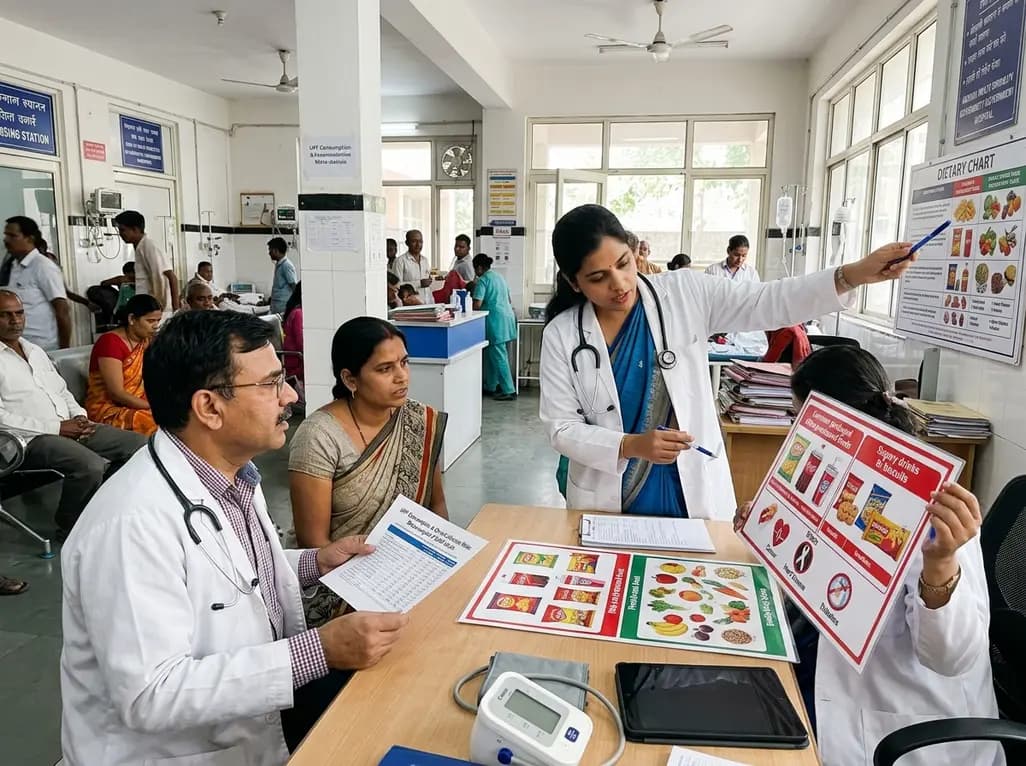
A landmark dose-response meta-analysis of 8.8 million adults reveals that high ultra-processed food intake significantly elevates risks for cardiovascular disease, cancer, diabetes, depression, and all-cause mortality, highlighting urgent needs for clinical lifestyle interventions.
Today
