.webp&w=384&q=75)

Loading, please wait...
Loading, please wait...

Functional somatic disorders represent a complex group of persistent physical symptoms that clinical investigations cannot fully attribute to structural pathology. Consequently, functional somatic disorders impose a substantial clinical burden across ambulatory healthcare networks. Patients frequently present with distressing complaints, including debilitating fatigue, chronic musculoskeletal pain, and persistent gastrointestinal discomfort. However, primary care physicians often encounter diagnostic dilemmas when standard investigations yield unremarkable laboratory and radiological results. Therefore, clinicians must adopt a comprehensive biopsychosocial framework rather than relying solely on exclusionary testing.
Furthermore, early clinical identification remains vital to prevent invasive investigations and unnecessary diagnostic delays. In addition, persistent bodily distress significantly impairs daily functioning and emotional well-being. Notably, these conditions generate extensive healthcare utilization, repeat outpatient visits, and frequent specialist consultations. As a result, healthcare systems require structured diagnostic pathways that link primary care with interdisciplinary expertise. Ultimately, timely identification validates lived experiences and initiates rehabilitation protocols without therapeutic delay.
Access to tertiary medical facilities often reveals striking disparities across distinct geographical jurisdictions. For instance, recent registry investigations reveal substantial municipal variations in referral rates and treatment initiation for severe bodily distress. Specifically, specialized centers for functional somatic disorders receive referrals for merely one percent of identified individuals. Furthermore, among patients who successfully obtain a specialist referral, only half ultimately initiate structured rehabilitative treatment. Consequently, substantial friction exists within conventional referral pathways, leaving high-need cohorts without appropriate therapeutic support.
Moreover, geographic proximity to specialized tertiary centers directly influences the likelihood of receiving interdisciplinary intervention. In particular, patients residing in peripheral or rural municipalities encounter reduced access compared to urban populations. Therefore, regional providers often manage complex symptom clusters in relative clinical isolation. Similarly, prolonged travel distances create tangible physical, logistical, and financial obstacles for symptomatic patients. As a result, geographic location inadvertently determines clinical trajectories, reinforcing systemic inequities within comprehensive medical systems.
Sociodemographic factors play an influential role in the prevalence and management of chronic functional symptoms. In general, clinical data indicate that functional somatic disorders disproportionately affect older adults and female patients. Furthermore, individuals facing socio-economic disadvantage consistently exhibit heightened vulnerability to persistent bodily distress syndromes. In addition, patients living without a domestic partner report higher rates of symptom severity and disability. However, socially vulnerable patients face the greatest barriers when attempting to access specialized centers.
Importantly, economic constraints and lower health literacy often restrict effective patient advocacy and healthcare navigation. Consequently, marginalized individuals experience significant delays before clinicians identify underlying neurobiological and functional mechanisms. Therefore, these patients undergo repetitive diagnostic workups without lasting symptom resolution. Moreover, social isolation diminishes essential emotional buffering and community coping mechanisms during severe flare-ups. Ultimately, addressing systemic disparities demands equitable resource allocation, proactive primary care screening, and accessible community support networks.
Optimal clinical management of persistent bodily distress requires coordinated care across multiple medical specialties. Therefore, dedicated tertiary centers offer comprehensive multidisciplinary interventions tailored to complex functional somatic syndromes. In particular, these specialized facilities integrate psychiatric consultation, psychological counseling, physical rehabilitation, and medical assessment. However, current institutional capacity remains inadequate to serve the high volume of symptomatic patients. As a result, long waiting lists and strict referral criteria frequently restrict service entry.
Furthermore, early collaborative care between primary physicians and multidisciplinary specialists produces the most durable therapeutic outcomes. Structured cognitive behavioral therapies and graded exercise programs effectively alleviate central sensitization and somatic distress. Similarly, collaborative pain management frameworks restore physical capacity and daily occupational engagement. Notably, specialized centers establish clear therapeutic goals, active coping skills, and balanced illness beliefs. Consequently, structured interventions diminish secondary healthcare utilization and emergency room attendance across regional populations.
Primary care physicians occupy the frontline in managing functional somatic disorders and establishing therapeutic rapport. First, clinicians should formulate a constructive, positive diagnosis based on characteristic symptom patterns rather than purely negative test results. In addition, doctors must provide transparent, empathetic explanations regarding altered neurobiological processing and bodily hypersensitivity. However, clinicians must avoid dismissive language that delegitimizes real patient distress. Therefore, validating the patient's physical suffering fosters mutual trust and reduces diagnostic anxiety.
Moreover, primary care management requires scheduled, time-contingent outpatient reviews rather than symptom-driven urgent appointments. This proactive scheduling strategy prevents crisis-driven acute hospital admissions and reduces unnecessary diagnostic investigations. Furthermore, family physicians can initiate evidence-based lifestyle modifications, sleep hygiene counseling, and gradual physical reactivation. In particular, judicious pharmacotherapy, such as low-dose neuromodulating antidepressants, can alleviate comorbid sleep disruption and sensory amplification. Ultimately, empowering primary care providers creates a sustainable foundation for comprehensive outpatient management.
The lessons derived from regional referral studies carry universal relevance for healthcare systems worldwide. Notably, fragmented healthcare delivery frequently exacerbates geographical and economic inequalities across diverse patient populations. In developing and established health systems alike, rural populations encounter persistent shortages of specialized neuro-psychiatric and rehabilitative services. Consequently, patients with persistent somatic symptoms frequently navigate uncoordinated specialty consultations across multiple departments. Therefore, health authorities must prioritize decentralization of multidisciplinary care models through innovative service configurations.
Furthermore, digital health interventions and structured teleconsultation platforms offer promising mechanisms to bridge geographic disparities. Specifically, virtual multidisciplinary team conferences allow tertiary specialists to supervise primary care practitioners in remote clinical settings. In addition, internet-delivered cognitive behavioral therapy provides scalable evidence-based treatment directly to geographically isolated individuals. Similarly, standardized clinical guidelines empower community healthcare centers to execute initial diagnostic and rehabilitative protocols. Ultimately, dismantling geographic barriers requires sustained clinician education, strategic infrastructural investments, and coordinated cross-specialty clinical networks.
Clinicians differentiate functional somatic disorders by identifying positive diagnostic criteria, including multi-system symptom clustering, bodily hypersensitivity, and persistent illness worry, rather than relying solely on negative test results. In addition, physicians conduct targeted laboratory evaluations to rule out occult inflammatory, metabolic, or autoimmune conditions. Consequently, identifying characteristic symptom dynamics, excessive somatic preoccupation, and non-dermatomal sensory distributions allows physicians to establish an accurate, timely diagnosis without subjecting patients to repetitive, invasive testing procedures.
Geographic disparities limit access because specialized centers for bodily distress are predominantly situated within major metropolitan tertiary hospitals. Consequently, individuals living in distant rural regions encounter prolonged travel burdens, financial strain, and fragmented medical follow-up. Furthermore, peripheral primary clinics frequently lack direct referral pathways and multidisciplinary resources, including specialized psychotherapy and tailored physical rehabilitation. Therefore, geographically isolated patients experience protracted diagnostic delays, symptom chronification, and higher rates of preventable disability compared to their urban counterparts.
First-line management emphasizes structured psychoeducation that validates genuine physical symptoms while explaining altered neurobiological signaling. In addition, cognitive behavioral therapy helps patients reframe maladaptive symptom interpretations and overcome avoidance behaviors. Furthermore, supervised graded exercise therapy gradually rebuilds physiological tolerance without triggering severe symptom flares. Notably, regular relaxation training, sleep optimization protocols, and scheduled, supportive general practice reviews provide sustainable symptomatic relief. Together, these non-pharmacological approaches empower patients, improve daily functional status, and diminish long-term healthcare dependency.
Disclaimer: This content is for informational and educational purposes only... Refer to the latest local and national guidelines for clinical practice.
References

Read summarized clinical updates, watch expert medical content, and earn CME certifications right from your smartphone.
Open your smartphone camera to scan and install.





A nationwide registry study reveals significant geographical disparities in referrals and treatment initiation for functional somatic disorders. The findings underscore the need for equitable specialized access, robust primary care integration, and multidisciplinary clinical pathways.
Today

A school-based intervention using the Health Action Process Approach (HAPA) significantly enhanced adolescents' perceived benefits of consulting healthcare providers and promoted proactive menstrual health behaviors, offering key clinical insights for managing adolescent dysmenorrhea and endometriosis.
Today

A global dose-response meta-analysis of 8.8 million adults reveals that consuming an extra 100 grams of processed food daily raises cardiovascular event risk by 14%. Explore how industrial additives, systemic inflammation, and metabolic disruption heighten long-term multimorbidity and cardiometabolic risks.
Today

A psychometric validation study confirms that the Turkish Copenhagen Hip and Groin Outcome Score (HAGOS-T) offers excellent reliability, construct validity, and interpretability for patients with hip osteoarthritis, providing clinicians with a robust tool for functional assessment.
Today
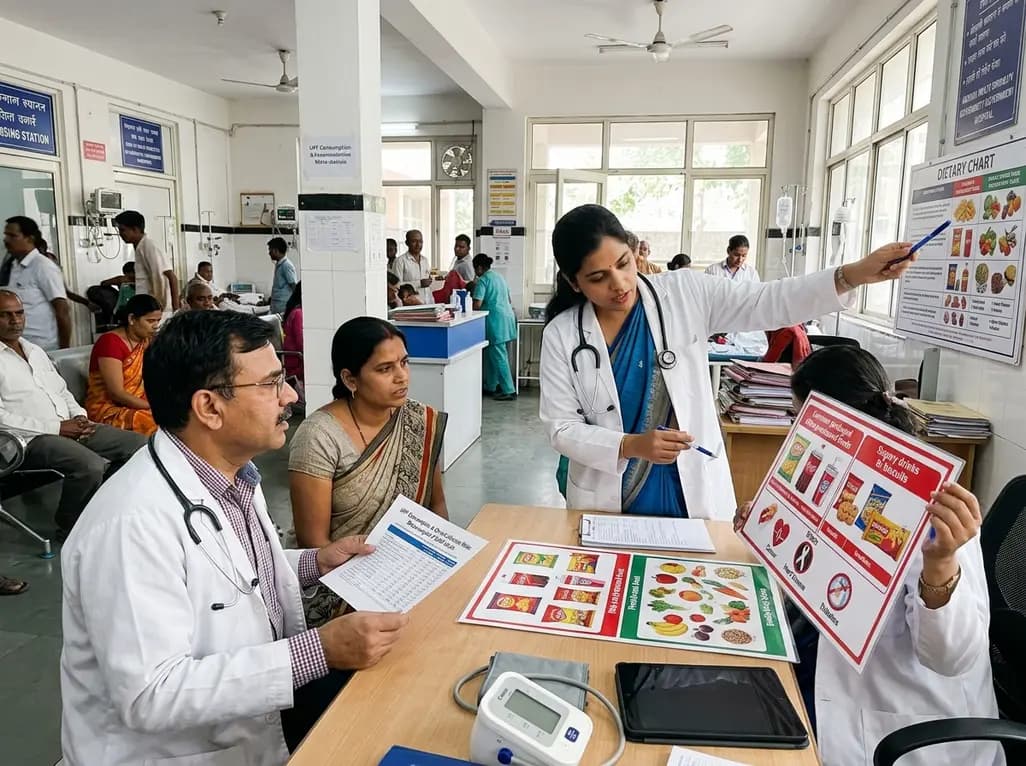
A landmark dose-response meta-analysis of 8.8 million adults reveals that high ultra-processed food intake significantly elevates risks for cardiovascular disease, cancer, diabetes, depression, and all-cause mortality, highlighting urgent needs for clinical lifestyle interventions.
Today
