

Loading, please wait...
Loading, please wait...

The clinical approach to elderly low-grade gliomas presents unique hurdles in contemporary neuro-oncology as populations live longer worldwide. Historically, clinical studies grouped all patients over 65 years into a single broad demographic cohort. Unfortunately, this practice concealed age-specific differences between younger retirees and the oldest-old, specifically patients aged 85 years and older. Due to entrenched therapeutic nihilism, physicians frequently assumed that intracranial low-grade gliomas in advanced age warranted only supportive or palliative measures. Practitioners worried that perioperative mortality and diminished functional reserve would eclipse any therapeutic benefit. However, modern magnetic resonance neuroimaging now identifies these indolent intracranial neoplasms with exceptional precision. Very elderly patients rarely present with typical intracranial hypertension symptoms. Instead, they present with subtle cognitive fluctuations, unsteady gait, or unprovoked late-onset focal seizures. Consequently, clinicians must maintain a high index of clinical suspicion to prevent misdiagnosing gliomas as acute ischemic strokes or progressive neurodegenerative dementias. Establishing an accurate tissue and molecular diagnosis remains paramount because biological fitness often diverges sharply from chronological age. Therefore, early systematic evaluation ensures that oldest-old patients avoid both unnecessary overtreatment and nihilistic undertreatment.
To clarify management outcomes in this understudied group, investigators conducted a multivariable assessment of the SEER registry spanning 2000 through 2022. The study evaluated 1,124 patients aged 75 years and older who had histologically confirmed intracranial low-grade gliomas. Importantly, researchers stratified participants into two cohorts: an elderly group aged 75 to 84 years and a very elderly group aged 85 years and older. The elderly cohort included 942 patients, while the very elderly cohort comprised 182 individuals. Multivariable Cox proportional hazards regression models analyzed overall survival while controlling for demographic, clinical, and therapeutic variables. In addition, the investigators discovered that prognostic determinants differed markedly between these age categories. Chronological age above 85 years did not universally predict futile surgical outcomes. Instead, the analysis highlighted that active neurosurgical management strongly influenced overall survival in both cohorts. These real-world registry findings substantially challenge historical conventions that discouraged surgical resections in octogenarians and nonagenarians. Furthermore, the data provide clinicians with objective epidemiological evidence to guide shared decision-making with families. Ultimately, robust risk stratification confirms that the oldest-old represent a distinct population deserving individualized oncological consideration.
The extent of surgical cytoreduction serves as a critical determinant of overall survival among very elderly individuals. In the primary cohort aged 85 years and older, both subtotal and gross total resection independently conferred significant survival benefits. Specifically, multivariable Cox regression demonstrated a hazard ratio of 0.628 for subtotal resection, which corresponds to a 37 percent reduction in mortality. Similarly, gross total resection achieved a hazard ratio of 0.543, yielding an impressive 46 percent reduction in mortality risk. In the comparison cohort of patients aged 75 to 84 years, subtotal resection also significantly enhanced patient survival. Surgical resection effectively decompresses adjacent neural parenchyma, relieves elevated intracranial pressure, and reduces intractable seizure burdens. Moreover, surgical debulking yields substantial pathological tissue, permitting essential immunohistochemical and molecular analyses that guide subsequent prognosis. Modern surgical adjuncts, including intraoperative neuronavigation, operating microscopes, and real-time cortical mapping, permit safe cytoreduction while preserving vital eloquent cortex. Consequently, neurosurgeons should not automatically withhold operative therapy based solely on advanced chronological milestones. Instead, surgical teams must carefully weigh cytoreductive gains against potential postoperative functional deficits.
Although surgical debulking delivered pronounced survival advantages, adjuvant oncological modalities demonstrated distinct patterns in the oldest-old cohort. Among patients aged 85 years and older, neither chemotherapy nor radiotherapy demonstrated a statistically significant overall survival benefit. However, the SEER analysis clearly revealed that adjuvant therapies caused no demonstrable statistical harm or excess mortality. In younger adult populations, adjuvant radiotherapy and alkylating chemotherapy remain standard interventions for high-risk low-grade gliomas. Nevertheless, physiological vulnerabilities in nonagenarians substantially shift this standard risk-benefit equilibrium. Aging brains display elevated susceptibility to radiation-induced leukoencephalopathy, accelerated neurocognitive decline, and debilitating radionecrosis. Additionally, systemic cytotoxic chemotherapy frequently induces severe myelosuppression, hepatotoxicity, and life-threatening opportunistic infections in frail geriatric patients. Therefore, oncologists must exercise clinical prudence before administering aggressive adjuvant regimens to patients aged 85 and older. Clinicians should reserve radiation or chemotherapy for selected cases demonstrating rapid progression or symptomatic inoperable recurrence. For most stable very elderly patients, active surveillance with sequential neuroimaging following maximal safe resection represents a balanced strategy. Multidisciplinary teams must prioritize preserving functional baseline autonomy and overall quality of life.
Translating these epidemiological findings into everyday clinical practice demands comprehensive geriatric assessment and unified multidisciplinary decision-making. Neurosurgeons, neuro-oncologists, radiation oncologists, geriatricians, and palliative care specialists must collaborate closely when evaluating very elderly patients. Rather than using age as an absolute contraindication, clinical teams should objectively evaluate physiological reserve and functional independence. Validated scoring instruments, including the Karnofsky Performance Scale and the Clinical Frailty Scale, offer reliable guidance. Specifically, preoperative optimization of cardiovascular, pulmonary, and metabolic comorbidities significantly reduces perioperative morbidity during intracranial interventions. Furthermore, specialized neuro-anesthesia protocols help preserve cerebral hemodynamics, minimize intraoperative fluctuations, and reduce postoperative delirium. Additionally, managing polypharmacy and optimizing nutritional reserves enhances surgical recovery and wound healing. Early postoperative involvement of physical, occupational, and speech therapists accelerates functional recovery and prevents hospital-acquired debility. In addition, transparent discussions with patients and family caregivers regarding goals of care ensure therapeutic alignment with personal values. Ultimately, personalized surgical care and judicious adjuvant therapy provide very elderly patients with meaningful survival and sustained neurocognitive function.
Yes, robust registry data confirm that both gross total resection and subtotal resection significantly improve overall survival in patients aged 85 and older. Surgical tumor removal reduces intracranial pressure, improves neurological deficits, and decreases mortality risk without causing disproportionate harm in appropriately selected individuals with adequate physiological reserve.
Routine adjuvant radiotherapy and chemotherapy do not demonstrate a statistically significant survival benefit in patients aged 85 and older with low-grade gliomas. Although these therapies do not directly increase mortality, potential toxicities like cognitive impairment and bone marrow suppression suggest clinicians should reserve them for documented progression or unresectable symptomatic disease.
Surgical candidacy depends primarily on biological reserve rather than chronological age. Multidisciplinary teams should utilize validated frailty indices, performance scales, neurocognitive assessments, and medical comorbidity profiling. Patients with preserved functional status, accessible tumor locations, and significant mass effect derive the greatest clinical benefit from safe, targeted cytoreductive surgery.
Disclaimer: This content is for informational and educational purposes only and does not substitute professional medical advice, diagnosis, or treatment. Refer to the latest local and national guidelines for clinical practice.
References

Read summarized clinical updates, watch expert medical content, and earn CME certifications right from your smartphone.
Open your smartphone camera to scan and install.





A SEER registry analysis shows that both gross total and subtotal resection significantly improve overall survival in very elderly patients (≥85 years) with low-grade gliomas. Adjuvant radiotherapy and chemotherapy demonstrated no survival benefit, highlighting the decisive role of safe surgical cytoreduction.
Today
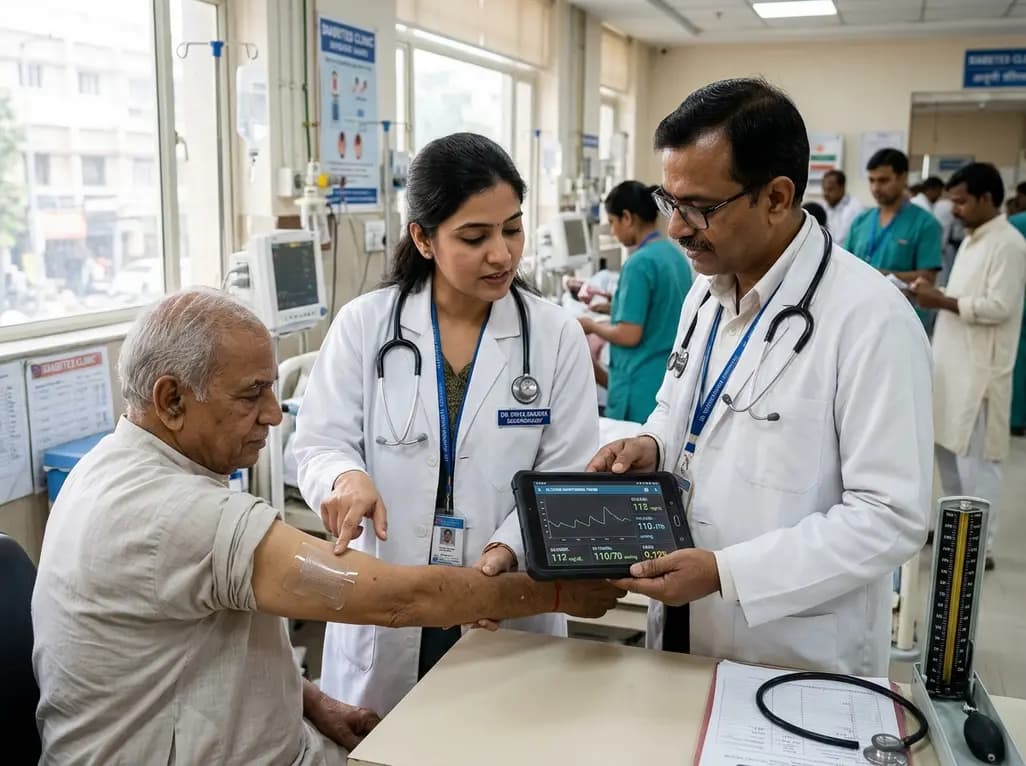
A breakthrough ultrathin multimodal sensor decouples physical hemodynamic monitoring from disposable electrochemical calibration, achieving long-term wearable glucose prediction with 81.36% accuracy and a 9.12% MARD. This offers a robust, drift-free solution for outpatient metabolic surveillance.
Today

A clinical review of menopause and neurology highlights the neurobiological impacts of midlife hormonal shifts on cognition, epilepsy, migraine, multiple sclerosis, and stroke, emphasizing safe hormone therapy prescribing.
Today

Co-administering antiseizure medications and DOACs frequently causes pharmacokinetic interactions, subtherapeutic drug levels, and thromboembolic failures. This review highlights enzyme induction risks, unpredictable outcomes with levetiracetam, and the vital role of therapeutic drug monitoring.
Today
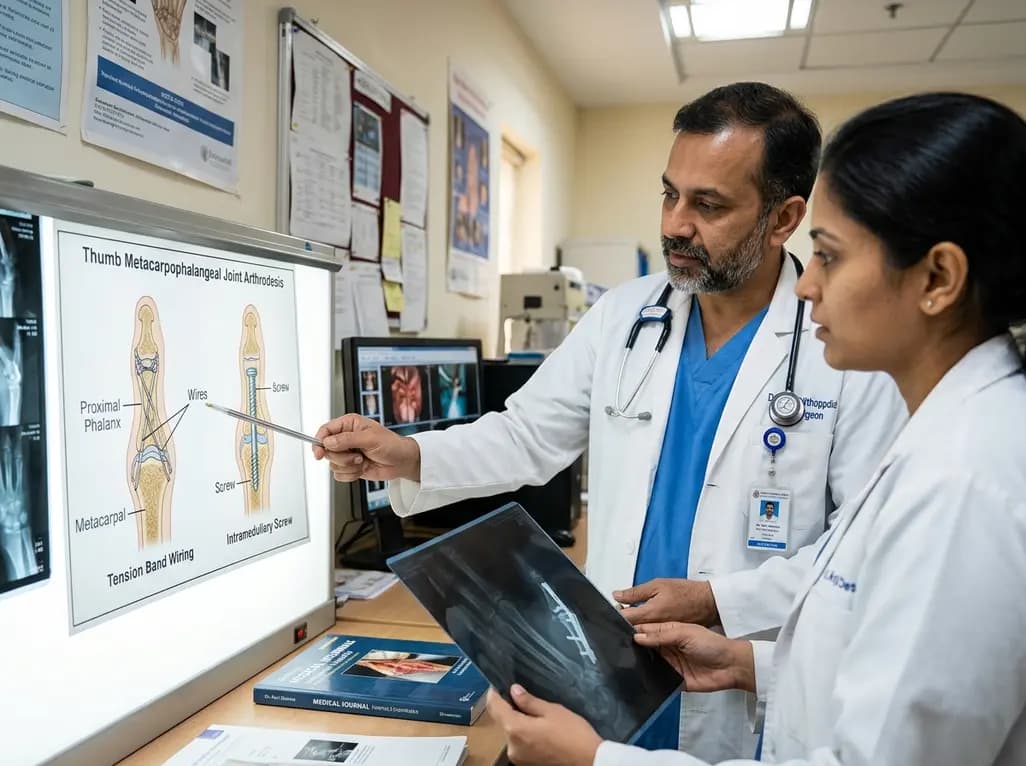
A comparative review of tension band wiring and intramedullary screw fixation in thumb metacarpophalangeal arthrodesis, evaluating union rates, hardware complications, and clinical outcomes.
Today
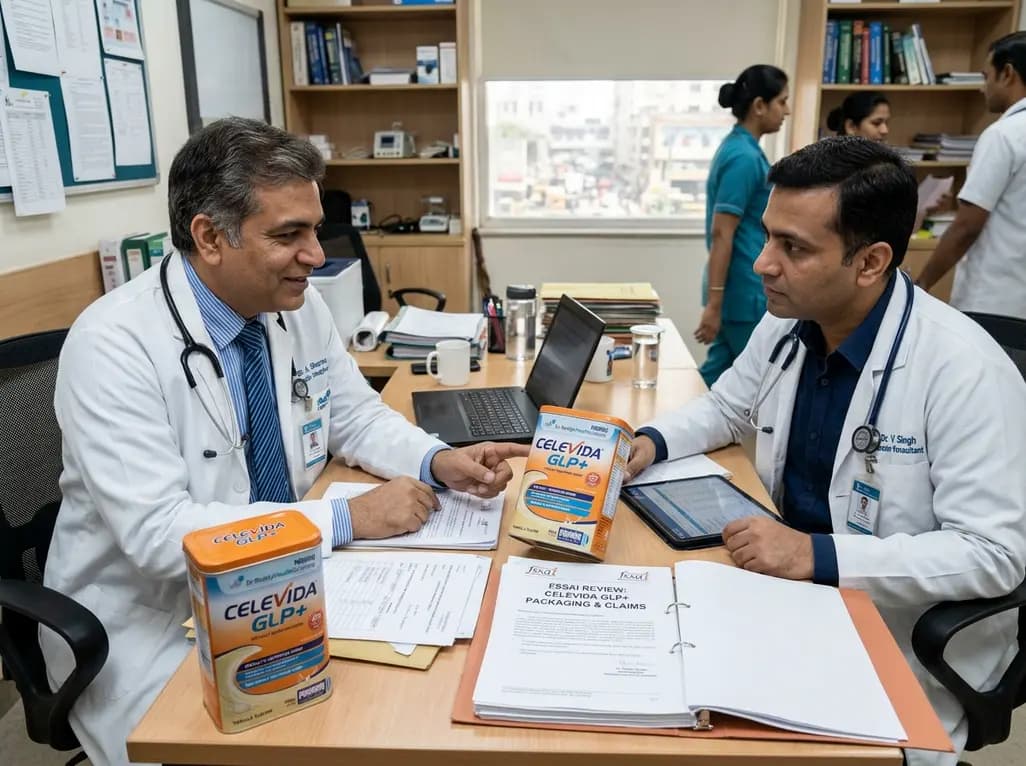
Following regulatory scrutiny from FSSAI regarding promotional representations and lean muscle preservation claims, Dr. Reddy's Laboratories and Nestlé Health Science are currently reviewing the branding and marketing strategy for their joint nutritional supplement Celevida GLP+.
Today
