.webp&w=384&q=75)

Loading, please wait...
Loading, please wait...

Comprehensive elder abuse education remains a critical yet historically neglected cornerstone of contemporary geriatric healthcare. As vulnerable demographic groups expand globally, practicing physicians frequently encounter subtle signs of mistreatment, neglect, and exploitation in clinical settings. Therefore, medical communities must prioritize robust diagnostic frameworks and interdisciplinary collaboration to safeguard vulnerable older adults effectively.
Historically, medical institutions treated elder mistreatment primarily as a private domestic dispute rather than a critical public health crisis. During the late twentieth century, groundbreaking sociologists and geriatricians began documenting high frequencies of physical injury, abandonment, and emotional cruelty among homebound seniors. Consequently, healthcare regulators realized that passive observation failed vulnerable patients. Academic centers subsequently pioneered specialized training modules, shifting the clinical focus toward active surveillance and early preventative intervention.
Over subsequent decades, professional curricula expanded significantly beyond simple bedside identification. In addition, multi-agency partnerships between legal systems, adult protective agencies, and hospital networks emerged to standardize reporting procedures. Health authorities recognized that isolated medical findings required multidisciplinary correlation to withstand judicial scrutiny. Furthermore, modern educational frameworks emphasize structured continuing medical education for practicing generalists and specialists alike. Today, elder abuse education integrates clinical epidemiology, behavioral ethics, and human rights advocacy into everyday clinical training. This systemic evolution empowers modern clinicians to recognize coercive control, protect human dignity, and mitigate preventable harm among elderly populations.
Accurate clinical detection requires acute diagnostic vigilance, as signs of mistreatment frequently mimic normal age-related degenerative conditions. For example, clinicians often confuse unintentional fall-related contusions with deliberate physical assault. However, injuries located on the face, neck, lateral torso, or posterior forearms should immediately raise suspicion of defensive trauma. Similarly, unexplained fractures or bilateral spiral lesions warrant comprehensive forensic inquiry.
Beyond acute physical trauma, neglect represents the most prevalent yet underdiagnosed category of elder mistreatment. Physicians must inspect patients for untreated pressure ulcers, severe malnutrition, poor personal hygiene, and severe dehydration without medical justification. Additionally, psychological abuse manifests through withdrawn behavior, pronounced agitation, or new-onset clinical depression during routine consultations. Healthcare workers must observe caregiver-patient dynamics attentively. Specifically, controlling caregivers who refuse to leave the patient unchaperoned or offer inconsistent injury narratives demand closer scrutiny. Routine cognitive screening using validated geriatric assessment tools helps clinicians uncover hidden cognitive impairments, which markedly elevate vulnerability to exploitation and domestic mistreatment.
Effective training modalities must move past traditional passive didactic lectures to create lasting clinical competencies. Therefore, progressive educational institutions now integrate interactive simulation labs, objective structured clinical examinations, and real-world case discussions into undergraduate and postgraduate medical curricula. Standardized patient simulations allow trainees to practice delicate interview techniques in safe environments. Through simulated interviews, learners discover how to question older adults privately without alarming accompanying relatives.
Furthermore, interprofessional training builds critical bridges between doctors, nurses, medical social workers, and legal advocates. When healthcare workers collaborate directly with legal counsel and law enforcement personnel during workshops, they grasp the statutory requirements of evidentiary medicine. In addition, digital learning platforms and micro-learning modules now deliver accessible continuing professional development to busy community doctors. These multimedia tools emphasize systematic photo-documentation of physical wounds, accurate narrative recording, and algorithmic decision pathways. As a result, multidisciplinary training instills diagnostic confidence, eliminates ambiguity during clinical assessments, and ensures synchronized institutional responses when elder abuse concerns arise.
Despite growing academic awareness, significant institutional and socio-cultural barriers persist across clinical environments. For instance, severe time constraints during outpatient consultations often discourage clinicians from conducting in-depth psychosocial screening. Moreover, many healthcare providers express pervasive fear regarding potential legal entanglements, retaliatory confrontations by violent family members, or damaging doctor-patient trust. Consequently, suspicion frequently goes undocumented, leaving vulnerable seniors trapped within hazardous environments.
Cultural factors present additional complex challenges, particularly within traditional societies. In many communities, extended family structures dominate caregiving arrangements. Patients frequently fear social stigmatization or complete abandonment if they disclose mistreatment perpetrated by their adult offspring. In response, educational curricula must incorporate cultural humility and advanced ethical communication frameworks. Clinicians must learn to balance patient autonomy against the duty to preserve physical safety. By reframing abuse screening as a compassionate, routine health inquiry rather than an aggressive forensic interrogation, healthcare professionals disarm defensive barriers. This balanced educational strategy encourages frightened older adults to seek necessary institutional assistance without fearing familial estrangement or immediate social reprisal.
The future of clinical elder care requires institutionalizing proactive educational mandates across all tiers of medical training. Historically, medical licensing authorities emphasized pediatric protection while allocating minimal attention to geriatric vulnerability. However, shifting demographic realities demand equivalent rigor for aging adults. Healthcare leadership must mandate competency-based certifications in geriatric abuse detection for primary care physicians, emergency doctors, and hospital specialists. Furthermore, continuous professional development programs must incorporate updated legal frameworks, including local protective welfare acts and mandatory reporting statutes.
Simultaneously, healthcare organizations must harness emerging clinical technologies to support frontline clinicians. Artificial intelligence algorithms embedded within electronic health records can flag high-risk clinical combinations, such as recurring traumatic injuries paired with frequent medication non-adherence. In addition, institutions should establish dedicated multidisciplinary consultation services comprising forensic nurses, geriatricians, and hospital social workers. When complex suspected abuse cases occur, frontline doctors can promptly mobilize these specialized teams. Ultimately, advancing education and standardizing clinical protocols will transform medical facilities into vigilant safe harbors for society's most vulnerable seniors.
Clinicians must thoroughly evaluate injury patterns, clinical histories, and patient explanations. Accidental injuries typically occur over bony prominences such as knees or elbows. In contrast, intentional injuries frequently present on the neck, face, torso, or posterior arms. Furthermore, inconsistent explanations between the caregiver and the patient, implausible delay in seeking medical care, and multiple bruises in varying healing stages strongly indicate intentional physical mistreatment requiring prompt forensic documentation and protective intervention.
Legal mandates vary by regional jurisdiction, but healthcare professionals generally carry an ethical and statutory obligation to safeguard vulnerable adults. For instance, Indian legislation under the Maintenance and Welfare of Parents and Senior Citizens Act establishes specific protective mechanisms. Consequently, clinicians must promptly report substantiated or suspected mistreatment to designated welfare officers or institutional protective bodies, while maintaining accurate medical records and upholding patient confidentiality to the greatest extent legally permitted.
Primary care physicians effectively utilize validated screening tools such as the Elder Abuse Suspicion Index and the Brief Abuse Screen for the Elderly. Additionally, direct questioning in a private setting without family members present significantly enhances diagnostic disclosure. Clinicians should routinely screen for caregiver strain, sudden functional decline, unexpected weight loss, and depressive symptoms, which collectively serve as vital early warning signs of chronic neglect or emotional exploitation in aging adults.
Disclaimer: This content is for informational and educational purposes only and does not constitute medical advice, diagnosis, or treatment. It should not be used as a substitute for professional healthcare guidance, clinical judgment, or institutional policies. Healthcare professionals must independently verify clinical information, interpret findings within individual patient contexts, and follow all applicable laws and regulations. Healthcare decisions remain the sole responsibility of licensed medical providers. Refer to the latest local and national guidelines for clinical practice.
References

Read summarized clinical updates, watch expert medical content, and earn CME certifications right from your smartphone.
Open your smartphone camera to scan and install.





Elder abuse education is essential for empowering clinicians to detect mistreatment, recognize forensic indicators, and navigate legal mandates. Enhancing interprofessional training and institutional policies ensures earlier intervention, protects patient dignity, and reduces preventable harm in aging populations.
Today
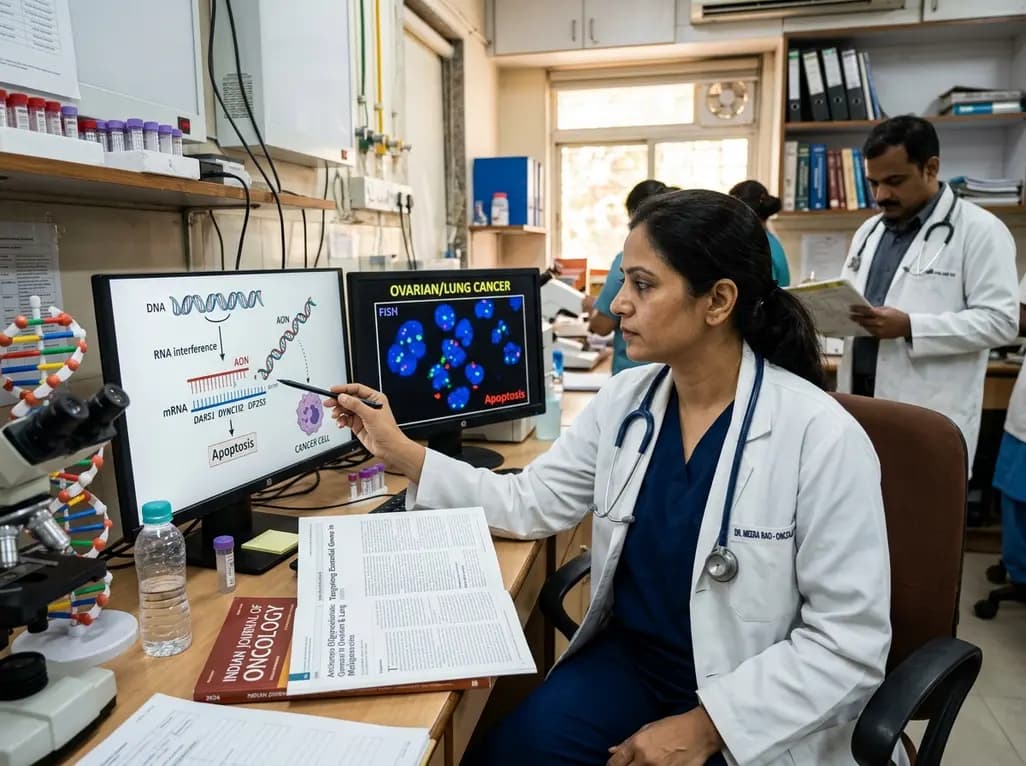
Novel preclinical research demonstrates that antisense oligonucleotides targeting essential genes such as DARS1, DYNC1I2, and EIF2S3 selectively induce apoptosis in ovarian and lung cancer cells. Conditional biomarker activation provides a viable strategy to spare normal tissue while overcoming therapy resistance.
Today
A recent study evaluates the impact of mean arterial pressure on cardiac output, pulmonary artery pulsatility index, and acute kidney injury during the first 24 hours after HeartMate 3 implantation, highlighting key hemodynamic targets for intensive care management.
Today
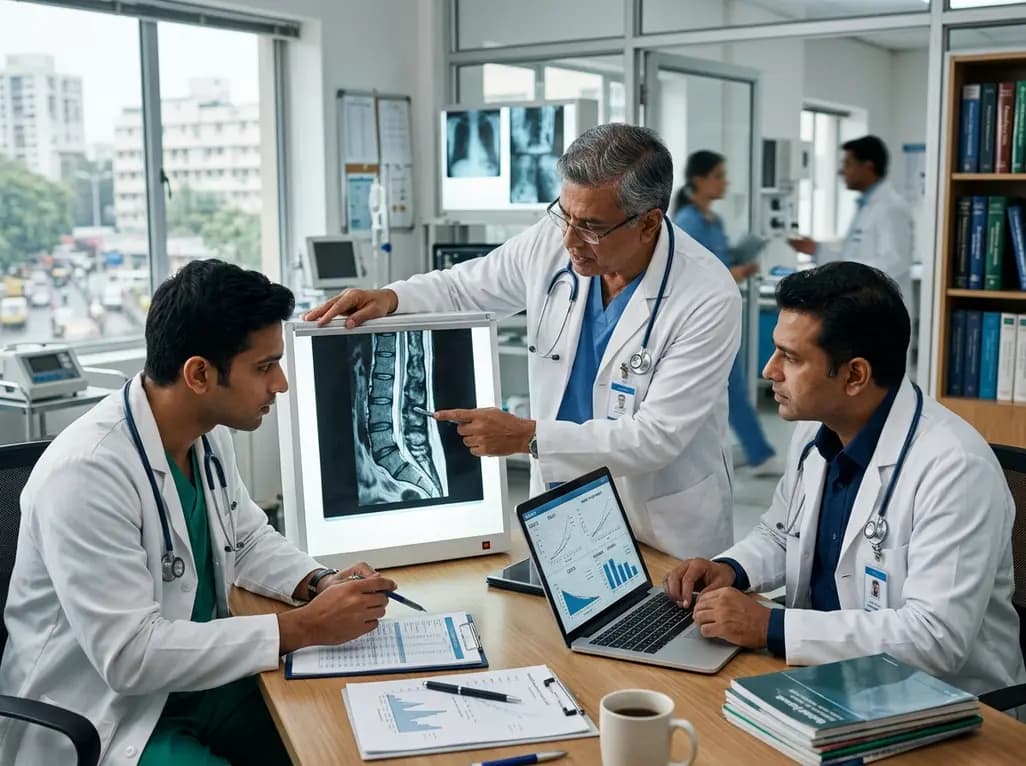
A 10-year Markov state-transition model shows minimally invasive tubular decompression dominates open laminectomy for pure lumbar spinal stenosis, yielding 5.95 vs 5.91 QALYs and saving $4,167 per patient through reduced complications and lower index costs.
Today
A systematic review evaluates the feasibility and safety of thyroidectomy after thermal ablation for thyroid nodules. Although procedures encounter significant fibrosis and surgical adhesions, permanent complication rates remain remarkably low in experienced centers.
Today
