.webp&w=384&q=75)

Loading, please wait...
Loading, please wait...

Electronic health records (EHRs) are much more than mere digital filing systems for patient history. They contain a vast, multidimensional landscape of clinical data that holds the key to modern precision medicine. However, the sheer complexity of this data often creates significant challenges for clinicians attempting to uncover meaningful patterns. Traditional manual analysis is no longer sufficient to navigate the billions of data points available today. Fortunately, EHR patient stratification using unsupervised machine learning is emerging as a powerful tool. This technique allows researchers and physicians to identify high-risk groups and understand the subtle links between comorbidities and premature aging. By leveraging advanced algorithms, we can finally begin to decode the hidden signatures of health and disease within complex patient populations.
Unsupervised clustering of high-dimensional clinical data represents a paradigm shift in how we view patient populations. Unlike supervised learning, which requires experts to label data beforehand, unsupervised learning explores the raw data to find natural groupings. A landmark study recently applied this methodology to characterize 100,272 patients within the eMERGE Network. This massive undertaking aimed to reveal hidden clinical patterns that traditional analysis might overlook. By processing extensive EHR data, the researchers could identify subtle associations between seemingly unrelated conditions. The study utilized complex algorithms to handle the noise and missing values inherent in clinical records. This process successfully grouped patients into 70 distinct clusters, each representing a unique comorbidity pattern. These clusters offer a granular map of how diseases co-aggregate in diverse populations. For the modern clinician, this data-driven approach provides a more objective way to stratify patients. It moves beyond the limitations of single-disease models and embraces the reality of multimorbidity. Consequently, the use of unsupervised learning is becoming an essential component of digital health infrastructure.
The discovery of 70 comorbidity clusters provides a revolutionary framework for understanding patient health. Each cluster defines a specific path of disease progression, showing how multiple chronic conditions interact over time. These patterns are not random; they reflect underlying biological pathways and environmental influences. For example, certain clusters highlighted strong links between cardiovascular disease, renal failure, and metabolic syndrome. Other groups revealed surprising connections between respiratory conditions and mental health disorders. To quantify the severity of these patterns, the researchers calculated Charlson Comorbidity Index (CCI) scores for every cluster. They identified several high-risk clusters where patients exhibited significantly elevated CCI scores and higher mortality rates. These findings were not limited to a single hospital but were validated across independent cohorts. This validation ensures that the identified patterns are consistent and clinically relevant. By recognizing these high-risk clusters, healthcare providers can prioritize resources for those most in need. Furthermore, this stratification allows for the development of specialized care pathways. Instead of treating isolated symptoms, doctors can address the holistic needs of patients within these specific comorbidity groups.
Patient stratification is deeply influenced by demographic factors, particularly age and sex. The study found that these two variables are the strongest drivers of how patients are grouped into clusters. Sex-specific biological differences often result in distinct phenotype prevalences and disease trajectories. For instance, some clusters were predominantly composed of female patients, highlighting specific risks in women's health. Age also plays a critical role, influencing not just which diseases a patient develops, but when they appear. The researchers observed that phenotype onset time is a crucial metric in this stratification process. However, the interplay between age and other factors is dynamic. While genetic variation contributes significantly to phenotype development in younger individuals, its role seems to recede during the aging process. This suggests that the impact of one's environment and lifestyle accumulates over time, eventually overshadowing initial genetic predispositions. For geriatricians, this insight is vital. It emphasizes the importance of lifelong health management and suggests that prevention strategies must be tailored to different life stages. Understanding how age and sex shape these clusters helps clinicians deliver more personalized and effective care.
One of the most significant takeaways from the study is the link between phenotype onset and premature aging. The researchers discovered that the timing of disease onset accurately predicted a patient's chronological age. More importantly, early onset was strongly associated with an increased risk of overall mortality. This phenomenon is often described as premature aging, where the biological system deteriorates faster than expected. Patients who fall into these high-risk clusters frequently show a rapid accumulation of comorbidities. By analyzing EHR data, clinicians can identify these \"fast-agers\" long before traditional clinical signs appear. This predictive capability is a major advancement in preventive medicine. When a patient shows multiple phenotype onsets ahead of their age group, it serves as a red flag for underlying systemic frailty. These patients require more aggressive management of risk factors and closer follow-up. This research highlights that age is not just a number on a chart but a complex biological process reflected in the EHR. Recognizing the signatures of premature aging allows for interventions that could potentially slow down the progression of frailty and extend a patient's healthy lifespan.
The study also explored the complex relationship between genetic variation and multimorbidity. Researchers assessed how much genetics contributes to the development of various phenotypes across the 70 clusters. They found evidence of cross-phenotype associations, suggesting that certain genetic traits predispose individuals to multiple, related conditions. This genetic underpinning explains why certain diseases frequently co-occur in specific patient groups. However, a fascinating finding was the receding influence of genetics as patients age. This phenomenon is likely due to survival selection among older participants in observational studies. Essentially, individuals with the highest genetic risk for severe diseases may not survive into late seniority. Those who do reach older ages often represent a \"resilient\" group where environmental factors and lifestyle choices have a greater impact on health outcomes. This finding has profound implications for how we interpret genetic risk in the elderly. It suggests that while genetic screening is valuable in younger populations, its predictive power may diminish in geriatric care. Doctors should focus on the phenotypic reality of the patient rather than relying solely on genetic markers when managing older adults.
Validating clinical findings across different patient populations is essential for scientific integrity. The researchers took the extra step of testing their clustering model on an independent cohort to ensure accuracy. The results were remarkably consistent, confirming that the identified high-risk clusters and comorbidity patterns are robust. This validation proves that unsupervised EHR patient stratification is a reliable tool for clinical discovery. It moves the technology one step closer to being used in actual hospital settings. The ability to automatically classify a patient into a specific high-risk group upon admission would be invaluable. It would allow for immediate risk assessment and more efficient triage. Furthermore, this study highlights the survival selection process, where older participants show different risk profiles than younger ones. This insight helps explain why some observational studies show conflicting results regarding aging and health. Overall, the study offers a powerful methodology for extracting insights from unannotated clinical data. It paves the way for a future where digital health records are used to proactively manage population health and improve individual patient outcomes.
EHR patient stratification using unsupervised learning helps clinicians identify complex patient sub-groups without manual labeling. By grouping patients into distinct comorbidity clusters, doctors can better understand how diseases interact within individuals. This approach identifies high-risk phenotypes that traditional methods might miss. Consequently, it allows for more personalized treatment plans and targeted preventive measures. Ultimately, this technology supports early intervention, potentially improving patient outcomes and reducing the overall burden on the healthcare system.
Premature aging manifests in EHRs through the early onset of specific phenotypes and high comorbidity scores. When patients develop multiple chronic conditions significantly earlier than their peers, they are classified into high-risk aging clusters. These clusters are often characterized by elevated Charlson Comorbidity Index scores. The study shows that the timing of these onset patterns is a strong predictor of mortality. Therefore, clinicians can use these digital signatures of aging to identify patients who require intensive geriatric monitoring and intervention.
The influence of genetics decreases in older populations due to a process called survival selection. Individuals with significant genetic predispositions for life-shortening diseases often do not reach extreme old age. Consequently, those who survive into their 80s or 90s may possess protective genetic traits or have benefited from favorable environmental factors. This means that for the oldest patients, their clinical status is driven more by accumulated health history than by inherited genetic risk factors. This understanding shifts the focus of care toward lifestyle management.
Disclaimer: This content is for informational and educational purposes only... Refer to the latest local and national guidelines for clinical practice.
References
Xian S et al. Unsupervised characterization of 100,272 EHR patients identifies high-risk groups and comorbidities linked to premature aging. NPJ Digit Med. 2026 Jun 23. doi: 10.1038/s41746-026-02913-x. PMID: 42337381.
Hall et al. Unsupervised learning using EHR and census data to identify distinct subphenotypes of newly diagnosed hypertension patients. PLOS One. 2025 Jul 09. doi: 10.1371/journal.pone.0321456.
Mariam A et al. Unsupervised clustering of longitudinal clinical measurements in electronic health records. arXiv. 2024 Oct 15. arXiv:2111.06152.
"
Read summarized clinical updates, watch expert medical content, and earn CME certifications right from your smartphone.
Open your smartphone camera to scan and install.





Researchers used unsupervised clustering on 100,272 EHR patients to identify 70 distinct comorbidity clusters. The study reveals how phenotype onset time predicts premature aging and mortality, providing a data-driven approach to patient stratification and geriatric risk management.
3 months ago

Explore vital recurrent stroke predictors in lacunar stroke patients managed with intensive blood pressure lowering. This analysis examines trial findings from SPS3 to uncover residual vascular risks, metabolic factors, and targeted secondary prevention strategies for high-risk neurological patients.
Today
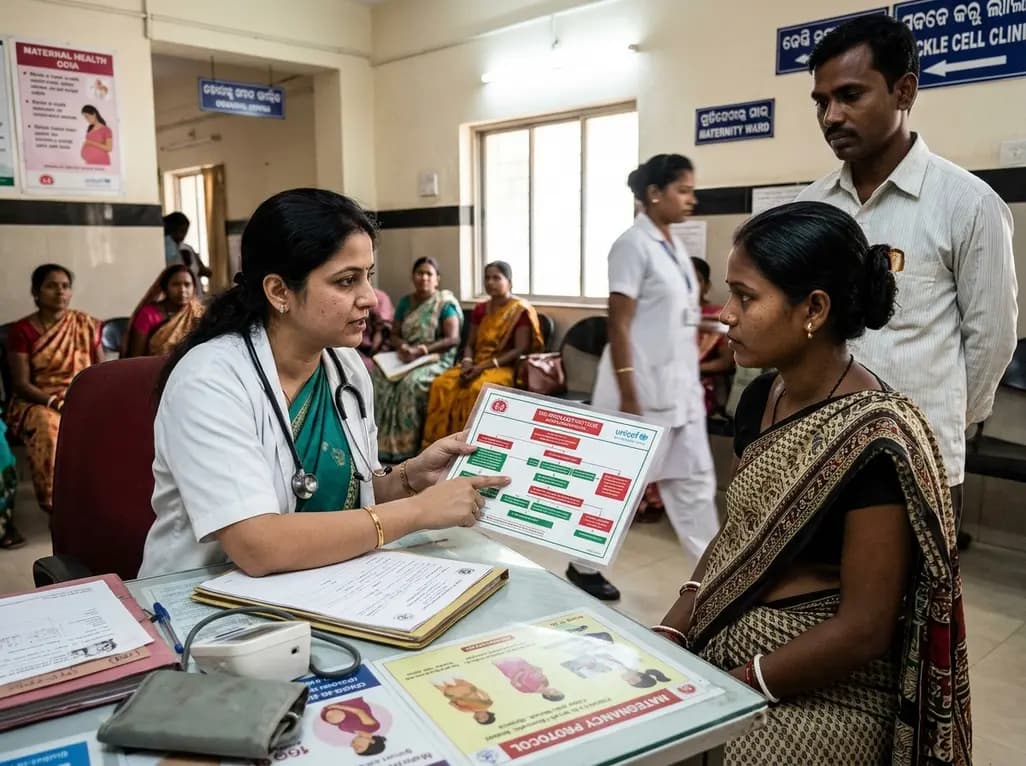
Odisha has established India's first state-level clinical protocol specifically tailored for pregnant women with sickle cell disease. Developed with NHM and UNICEF, the framework provides structured antenatal screening, crisis mitigation, standardized referral pathways, and specialized interdisciplinary care.
Today

India is advancing preventive healthcare by integrating genomics, artificial intelligence, and quantum technologies. With the SANGAM programme sequencing one million Indian genomes, clinicians can unlock personalized therapies, detect cardiometabolic risks early, and curb the burden of diabetes and heart disease.
Today
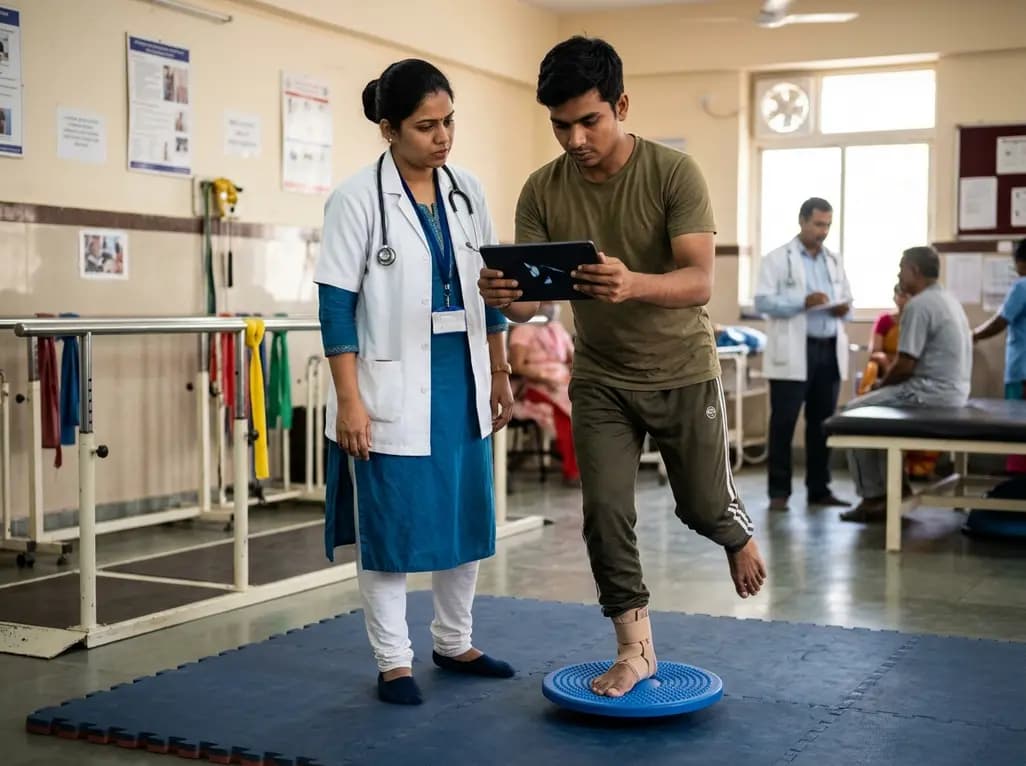
A randomized controlled trial demonstrates that an eight-week dual-task training intervention significantly improves static and dynamic postural control over standard balance exercises in individuals with chronic ankle instability, addressing critical neurocognitive deficits during athletic and daily activities.
Today

A retrospective cohort study of 7,716 ICU patients from the MIMIC-IV database demonstrates that Gradient Boosting Decision Trees significantly outperform traditional SOFA scores in predicting in-hospital mortality among patients with sepsis and diabetes, with SHAP analysis providing clinical interpretability.
Today
