.webp&w=384&q=75)

Loading, please wait...
Loading, please wait...

Eosinophilic granulomatosis with polyangiitis represents a rare, systemic necrotizing vasculitis that predominantly affects small-to-medium vessels. Clinicians frequently encounter severe neurological manifestations, among which EGPA peripheral neuropathy remains the most debilitating and prevalent complication. The disorder classically emerges in patients with longstanding adult-onset asthma and tissue hypereosinophilia. However, deciphering peripheral nerve injury remains challenging because its clinical presentation mimics other inflammatory neuropathies. Neurologists and rheumatologists must detect axonal injury promptly to prevent permanent functional impairment. Consequently, uncovering reliable serological markers and evaluating long-term recurrence risks represent essential clinical priorities. Recent real-world evidence from Japan offers critical clarity on these diagnostic and therapeutic questions.
Peripheral nerve involvement develops in a striking proportion of individuals affected by systemic vasculitis. In the nationwide REVEAL cohort, researchers observed peripheral neuropathy in nearly eighty-seven percent of treatment-naïve patients. This manifestation typically presents as asymmetric painful mononeuritis multiplex or distal symmetric polyneuropathy. Patients frequently describe acute motor weakness, severe sensory loss, and distressing burning dysesthesias in distal extremities. Because ischemic infarction of the vasa nervorum drives this nerve injury, sudden foot drop or wrist drop can emerge rapidly. Furthermore, clinicians often note that systemic features accompany this neurological decline. Systemic manifestations include constitutional weight loss, cutaneous purpura, arthralgias, and persistent pulmonary infiltrates. Prompt recognition of these combined features enables teams to distinguish vasculitic neuropathy from ordinary entrapment syndromes or chronic inflammatory demyelinating polyneuropathy. Therefore, clinicians should execute thorough neuromuscular examinations whenever an asthma patient presents with progressive sensory or motor deficits.
The multicentre REVEAL cohort systematically enrolled one hundred fifty-nine patients across tertiary medical centres in Japan between 2006 and 2024. Among these, the study evaluated one hundred seven newly diagnosed, treatment-naïve individuals classified under the rigorous 2022 ACR/EULAR criteria. Myeloperoxidase-antineutrophil cytoplasmic antibodies appeared positive in approximately forty-two percent of these subjects. Importantly, the researchers compared initial clinical and laboratory characteristics between patients presenting with and without neuropathy based on the Birmingham Vasculitis Activity Score. Patients suffering from neurological damage exhibited significantly elevated white blood cell counts and marked hypereosinophilia. In addition, total serum immunoglobulin G and immunoglobulin G4 levels were remarkably higher in the neuropathic group. The investigation confirmed that high systemic inflammatory activity closely parallels nerve destruction. Thus, these multi-institutional findings provide robust real-world data that reflect daily clinical dilemmas encountered across diverse secondary and tertiary healthcare facilities.
A standout revelation of the REVEAL investigation is the prominent diagnostic utility of serum immunoglobulin G4. While eosinophil counts and broad immunoglobulins surged during active disease, serum IgG4 emerged as the single most useful clinical indicator for identifying nerve damage. Clinicians historically connected IgG4 elevation exclusively with fibro-inflammatory IgG4-related disease. However, pathophysiological evidence confirms that altered humoral immune cascades and aberrant T-helper-2 responses concurrently drive tissue eosinophilia and IgG4 production in active vasculitis. Consequently, elevated IgG4 concentrations closely mirror active epineural microvascular inflammation and complement-mediated tissue remodeling. Routine quantification of serum IgG4 offers substantial practical value when electrodiagnostic confirmation remains inconclusive. In addition, assessing this biomarker expedites timely intervention before irreversible axonal degeneration takes hold. Physicians can therefore integrate serum IgG4 tests into standard diagnostic workups for suspected vasculitic nerve lesions.
Evaluating long-term disease trajectories represents another decisive component of patient care. In this cohort, Kaplan-Meier estimators established a cumulative five-year peripheral neuropathy recurrence rate of 18.6 percent. Relapses frequently bring distressing functional regressions and require prompt therapeutic intensification. Notably, the study unveiled a critical determinant governing relapse: the administration rate of intravenous cyclophosphamide pulse therapy was significantly lower among patients who experienced neuropathic relapse compared with those who maintained sustained neurological remission. This observation underscores the powerful protective efficacy of early cyclophosphamide therapy against recurrent epineural vasculitic attacks. Although high-dose systemic corticosteroids remain foundational for acute remission induction, monotherapy often fails to provide robust, lasting neural protection. Therefore, early combination regimens that incorporate cyclophosphamide pulse therapy appear indispensable for securing long-term neuromuscular stability in high-risk patients.
Translating these cohort observations into regular clinical practice requires coordinated multidisciplinary cooperation between internists, rheumatologists, and neurologists. First, clinicians should maintain high clinical suspicion for systemic necrotizing vasculitis when asthma patients report limb paræsthesias. Second, clinical teams must assess serum IgG4 alongside absolute eosinophil counts and ANCA profiles at initial presentation. Third, medical teams must reserve aggressive induction protocols containing cyclophosphamide for patients displaying progressive motor weakness or severe functional impairment. Concurrently, clinicians must manage neuropathic pain aggressively through gabapentinoids, serotonin-norepinephrine reuptake inhibitors, and dedicated physical rehabilitation. Prophylactic measures against opportunistic infections and osteoporosis remain paramount during intensive immunosuppression. Finally, longitudinal surveillance remains imperative, as neurological flares can emerge even years after initial disease control. By integrating reliable biomarkers with tailored immunosuppressive protocols, healthcare providers can dramatically preserve ambulatory independence and optimize patient outcomes.
Serum IgG4 reflects heightened T-helper-2 immune activation and systemic vascular inflammation in active vasculitis. The REVEAL cohort demonstrated that IgG4 levels rise significantly in patients with nerve involvement, making it the most accurate biomarker for distinguishing neuropathic complications from isolated systemic or respiratory disease activity.
Intravenous cyclophosphamide suppresses pathogenic immune responses and arrests necrotizing microvascular inflammation around the vasa nervorum. In the REVEAL cohort, patients who avoided neurological recurrence received cyclophosphamide far more frequently, demonstrating that early pulse therapy provides durable immune stabilization and protects against five-year neuropathic relapse.
According to long-term Kaplan-Meier estimates from the multicentre study, the five-year recurrence rate for peripheral neuropathy stands at 18.6 percent. This recurrence risk underscores the vital necessity of structured long-term clinical monitoring, cautious corticosteroid tapering, and appropriate upfront immunosuppressive selection.
Disclaimer: This content is for informational and educational purposes only and does not constitute formal medical advice, diagnosis, or treatment recommendations. Always consult a qualified healthcare professional with any questions regarding medical conditions or clinical therapeutic decisions. Refer to the latest local and national guidelines for clinical practice.
References

Read summarized clinical updates, watch expert medical content, and earn CME certifications right from your smartphone.
Open your smartphone camera to scan and install.





The multicentre REVEAL cohort study explores EGPA peripheral neuropathy in newly diagnosed patients, identifying serum IgG4 as a standout biomarker for nerve involvement and demonstrating that intravenous cyclophosphamide significantly curbs five-year relapse risk.
Today

A new systematic review protocol evaluates how virtual reality immersion levels and game formats—serious versus commercial—influence upper limb functional recovery after stroke, examining motor outcomes and adherence across acute and chronic stages.
Today

A cross-sectional study of over 33 million US live births from 2016 through 2024 reveals a 74% increase in hypertensive disorders of pregnancy. This clinical overview explores demographic drivers, maternal-fetal outcomes, and essential preventive strategies for obstetric practice.
Today
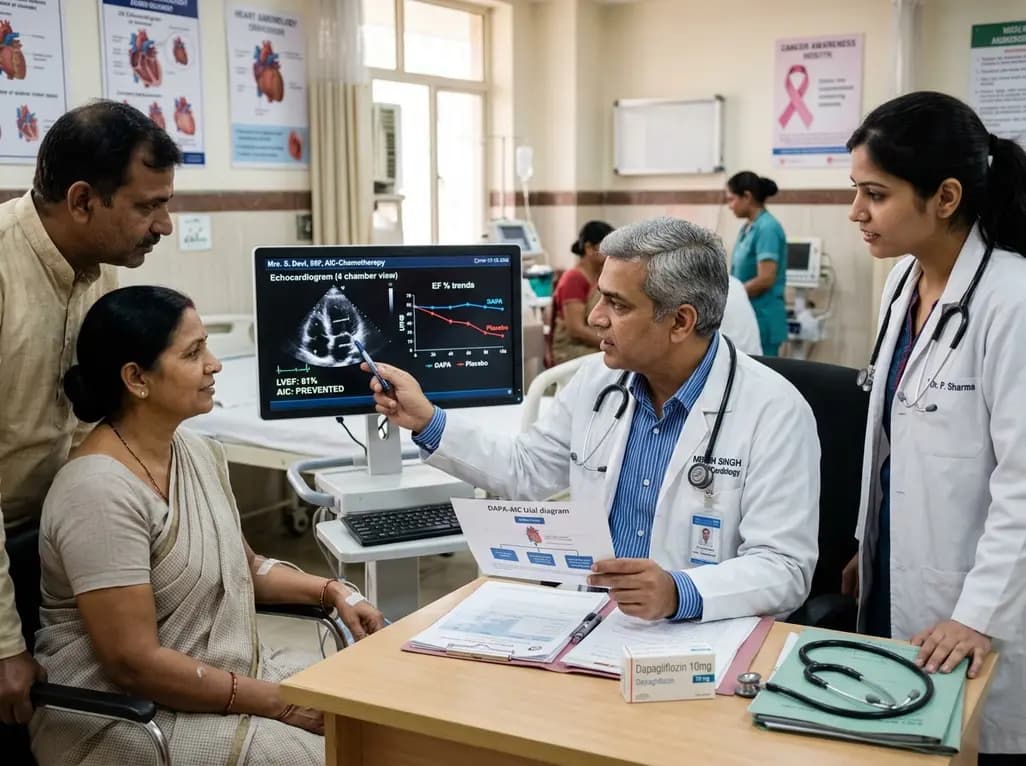
The phase II DAPA-AIC trial demonstrates that dapagliflozin 10 mg daily significantly preserves left ventricular ejection fraction compared to placebo over four months in adults undergoing anthracycline chemotherapy, highlighting a potential preventive strategy in cardio-oncology.
Today

A scoping review reveals severe gaps in long-term assistive technology provision following humanitarian emergencies. Addressing post-disaster rehabilitation requires systematic follow-up, workforce training, and integration into national health systems to sustain mobility and recovery.
Today
A randomized controlled trial investigated whether virtual reality thyroid biopsy reduces procedural pain, anxiety, and fear. While adjusted analyses showed modest pain reduction, unadjusted differences remained statistically insignificant, highlighting the need for larger confirmatory trials.
Today
