.webp&w=384&q=75)

Loading, please wait...
Loading, please wait...

Treatment-resistant depression (TRD) represents a significant clinical challenge that extends beyond patient health to impact the entire economy. A recent 2026 study conducted in South Korea explored the 28-day societal treatment resistant depression costs across different health states, including acute episodes and recovery. By analyzing healthcare resource utilization and productivity losses, researchers identified a massive disparity in spending between active illness and remission. Consequently, the findings emphasize the need for specialized care strategies in psychiatric practice.
The study utilized a mixed micro-macro-costing approach to evaluate medical and indirect costs. For clinicians, the most striking finding is the cost difference during a Major Depressive Episode (MDE) compared to the recovery phase. Specifically, the per-patient societal burden during an MDE reached $2,388.4 per month. In contrast, the cost for a patient in recovery was only $93.1. This means that an active episode is approximately 25.7 times more expensive for society than the maintenance of recovery.
To manage treatment resistant depression costs effectively, it is essential to understand the components of this burden. In the MDE state, indirect costs represented the largest portion, totaling $1,074.6 or 45% of the total expense. These indirect costs primarily stem from productivity losses due to absenteeism, presenteeism, and mortality related to suicide. Direct medical costs followed at 34%, highlighting that the loss of work capacity often outweighs the expense of the treatment itself. Therefore, clinicians should focus on interventions that prioritize returning patients to their functional baseline quickly.
While this data originates from Korea, the economic principles apply globally, including to the Indian healthcare landscape. Because TRD episodes are so costly, long-term management strategies must aim for remission rather than just a partial response. Moreover, the high percentage of indirect costs suggests that vocational rehabilitation and early aggressive treatment could significantly alleviate the societal burden. Practitioners should also consider that medical expenses for non-psychiatric services often increase when depression is poorly controlled, further complicating the economic picture.
TRD is generally defined as the failure of at least two different antidepressant regimens of adequate dose and duration. This study specifically tracks costs once a patient enters this resistant stage.
Indirect costs are high because depression severely impacts a person’s ability to work. Losses from reduced performance (presenteeism) and total absence from work (absenteeism) often exceed the price of medication and hospital visits.
Doctors can help by using evidence-based protocols to shorten the duration of depressive episodes. Reducing the time spent in an acute state and accelerating the transition to recovery are the most effective ways to lower healthcare utilization.
Disclaimer: This content is for informational and educational purposes only and does not constitute medical advice, diagnosis, or treatment. Always seek the advice of a qualified healthcare provider with any questions regarding a medical condition. Refer to the latest local and national guidelines for clinical practice.
References
Lee H et al. Economic burden of treatment resistant depression in Korea: a 28-day health-state-specific cost analysis. Curr Med Res Opin. 2026 Jun 11. doi: 10.1080/03007995.2026.2683436. PMID: 42275136.
Angelucci M, Bennett D. The Economic Impact of Depression Treatment in India: Evidence from Community-Based Provision of Pharmacotherapy. American Economic Review. 2024;114(1):169–98.
World Health Organization. Depression and Other Common Mental Disorders: Global Health Estimates. Geneva: WHO; 2017.
"
Read summarized clinical updates, watch expert medical content, and earn CME certifications right from your smartphone.
Open your smartphone camera to scan and install.





Treatment-resistant depression (TRD) creates a massive economic challenge, with societal costs for patients in acute episodes being nearly 26 times higher than for those in recovery. This study highlights the importance of rapid clinical intervention to reduce financial and productivity losses.
4 months ago
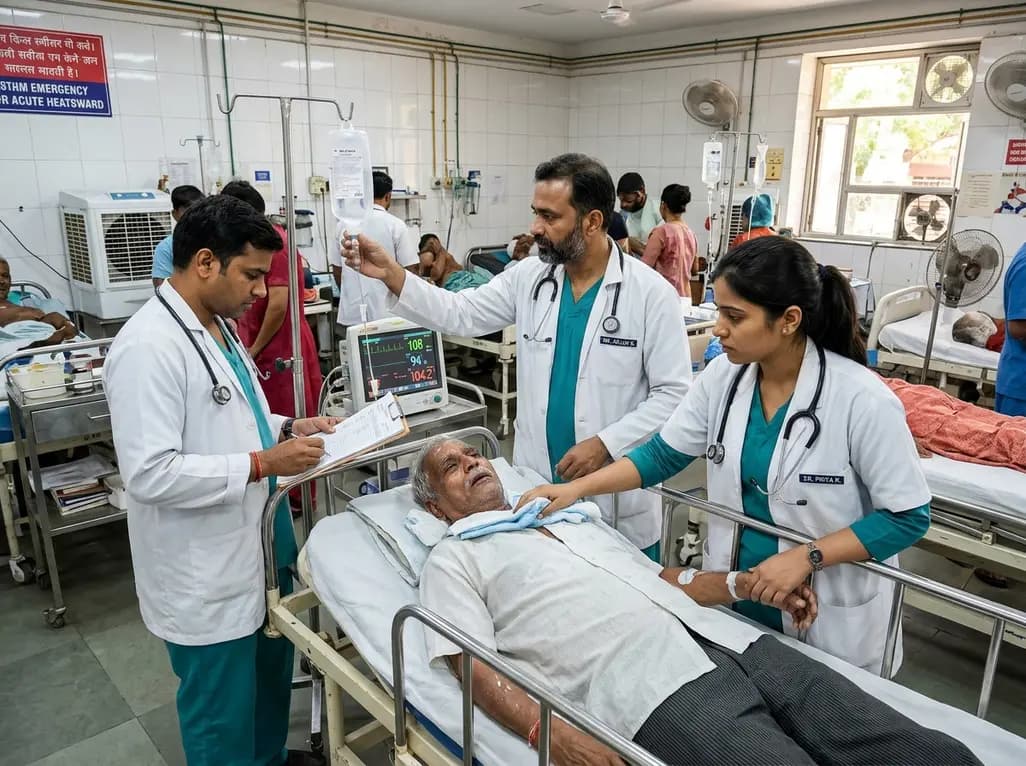
Recent epidemiological data reveals a dramatic surge in summer heat mortality driven by human-induced climate warming. This analysis explores the pathophysiological impacts on cardiac and renal systems, diagnostic dilemmas in death certification, and essential emergency cooling protocols for acute clinical care.
Today
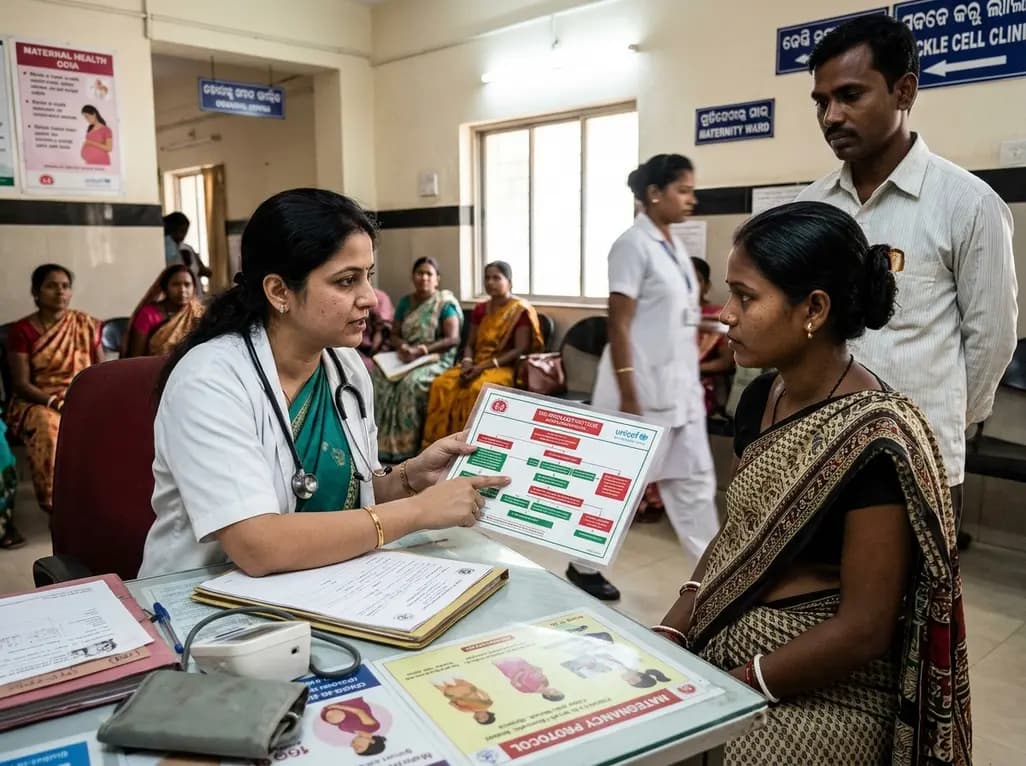
Odisha has established India's first state-level clinical protocol specifically tailored for pregnant women with sickle cell disease. Developed with NHM and UNICEF, the framework provides structured antenatal screening, crisis mitigation, standardized referral pathways, and specialized interdisciplinary care.
Today

India is advancing preventive healthcare by integrating genomics, artificial intelligence, and quantum technologies. With the SANGAM programme sequencing one million Indian genomes, clinicians can unlock personalized therapies, detect cardiometabolic risks early, and curb the burden of diabetes and heart disease.
Today
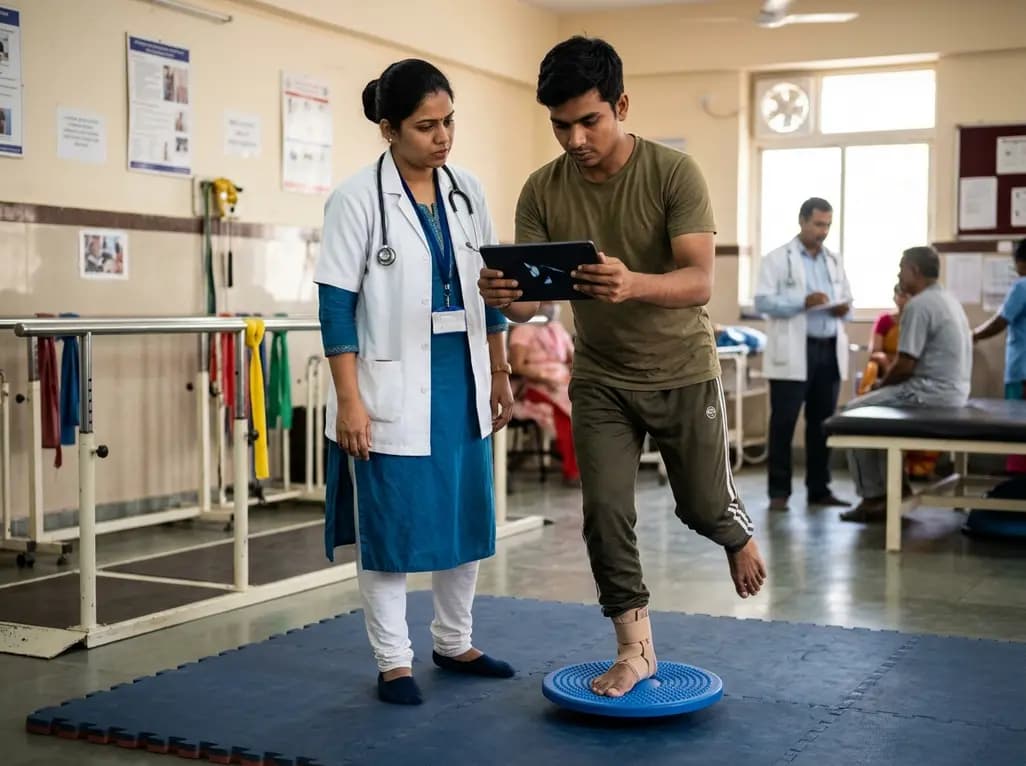
A randomized controlled trial demonstrates that an eight-week dual-task training intervention significantly improves static and dynamic postural control over standard balance exercises in individuals with chronic ankle instability, addressing critical neurocognitive deficits during athletic and daily activities.
Today

A retrospective cohort study of 7,716 ICU patients from the MIMIC-IV database demonstrates that Gradient Boosting Decision Trees significantly outperform traditional SOFA scores in predicting in-hospital mortality among patients with sepsis and diabetes, with SHAP analysis providing clinical interpretability.
Today
