.webp&w=384&q=75)

Loading, please wait...
Loading, please wait...
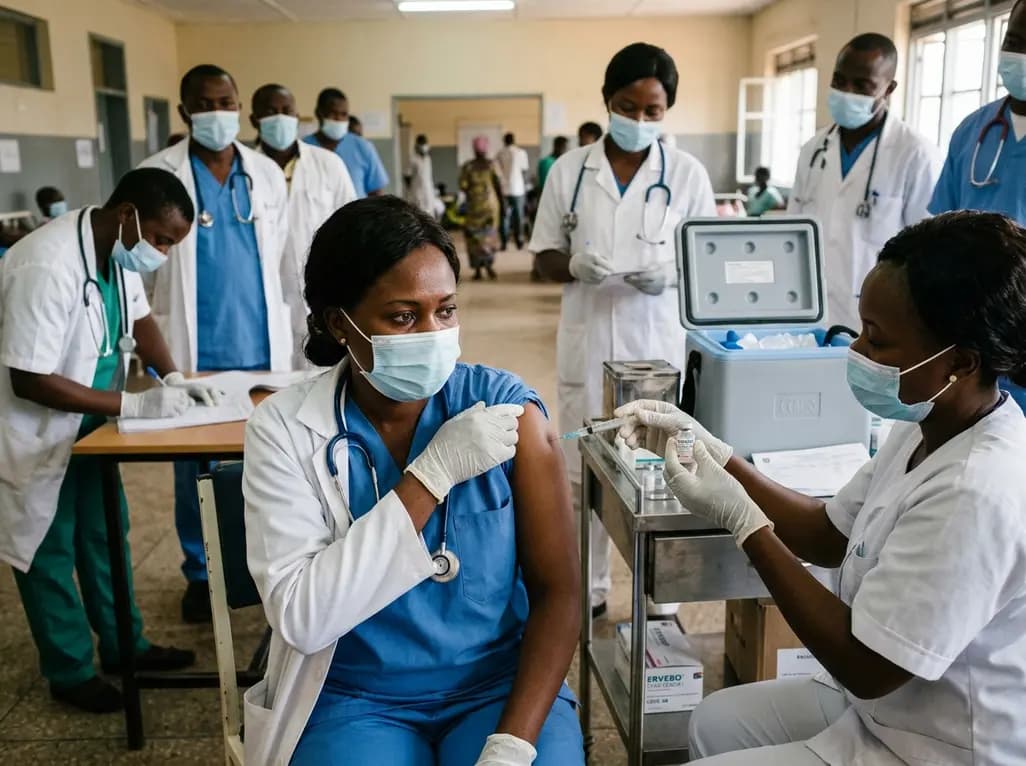
The escalating viral hemorrhagic fever crisis in Central Africa demands urgent intervention. In response, health authorities have initiated emergency Ebola vaccination campaigns across high-risk health zones. The Democratic Republic of the Congo faces its most challenging outbreak in history, centered within Ituri province. Front-line medical personnel experience disproportionate occupational risks during triage, isolation, and supportive management of infected patients. Therefore, public health leaders are prioritizing hospital staff and rapid-response teams for immunization. This comprehensive initiative seeks to curtail nosocomial transmission while evaluating cross-protective biological efficacy against non-Zaire filovirus strains.
The ongoing epidemic in the eastern provinces of Congo has overwhelmed regional healthcare infrastructure. Specifically, the military administration identified Bunia and Mongbwalu as the primary transmission epicenters. Furthermore, official surveillance records document thousands of confirmed infections and severe fatalities, outpacing earlier regional outbreaks. Consequently, the rapid viral spread threatens stability throughout vulnerable communities. Regional insecurity, large-scale population displacement, and strained clinical resources exacerbate this public health emergency.
In addition, front-line healthcare workers face profound exposure risks during daily patient care. Clinicians frequently manage advanced viremic patients before formal diagnostic confirmation arrives. Historical outbreaks demonstrated that unprotected healthcare environments accelerate widespread amplification of filoviruses. Therefore, authorities established targeted Ebola vaccination to shield vulnerable medical staff. Maj Gen Gaby Kasongo Mulumba confirmed that safeguarding these critical workers remains a paramount duty. Over the coming months, teams aim to vaccinate tens of thousands of essential personnel. This proactive defense helps maintain functional healthcare facilities and prevents systemic operational collapse during peak epidemic surges.
Moreover, protecting local medical workers stabilizes surrounding referral networks. Without adequate prophylaxis, clinical absenteeism rises dramatically during viral crises. Thus, timely immunisation ensures sustained operational capacity across frontline clinical centers.
Understanding the molecular pharmacology of deployed vaccines remains essential for practicing clinicians. Currently, healthcare teams administer the Ervebo formulation to eligible front-line workers. This biological agent represents a live attenuated recombinant vesicular stomatitis virus vector platform. Specifically, researchers replaced the native vesicular stomatitis virus envelope glycoprotein with that of Ebola virus. Consequently, the modified vector expresses the surface glycoprotein of the Zaire filovirus species without causing clinical disease.
Following single-dose intramuscular administration, host dendritic cells present the foreign surface antigen to naïve lymphocytes. Subsequently, the immune system mounts robust humoral and cell-mediated defenses against the presented glycoprotein. Clinical trials during earlier outbreaks demonstrated exceptional protective efficacy against the homologous Zaire pathogen. Moreover, neutralizing IgG titers develop rapidly within ten to fourteen days post-inoculation. However, clinicians must remember that this formulation relies entirely on the specific envelope antigen of the Zaire strain. Thus, recipients do not acquire guaranteed sterilizing immunity against antigenically distinct ebolaviruses. Clinicians must explain these physiological nuances clearly when administering doses to high-risk personnel in mixed transmission settings.
The current epidemiological emergency involves the Bundibugyo virus, an antigenically divergent species within the Orthoebolavirus genus. Unfortunately, no commercially licensed vaccine specifically targets this distinct pathogen. Scientific data indicate that the glycoprotein of Bundibugyo shares approximately sixty percent amino acid homology with the Zaire strain. Because glycoprotein epitopes dictate neutralizing antibody binding, this molecular divergence raises significant immunological challenges. Consequently, scientists cannot assume complete cross-neutralizing protection from Zaire-directed immunogens.
Nevertheless, preliminary preclinical investigations in animal models revealed encouraging partial cross-reactive immune responses. In particular, vaccinated subjects exhibited reduced viral loads and decreased mortality after homologous and heterologous challenge. Cellular immunity, mediated by conserved cytotoxic T-cell epitopes, likely accounts for some observed survival advantages. Furthermore, shared non-neutralizing antibody functions may attenuate disease severity during breakthrough infections. However, clinical researchers emphasize that laboratory findings do not guarantee clinical efficacy in exposed human populations. Therefore, healthcare providers must treat current vaccine deployment as an investigational intervention rather than absolute protection. Front-line providers must never reduce standard infection prevention practices based on presumptive cross-reactive immunity.
Regulatory authorities approved the deployment of seventy thousand doses under compassionate-use frameworks. This ethical mechanism allows clinicians to utilize unapproved interventions during life-threatening health emergencies lacking validated alternatives. Out of the allocated inventory, authorities designated fifty thousand doses for immediate frontline occupational prophylaxis. Meanwhile, investigators reserved twenty thousand doses for structured randomized clinical evaluations. These concurrent protocols aim to generate critical prospective efficacy data while delivering immediate supportive interventions.
Furthermore, international health bodies emphasize the necessity of rigorous scientific documentation during field delivery. Investigators will track breakthrough infections, symptom severity, and adverse reactogenicity among all enrolled recipients. In addition, research teams are gathering longitudinal serological samples to quantify cross-reactive antibody titers over time. This structured oversight addresses critical uncertainties regarding vaccine re-administration among previously vaccinated health personnel. Many clinicians who received doses during past outbreaks wonder whether booster injections provide incremental immunological benefit. Therefore, formal clinical trials will clarify dosing schedules and durability of memory responses. Ultimately, these empirical insights will establish evidence-based guidelines for future multi-strain filovirus containment strategies globally.
For treating physicians, viral hemorrhagic fevers demand unwavering adherence to standard infection control protocols. Although vaccination provides a vital biological defense layer, personal protective equipment remains entirely indispensable. Clinicians must don fluid-resistant suits, double gloves, protective face shields, and respirators during patient encounters. Furthermore, environmental decontamination using validated chlorine solutions interrupts indirect transmission routes within healthcare facilities. Strict hand hygiene before and after patient contact dramatically curtails nosocomial pathogen propagation.
Additionally, medical teams must maintain high clinical suspicion for travel-related viral fevers in global emergency departments. Patients presenting with sudden high fever, unexplained hemorrhage, severe prostration, and gastrointestinal fluid loss require prompt isolation. Physicians should immediately isolate suspected individuals in negative-pressure rooms while coordinating diagnostic polymerase chain reaction testing. In supportive care units, aggressive fluid resuscitation and electrolyte correction significantly reduce case fatality rates. Clinicians must also conduct contact tracing rapidly to identify exposed community members and healthcare staff. By combining meticulous barrier precautions with experimental immunization, medical systems can mitigate devastating hospital-acquired transmissions. Vigilance remains the cornerstone of clinical safety during any severe filovirus outbreak.
Q1: Why are healthcare authorities deploying the Ervebo vaccine against the Bundibugyo Ebola virus?
Health authorities deployed Ervebo because no licensed vaccine currently exists for the Bundibugyo virus. Although Ervebo specifically targets the Zaire ebolavirus, both filovirus species share genetic similarities. Preclinical animal studies showed that the vaccine might offer partial cross-protection against death and severe disease. Consequently, officials authorized its compassionate rollout for front-line medical staff facing high occupational transmission risks while concurrent clinical trials measure human efficacy.
Q2: Do healthcare workers previously vaccinated against Zaire Ebola need another vaccination dose?
Current clinical guidelines remain uncertain regarding the absolute necessity or timing of secondary doses. While previous immunization generated durable antibodies against Zaire ebolavirus, circulating titers decline naturally over several years. Furthermore, whether residual memory immunity sufficiently cross-reacts against the divergent Bundibugyo strain remains completely unknown. Therefore, ongoing clinical trials actively evaluate whether administering a booster dose enhances protective humoral responses without increasing reactogenicity in previously vaccinated front-line healthcare workers.
Q3: Can vaccinated healthcare professionals discontinue standard personal protective equipment during clinical duties?
Vaccinated healthcare workers must never abandon standard infection prevention protocols or personal protective equipment. The Ervebo vaccine does not guarantee sterilizing protection against the Bundibugyo filovirus. Moreover, filoviruses spread efficiently through direct contact with blood, infectious bodily fluids, and contaminated clinical surfaces. Clinicians must consistently wear complete protective equipment, perform rigorous chemical disinfection, and maintain isolation standards. Personal protective equipment remains the primary and most reliable clinical shield against occupational viral transmission.
Disclaimer: This content is for informational and educational purposes only. It does not constitute medical advice or replace professional judgment. Refer to the latest local and national guidelines for clinical practice.
References

Read summarized clinical updates, watch expert medical content, and earn CME certifications right from your smartphone.
Open your smartphone camera to scan and install.





The Democratic Republic of the Congo has initiated an emergency immunisation drive for front-line health workers in Ituri province. Facing a severe Bundibugyo virus outbreak, authorities are deploying the Ervebo vaccine under compassionate use and clinical research protocols to evaluate potential cross-protection.
Today

A multi-institutional trial revealed that daily AlphaSperm supplementation induces novel epigenetic changes and regional DNA hypermethylation in sperm without improving conventional semen parameters or DNA fragmentation, urging caution regarding empirical use.
Today

Large-scale biobank research demonstrates that low-grade systemic inflammation quietly remodels ventricular architecture years before cardiovascular symptoms appear. Learn how emerging biomarkers like GlycA and targeted anti-inflammatory pathways could reshape preventive cardiovascular screening and clinical risk evaluation.
Today

Systematic review comparing labral repair and reconstruction in primary hip arthroscopy shows comparable short- to mid-term patient-reported outcomes, with lower THA conversion after repair but superior outcomes for reconstruction in patients aged 40 and older.
Today
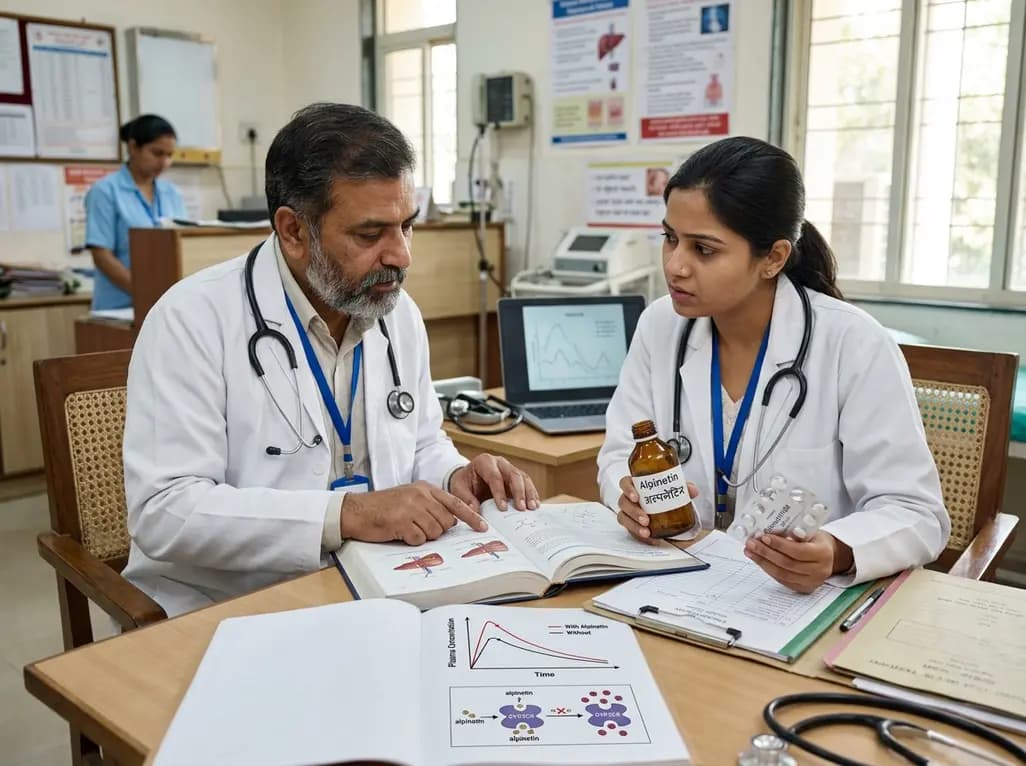
A preclinical study reveals that alpinetin significantly alters glimepiride pharmacokinetics by inhibiting CYP2C9. This drug-herb interaction enhances hypoglycemic potency and underscores critical safety concerns regarding severe hypoglycemia in diabetic management.
Today
