.webp&w=384&q=75)

Loading, please wait...
Loading, please wait...

Healthcare professionals globally are closely monitoring a critical development in the Democratic Republic of the Congo. Recently, international researchers launched a highly anticipated Ebola treatment trial in the city of Bunia. This trial targets the Bundibugyo virus disease, which is a rare but highly lethal strain of Ebola. Consequently, medical experts hope to discover effective therapeutic interventions for infected patients. Currently, clinicians have no approved vaccines or specific treatments for this particular strain. Therefore, managing infected individuals remains exceptionally challenging. This emergency research employs an adaptive clinical platform to evaluate therapeutic efficacy. In addition, health groups are prioritizing the trial to reduce rising mortality rates in eastern Congo's Ituri province. Ultimately, the study represents a major milestone in global health security. Moreover, it will provide critical data to establish standardized clinical guidelines for filovirus outbreaks globally. Clinicians are especially optimistic about the potential of these candidate drugs. Indeed, finding an effective therapeutic can transform the current emergency response and save countless lives in the region.
To understand the clinical significance of this study, we must examine the specific virus causing the outbreak. The Bundibugyo virus is one of several species within the Orthoebolavirus genus that cause severe hemorrhagic fever. Unlike the more common Zaire strain, Bundibugyo outbreaks occur less frequently. However, this strain still carries a high case-fatality rate, which currently stands at around thirty percent in the active outbreak. Specifically, clinicians have diagnosed over fourteen hundred people, and more than four hundred deaths have occurred. Because of these alarming statistics, public health agencies are treating the situation with extreme urgency. Furthermore, the lack of licensed preventative measures exacerbates the vulnerability of local populations. Clinical presentation typically includes high fever, severe headache, myalgia, and gastrointestinal symptoms. In severe cases, patients may develop severe bleeding manifestations and multi-organ failure. Consequently, early supportive care has been the only viable management strategy. This scientific study represents a pivotal shift from passive care to targeted therapeutic intervention. Therefore, understanding the viral dynamics of the Bundibugyo strain remains essential for infectious disease specialists worldwide.
The ongoing clinical trial is evaluating two highly promising investigational agents to determine their clinical efficacy against the Bundibugyo strain. First, researchers are testing remdesivir, a broad-spectrum small-molecule antiviral that inhibits viral RNA polymerases. Although clinicians have extensively used remdesivir for COVID-19, its activity against filoviruses remains a major area of research. Second, the study evaluates MBP134, an experimental monoclonal antibody cocktail. This cocktail consists of two engineered antibodies designed to recognize and neutralize multiple species of the virus. In addition, the trial is examining whether a combination of both remdesivir and MBP134 provides superior clinical outcomes. Consequently, researchers hope to identify a synergistic effect that significantly improves patient survival rates. Researchers will closely track patient survival for twenty-eight days following the initiation of treatment. Furthermore, investigators structured this trial as an adaptive platform, allowing researchers to modify arms based on interim safety data. Ultimately, this approach accelerates the identification of effective therapies during active emergencies. This systematic evaluation will provide the clinical community with robust evidence regarding antibody-antiviral synergy. Therefore, these experimental agents represent a crucial beacon of hope for patients currently battling this devastating disease.
An international coalition of prominent health institutions is supporting this ambitious clinical research project. Specifically, the trial represents a collaborative partnership between Congo's National Institute for Biomedical Research and the University of Oxford. Additionally, Antwerp's Institute of Tropical Medicine and the World Health Organization are playing vital roles in coordinating operations. This collaborative framework ensures that the research adheres to the highest ethical and scientific standards. Currently, the trial focuses strictly on confirmed Ebola patients receiving care within specialized Ebola treatment centers. However, researchers plan to expand the study to high-risk individuals in the next phase. This expansion will eventually include healthcare workers, close contacts of infected patients, and other vulnerable populations. Consequently, the study seeks to evaluate both therapeutic and post-exposure prophylactic benefits of these agents. According to project coordinators, the research phase will likely last between three and six months. Of course, this timeline depends heavily on the speed of the outbreak's evolution and patient enrollment rates. Thus, the collaborative structure provides the necessary infrastructure to conduct complex clinical research in challenging environments.
Despite the scientific promise of the trial, researchers face substantial field challenges that hamper the medical response. For instance, deep-seated community mistrust regarding experimental treatments remains a significant barrier to patient enrollment. Some local residents express fear that these novel interventions could cause harm rather than provide relief. Consequently, community engagement and transparent communication are critical to building trust. Moreover, security concerns in eastern Congo's Ituri province present major logistical hurdles. The region has unfortunately experienced ongoing violence, which occasionally targets healthcare infrastructure and medical workers. In addition to security issues, overcrowded health facilities and delays in seeking medical attention compound the crisis. Indeed, data shows that nearly three out of four Ebola deaths during this outbreak occur outside of healthcare centers. This alarming statistic highlights the urgent need to encourage early presentation and diagnosis. Therefore, public health officials are working tirelessly to improve community relations and ensure safe access. Ultimately, overcoming these socio-political barriers is just as crucial as validating the clinical efficacy of the experimental drugs themselves.
Q1: What are the main experimental treatments being evaluated in this clinical trial?
Specifically, the clinical trial is currently evaluating two primary investigational agents: remdesivir and the experimental monoclonal antibody cocktail MBP134. Remdesivir functions as a nucleotide analog that inhibits viral RNA-dependent RNA polymerase, thereby disrupting viral replication. In contrast, MBP134 is a monoclonal antibody designed to neutralize the virus by binding to its glycoproteins. Ultimately, the trial is evaluating these drugs individually and in combination.
Q2: Why is this trial focused on the Bundibugyo Ebola virus strain specifically?
Specifically, the current outbreak in eastern Congo involves the Bundibugyo strain, which is less common than the Zaire variant. Currently, no licensed vaccines or targeted therapies exist for this strain, leaving healthcare providers with limited supportive care options. Therefore, this critical trial aims to establish the first evidence-based therapeutic guidelines to reduce mortality and improve survival outcomes for infected patients.
Q3: What are the primary field challenges researchers are encountering during this trial?
Researchers face multiple obstacles, including deep community mistrust, security risks in the Ituri province, and overcrowded healthcare facilities. Moreover, many infected individuals delay seeking care, meaning nearly three out of four deaths occur outside of medical facilities. Consequently, public health teams must combine clinical research with community engagement and strict security measures to ensure the trial can proceed safely and effectively.
Disclaimer: This content is for informational and educational purposes only. It does not constitute medical advice or replace professional judgment. Refer to the latest local and national guidelines for clinical practice.
References

Read summarized clinical updates, watch expert medical content, and earn CME certifications right from your smartphone.
Open your smartphone camera to scan and install.





Researchers in the Democratic Republic of the Congo have launched a landmark clinical trial to evaluate remdesivir and MBP134 against the Bundibugyo Ebola strain. This critical research at Bunia's Evangelical Medical Center offers new hope for survival amidst an escalating public health crisis.
3 months ago
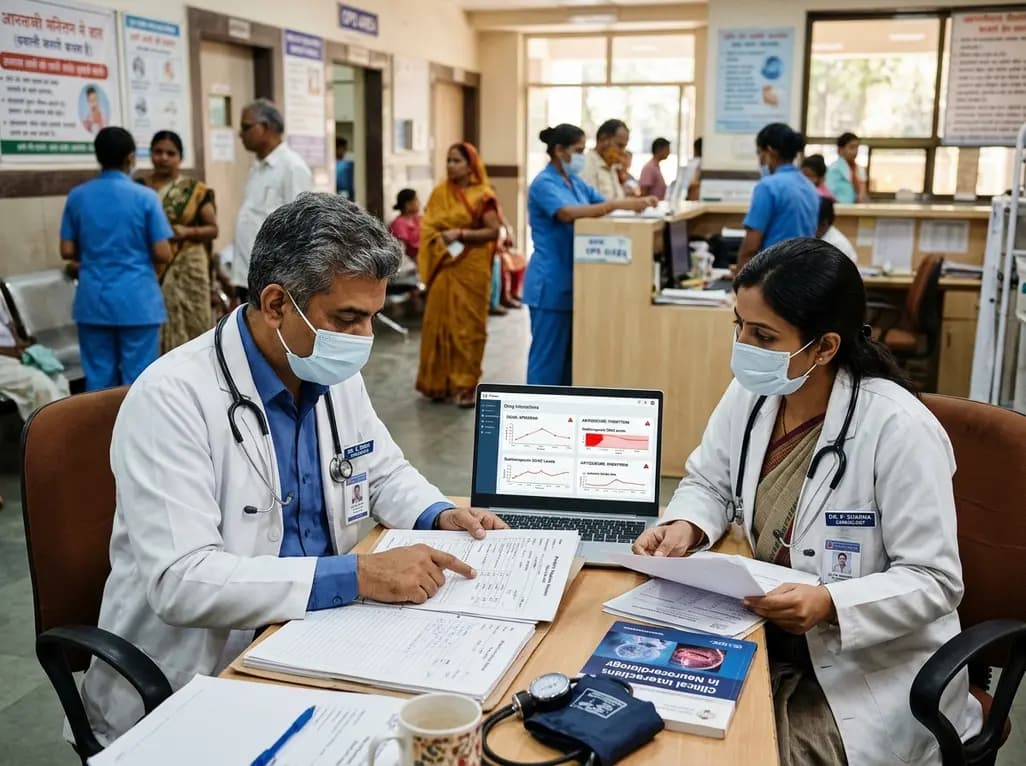
Co-administering antiseizure medications and DOACs frequently causes pharmacokinetic interactions, subtherapeutic drug levels, and thromboembolic failures. This review highlights enzyme induction risks, unpredictable outcomes with levetiracetam, and the vital role of therapeutic drug monitoring.
Today
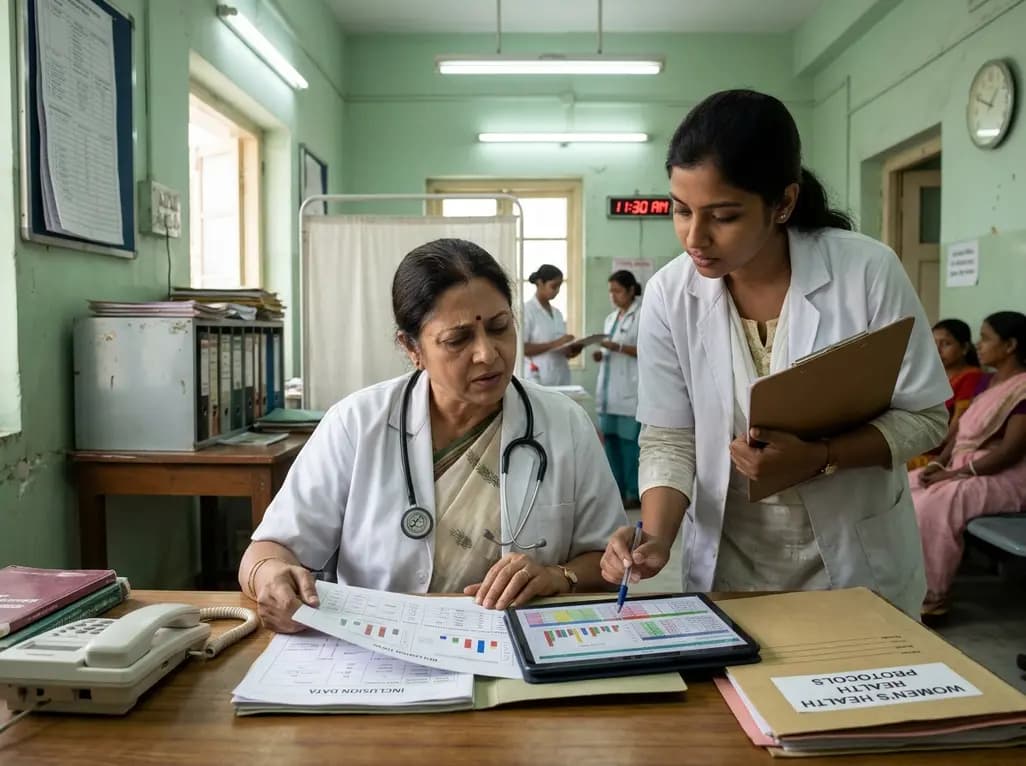
Demanding exhaustive hormonal profiling can inadvertently discourage clinical studies involving females. Methodological standards must align with the specific scientific question to expand, not restrict, equitable evidence for women.
Today
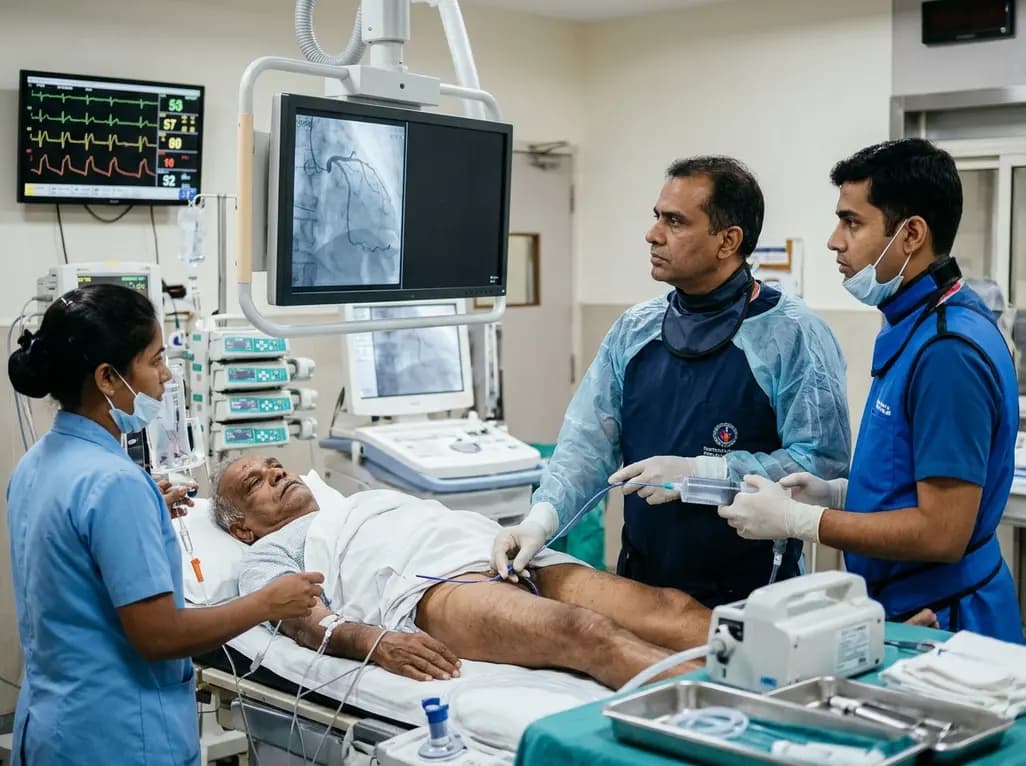
An elderly man with partially repaired Tetralogy of Fallot presented with STEMI caused by coronary embolism rather than atherosclerosis. Successful treatment with sustained mechanical aspiration thrombectomy underscores the vital need for high clinical vigilance in adult congenital heart disease.
Today
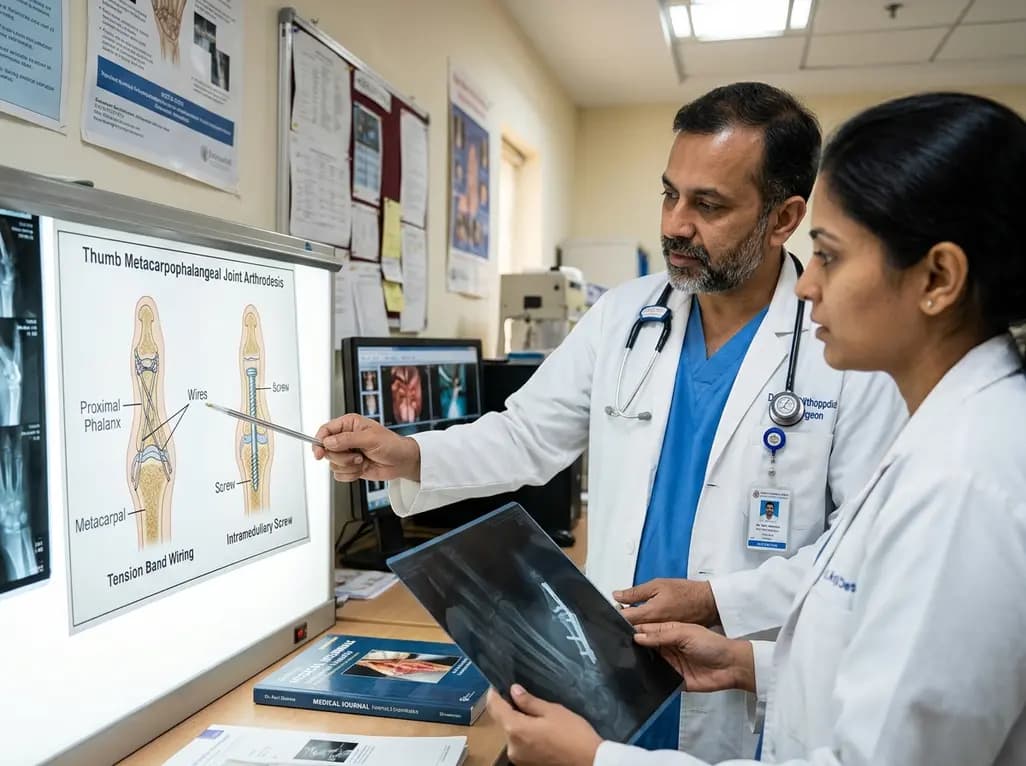
A comparative review of tension band wiring and intramedullary screw fixation in thumb metacarpophalangeal arthrodesis, evaluating union rates, hardware complications, and clinical outcomes.
Today

Following regulatory scrutiny from FSSAI regarding promotional representations and lean muscle preservation claims, Dr. Reddy's Laboratories and Nestlé Health Science are currently reviewing the branding and marketing strategy for their joint nutritional supplement Celevida GLP+.
Today
