.webp&w=384&q=75)

Loading, please wait...
Loading, please wait...

The World Bank is organizing a rapid financial assistance package. This package will bolster the international response to the Central African epidemic. Consequently, this critical Ebola outbreak funding will provide immediate resources to affected nations. The World Health Organization (WHO) recently declared this outbreak a global emergency. Indeed, the situation demands urgent action because the pathogen has a high mortality rate.
The Democratic Republic of Congo (DRC) currently has a $250 million health project with the World Bank. The World Bank approved this project in March 2024 to assist in disease outbreak responses. Currently, about $200 million of those funds remain undisbursed and available. However, global health officials emphasize that the region needs additional financing in the coming months.
To address this gap, the World Bank is coordinating with international partners to release more capital quickly. For example, the United Nations recently released $60 million from an emergency fund to contain the virus. Furthermore, the United States is deploying a rapid response team to the region. The US government also pledged to fund approximately 50 emergency response clinics. These joint efforts will help build a strong defense against the spreading infection.
The ongoing epidemic involves the Bundibugyo ebolavirus strain, which presents unique clinical challenges. Unlike the Zaire strain, there is currently no licensed vaccine or approved therapeutic treatment for Bundibugyo. Additionally, the early symptoms of this virus closely resemble malaria and typhoid fever. Consequently, clinicians find it extremely difficult to diagnose patients during the initial stages of infection.
This strain causes severe symptoms such as high fever, body aches, vomiting, and diarrhea. Moreover, the virus spreads through direct contact with infected bodily fluids or contaminated objects. Because the pathogen carries a high fatality rate of up to 40%, rapid intervention is critical. Therefore, control measures must rely heavily on rapid case detection, rigorous contact tracing, and active community engagement.
The World Bank remains highly concerned about neighboring countries like South Sudan and Burundi. These nations currently suffer from weak disease response systems and fragile infrastructure. On the other hand, Uganda has a much stronger public health system. However, Ugandan health authorities still face significant financing gaps in their emergency preparedness.
To resolve these vulnerabilities, the World Bank is working with the Africa CDC and the WHO. Together, these groups hope to accelerate the development of a potential vaccine. Meanwhile, local experts are assessing the full severity and impact of the outbreak. This comprehensive assessment will help direct international aid to the most vulnerable areas.
Q1: Is there an approved vaccine for the Bundibugyo Ebola virus strain?
No, there is currently no licensed vaccine or approved therapeutic treatment specifically for the Bundibugyo strain. Consequently, health authorities must rely on supportive care and public health measures to control transmission.
Q2: Why is the Bundibugyo strain of Ebola difficult to diagnose early?
The early symptoms of the Bundibugyo strain closely mimic other common regional infections such as malaria and typhoid fever. Because of this clinical overlap, medical professionals find it highly challenging to confirm a diagnosis without laboratory testing.
Q3: What immediate actions is the World Bank taking to respond to the outbreak?
The World Bank has deployed staff and resources directly to the affected region in the Democratic Republic of Congo. Additionally, they are designing a comprehensive financing package to provide rapid funding to vulnerable neighboring states.
Disclaimer: This content is for informational and educational purposes only. It does not constitute medical advice or replace professional judgment. Refer to the latest local and national guidelines for clinical practice.
References

Read summarized clinical updates, watch expert medical content, and earn CME certifications right from your smartphone.
Open your smartphone camera to scan and install.





The World Bank is preparing a rapid financing package to support the response to the Bundibugyo Ebola outbreak in the Democratic Republic of Congo and Ugand...
4 months ago

A recent study demonstrates that spinal oxygen sensors do not require mitochondrial electron transport to trigger sympathetic excitation during acute hypoxia, revealing new insights into how mitochondrial oxidative stress modulates autonomic tone in cardiovascular and neurological diseases.
Today
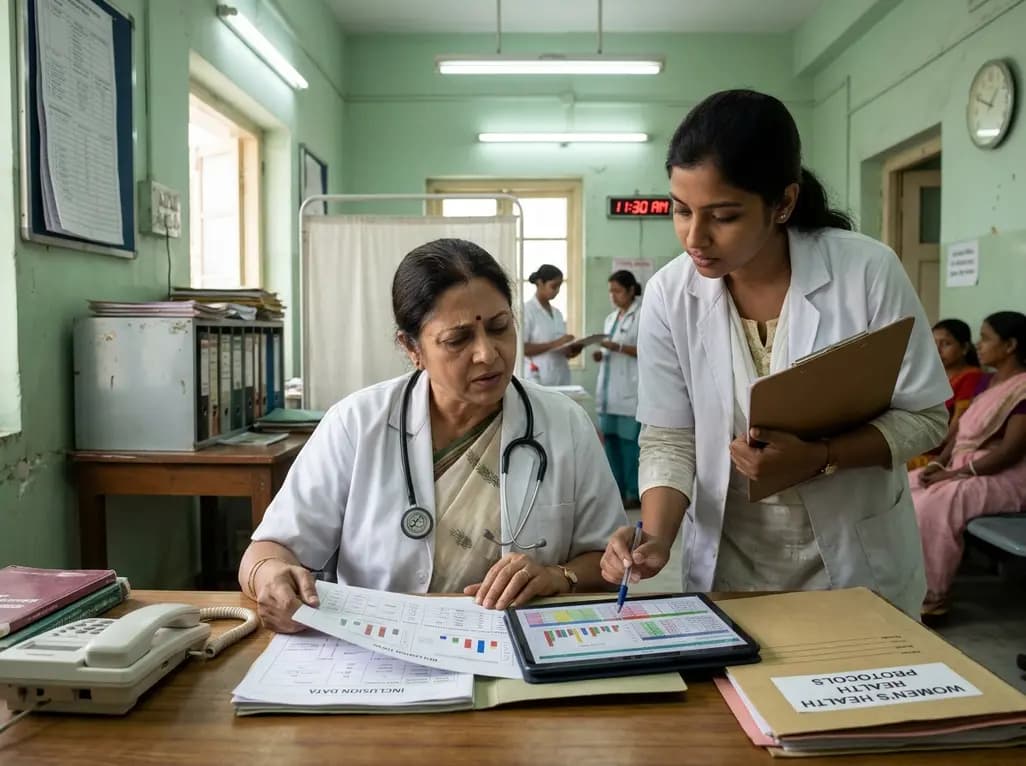
Demanding exhaustive hormonal profiling can inadvertently discourage clinical studies involving females. Methodological standards must align with the specific scientific question to expand, not restrict, equitable evidence for women.
Today

The Directorate General of Health Services directs Indian states to halt the hazardous reuse and reprocessing of single-use medical devices. Discover regulatory implications under the Drugs and Cosmetics Act, critical infection risks, legal liabilities, and operational changes required across clinical specialties.
Today
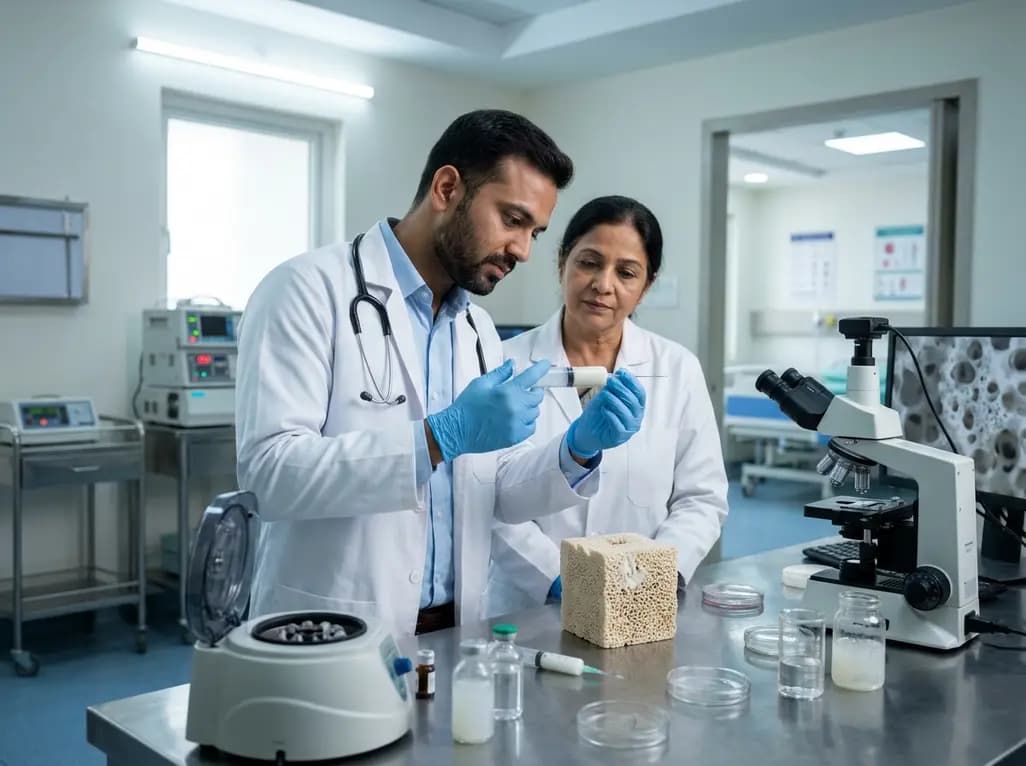
A novel calcium polyphosphate coacervate enables injectable bone implants with in situ hierarchical porosity via phase separation and gas foaming, significantly enhancing cell proliferation, energy metabolism, and osteogenic differentiation for minimally invasive bone defect repair.
Today

Following regulatory scrutiny from FSSAI regarding promotional representations and lean muscle preservation claims, Dr. Reddy's Laboratories and Nestlé Health Science are currently reviewing the branding and marketing strategy for their joint nutritional supplement Celevida GLP+.
Today
