.webp&w=384&q=75)

Loading, please wait...
Loading, please wait...
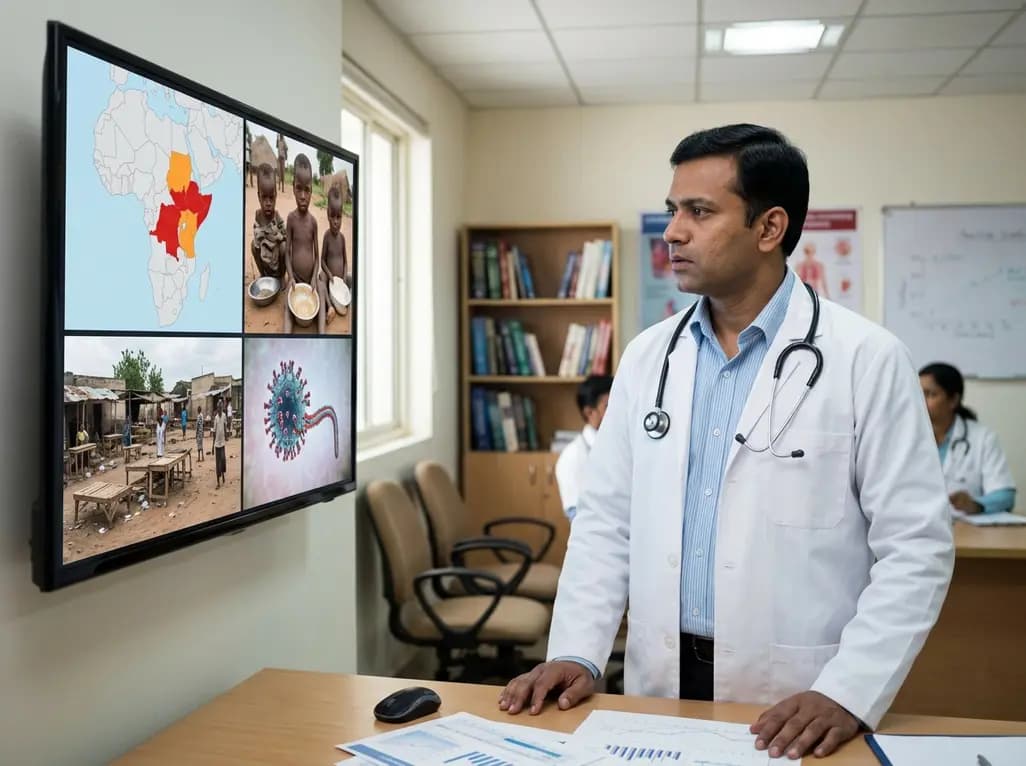
An accelerating Ebola outbreak food insecurity crisis is severely impacting millions of vulnerable residents across eastern Democratic Republic of the Congo. Official reports confirm over 3,360 cases and nearly 1,500 deaths since mid-May. Furthermore, ongoing armed conflict and severe supply chain disruptions have worsened this humanitarian catastrophe. Consequently, public health leaders warn that widespread hunger severely threatens containment efforts. Additionally, clinical teams report rising severe malnutrition rates among pediatric patients in treatment centers. Immediate international aid is urgently needed to prevent further loss of life.
The complex interplay between viral disease transmission and acute hunger creates severe health risks for vulnerable populations. Currently, over 2.7 million residents across forty-eight affected health zones face acute food insecurity. Specifically, more than 628,000 individuals in Ituri province endure emergency hunger levels. Strict border closures and movement restrictions have disrupted agricultural transport and local commercial markets. Moreover, families in rural areas cannot reach farmlands safely due to persistent rebel violence. Consequently, food prices have increased rapidly, making basic staples unaffordable for average households.
Humanitarian health workers note that acute malnutrition impairs host immune defenses significantly. As a result, malnourished individuals face far higher disease susceptibility and severe clinical complications. Pediatric patients with pre-existing hunger suffer higher mortality rates during viral hemorrhagic fever infections. Therefore, delivering emergency nutritional aid is a critical clinical priority alongside medical treatment. Without adequate food, affected families cannot isolate safely or recover effectively from infection. Thus, continuous food distribution remains vital for stabilizing public health throughout eastern Congo.
The ongoing epidemic is caused by the Bundibugyo Ebola virus species. Unlike the common Zaire strain, the Bundibugyo species lacks approved vaccines or specific therapeutic monoclonal antibodies. Consequently, medical teams must rely entirely on supportive clinical care and intravenous fluid management. However, early clinical diagnosis remains challenging for healthcare providers in resource-limited facilities. Initial symptoms closely mimic endemic illnesses such as malaria, typhoid, and bacterial dysentery. Patients present with high fever, severe weakness, myalgia, persistent vomiting, and profuse diarrhea.
Furthermore, rapid fluid loss leads to dangerous dehydration, electrolyte abnormalities, and acute hypovolemic shock. When patients already suffer from severe acute malnutrition, physiological reserves are dangerously low. Therefore, clinicians must manage both viral pathogen loads and severe metabolic deficits simultaneously. Standard rehydration protocols require precise adjustments to prevent fluid overload in malnourished pediatric patients. Consequently, specialized therapeutic nutritional formulas are essential alongside standard supportive care to improve survival outcomes.
Public health containment policies often produce significant economic disruptions for local communities. For instance, mandatory quarantine regulations and travel restrictions severely restrict informal trade networks. Small farmers and local market vendors cannot transport agricultural produce between rural production zones and urban centers. Consequently, daily wage earners lose essential household income and struggle to buy basic daily staples. Furthermore, fear of viral infection prevents community members from seeking timely medical care or visiting local markets.
These intense economic pressures force vulnerable families into severe coping mechanisms. Families frequently reduce daily meal sizes or consume unsafe food sources. Additionally, individuals facing severe hunger often bypass quarantine restrictions to seek employment or food. This unmonitored movement increases contact exposure and spreads viral infection across adjacent health zones. Experts stress that strict health measures cannot succeed without accompanying social support systems. Therefore, providing direct food assistance to isolated households is vital for maintaining compliance with public health guidelines.
International aid organizations are rapidly expanding emergency relief operations across eastern Congo. The World Food Program delivers warm nutritious meals directly to medical isolation facilities. Specifically, frontline healthcare workers, isolated patients, and traced contacts receive essential daily food support across seventeen centers. Moreover, humanitarian air services transport critical medical supplies and therapeutic food items to remote areas. These dedicated operations ensure continuous logistics supply lines despite regional armed conflict and road blockades.
However, operational access challenges and severe funding deficits threaten relief pipelines. Aid agencies urgently require additional donor resources to maintain emergency distributions and expand operational reach. Furthermore, community liaison teams work diligently to build trust with skeptical local populations. Building trust reduces local resistance against health protocols and contact tracing operations. When communities receive reliable food distributions, compliance with health guidelines improves noticeably. Consequently, combining direct food relief with viral outbreak response protocols strengthens regional health security.
Managing this dual crisis effectively requires a unified strategy combining medical care, nutrition, and surveillance. Healthcare facilities should integrate routine nutritional screening into primary Ebola triage workflows. Furthermore, clinicians must identify severe acute malnutrition early to initiate specialized therapeutic feeding. Training frontline health workers on Bundibugyo clinical symptoms improves rapid isolation and infection prevention. Dedicated clinical training protects medical personnel and prevents nosocomial disease transmission.
Additionally, regional hospitals require continuous supplies of personal protective gear and diagnostic test kits. Engaging local community leaders helps tailor containment policies to local cultural contexts and needs. Moreover, international research institutions must accelerate vaccine and therapeutic research for non-Zaire Ebola species. Sustainable regional health security depends on improving basic clinical infrastructure and agricultural food stability. By addressing acute hunger and infectious disease simultaneously, public health systems can save lives and prevent future global emergencies.
Q1: How does the Ebola outbreak food insecurity impact disease containment?
Food insecurity severely hinders disease containment because hungry individuals are forced to break quarantine to find food. When families lack basic nutritional support, compliance with movement restrictions declines rapidly. Additionally, acute hunger increases physical vulnerability and compromises host immune responses against viral infection. Providing food assistance allows affected households to remain isolated safely, thereby reducing community transmission risks and strengthening public health response efforts.
Q2: What makes the Bundibugyo Ebola strain particularly challenging to manage?
The Bundibugyo Ebola strain presents significant clinical challenges because it lacks approved vaccines and targeted antiviral therapies, unlike the Zaire strain. Clinical management relies strictly on supportive care, including aggressive fluid resuscitation and electrolyte correction. Furthermore, early diagnosis is often delayed because initial clinical symptoms closely mimic endemic diseases like malaria and typhoid, increasing early transmission risk within communities and medical centers.
Q3: Why is severe acute malnutrition critical in Ebola patient care?
Severe acute malnutrition drastically reduces physiological reserves and blunts protective immune responses in infected patients. During Ebola disease, rapid fluid loss from vomiting and diarrhea leads quickly to hypovolemic shock and severe metabolic crisis. When combined with underlying hunger, pediatric mortality increases dramatically. Therefore, integrating specialized therapeutic nutrition into clinical management protocols is essential for stabilizing patients and improving overall recovery rates.
Disclaimer: This content is for informational and educational purposes only. It does not constitute medical advice or replace professional judgment. Refer to the latest local and national guidelines for clinical practice.
References

Read summarized clinical updates, watch expert medical content, and earn CME certifications right from your smartphone.
Open your smartphone camera to scan and install.





The accelerating Ebola epidemic in eastern Congo is worsening acute food insecurity across affected health zones. With no approved vaccine for the Bundibugyo strain, severe hunger, market disruptions, and ongoing conflict severely hamper disease containment efforts and aggravate childhood malnutrition.
last month
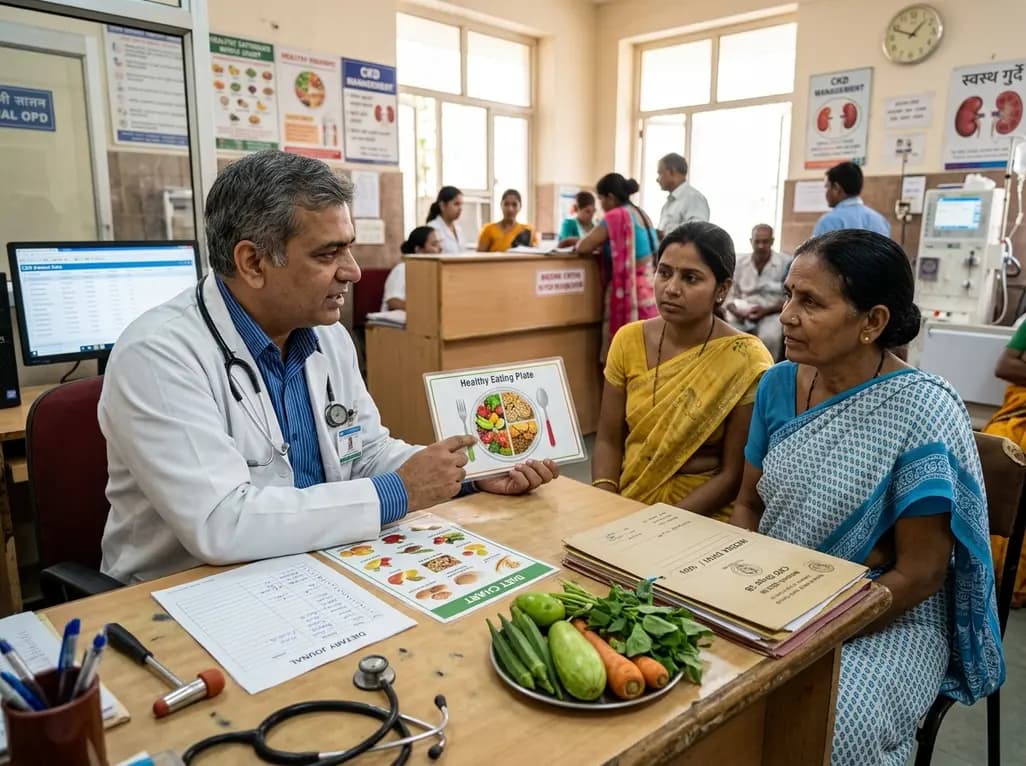
A large NHANES cohort study reveals that higher Healthy Eating Index scores significantly reduce all-cause mortality risk in CKD patients by 45%. This analysis highlights the importance of comprehensive diet quality and medical nutrition therapy in renal care to optimize long-term clinical survival.
Today

A prospective cohort study demonstrates that poor adolescent sleep quality, especially long sleep latency and reduced efficiency, increases dysmenorrhea severity in young adulthood. Addressing adolescent rest patterns offers a critical preventive avenue for clinicians.
Today
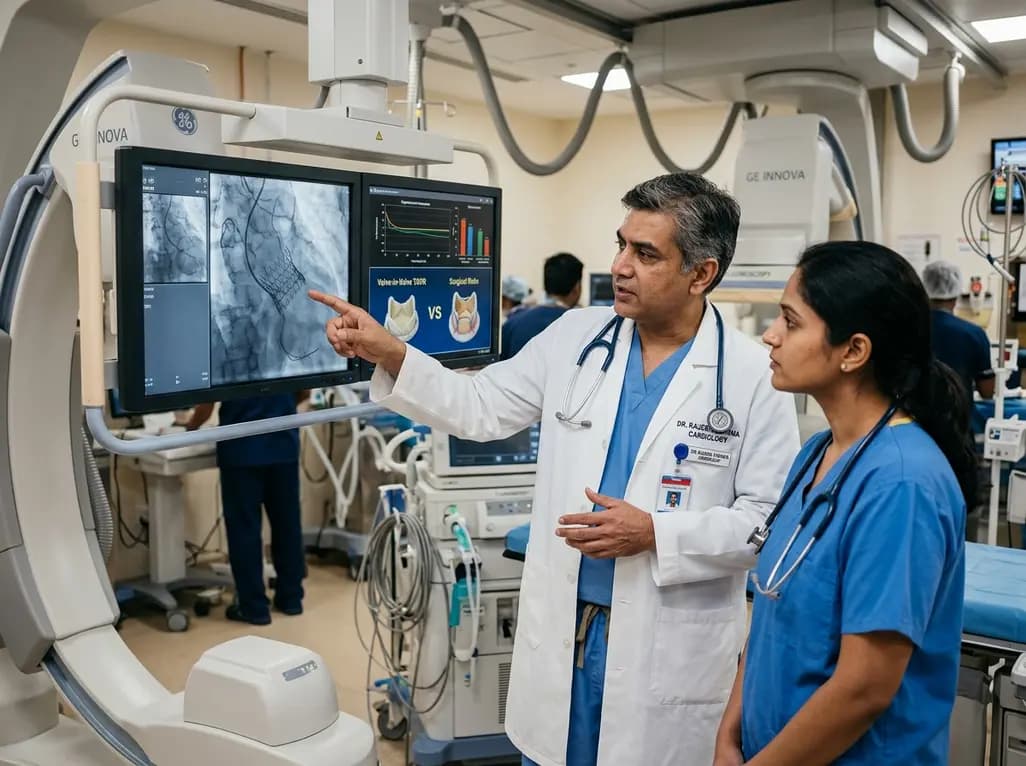
A meta-analysis of 13 propensity score-matched studies shows ViV-TAVR delivers lower early mortality and reduced bleeding compared to redo-SAVR for degenerated bioprosthetic aortic valves, though long-term hemodynamics warrant careful anatomical and patient-centered evaluation.
Today

Endoscopic posterior cervical fusion combines minimally invasive decompression, joint preparation, and rigid screw-rod fixation for atlantoaxial pathologies. Early clinical findings demonstrate solid bony union, excellent symptom relief, and minimal soft-tissue morbidity without significant vascular compromise.
Today
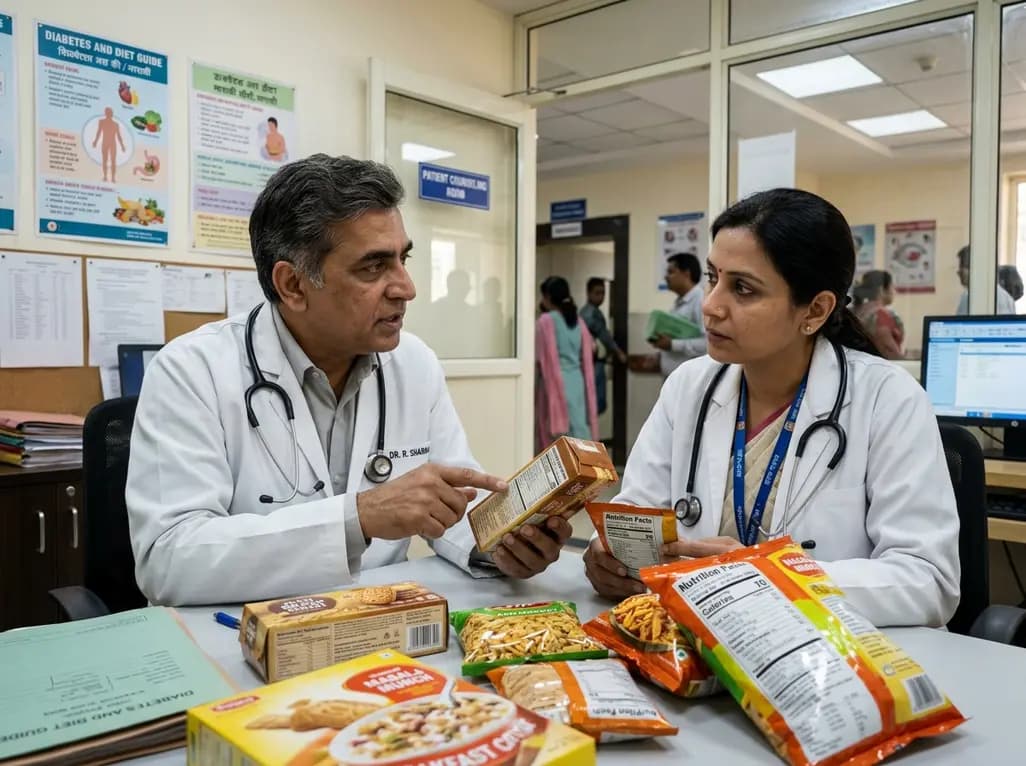
The All-India Food Processors' Association has approached the Supreme Court to oppose FSSAI's proposed per-100g benchmark for front-of-pack warning labels, advocating instead for a per-serving threshold. We explore the regulatory showdown, nutritional evidence, and implications for clinical lifestyle counseling.
Today
