.webp&w=384&q=75)

Loading, please wait...
Loading, please wait...

The ongoing Ebola outbreak in Congo represents a critical global health emergency that demands immediate clinical and epidemiological attention. Currently, the World Health Organization warns that this epidemic is in its expansion phase. Consequently, health authorities are working tirelessly to contain the virus. This outbreak is specifically caused by the rare Bundibugyo species of ebolavirus. Furthermore, because this strain lacks widely certified vaccines, containment remains an immense challenge. Therefore, understanding the epidemiological patterns of this transmission is essential for global medical professionals who monitor infectious disease threats.
The Bundibugyo ebolavirus is one of the distinct Orthoebolavirus species that causes severe viral hemorrhagic fever in humans. Historically, this pathogen has caused fewer epidemics compared to the more common Zaire ebolavirus. However, its clinical manifestation remains highly lethal and unpredictable. Patients typically present with sudden onset of fever, profound muscle pain, and severe headache. Subsequently, gastrointestinal symptoms such as vomiting and diarrhea emerge. In advanced stages, patients may experience internal and external bleeding. Unfortunately, the widely distributed Ervebo vaccine is designed specifically for the Zaire strain. Consequently, it offers no protection against the Bundibugyo species. This diagnostic and therapeutic gap places healthcare workers at extreme risk. Therefore, clinical management must rely heavily on early detection and rigorous supportive therapy. Fluid resuscitation, electrolyte correction, and symptomatic relief remain the cornerstones of clinical intervention. Medical professionals must maintain high suspicion when evaluating patients with history of travel to endemic zones. Ultimately, rapid isolation remains the primary defense against healthcare-associated transmission. We must prioritize training for front-line clinical staff regarding this specific viral pathology. Additionally, health systems must secure sufficient protective gear to safeguard intensive care workers.
The rapid expansion of the current Ebola outbreak in Congo is driven largely by massive population movements. For instance, the epicentre of the epidemic in Bunia experiences significant daily migration. This demographic mobility introduces the virus to previously unaffected territories. Specifically, infected individuals from mining towns like Mongbwalu often travel to seek medical assistance. They frequently bypass local health facilities due to poor resources. Consequently, they transport the pathogen directly into urban centres. Furthermore, traditional funeral practices continue to facilitate community transmission. Close contact with the body of a deceased patient remains highly hazardous. Because the virus persists in bodily fluids, contact tracing must be incredibly precise. However, persistent insecurity in the eastern provinces severely hampers epidemiological surveillance teams. Consequently, locating exposed individuals becomes an almost impossible task. Additionally, regional trade networks accelerate cross-border transmission risks into neighboring Uganda. Therefore, public health agencies are enforcing strict screening at designated points of entry. Public compliance with isolation protocols remains a critical factor in stopping transmission. Ultimately, local authorities must cooperate with international agencies to control movement without disrupting essential humanitarian aid corridors.
The health system in the Democratic Republic of Congo is facing severe fragility. For example, some Ebola treatment centres currently report occupancy levels around ninety percent. This near-saturation level seriously limits the capacity to manage new admissions. Additionally, healthcare workers are facing extremely difficult working conditions. Recently, staff members in Ituri issued a formal strike notice over unpaid wages and poor supplies. This potential strike threatens to disrupt critical containment operations. Furthermore, the lack of basic clinical infrastructure exacerbates cross-infection risks within hospitals. Therefore, hospital epidemiologists must enforce strict infection prevention and control measures. Healthcare facilities require continuous supplies of clean water and personal protective equipment. Moreover, community mistrust often leads to late clinical presentation. Many patients hide their symptoms until their condition becomes terminal. Consequently, the mortality rate among hospitalised cases remains alarmingly high. To resolve this, healthcare administrators must integrate community leaders into outbreak management. Building local trust is just as critical as providing clinical supplies. Ultimately, a robust health system requires sustained funding to protect both patients and clinicians from deadly infectious hazards.
Accurate diagnostic testing is vital for controlling any fast-moving epidemic. Historically, clinicians in the region relied on diagnostic assays optimized only for the Zaire strain. However, this focus led to many missed infections during the early phase of the Bundibugyo outbreak. To address this crisis, the World Health Organization recently added a new diagnostic test to its Emergency Use Listing. This innovative assay quickly confirms Bundibugyo virus infection in blood samples. Consequently, clinicians can now rapidly differentiate Ebola from other endemic pathogens like malaria or typhoid. This rapid differentiation is crucial because delayed diagnosis directly increases household transmission. Furthermore, implementing these tests at points of entry allows for immediate isolation of suspected cases. Subsequently, laboratory capacity in remote areas like Bunia is being actively upgraded. Additionally, international laboratory networks are providing technical training to local technicians. This localized capacity reduces the need to transport highly infectious samples over long distances. Therefore, diagnostic turnaround times have decreased from days to hours. Nevertheless, continuous supply chain support is required to keep these diagnostic kits available. Without reliable access to these tests, surveillance efforts will inevitably falter.
Currently, there is no widely approved cure for the Bundibugyo species of ebolavirus. However, medical researchers are launching vital clinical trials to identify effective therapies. Specifically, a scientific trial in the Democratic Republic of Congo has started enrolling patients. Participants will receive experimental therapies like the antiviral drug remdesivir or the antibody treatment MBP134. Additionally, some patients will receive a combination of both therapies. Investigators will monitor patient survival rates during a twenty-eight-day follow-up period. This trial represents the first real sign of hope for local communities in weeks. Furthermore, establishing these clinical trials in active conflict zones requires immense international coordination. Healthcare workers must carefully manage drug delivery while maintaining strict biosafety standards. Moreover, these clinical studies must adhere to high ethical guidelines. Consequently, community engagement teams are explaining the trial protocols to patients and families. If these trials succeed, they will provide the world's first targeted treatments for this deadly strain. Therefore, medical professionals worldwide are watching these developments with great anticipation. In conclusion, the integration of clinical research into epidemic response is vital for future global health security.
Q1: Why are existing Ebola vaccines ineffective against this outbreak?
Existing Ebola vaccines, such as Ervebo, specifically target the glycoprotein of the Zaire ebolavirus strain. However, the current epidemic is caused by the Bundibugyo species of the virus, which is genetically distinct. Consequently, the antibodies generated by Zaire-based vaccines do not neutralize the Bundibugyo strain effectively. Therefore, researchers are actively working to develop and test new vaccines tailored to this specific strain to prevent further spread.
Q2: How does population movement affect the expansion of Ebola?
Population movement acts as a primary vector for spreading the disease to unaffected geographic zones. For instance, workers in remote mining towns often travel to urban centres when they fall ill. Consequently, they bypass local health screens and expose many individuals during their journeys. Furthermore, high trade mobility across international borders increases the risk of regional transmission. Therefore, controlling population movement through targeted checkpoints is crucial to limiting the expansion phase.
Q3: What experimental treatments are being tested in the DRC?
Currently, clinicians in the Democratic Republic of Congo are launching clinical trials with promising experimental therapies. Specifically, they are enrolling patients to evaluate the efficacy of the antiviral drug remdesivir and the monoclonal antibody cocktail MBP134. These therapies will be administered individually or in combination to determine survival benefits. Additionally, researchers will monitor patients for twenty-eight days to evaluate therapeutic efficacy and safety.
Disclaimer: This content is for informational and educational purposes only. It does not constitute medical advice or replace professional judgment. Refer to the latest local and national guidelines for clinical practice.
References

Read summarized clinical updates, watch expert medical content, and earn CME certifications right from your smartphone.
Open your smartphone camera to scan and install.





The active Ebola outbreak in Congo, fueled by the rare Bundibugyo strain, enters a critical expansion phase. Learn about transmission dynamics, healthcare fragility in Bunia, and the launch of new experimental drug trials like remdesivir and MBP134 to combat this lethal viral threat.
3 months ago

Explore why official drug package inserts fail to reflect modern evidence for clozapine prescribing. Learn how legal standards of care, case law, slow titration, and vital adverse event monitoring empower clinicians to prioritize evidence-based medical practice over outdated manufacturer labeling.
Today
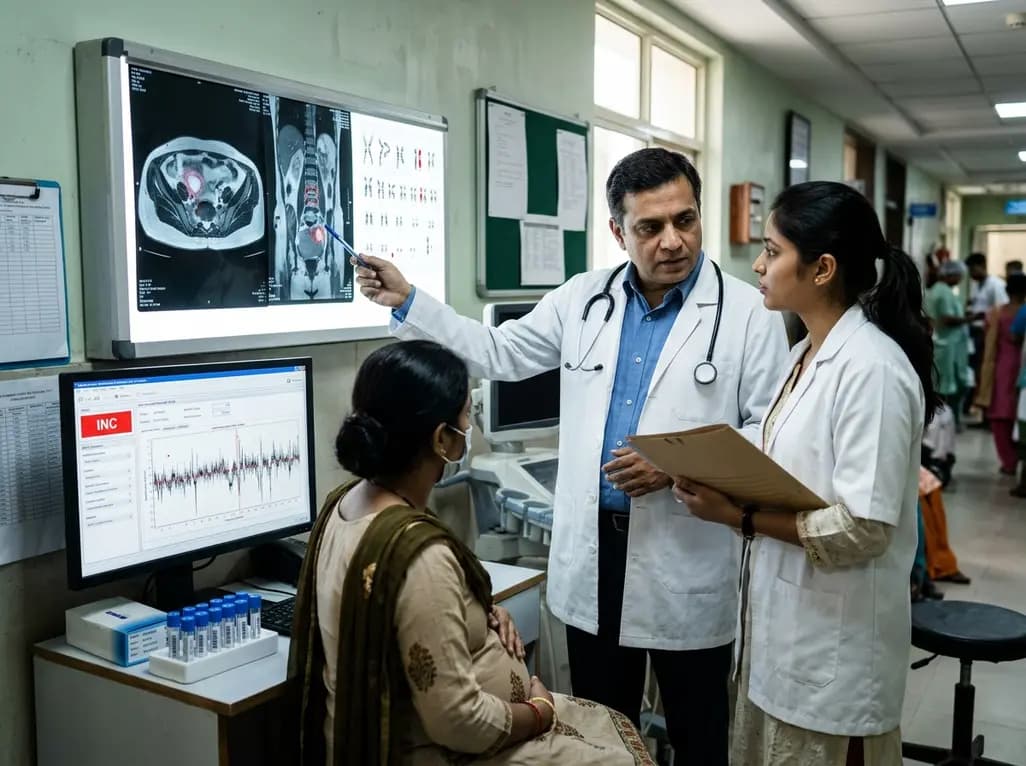
Occult maternal malignancy accounts for 3.82% of persistent unreportable NIPT results with genomic noise. Multiple chromosomal aberrations, notably on chromosome 18, warrant thorough oncological evaluation and whole-body MRI to ensure timely maternal diagnosis while preserving fetal care.
Today
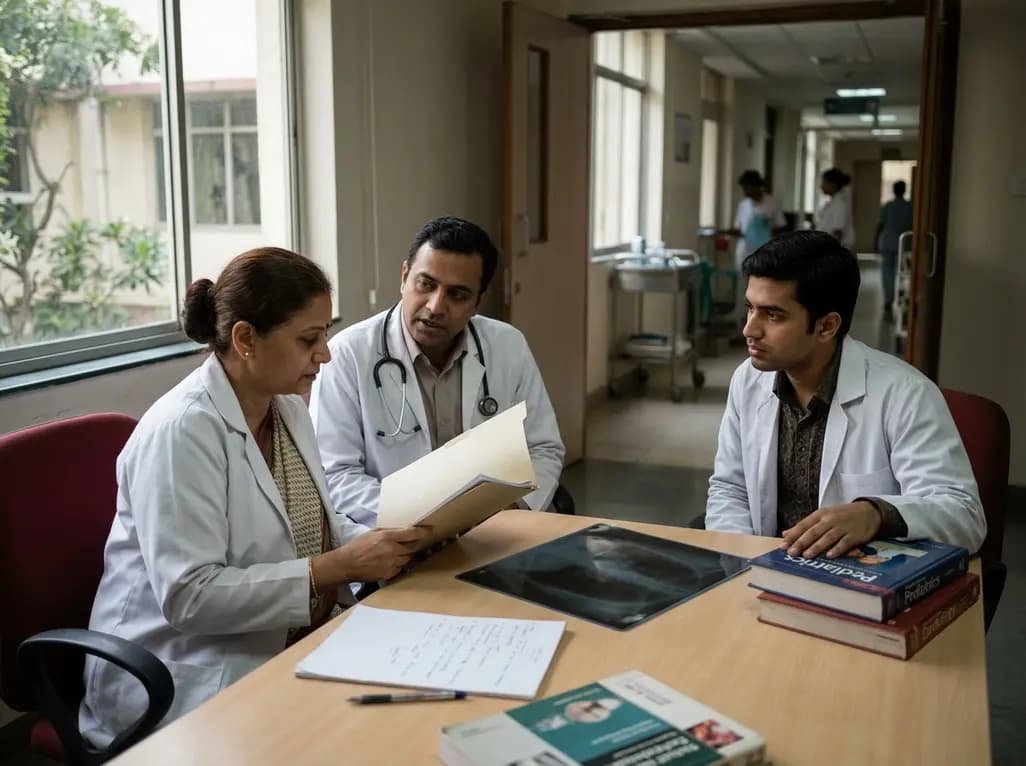
This article reviews the forensic and clinical complexities of acute myocarditis arising on left ventricular hypertrophy in children, highlighting early diagnostic red flags and multidisciplinary postmortem autopsy protocols.
Today
A randomized controlled trial demonstrates that an eight-week dual-task training intervention significantly improves static and dynamic postural control over standard balance exercises in individuals with chronic ankle instability, addressing critical neurocognitive deficits during athletic and daily activities.
Today

A retrospective cohort study of 7,716 ICU patients from the MIMIC-IV database demonstrates that Gradient Boosting Decision Trees significantly outperform traditional SOFA scores in predicting in-hospital mortality among patients with sepsis and diabetes, with SHAP analysis providing clinical interpretability.
Today
