.webp&w=384&q=75)

Loading, please wait...
Loading, please wait...
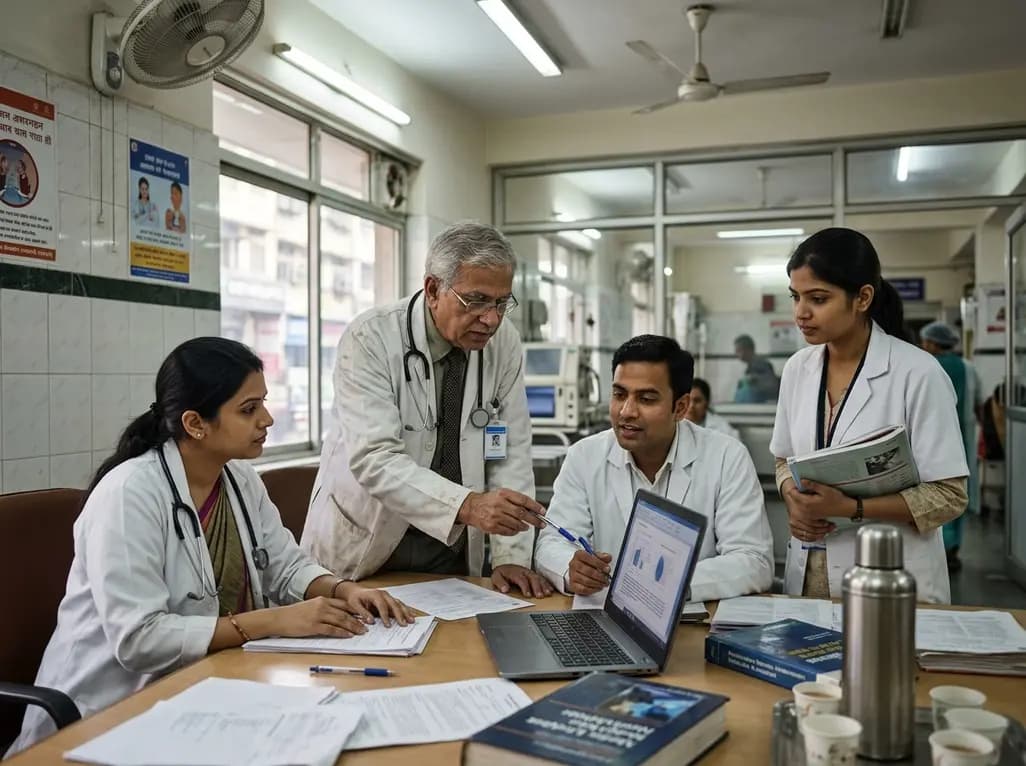
The Democratic Republic of Congo has recently banned public gatherings across four provinces, including the capital city of Kinshasa. This decisive health directive aims to curb the rapid spread of the current Ebola outbreak in Congo. Although some political opposition groups claim the ban is politically motivated, healthcare professionals view it as an essential preventive strategy. Consequently, medical educators must analyze this situation through a clinical lens. Specifically, understanding the underlying virology, transmission vectors, and containment measures is crucial for global health practitioners.
The current epidemic, officially declared on May 15, has quickly escalated across several provinces. Specifically, the government has reported over twelve hundred confirmed infections and hundreds of deaths, primarily in Ituri, North Kivu, and South Kivu. Because of this rapid expansion, the health ministry is highly concerned about transmission to unaffected areas. For instance, provinces like Kinshasa, Tshopo, Haut-Uele, and Bas-Uele have not reported any cases yet, but they remain at extreme risk due to geographic proximity and trade routes. Consequently, authorities have instituted preemptive bans on public gatherings to establish a protective barrier. Clinicians must recognize that early containment in major population hubs like Kinshasa is vital to prevent catastrophic outbreaks. When an infectious agent reaches a densely populated metropolis, contact tracing becomes exceptionally difficult. Therefore, restricting mass gatherings represents a standard epidemiological intervention designed to limit super-spreader events. Furthermore, this measure allows healthcare workers to focus their resources on active surveillance and testing. Ultimately, managing human mobility during a viral hemorrhagic fever outbreak is the most effective way to flatten the transmission curve.
In contrast to previous outbreaks, researchers have identified the active pathogen in this epidemic as the Bundibugyo ebolavirus strain. This specific viral species presents unique clinical and therapeutic hurdles for frontline medical teams. Most notably, standard monoclonal antibody therapies, which successfully treat the Zaire strain, do not offer protection against the Bundibugyo species. Additionally, regulatory bodies have not yet approved any vaccines specifically targeting this particular variant. Therefore, clinical management relies heavily on aggressive supportive care and early symptom management. Healthcare professionals must focus on maintaining fluid balance, managing electrolytes, and treating secondary bacterial infections. Because the case fatality rate remains high, rapid diagnostic testing is essential to isolate cases immediately. Clinicians should monitor patients for high fever, severe headache, muscle pain, intense weakness, and unexplained bleeding. Subsequently, medical teams must place suspected individuals in specialized isolation units to prevent nosocomial transmission. Furthermore, hospitals must train their staff in strict infection prevention and control protocols. Since specific pharmaceutical countermeasures are limited, supportive therapy remains the cornerstone of patient survival. Thus, raising clinical awareness about the Bundibugyo strain is a major priority for the international medical community.
To combat the spreading virus, the Congolese interior ministry has mandated rigorous daily surveillance reports across the newly restricted provinces. This clinical directive requires local health authorities to monitor anyone presenting with classical hemorrhagic fever symptoms. Consequently, establishing a robust contact tracing network is the highest priority for epidemiologists. When an individual tests positive, contact tracers must quickly identify every person who had direct contact with the patient. This tracking process becomes incredibly difficult in dense urban environments where people move freely every day. Therefore, public health officials must implement standardized monitoring protocols for twenty-one days, which represents the maximum incubation period of the virus. During this critical window, contacts must measure their temperature twice daily and report any physical changes. If a contact develops a fever, healthcare workers must immediately isolate and test them. Moreover, community engagement is absolutely vital because public trust directly impacts the success of surveillance efforts. When communities actively participate, they report suspected cases much faster. Ultimately, consistent daily reporting and rapid isolation of symptomatic contacts are the most effective tools to break the transmission chain.
The decision to ban mass gatherings in Kinshasa is direct evidence of proactive disaster mitigation. Although some residents argue that political motives drive the ban, the medical rationale is undeniably sound. Specifically, large crowds significantly amplify the Ebola transmission risk by facilitating close physical contact. Because the virus spreads through direct contact with bodily fluids, dense gatherings create a perfect environment for rapid transmission. For example, a single infected individual in a crowded protest or sporting event can transmit the pathogen to multiple people. Subsequently, these newly infected persons return to their diverse neighborhoods, causing widespread community transmission. To prevent this dangerous scenario, the mayor of Goma also banned public celebrations following a major sporting event. This regional consistency highlights the serious nature of the current biological threat. Furthermore, clinicians in non-affected provinces must maintain a high index of suspicion. They should carefully evaluate patients who have traveled from endemic zones. By enforcing strict physical distancing and gathering restrictions, the government effectively reduces the reproduction number of the virus. Ultimately, proactive social distancing remains a cornerstone of public health protection during severe viral epidemics.
As the epidemic expands, international health organizations are mobilizing critical resources to support the Democratic Republic of Congo. Indeed, the World Health Organization has declared the situation a public health emergency of international concern. This designation emphasizes the global threat of the Bundibugyo strain, especially after a treated healthcare worker traveled to France and tested positive. Consequently, cross-border health security measures have become a major priority for neighboring nations like Uganda. To protect global health, airports and land crossings must implement strict thermal screening protocols. Additionally, healthcare facilities worldwide should update their travel history screening forms to flag recent travel to Central Africa. Frontline doctors must receive immediate education on how to recognize early signs of hemorrhagic fevers. Meanwhile, research institutes are accelerating clinical trials for Bundibugyo-specific therapeutics and vaccines. Since local infrastructure is under immense strain, international aid is vital to supply personal protective equipment to Congolese hospitals. Working together, global and local health authorities can manage this crisis successfully. Ultimately, a coordinated, rapid, and transparent scientific response is the only way to contain this lethal pathogen and prevent a global pandemic.
Q1: What are the main clinical differences between the Bundibugyo and Zaire Ebola strains?
The Bundibugyo ebolavirus strain typically displays a lower case fatality rate than the highly lethal Zaire strain. However, it presents a significant therapeutic challenge because standard monoclonal antibodies like Inmazeb do not work against it. Additionally, the existing Ervebo vaccine only protects against the Zaire species. Therefore, clinical teams must rely on aggressive supportive care, including fluid resuscitation and symptom management, to improve survival outcomes.
Q2: How does the ban on public gatherings in Kinshasa help prevent Ebola transmission?
The Ebola virus spreads through direct contact with infectious bodily fluids. In dense urban areas like Kinshasa, mass gatherings increase the likelihood of close physical contact between individuals. Consequently, a single undiagnosed patient could quickly transmit the disease to numerous people in a crowd. By banning public demonstrations and large sports celebrations, authorities reduce these high-risk contacts and successfully limit the potential for rapid community spread.
Q3: What actions should healthcare workers take when encountering a suspected Ebola patient?
Healthcare workers must immediately isolate the patient in a single room and implement strict contact and droplet precautions. Specifically, staff must wear full personal protective equipment, including double gloves, fluid-resistant gowns, and face shields. Subsequently, they must notify local public health authorities and initiate rapid diagnostic testing. Clinicians must also obtain a detailed travel history to confirm if the patient visited affected areas in Congo.
Disclaimer: This content is for informational and educational purposes only. It does not constitute medical advice or replace professional judgment. Refer to the latest local and national guidelines for clinical practice.
References

Read summarized clinical updates, watch expert medical content, and earn CME certifications right from your smartphone.
Open your smartphone camera to scan and install.





The Democratic Republic of Congo has banned public gatherings in four provinces, including the capital Kinshasa, due to a rising Ebola outbreak. Learn about the Bundibugyo strain, the epidemiological risks of mass gatherings, and the essential protocols for clinical surveillance and cross-border containment.
3 months ago

Following regulatory scrutiny from FSSAI regarding promotional representations and lean muscle preservation claims, Dr. Reddy's Laboratories and Nestlé Health Science are currently reviewing the branding and marketing strategy for their joint nutritional supplement Celevida GLP+.
Today
Demanding exhaustive hormonal profiling can inadvertently discourage clinical studies involving females. Methodological standards must align with the specific scientific question to expand, not restrict, equitable evidence for women.
Today

The Directorate General of Health Services directs Indian states to halt the hazardous reuse and reprocessing of single-use medical devices. Discover regulatory implications under the Drugs and Cosmetics Act, critical infection risks, legal liabilities, and operational changes required across clinical specialties.
Today

A novel calcium polyphosphate coacervate enables injectable bone implants with in situ hierarchical porosity via phase separation and gas foaming, significantly enhancing cell proliferation, energy metabolism, and osteogenic differentiation for minimally invasive bone defect repair.
Today

India is advancing preventive healthcare by integrating genomics, artificial intelligence, and quantum technologies. With the SANGAM programme sequencing one million Indian genomes, clinicians can unlock personalized therapies, detect cardiometabolic risks early, and curb the burden of diabetes and heart disease.
Today
