.webp&w=384&q=75)

Loading, please wait...
Loading, please wait...
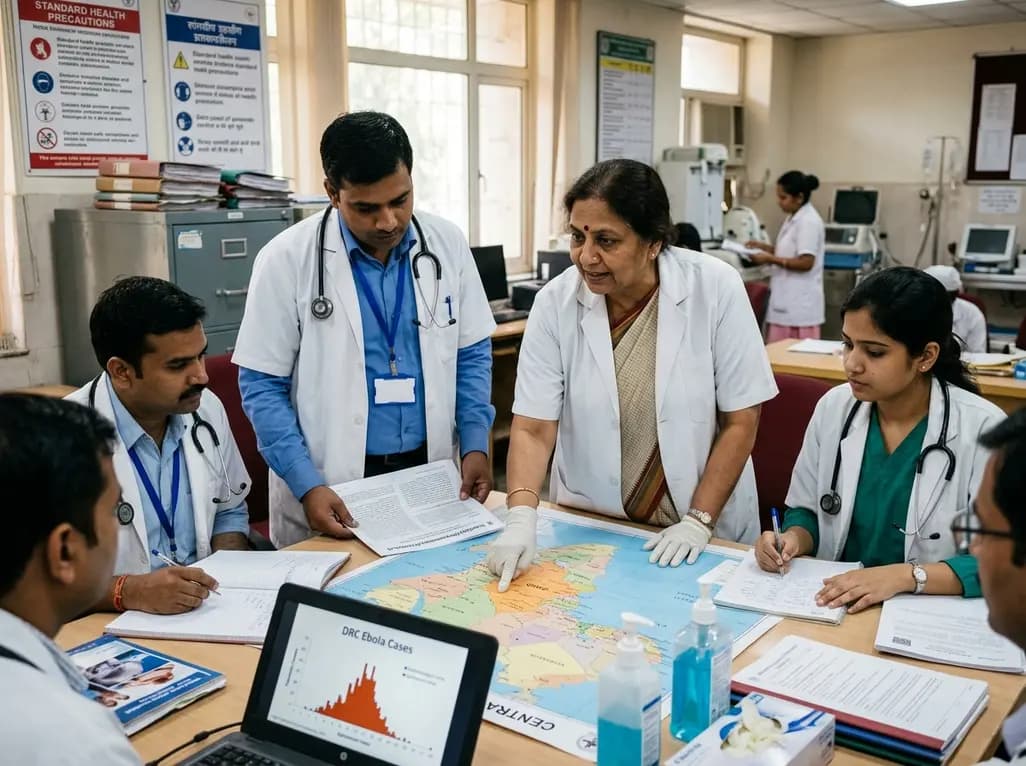
The ongoing Ebola outbreak in Congo remains a critical public health concern according to recent evaluations from Africa CDC. Although local health authorities noted preliminary signs of slowing transmission, regional epidemiologists urge continued caution. Incomplete surveillance data currently prevents officials from confirming that the outbreak has passed its peak. Therefore, healthcare systems must maintain intense vigilance and aggressive containment strategies. Furthermore, viral hemorrhagic fevers demand rigorous infection control standards to prevent widespread nosocomial amplification. Consequently, international medical bodies continue to closely monitor regional field operations.
Recent surveillance reports highlight conflicting interpretations regarding transmission trends in affected provinces. On one hand, government representatives reported encouraging trends following peak caseloads documented in mid-August. However, the Africa Centres for Disease Control and Prevention quickly qualified these early optimistic claims. Director-General Jean Kaseya emphasized that current epidemiologic indicators do not confirm sustained containment. In addition, sporadic drops in cases in eastern provinces like Ituri offer only localized relief. Transmission dynamics remain highly unpredictable across neighboring health zones.
Therefore, public health experts emphasize that reliable epidemiological trends require weeks of sustained declining incidence. Community transmission often persists beneath official detection thresholds when active contact tracing falters. Furthermore, political instability and geographical barriers in eastern Congo continually impede systematic sample collection. As a result, reported numbers frequently underestimate the real disease burden in remote settlements. International technical teams are working alongside national authorities to bridge these critical data deficits. Consequently, robust epidemiological modeling must guide immediate resource distribution. Maintaining vigilant surveillance remains essential to prevent cross-border spillover into adjacent countries. Until comprehensive field metrics demonstrate uninterrupted decline, health bodies will continue classifying the situation as high risk.
Infection prevention and control represents the primary defensive pillar during any viral hemorrhagic fever emergency. Nevertheless, technical audits in the Democratic Republic of Congo reveal persistent structural deficits across rural healthcare facilities. Many frontline clinics lack reliable access to clean running water, dedicated isolation wards, and chemical disinfectant supplies. Consequently, unprotected health workers face significant occupational hazards while treating undifferentiated acute febrile illnesses. Nosocomial spread historically drives secondary transmission chains during the early weeks of an emerging outbreak. Therefore, rectifying infrastructure gaps must take precedence in frontline triage facilities.
Additionally, standard operating procedures for personal protective equipment require rigorous compliance monitoring. Medical staff often experience severe physical exhaustion, which drastically increases the likelihood of accidental protocol breaches during doffing. Community health centers also struggle with safe biomedical waste management and proper environmental decontamination. For this reason, training programs must continuously reinforce hand hygiene and safe injection practices among all personnel. Moreover, supervisory teams must regularly evaluate facility readiness using standardized clinical checklists. Consequently, international agencies continue distributing standardized personal protective kits to high-risk zones. Without sustained adherence to these infection control baselines, rural clinics risk becoming amplification centers rather than healing centers.
Ebola virus disease manifests initially with non-specific constitutional symptoms that mimic common tropical infections. Patients frequently present with sudden onset high fever, severe fatigue, diffuse myalgia, headache, and sore throat. Subsequently, clinical progression leads to protracted vomiting, profuse watery diarrhea, abdominal pain, and marked dehydration. Clinicians must recognize that overt hemorrhagic manifestations appear in only a minority of confirmed cases. Instead, severe metabolic disturbances, profound hypovolemia, and multiorgan failure account for the highest mortality rates. Therefore, early syndromic identification remains critical for initiating aggressive supportive resuscitation before vascular collapse develops.
However, establishing an accurate differential diagnosis presents formidable clinical challenges in endemic settings. Tropical practitioners must systematically differentiate Ebola from malaria, typhoid fever, shigellosis, leptospirosis, and other hemorrhagic fevers. Furthermore, clinicians must obtain detailed travel histories and exposure timelines for every patient presenting with acute fever. Point-of-care reverse transcription polymerase chain reaction assays provide definitive confirmation of viral ribonucleic acid. Meanwhile, rapid antigen tests offer preliminary triage utility when molecular laboratory facilities are geographically distant. In addition, routine hematological investigations often reveal leukopenia, marked thrombocytopenia, and elevated transaminases. Consequently, combining clinical suspicion with rapid laboratory diagnostics prevents disastrous delays in patient isolation.
Management of Ebola virus disease has evolved significantly beyond basic palliative isolation. Today, early optimized supportive care forms the foundation of clinical survival. Specifically, intravenous fluid rehydration, aggressive electrolyte correction, and targeted antiemetic therapy substantially reduce case fatality rates. Clinicians must also administer empirical broad-spectrum antimicrobials to manage potential secondary bacterial sepsis arising from impaired gut mucosal integrity. In addition, targeted monoclonal antibodies have revolutionized disease-specific medical management. Monoclonal antibody treatments such as Inmazeb and Ebanga neutralize the viral glycoprotein, thereby preventing viral entry into host cells.
However, therapeutic efficacy depends heavily on early administration before extensive systemic vascular injury occurs. Alongside curative therapies, strategic vaccination campaigns serve as the cornerstone of community-level outbreak suppression. Ring vaccination teams identify and immunize direct contacts of confirmed cases, as well as secondary contacts. Furthermore, healthcare workers and laboratory personnel receive pre-exposure prophylaxis with recombinant vesicular stomatitis virus vaccines. Although cold-chain maintenance presents logistical hurdles in tropical rural environments, ultra-low temperature mobile freezers facilitate decentralized field deployment. Consequently, international stockpiles ensure rapid dispatch of vital vaccine doses during emerging crises. As a result, vaccination rings successfully extinguish localized transmission clusters when community engagement remains robust.
International connectivity means that localized outbreaks in Central Africa carry global public health relevance. Indian clinicians practicing in major metropolitan hospitals, international airports, and port health organizations must maintain acute diagnostic awareness. Specifically, thousands of travelers, expatriates, and military peacekeepers move regularly between Central African nations and Indian travel hubs. Therefore, emergency departments must implement standardized travel screening protocols for every patient presenting with sudden unexplained fever. Healthcare providers must promptly elicit comprehensive travel histories spanning the preceding twenty-one days. Early isolation of suspected cases prevents potential nosocomial transmission within crowded domestic hospital waiting areas.
Furthermore, the National Centre for Disease Control provides comprehensive operational frameworks for viral hemorrhagic fever surveillance. Indian tertiary care centers must maintain dedicated negative-pressure isolation facilities and appropriate personal protective equipment caches. Medical administrators should also organize periodic mock drills to test hospital biocontainment readiness and rapid notification pathways. In addition, clinical teams must coordinate directly with designated national reference laboratories for diagnostic sample referral. Health authorities emphasize that suspected samples require strict adherence to international biosafety category A shipping standards. Consequently, institutional preparedness and rapid reporting ensure national biosecurity against imported pathogens.
Q1: Why does Africa CDC consider the current Ebola situation serious despite reported declines in cases?
Africa CDC considers the outbreak serious because recent case declines were localized rather than countrywide. Furthermore, epidemiological data remain incomplete, preventing confirmation that transmission has passed its peak. Persistent gaps in hospital infection prevention and control also increase the danger of healthcare-associated amplification. Therefore, public health leaders require sustained, verifiable epidemiological metrics across all affected zones before declaring transmission controlled. Until comprehensive surveillance verifies community containment, the risk of resurgence remains severe.
Q2: What specific infection prevention measures are crucial to curb Ebola transmission in medical facilities?
Medical facilities must establish rigorous triage protocols to isolate suspected viral hemorrhagic fever patients immediately. In addition, clinical personnel must utilize certified personal protective equipment, including double gloving, fluid-resistant coveralls, and face shields. Strict adherence to safe doffing procedures prevents accidental self-contamination during high-risk shifts. Healthcare centers must also implement reliable supply chains for chlorinated disinfectants, hand hygiene stations, and dedicated medical waste incineration. Consequently, institutional compliance checks safeguard both healthcare workers and vulnerable admitted patients.
Q3: How should healthcare providers in non-endemic countries like India approach suspected Ebola presentations?
Healthcare providers in India must obtain detailed travel histories covering the preceding three weeks for all febrile patients. If a patient traveled through outbreak zones, clinicians must implement immediate contact and droplet isolation precautions. Furthermore, medical teams must alert hospital infection control committees and local public health authorities without delay. Diagnostic blood samples require secure category A handling before dispatch to designated government reference laboratories. Meanwhile, clinicians should initiate supportive hemodynamic care while strictly avoiding invasive procedures unless absolutely essential.
Disclaimer: This content is for informational and educational purposes only. It does not constitute medical advice or replace professional judgment. Refer to the latest local and national guidelines for clinical practice.
References

Read summarized clinical updates, watch expert medical content, and earn CME certifications right from your smartphone.
Open your smartphone camera to scan and install.





The Africa CDC cautions that the ongoing Ebola transmission in the Democratic Republic of Congo remains a critical threat. Health authorities emphasize persistent gaps in infection prevention and control across provinces, highlighting the urgent need for heightened clinical surveillance and hospital preparedness worldwide.
Today
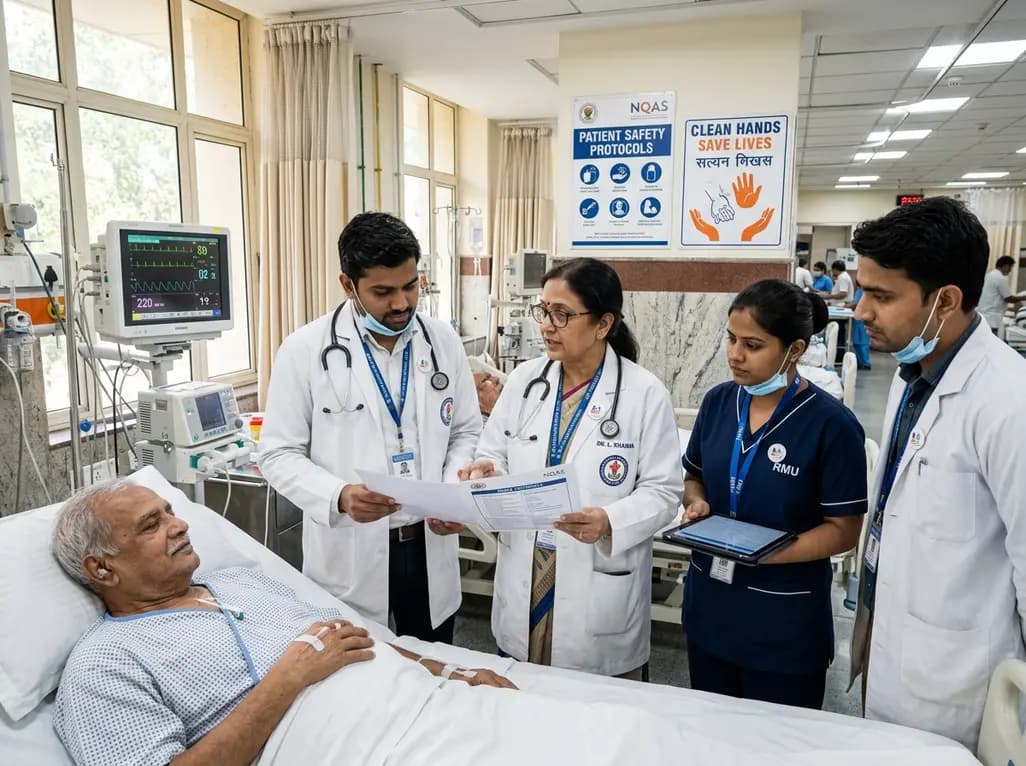
Union Health Minister JP Nadda highlighted patient safety, clinical hygiene, and institutional quality at ABVIMS and Dr RML Hospital on World Patient Safety Day 2026. The national strategy emphasizes NQAS certification, Ayushman Bharat expansions, PMBJP generic access, and safe lifelong management of chronic diseases.
Today
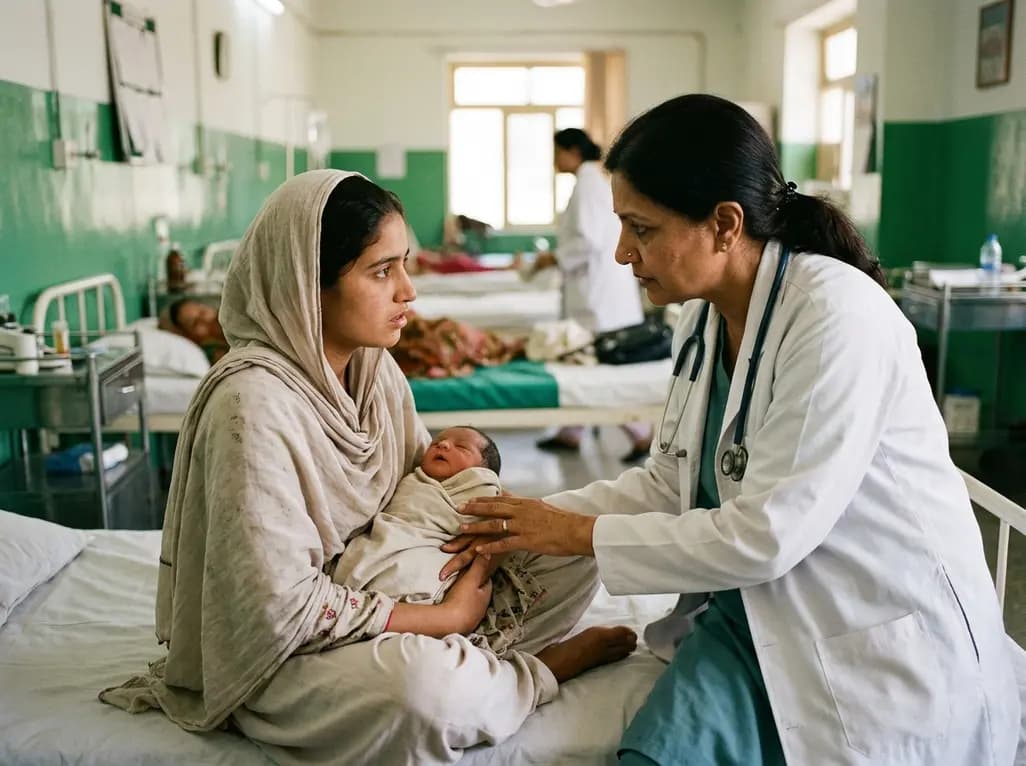
Prelacteal feeding persists in South Asian communities despite known clinical risks. This review examines determinants from Chitral, pathophysiological hazards, and pediatric strategies to eliminate harmful feeds and support exclusive breastfeeding.
Today
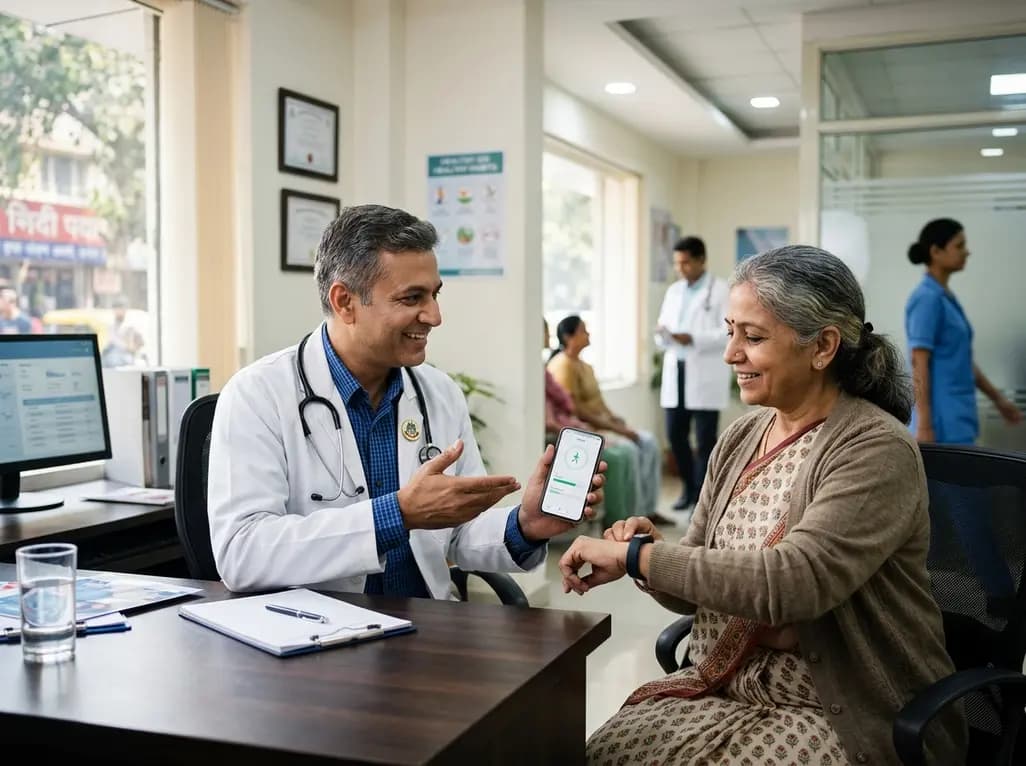
A randomized controlled trial demonstrates that theory-driven personalized mobile messaging reduces the risk of consecutive walking goal failures by 33 percent, highlighting the vital role of digital health tools in sustaining long-term exercise habits and chronic disease prevention.
Today

A comparative cohort study demonstrates that patients undergoing total hip arthroplasty after prior hip arthroscopy achieve comparable functional recovery, low complication rates, and equivalent implant survivorship when conversion occurs after six months.
Today
A cross-sectional study of 320 adults evaluated the link between habitual fasting duration and dietary quality using Nutrition Quotient scores, highlighting the clinical necessity of balancing time-restricted eating with nutrient density and meal quality in routine metabolic practice.
Today
