.webp&w=384&q=75)

Loading, please wait...
Loading, please wait...
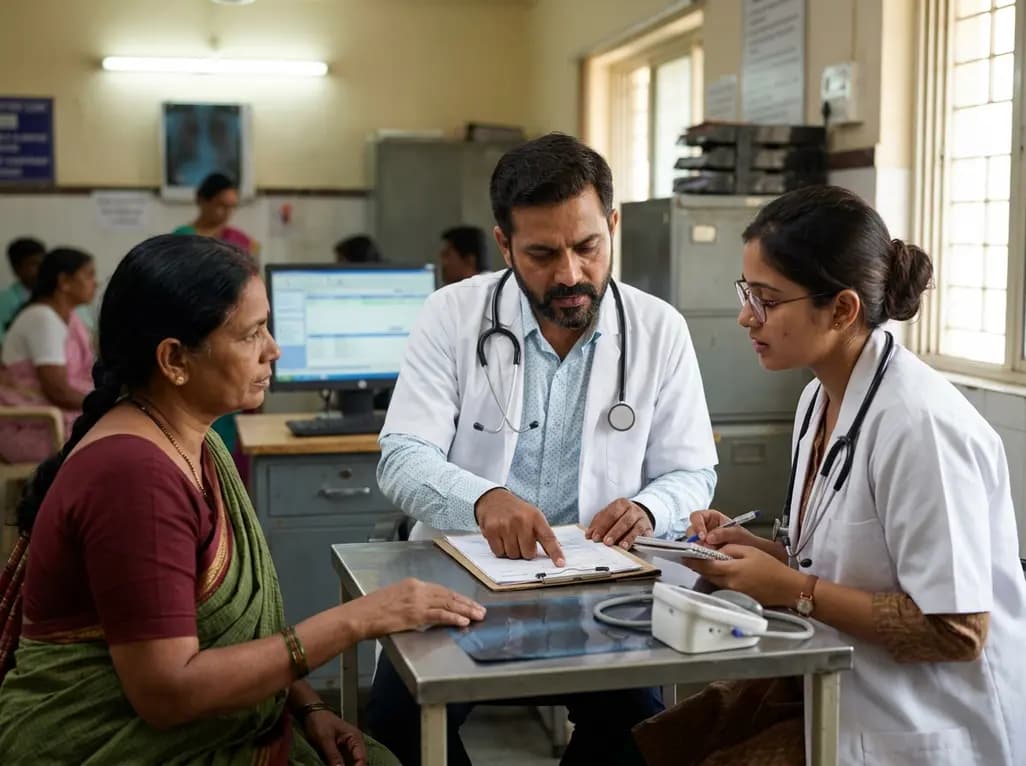
The rapid expansion of the Ebola Bundibugyo outbreak in the Democratic Republic of Congo and Uganda highlights critical vulnerabilities in global health security. Consequently, medical educators and clinicians must urgently address the diagnostic and therapeutic gaps that hinder effective outbreak containment. Historically, public health systems have focused heavily on the Zaire strain of the virus. However, the Bundibugyo strain presents distinct epidemiological features that require tailored medical interventions. In this context, healthcare professionals need to understand how subtle differences in disease presentation can delay patient care. Additionally, this knowledge gap complicates early identification and triage. Therefore, this comprehensive review explores the clinical realities, diagnostic hurdles, and management strategies essential for controlling this emerging threat.
The current Ebola Bundibugyo outbreak is the largest on record for this specific viral strain. Historically, only two previous outbreaks occurred, with one in Uganda in 2007 and another in Congo in 2012. Together, those historical events caused only about two hundred cases. In contrast, the current crisis has rapidly surpassed one thousand cases, signaling unprecedented transmission dynamics. This rapid spread alarms epidemiologists globally. Specifically, the remote nature of the affected regions makes surveillance exceptionally difficult. Additionally, active armed conflict in eastern Congo further restricts the movement of medical teams. Consequently, healthcare workers cannot easily trace contacts or isolate suspected individuals. Furthermore, porous borders allow infected people to travel between neighbouring countries, spreading the virus. Indeed, Uganda has already confirmed multiple cases originating from the Congolese epicenter. To combat this threat, clinical teams must deploy rapid response strategies. Consequently, international agencies are working to strengthen regional healthcare infrastructure. However, without peace and stable security, complete containment remains a distant goal. Therefore, global health leaders must collaborate with local authorities to ensure safe access for medical responders. Consequently, health systems must prioritize cross-border surveillance to identify cases early. Additionally, international funding must support these essential logistics.
Clinicians face significant hurdles because the Bundibugyo strain presents differently from the Zaire strain. Specifically, early symptoms resemble those of malaria, typhoid, or influenza, causing frequent misdiagnoses. Patients typically experience fever, body aches, vomiting, and severe diarrhea during the initial phase. Consequently, many individuals delay seeking medical care, believing they have a common local ailment. In addition, patients in this outbreak rarely exhibit the classic hemorrhagic symptoms. Historically, the public expects to see bleeding in active cases. However, researchers found that only ten percent of confirmed patients in this outbreak experienced visible bleeding. This major clinical deviation causes public skepticism and resistance. Consequently, community members accuse medical workers of lying when non-bleeding relatives receive an Ebola diagnosis. Therefore, clinical education must emphasize that a lack of bleeding does not rule out the disease. Additionally, health departments must update public messaging to reflect these clinical realities. Through accurate education, we can rebuild trust and encourage early testing within affected communities. Moreover, rapid diagnostic tests must expand to detect multiple strains simultaneously. Consequently, diagnostic accuracy improves when medical networks integrate these advanced technologies. Additionally, local laboratories must receive adequate testing supplies immediately.
Currently, no approved vaccines or targeted therapies exist specifically for the Bundibugyo strain of Ebola. This stands in sharp contrast to the Zaire strain, which has highly effective vaccines and monoclonal antibody treatments. Consequently, clinical management relies primarily on aggressive supportive care. For instance, clinicians focus on intravenous rehydration, electrolyte correction, and symptom management to improve survival. However, medical researchers are moving rapidly to evaluate potential solutions. Specifically, clinical trials for experimental vaccines and therapies are starting immediately in the affected areas. These trials represent a critical step toward establishing evidence-based interventions for future outbreaks. Meanwhile, healthcare workers must implement rigorous infection control protocols within treatment centers. Therefore, clinicians must maintain a high index of suspicion and isolate suspected cases immediately. In addition, prompt supportive care significantly lowers mortality rates even without specific antivirals. Ultimately, the successful deployment of these upcoming clinical trials depends on community cooperation and security. Thus, international support remains essential to sustain these medical research efforts. Furthermore, ethical frameworks must guide all research activities during this public health emergency. Consequently, scientists must accelerate vaccine trials to protect vulnerable populations. Additionally, hospital administrations must secure reliable energy sources for vaccine storage.
Understanding the transmission pathways of the virus remains fundamental to controlling its spread. Specifically, the virus spreads through direct contact with bodily fluids of infected individuals. Additionally, contact with contaminated surfaces or materials can transmit the pathogen. Consequently, healthcare workers must adhere strictly to infection prevention and control protocols. For example, they must wear comprehensive personal protective equipment during patient care. Furthermore, safe and dignified burial practices prevent transmission from deceased patients. However, implementing these measures is difficult in resource-limited settings. In addition, the lack of diagnostic supplies delays early detection in remote clinics. Therefore, epidemiological surveillance must include active contact tracing to identify potential chains of transmission. In fact, rigorous monitoring allows public health officers to pinpoint hot spots and allocate resources effectively. Meanwhile, training local health staff improves community-level surveillance. Consequently, clinicians isolate early cases quickly, limiting further transmission. Ultimately, sustained vigilance across borders remains key to preventing a regional epidemic. Indeed, cross-border coordination prevents international spread and protects vulnerable populations. Consequently, comprehensive training programs must target rural health clinics. Additionally, international networks must supply diagnostic kits to facilitate rapid identification.
Community trust represents the cornerstone of any successful outbreak response. However, medical responders frequently face suspicion and resistance in eastern Congo. This hostility stems from historical experiences and deep-seated fears. Specifically, community members remember the high mortality rates of previous Zaire outbreaks. Consequently, they view isolation centers with apprehension, fearing they are places of death. In addition, ongoing armed conflict breeds distrust of official institutions and external interventions. Therefore, healthcare teams must prioritize community engagement and transparent communication. For instance, involving respected local leaders, religious figures, and traditional healers can bridge the trust gap. Furthermore, addressing misconceptions about the lack of bleeding in Bundibugyo cases remains crucial. When responders explain clinical differences clearly, they dismantle fear and resistance. Meanwhile, security forces must protect medical installations and personnel without escalating local tensions. Thus, a balanced approach combining security, communication, and compassionate care is vital. Ultimately, overcoming community resistance is just as important as medical treatment for stopping this epidemic. Indeed, patient-centered care builds the foundation of public health success. Consequently, patient isolation must always go hand in hand with cultural sensitivity. Additionally, community workers must document and report local concerns continuously.
Q1: How does the Bundibugyo strain of Ebola differ from the Zaire strain?
Although both strains belong to the same family of filoviruses, they have distinct differences. Specifically, the Bundibugyo strain causes a lower overall mortality rate compared to Zaire. Additionally, patients with the Bundibugyo virus rarely exhibit the classic hemorrhagic symptoms, such as external bleeding. However, this milder presentation often leads to delayed medical care. Furthermore, currently approved vaccines and therapies target the Zaire strain, leaving Bundibugyo without specific medical countermeasures.
Q2: Why are diagnostic gaps particularly problematic in this Ebola Bundibugyo outbreak?
Consequently, health officials face significant diagnostic challenges during this epidemic. Specifically, the most common rapid diagnostic tests exclusively detect the Zaire strain, failing to identify Bundibugyo. In addition, the early symptoms, such as fever and vomiting, mimic endemic diseases like malaria or typhoid. Therefore, clinicians frequently misdiagnose the disease in its initial stages. Ultimately, these diagnostic delays lead to late isolation and accelerated community transmission.
Q3: What treatment options are available for patients during this outbreak?
Currently, medical teams rely entirely on aggressive supportive care to treat infected individuals. Specifically, this care includes intravenous rehydration, electrolyte correction, and targeted symptom management. However, clinical researchers are starting treatment trials for experimental vaccines and therapies next week in eastern Congo. Furthermore, these trials will yield effective therapeutic options for the future. Meanwhile, prompt supportive interventions remain the most reliable method to reduce mortality rates and support patient recovery.
Disclaimer: This content is for informational and educational purposes only. It does not constitute medical advice or replace professional judgment. Refer to the latest local and national guidelines for clinical practice.
References

Read summarized clinical updates, watch expert medical content, and earn CME certifications right from your smartphone.
Open your smartphone camera to scan and install.





As the Ebola Bundibugyo outbreak spreads in the Democratic Republic of Congo and Uganda, healthcare providers face major diagnostic and clinical challenges. Explore the key differences between the Bundibugyo and Zaire strains, diagnostic gaps, and essential response strategies for medical professionals.
3 months ago

As monsoon seasons elevate arboviral disease threats, Tamil Nadu has initiated an ICMR-monitored evaluation of the tetravalent dengue vaccine in Tenkasi district. Clinicians emphasize clinical monitoring, public prevention, and high-quality early pediatric care to reduce disease morbidity across endemic regions.
Today

Leucine Rich Bio has introduced South Asia's first comprehensive vaginal microbiome test, BugSpeaks. By profiling microbial dysbiosis, pathogens, and antimicrobial resistance, this next-generation diagnostic platform provides clinicians with deeper insights into recurrent infections, fertility, and reproductive health.
Today

Review how tailored exercise programs benefit frail older patients with heart failure. Explore pathophysiological mechanisms, individualized training prescriptions, and strategies to overcome adherence barriers in clinical practice.
Today

This comparative study evaluates posterior labral tears with and without glenohumeral instability, highlighting distinct demographic patterns, MRI underestimation in stable shoulders, and successful arthroscopic repair outcomes.
Today

A clinical study demonstrates that early intervention with tocilizumab, either as monotherapy or bridged with corticosteroids, achieves significant proptosis reduction and resolves active inflammation in treatment-naive thyroid eye disease.
Today
