.webp&w=384&q=75)

Loading, please wait...
Loading, please wait...
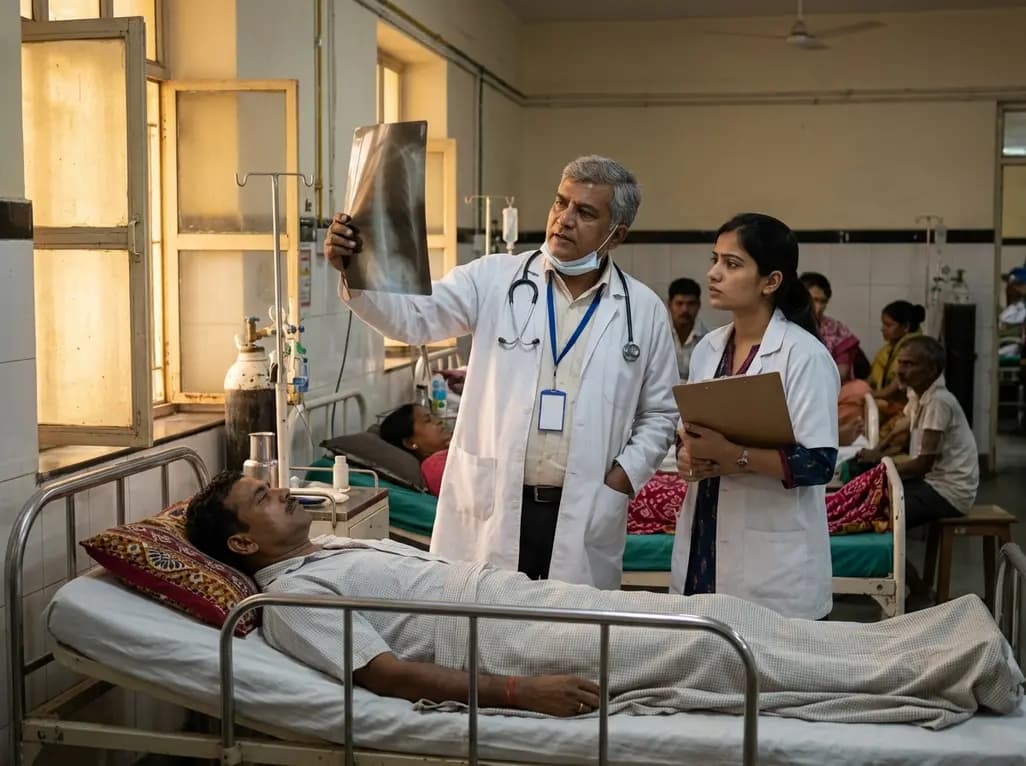
Type II dens fractures represent a significant clinical challenge in the geriatric population, especially among octogenarians who often present with multiple comorbidities. As life expectancy increases in India, orthopedic surgeons and geriatricians encounter these cervical spine injuries with growing frequency. Historically, managing these fractures has been a point of contention among medical professionals worldwide. The choice between surgical stabilization and nonoperative management involves weighing the risks of major surgery against the potential complications of immobilization. This new propensity-matched analysis provides critical insights into how early intervention affects long-term survival and quality of life. Specifically, the study investigates whether surgery within the first two weeks post-injury offers a tangible survival advantage. While many clinicians prioritize immediate stability, others argue that the physiological toll of surgery on an eighty-year-old patient may outweigh the benefits. Consequently, understanding the nuances of these management strategies is vital for optimizing patient outcomes in specialized care settings. By examining real-world data, healthcare providers can better guide families through difficult decision-making processes regarding spinal care.
Furthermore, the complexity of managing Type II dens fractures in the elderly stems from the fragile balance between stability and morbidity. Nonoperative management typically involves rigid external orthoses, such as a halo vest or a hard cervical collar. However, these interventions are not without significant risks for octogenarians, often leading to respiratory distress, skin breakdown, and decreased mobility. On the other hand, surgical intervention aims to provide immediate internal stabilization, potentially allowing for earlier mobilization and reduced reliance on restrictive external braces. Despite these theoretical advantages, surgeons must consider the high perioperative risks, including anesthetic complications and cardiovascular events. Moreover, the healing potential of the odontoid process in older patients is notoriously poor due to diminished blood supply in the region. Therefore, the decision to operate is rarely straightforward and requires a multidisciplinary approach involving anesthesia, geriatrics, and neurosurgery. Recent literature has suggested that while surgery might improve bony union rates, its impact on overall mortality remains a subject of intense debate within the orthopedic community. Doctors must evaluate each patient's unique physiological reserve before proceeding.
To address these concerns, a retrospective cohort study was conducted using the TriNetX database, focusing on patients aged 80 and older diagnosed with isolated Type II dens fractures. Researchers excluded those with confounding injuries like spinal cord or traumatic brain injuries to ensure a clear comparison. They stratified patients into an early operative group, receiving surgery within 14 days, and a nonoperative group. After utilizing propensity score matching to balance demographic and clinical variables, each cohort consisted of 156 patients. The primary goal was to assess mortality at various intervals, ranging from nine months to three years. Interestingly, the results indicated no significant differences in mortality between the two groups at any of the measured time points. This finding suggests that for octogenarians, the choice of surgery does not necessarily dictate their long-term survival prospects. However, the study did reveal significant differences in secondary outcomes that are crucial for clinical practice. These secondary findings highlight the importance of looking beyond just survival when evaluating surgical success in the geriatric population. Specifically, the data points toward functional and systemic benefits that surgery may provide.
Additionally, the study highlighted significant benefits of early surgical intervention regarding hospital readmission rates and long-term opioid consumption. Specifically, patients who underwent early surgery demonstrated a significantly lower risk of 90-day and 6-month hospital readmissions. The odds ratio for 90-day readmission was 0.35, indicating a robust reduction in the likelihood of returning to the hospital shortly after the initial injury. This reduction in readmissions is particularly important in India, where healthcare costs and hospital-acquired infections are major concerns for elderly patients. Furthermore, the analysis showed that early operative intervention was associated with lower long-term post-injury opioid use between six months and three years. This finding is particularly striking, as chronic opioid use in octogenarians is linked to numerous adverse effects, including cognitive decline and falls. By achieving better stability through surgery, patients may experience more manageable pain levels, reducing their reliance on potent analgesics. Consequently, while surgery might not extend life, it appears to improve the quality of life by reducing healthcare utilization. Moreover, this suggests that the surgical approach facilitates a more stable and predictable recovery pathway for survivors.
In light of these findings, clinicians should focus on personalized care goals when managing Type II dens fractures in the very elderly. While survival may remain unchanged regardless of the chosen path, the reduction in readmissions and opioid use suggests that surgery may offer a more efficient recovery for those who are fit enough for the procedure. Therefore, surgeons should engage in detailed shared decision-making with patients and their families, emphasizing the potential for a smoother postoperative course rather than an extension of lifespan. In the Indian context, where family support is a cornerstone of geriatric care, reducing the burden of frequent hospital visits can significantly improve overall well-being. Moreover, the decreased need for long-term opioids aligns with global efforts to minimize polypharmacy in the elderly. However, it is essential to remember that these results apply specifically to isolated fractures. Patients with multiple comorbidities or significant neurological deficits may require a different assessment entirely. Ultimately, the choice of intervention must remain individualized, taking into account the patient's functional baseline. Clinicians must balance clinical evidence with the patient's personal values and recovery expectations.
Finally, implementing these findings within the Indian healthcare system requires careful consideration of resource allocation and surgical expertise. While early intervention shows promise in reducing morbidity, the availability of specialized geriatric anesthesia and postoperative rehabilitation remains variable across the country. Additionally, the financial implications of spinal surgery can be substantial for many families, making nonoperative management a necessary choice for some. However, if surgical intervention can truly reduce long-term readmission costs, it may prove to be a more cost-effective strategy in the long run. Healthcare providers in India should focus on developing standardized protocols for elderly spine trauma to ensure consistent care. By integrating these research findings into local practice, Indian surgeons can better navigate the complexities of managing Type II dens fractures in our aging population.
Nonoperative management often involves using a hard cervical collar or a halo vest to stabilize the spine. However, in octogenarians, these devices can lead to significant complications such as respiratory distress, aspiration pneumonia, and severe skin pressure ulcers. Furthermore, prolonged immobilization often results in a rapid decline in muscle mass and overall functional status. While avoiding surgery might seem safer initially, the secondary effects of conservative care can be equally life-threatening for fragile patients.
According to the latest propensity-matched research, early surgical intervention for isolated Type II dens fractures does not significantly improve survival at nine months, one year, or even three years compared to nonoperative care. The mortality rates remain comparable between the two groups. Consequently, the primary reason to consider surgery in octogenarians is not necessarily to prolong their life, but rather to reduce complications like hospital readmissions and to manage long-term pain more effectively without heavy opioid use.
Early surgical stabilization has been shown to significantly reduce long-term post-injury opioid use in octogenarians. Because the surgery provides immediate mechanical stability to the odontoid fracture, patients typically experience lower levels of chronic pain during the recovery phase. This reduced pain intensity allows healthcare providers to prescribe fewer potent analgesics, which is crucial for elderly patients who are highly susceptible to the side effects of opioids, such as delirium, constipation, and an increased risk of falls.
Disclaimer: This content is for informational and educational purposes only and does not constitute medical advice or a professional relationship. Always seek the advice of a physician or other qualified health provider with any questions regarding a medical condition. Refer to the latest local and national guidelines for clinical practice.
References
Khan Z et al. Does early surgical intervention for type II dens fractures improve survival in octogenarians? A propensity-matched analysis. Br J Neurosurg. 2026 Jun 27. doi: 10.1080/02688697.2026.2695383. PMID: 42364088.
Robinson AL et al. (2017). Surgical or Non-Surgical Treatment of Odontoid Fractures in the Elderly? A Systematic Review and Meta-Analysis. Spine (Phila Pa 1976). 42(15):E906-E916.
Smith JS et al. (2015). Mortality and complications after surgery for Type II odontoid fractures in the elderly: comparison of anterior and posterior approaches. J Neurosurg Spine. 22(3):281-91.

Read summarized clinical updates, watch expert medical content, and earn CME certifications right from your smartphone.
Open your smartphone camera to scan and install.





This study compares early surgical intervention versus nonoperative management for Type II dens fractures in patients aged 80 and older. While mortality remains similar, early surgery significantly reduces hospital readmissions and long-term opioid use.
3 months ago
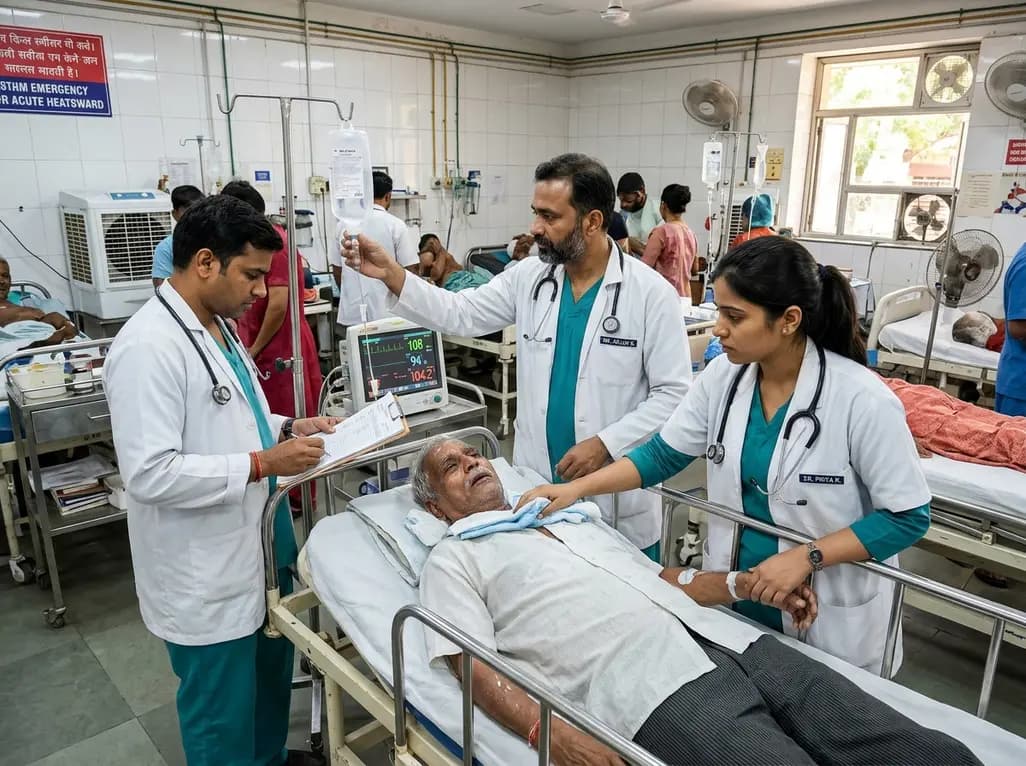
Recent epidemiological data reveals a dramatic surge in summer heat mortality driven by human-induced climate warming. This analysis explores the pathophysiological impacts on cardiac and renal systems, diagnostic dilemmas in death certification, and essential emergency cooling protocols for acute clinical care.
Today
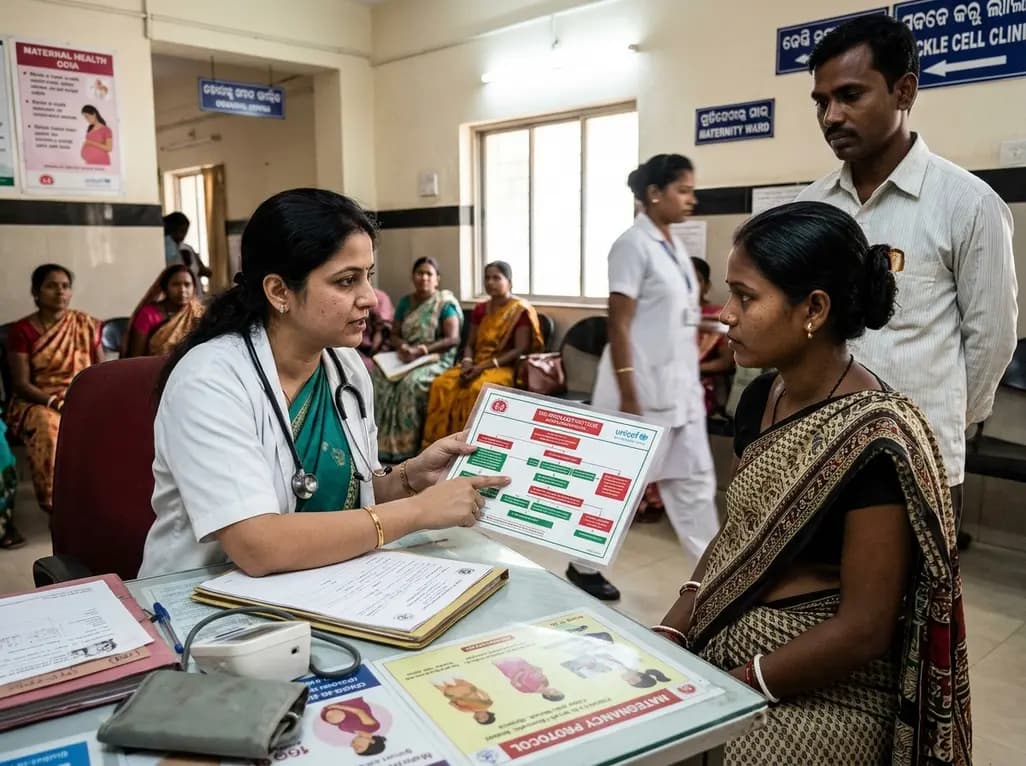
Odisha has established India's first state-level clinical protocol specifically tailored for pregnant women with sickle cell disease. Developed with NHM and UNICEF, the framework provides structured antenatal screening, crisis mitigation, standardized referral pathways, and specialized interdisciplinary care.
Today

India is advancing preventive healthcare by integrating genomics, artificial intelligence, and quantum technologies. With the SANGAM programme sequencing one million Indian genomes, clinicians can unlock personalized therapies, detect cardiometabolic risks early, and curb the burden of diabetes and heart disease.
Today

A randomized controlled trial demonstrates that an eight-week dual-task training intervention significantly improves static and dynamic postural control over standard balance exercises in individuals with chronic ankle instability, addressing critical neurocognitive deficits during athletic and daily activities.
Today

A retrospective cohort study of 7,716 ICU patients from the MIMIC-IV database demonstrates that Gradient Boosting Decision Trees significantly outperform traditional SOFA scores in predicting in-hospital mortality among patients with sepsis and diabetes, with SHAP analysis providing clinical interpretability.
Today
