.webp&w=384&q=75)

Loading, please wait...
Loading, please wait...

While the American Academy of Pediatrics (AAP) advocates for universal relational screening, many clinicians lack formal education in this domain. Consequently, the "Lens of Emotional Connection" module offers a solution. It provides a structured, asynchronous way to learn about the observable features of parent-child bonds. Moreover, this type of Early Relational Health Training effectively prepares practitioners for the nuances of modern pediatric visits.
Specifically, the Carolinas Collaborative conducted a mixed-methods evaluation involving 207 clinicians across eight sites. Because the module is only 45 minutes long, it fits easily into a physician's schedule. Consequently, clinicians reported high levels of satisfaction. In fact, 93% of participants agreed that the module is an excellent educational tool. Furthermore, the data shows significant improvements in clinical knowledge. For instance, the familiarity score regarding emotional connection increased from 54.2 to 73.9. This substantial growth indicates that even brief digital interventions can produce meaningful change. Therefore, pediatric practices should consider adopting such modules to meet the rising demand for relational care.
Additionally, focus groups revealed that doctors appreciate the video-based didactic content. These videos allow practitioners to practice rating emotional connections in real-world scenarios. Although the module is short, its impact on clinician confidence is notable. As a result, 82% of respondents would recommend this training to their colleagues. In conclusion, the Lens of Emotional Connection serves as a feasible and effective resource. By integrating this training, primary care sites can better support families. Overall, this approach aligns with global efforts to prevent toxic stress through early intervention.
The module focuses on emotional connection, which is an observable component of early relational health. It uses written and video didactics to teach practitioners how to assess parent-child interactions effectively.
Yes, research shows that self-paced modules are highly feasible. The 45-minute length is well-received by pediatricians and residents, leading to significant improvements in clinical familiarity and knowledge acquisition.
Disclaimer: This content is for informational and educational purposes only. It does not constitute professional medical advice, diagnosis, or treatment. Always seek the advice of your physician or other qualified health provider with any questions you may have regarding a medical condition. Refer to the latest local and national guidelines for clinical practice.
References
Erickson E et al. Implementation of Emotional Connection Training in Pediatric Primary Care: Mixed Methods Study. JMIR Med Educ. 2026 Jun 16. doi: 10.2196/81250. PMID: 42302308.
Garner AS et al. Preventing Childhood Toxic Stress: Partnering With Families and Communities to Promote Relational Health. Pediatrics. 2021 Aug;148(2):e2021052582. doi: 10.1542/peds.2021-052582. PMID: 34315802.

Read summarized clinical updates, watch expert medical content, and earn CME certifications right from your smartphone.
Open your smartphone camera to scan and install.





A mixed-methods study on the 'Lens of Emotional Connection' module shows that a 45-minute asynchronous training significantly improves pediatricians' ability to observe early relational health. Findings indicate high clinician satisfaction and improved knowledge, offering a scalable solution for primary care.
4 months ago
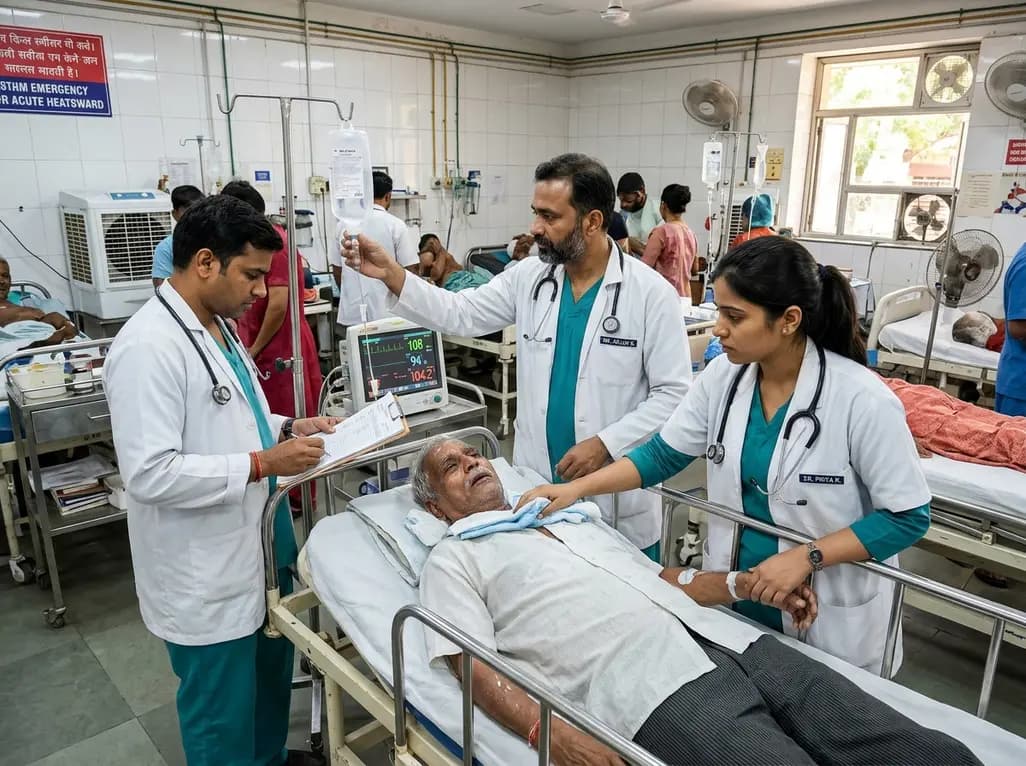
Recent epidemiological data reveals a dramatic surge in summer heat mortality driven by human-induced climate warming. This analysis explores the pathophysiological impacts on cardiac and renal systems, diagnostic dilemmas in death certification, and essential emergency cooling protocols for acute clinical care.
Today
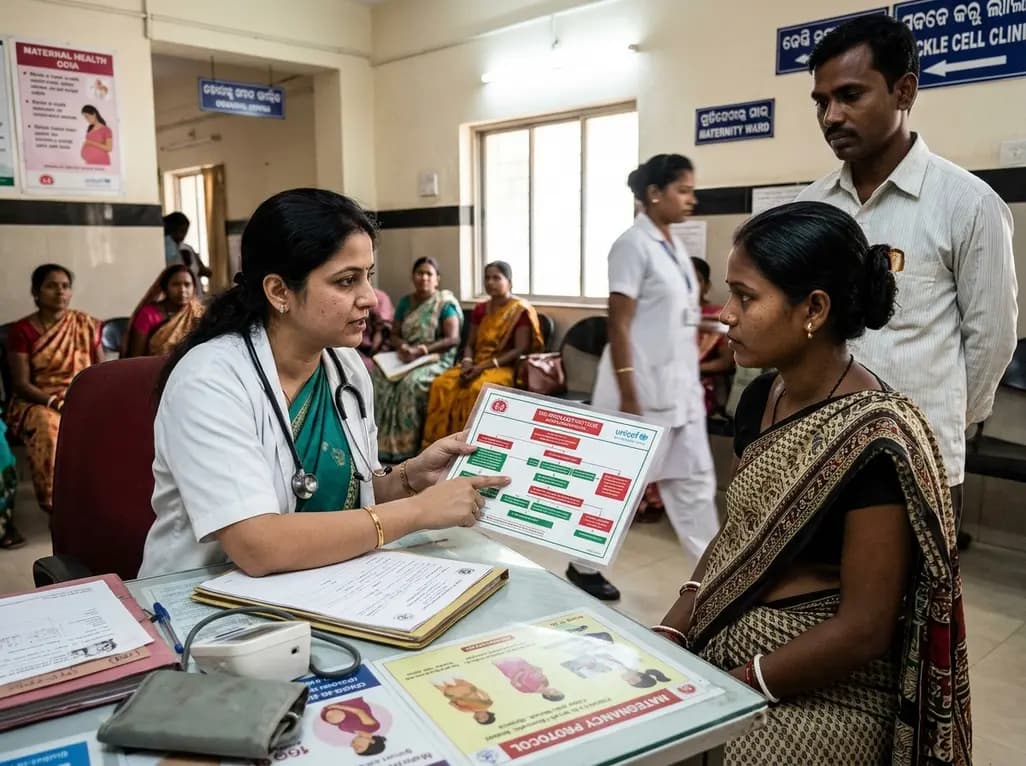
Odisha has established India's first state-level clinical protocol specifically tailored for pregnant women with sickle cell disease. Developed with NHM and UNICEF, the framework provides structured antenatal screening, crisis mitigation, standardized referral pathways, and specialized interdisciplinary care.
Today

India is advancing preventive healthcare by integrating genomics, artificial intelligence, and quantum technologies. With the SANGAM programme sequencing one million Indian genomes, clinicians can unlock personalized therapies, detect cardiometabolic risks early, and curb the burden of diabetes and heart disease.
Today

A randomized controlled trial demonstrates that an eight-week dual-task training intervention significantly improves static and dynamic postural control over standard balance exercises in individuals with chronic ankle instability, addressing critical neurocognitive deficits during athletic and daily activities.
Today

A retrospective cohort study of 7,716 ICU patients from the MIMIC-IV database demonstrates that Gradient Boosting Decision Trees significantly outperform traditional SOFA scores in predicting in-hospital mortality among patients with sepsis and diabetes, with SHAP analysis providing clinical interpretability.
Today
