

Loading, please wait...
Loading, please wait...

Acute ischemic stroke represents a critical emergency where systemic stability dictates neurological recovery. While immediate reperfusion restores blood flow, secondary post-stroke deterioration frequently complicates care. Clinicians recognize that early medical complications significantly influence patient survival and functional autonomy. Recent multi-decade registry data provide crucial insights into how evolving inpatient care models transform patient trajectories. Consequently, understanding these temporal patterns helps clinical teams refine bedside monitoring and optimize hospital protocols.
Over the past two decades, acute stroke management has undergone a remarkable transformation. A comprehensive analysis of over 181,000 acute ischemic stroke patients from the Austrian Stroke Unit Registry demonstrates a steady decline in systemic complications. Historically, acute neurological deficits rendered patients highly vulnerable to secondary physiological decompensation. However, modernized care pathways have decreased overall complication rates to approximately 9.0% across stroke unit admissions.
In addition, baseline disease characteristics have changed favorably over time. Clinicians now observe lower admission National Institutes of Health Stroke Scale scores compared to prior eras. Simultaneously, utilization rates for intravenous thrombolysis and mechanical thrombectomy have risen substantially. This widespread adoption of rapid endovascular and pharmacological reperfusion limits penumbral tissue loss and preserves motor independence. As a result, patients experience less severe paralysis, reduced bed confinement, and fewer debilitating hospital-acquired events.
Nevertheless, early medical complications still affect thousands of individuals each year. Although overall incidence rates have decreased significantly, the inherent danger of each complication has not diminished. Therefore, acute care teams must remain vigilant. Timely recognition and aggressive management continue to determine whether a patient achieves functional independence or suffers severe long-term disability.
Cardiovascular and pulmonary events represent the most lethal complications during acute stroke hospitalization. The Austrian registry identified decompensated heart failure as the single strongest predictor of three-month mortality, conferring an 85% increased risk of death. Concurrently, pulmonary embolism elevates mortality risk by 67%. Although these cardiopulmonary conditions occur in less than 2% of stroke admissions, their clinical impact remains exceptionally catastrophic.
This pronounced lethality stems largely from complex neuro-cardiac interactions. Acute cerebral ischemia triggers massive autonomic storming, sympathetic hyperactivity, and neurogenic myocardial injury. Consequently, preexisting subclinical cardiomyopathy quickly decompensates under acute neurological stress. In addition, acute cardiac dysfunction directly impairs systemic hemodynamics, exacerbating cerebral hypoperfusion in ischemic boundary zones.
Similarly, pulmonary embolism presents an acute mechanical obstruction to gas exchange and right ventricular output. Prolonged hemiparesis and immobility dramatically accelerate venous stasis, creating a dangerous milieu for deep vein thrombosis. Furthermore, when pulmonary emboli emerge, rapid hemodynamic collapse often ensues before therapeutic anticoagulation can take effect. Therefore, clinicians must prioritize early cardiovascular risk stratification, targeted telemetry, and aggressive venous thromboembolism prophylaxis to mitigate these life-threatening vascular events.
Infectious complications constitute the largest volume of early post-stroke adverse events. Specifically, pneumonia occurred in 4.2% of registry patients, while urinary tract infections occurred in 2.9%. While both infections heighten three-month mortality, pneumonia exerts a devastating impact on neurological recovery. In fact, patients developing stroke-associated pneumonia had a 64% reduced likelihood of achieving a favorable functional outcome, defined as a modified Rankin Scale score of 0 or 1.
Stroke-induced immunodepression syndrome plays a central pathophysiological role in these infectious events. Immediately following cerebral ischemia, the central nervous system downregulates systemic cellular immunity to limit local brain inflammation. However, this neuro-immune suppression paradoxically leaves the host vulnerable to secondary bacterial invasion. Dysphagia exacerbates this vulnerability by promoting silent aspiration of oropharyngeal pathogens directly into the tracheobronchial tree.
Moreover, post-stroke urinary tract infections commonly arise from invasive catheterization and neurogenic bladder dysfunction. Even though urinary tract infections appear clinically less lethal than aspiration pneumonia, they trigger sustained systemic inflammatory responses. These circulating cytokines breach the disrupted blood-brain barrier, accelerating secondary neuronal injury. Consequently, systematic prevention of hospital-acquired infections remains paramount for safeguarding functional independence.
The observed reduction in early complications strongly reflects advances in acute stroke infrastructure. Dedicated stroke units combine specialized nursing, continuous cardiorespiratory monitoring, and standardized medical pathways. By admitting acute stroke patients directly to these units, clinical teams identify clinical fluctuations before irreversible organ failure occurs.
Furthermore, the rapid expansion of endovascular thrombectomy and intravenous thrombolysis has revolutionized patient trajectories. Successful recanalization salvages ischemic brain tissue, preventing profound neurological deficits. Patients with preserved neurological function demonstrate lower rates of bulbar dysfunction, intact protective airway reflexes, and earlier physical mobility. Consequently, successful reperfusion directly prevents the downstream cascade of aspiration, hypostatic pneumonia, and thromboembolism.
In addition, institutional protocols within stroke units enforce strict glycemic control, normothermia maintenance, and regulated blood pressure targets. Preventing hyperthermia and severe hyperglycemia directly attenuates metabolic distress in salvageable brain regions. Therefore, stroke unit admission serves as an indispensable disease-modifying intervention. This specialized multidisciplinary environment optimizes both cerebral perfusion and systemic stability simultaneously.
To sustain improvements in stroke outcomes, clinical teams must deploy proactive, evidence-based preventive protocols. Foremost among these interventions is universal dysphagia screening before any oral intake. When nurses implement validated bedside swallow evaluations immediately upon admission, aspiration rates decrease dramatically. Patients failing the initial screen receive speech-language pathology assessment, altered food consistencies, or temporary enteral feeding.
Simultaneously, aggressive respiratory care and pulmonary hygiene protect immobilized individuals. Early upright positioning, chest physiotherapy, and regular oral hygiene with chlorhexidine significantly reduce oropharyngeal bacterial colonization. Furthermore, teams must minimize indwelling urinary catheter use. Clinicians should remove temporary catheters within 24 to 48 hours and utilize intermittent catheterization when urinary retention persists.
In parallel, pharmacological and mechanical thromboprophylaxis prevents venous thromboembolism. Intermittent pneumatic compression devices applied within 24 hours of admission markedly decrease deep vein thrombosis risk without increasing intracranial hemorrhage hazards. Moreover, early echocardiography and cardiac biomarker monitoring identify impending myocardial dysfunction. By instituting these preventive measures consistently, multidisciplinary teams build a robust defensive perimeter against preventable secondary injury.
The Austrian registry findings underscore a profound clinical reality: while modern stroke systems have successfully lowered complication rates, individual complication severity remains unchanged. When decompensated heart failure, sepsis, or pneumonia develop, the associated relative risk of death remains as elevated today as it was nearly two decades ago. This biological consistency proves that clinical vigilance cannot waver despite technological advances.
Consequently, stroke networks must integrate medical complication monitoring into their national quality indicators. Clinicians must not view stroke management solely as a vascular recanalization procedure. Instead, acute stroke care demands comprehensive internal medicine stewardship. Early systemic monitoring must parallel hyperacute neurointerventional workflows.
Ultimately, preventing secondary medical complications offers an accessible and cost-effective mechanism to enhance stroke survival globally. Hospital systems worldwide can achieve major reductions in disability by establishing standardized stroke units and enforcing fundamental preventive bundles. Maintaining this holistic clinical focus ensures that successful reperfusion translates into genuine long-term patient autonomy.
The most common complications include aspiration pneumonia, urinary tract infections, cardiac arrhythmias, and decompensated heart failure. According to extensive registry data, pneumonia affects over four percent of patients, whereas urinary tract infections develop in nearly three percent. These conditions arise rapidly from post-stroke immunodepression, dysphagia, immobilization, and underlying cardiovascular fragility.
Cardiopulmonary events like decompensated heart failure and pulmonary embolism drastically reduce systemic perfusion and oxygen delivery to vulnerable penumbral brain tissue. In addition, neurogenic autonomic dysfunction destabilizes myocardial mechanics and hemodynamics. Consequently, these severe cardiopulmonary disturbances double the risk of ninety-day mortality and substantially impede post-stroke neurorehabilitation.
Dedicated stroke units deliver continuous physiological monitoring, standardized dysphagia screening before oral intake, early mobilization, and structured catheter care protocols. Consequently, multidisciplinary teams detect systemic deterioration promptly. By preventing aspiration, infection, and venous stasis during the critical first seventy-two hours, specialized stroke units significantly reduce post-stroke complication rates and long-term functional dependency.
Disclaimer: This content is for informational and educational purposes only. It does not constitute medical advice and should not replace professional judgment or direct physician consultation. Readers should note that medical knowledge continuously changes, and older posts may contain outdated information. Refer to the latest local and national guidelines for clinical practice.
References

Read summarized clinical updates, watch expert medical content, and earn CME certifications right from your smartphone.
Open your smartphone camera to scan and install.





Registry data on 181,704 acute ischemic stroke patients shows that early medical complications declined over two decades, yet conditions like heart failure and pneumonia still dramatically increase mortality and poor functional recovery.
Today

The 2025 Australian meningococcal surveillance report shows a 13% decline in invasive meningococcal disease notifications to 118 cases. Genogroup B accounted for 82.2% of typed infections, predominantly impacting infants and young adults, highlighting critical vaccination and rapid diagnostic imperatives.
Today
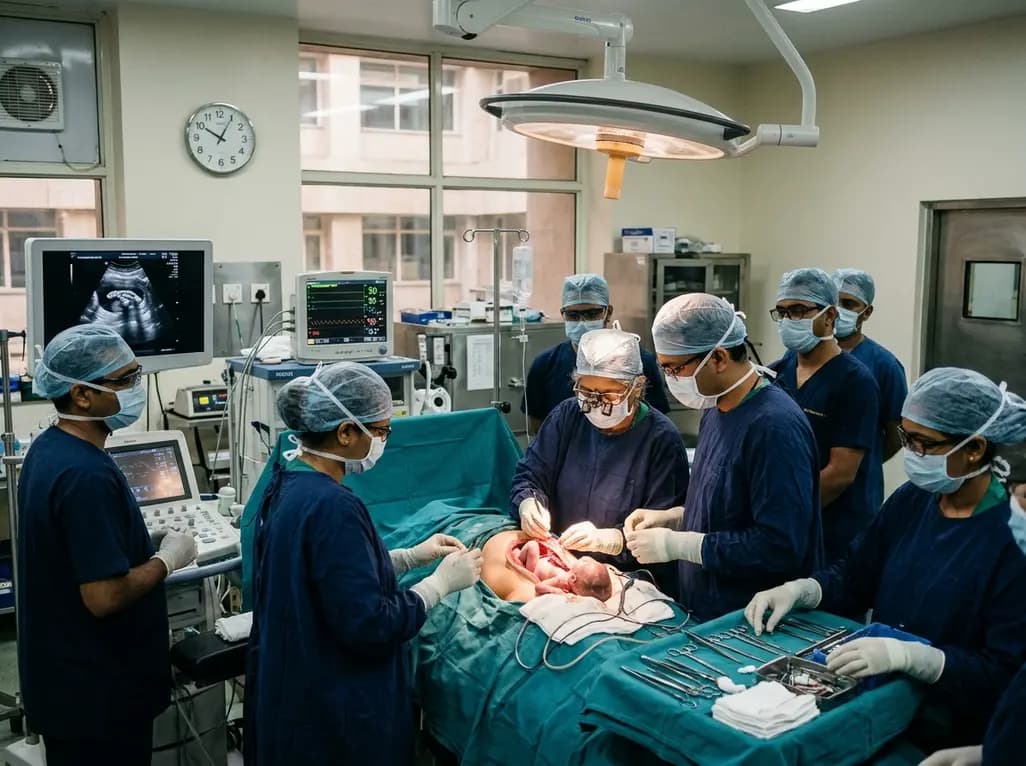
Doctors at AIIMS New Delhi have achieved a historic milestone by performing India's first open prenatal myelomeningocele repair on a 25-week unborn fetus. This landmark multidisciplinary procedure provides vital neuroprotective benefits, lowers hydrocephalus risks, and transforms maternal-fetal medicine nationwide.
Today
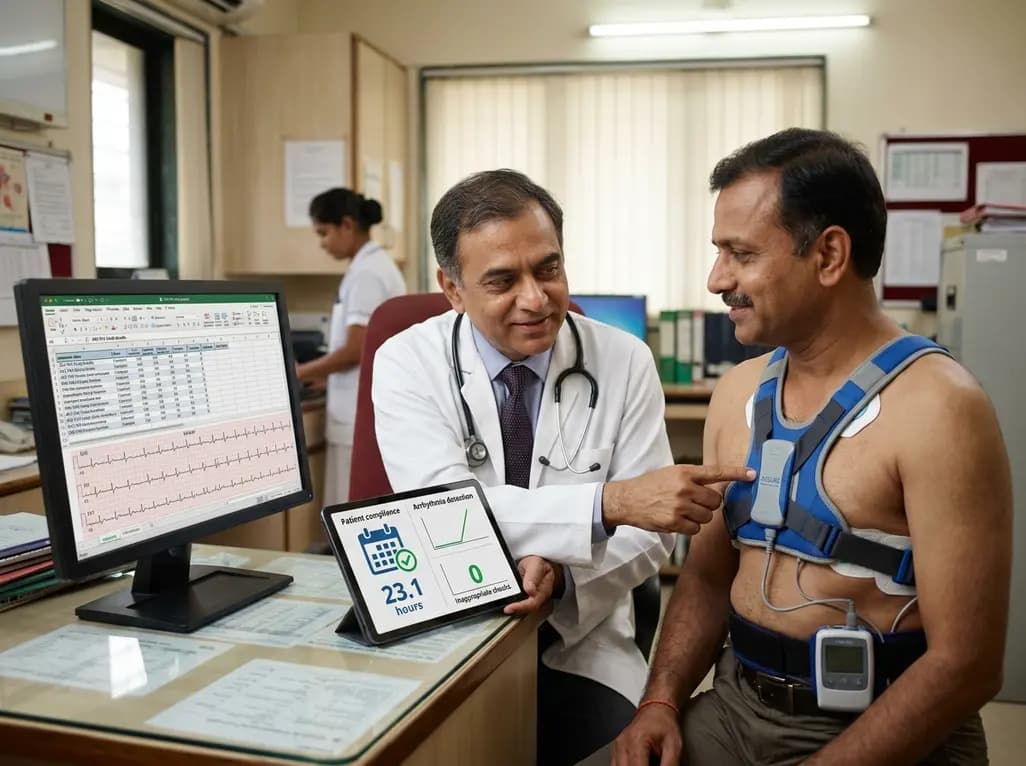
The ACE-PAS registry evaluated 21,612 patients fitted with the ASSURE wearable cardioverter defibrillator. The study demonstrated a 100% ventricular arrhythmia conversion rate, an inappropriate shock incidence of 0.0065 per patient-month, and high daily compliance of 23.1 hours, confirming real-world safety.
Today

A clinical overview of resveratrol supplementation in mitigating exercise-induced muscle damage. This narrative review explores physiological mechanisms, reductions in soreness markers like creatine kinase, dosage strategies, and bioavailability enhancements for sports medicine and nutrition practitioners.
Today

Childhood insulinoma is a rare cause of recurrent hyperinsulinemic hypoglycemia that often eludes early diagnosis. Advanced GLP-1 receptor-targeted PET/CT imaging using 68Ga-exendin-4 complements anatomic MRI to localize occult pancreatic lesions, facilitating focused, curative surgical enucleation.
Today
