

Loading, please wait...
Loading, please wait...
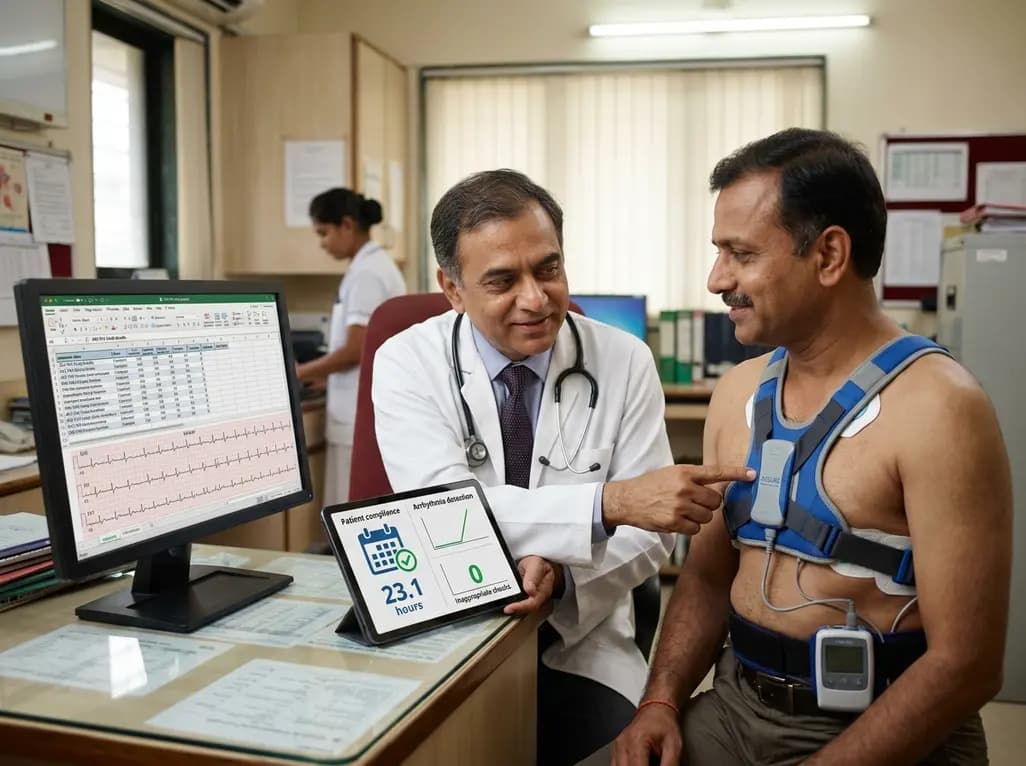
Sudden cardiac death remains one of the most pressing clinical challenges in contemporary cardiology. For individuals recovering from acute myocardial infarction or newly diagnosed heart failure, a wearable cardioverter defibrillator provides noninvasive protection against fatal ventricular tachyarrhythmias. However, the real-world success of this technology depends heavily on consistent daily wear and low rates of erroneous shocks. Recently, the landmark ACE-PAS registry reported primary outcomes that shed vital light on contemporary device performance.
Temporary vulnerability to sudden cardiac death peaks during the early months following acute myocardial infarction, revascularization, or new heart failure onset. During this fragile phase, guideline-directed medical therapy often promotes reverse ventricular remodeling and restores left ventricular ejection fraction. Consequently, clinicians routinely withhold permanent implantable cardioverter-defibrillators to evaluate true myocardial recovery over a designated waiting period. Nevertheless, life-threatening ventricular arrhythmias can strike abruptly before left ventricular function improves. A wearable cardioverter defibrillator bridges this critical diagnostic and therapeutic window by providing continuous external monitoring and rapid defibrillation. Historically, earlier device systems encountered clinical skepticism because heavy components, cutaneous discomfort, and frequent nuisance alarms undermined user compliance. When patients remove their device due to alarm fatigue or poor ergonomics, protection ceases entirely. Therefore, biomedical engineers developed the modern ASSURE system to overcome these physical and algorithmic hurdles. The device features an ergonomic design, gender-tailored garment sizing, and advanced signal filters that effectively minimize false detections. As a result, cardiologists now possess a modern platform designed specifically to maintain high adherence while ensuring life-saving therapy.
The ASSURE Clinical Evaluation Post-Approval Study represents the largest prospective registry evaluating wearable defibrillator performance in routine clinical practice. Investigators tracked 21,612 patients across diverse medical centers throughout the United States. In addition, the cohort had a mean age of 64.0 years. Notably, 33.9% of participants were women, reflecting unprecedented female enrollment in wearable device trials. Clinicians prescribed the system across several distinct diagnostic indications. Specifically, cardiomyopathy constituted the primary indication in 63.8% of patients, followed by acute myocardial infarction in 19.3%. Furthermore, 11.9% of participants required protection for sustained ventricular tachycardia or ventricular fibrillation, while 5.0% enrolled after device explantation. Most importantly, the registry documented outstanding daily adherence among users. Patients recorded a median daily wear time of 23.1 hours over a median duration of 54 days. This remarkable compliance confirms that modern garment ergonomics overcome historical adherence challenges. Consequently, high daily use ensured that patients maintained nearly continuous protection throughout their highest-risk vulnerability period.
The primary effectiveness endpoint evaluated overall shock conversion success for rapid ventricular tachycardia or ventricular fibrillation against a stringent prespecified performance goal of 89%. Throughout the registry observation period, 261 patients experienced 303 discrete life-threatening arrhythmic shock events. Remarkably, the ASSURE system successfully terminated every single event, establishing a perfect 100% overall shock conversion rate. Moreover, first-shock conversion success reached an impressive 97.0%, demonstrating prompt and dependable arrhythmia termination without requiring recurrent energy deliveries. The cumulative 90-day Kaplan-Meier estimated risk of ventricular arrhythmias stood at 3.4% across the entire population. However, this risk varied significantly depending on the underlying clinical indication. Patients with prior sustained ventricular tachyarrhythmias faced the highest cumulative recurrence rates, whereas newly diagnosed ischemic and non-ischemic cardiomyopathy cohorts demonstrated intermediate risk profiles. These contemporary findings underscore that malignant ventricular arrhythmias occur frequently during the early months of outpatient medical titration. Because the device responded autonomously and decisively in every emergency, the system prevented sudden arrhythmic collapse. Thus, the registry confirms that contemporary wearable defibrillation technology delivers unparalleled real-world efficacy in diverse outpatient settings.
Safety remains an equally paramount consideration when deploying automated defibrillation technology in ambulatory patients. Inappropriate shocks inflict profound psychological trauma, diminish quality of life, and cause unintended myocardial injury. Therefore, the ACE-PAS trial established a strict primary safety benchmark, mandating an inappropriate shock rate of 0.0075 or fewer shocks per patient-month. The study easily achieved this endpoint, recording an incidence of only 0.0065 inappropriate shocks per patient-month. Additionally, the analysis revealed that 94% of enrolled patients experienced zero false-positive shock alarms during their entire course of therapy. Only 6.0% of participants recorded false-positive alarms, indicating that modern noise-filtering algorithms successfully distinguish physiologic cardiac rhythms from skeletal muscle artifact and electrical interference. In earlier device generations, frequent motion artifacts often triggered distressing warning tones that compelled patients to discontinue therapy prematurely. By contrast, the improved dual-channel sensing architecture and baseline stability of the ASSURE garment greatly suppress false alarms. As a result, patients enjoy reliable protection without experiencing disruptive alarm fatigue. Consequently, this favorable safety profile bolsters patient confidence and directly supports long-term adherence during outpatient cardiac recovery.
The real-world evidence from ACE-PAS provides actionable guidance for cardiologists, electrophysiologists, and internal medicine physicians managing vulnerable cardiac patients. First, the data validate wearable defibrillation as an indispensable bridge therapy during the mandatory waiting period before permanent ICD implantation. Current international guidelines recommend a 40-day waiting period after acute myocardial infarction and a 90-day period following newly diagnosed heart failure before deciding on permanent device implantation. During this optimization interval, clinicians actively titrate guideline-directed medical therapies to promote cardiac functional recovery. However, the ACE-PAS findings demonstrate that a 3.4% arrhythmia risk persists precisely during these initial 90 days. Furthermore, the high median wear time of 23.1 hours per day illustrates that comfortable, patient-centric design directly translates into improved clinical compliance. In addition, the successful enrollment of women demonstrates that anatomy-specific garments remove barriers to equitable cardiac care. Ultimately, integrating modern wearable defibrillators into outpatient pathways safeguards vulnerable individuals against catastrophic arrhythmic death without exposing them to unnecessary shocks or premature invasive surgical procedures.
Clinicians prescribe a wearable cardioverter defibrillator for adult patients facing elevated risk of sudden cardiac death who cannot receive an immediate implantable defibrillator. Common indications include newly diagnosed heart failure with reduced ejection fraction, recent acute myocardial infarction awaiting revascularization recovery, and temporary explantation of an infected permanent device. The wearable system safeguards patients during guideline-directed medical therapy titration, providing essential protection until cardiac function recovers or permanent implantation occurs.
The ASSURE system improves patient adherence through ergonomic, lightweight garments and tailored designs for both male and female anatomies. In addition, advanced sensing algorithms minimize false alarms and motion artifacts, which previously caused severe alarm fatigue and device discontinuation. By reducing unnecessary alerts to only 6% of patients and offering comfortable wear, the system achieved a median daily use of 23.1 hours, ensuring reliable, continuous protection during high-risk recovery periods.
The ACE-PAS registry demonstrated outstanding clinical outcomes in 21,612 real-world patients. The primary effectiveness endpoint achieved a 100% overall shock conversion rate across 303 ventricular tachycardia or fibrillation events, with a 97.0% first-shock success rate. Simultaneously, the primary safety endpoint recorded an inappropriate shock rate of only 0.0065 per patient-month. These compelling findings confirmed that the device met all safety and efficacy performance goals in routine clinical practice.
Disclaimer: This content is for informational and educational purposes only and does not constitute professional medical advice, diagnosis, or clinical treatment recommendations. Healthcare providers must exercise independent clinical judgment. Refer to the latest local and national guidelines for clinical practice.
References

Read summarized clinical updates, watch expert medical content, and earn CME certifications right from your smartphone.
Open your smartphone camera to scan and install.





The ACE-PAS registry evaluated 21,612 patients fitted with the ASSURE wearable cardioverter defibrillator. The study demonstrated a 100% ventricular arrhythmia conversion rate, an inappropriate shock incidence of 0.0065 per patient-month, and high daily compliance of 23.1 hours, confirming real-world safety.
Today

The 2025 Australian meningococcal surveillance report shows a 13% decline in invasive meningococcal disease notifications to 118 cases. Genogroup B accounted for 82.2% of typed infections, predominantly impacting infants and young adults, highlighting critical vaccination and rapid diagnostic imperatives.
Today

Doctors at AIIMS New Delhi have achieved a historic milestone by performing India's first open prenatal myelomeningocele repair on a 25-week unborn fetus. This landmark multidisciplinary procedure provides vital neuroprotective benefits, lowers hydrocephalus risks, and transforms maternal-fetal medicine nationwide.
Today

A clinical overview of resveratrol supplementation in mitigating exercise-induced muscle damage. This narrative review explores physiological mechanisms, reductions in soreness markers like creatine kinase, dosage strategies, and bioavailability enhancements for sports medicine and nutrition practitioners.
Today
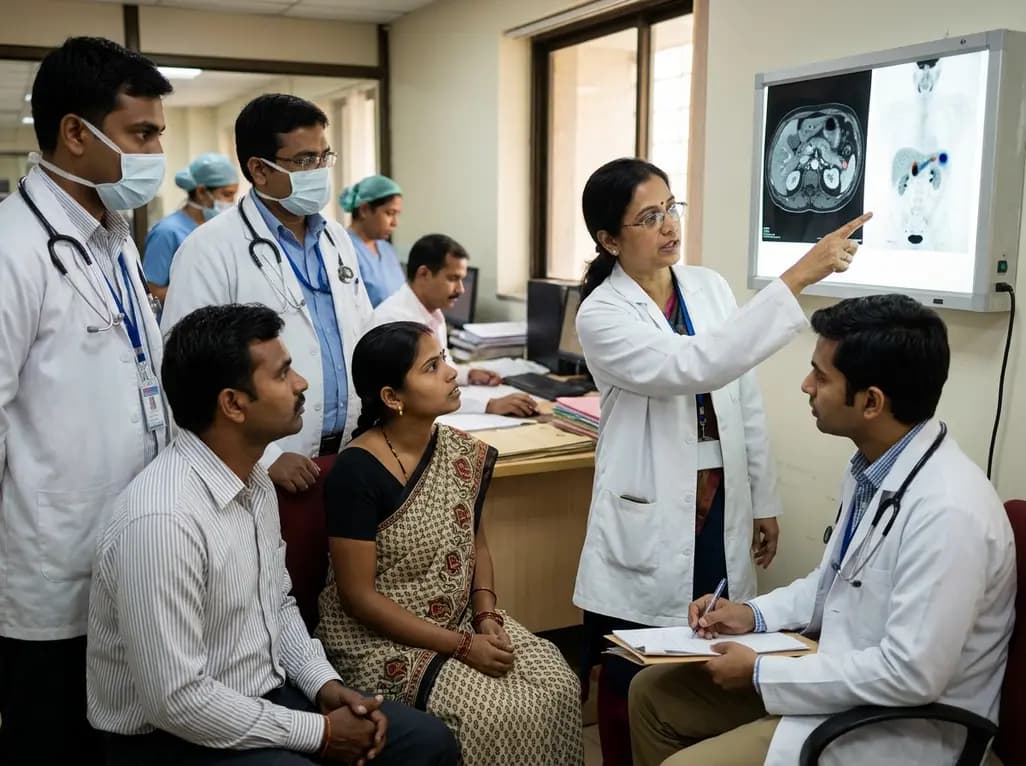
Childhood insulinoma is a rare cause of recurrent hyperinsulinemic hypoglycemia that often eludes early diagnosis. Advanced GLP-1 receptor-targeted PET/CT imaging using 68Ga-exendin-4 complements anatomic MRI to localize occult pancreatic lesions, facilitating focused, curative surgical enucleation.
Today
