

Loading, please wait...
Loading, please wait...

Chromosomal microdeletions and microduplications represent critical genomic alterations that shape childhood brain development. Historically, geneticists associated neurodevelopmental copy number variants primarily with severe intellectual disability, profound autism spectrum disorder, or dysmorphic syndromes. Consequently, clinicians usually ordered chromosomal microarray analysis only after identifying obvious syndromic features or severe cognitive impairment. However, emerging population-based evidence indicates that these genomic structural changes possess a far broader phenotypic spectrum than previously appreciated. Many children harboring these variants do not display classical physical anomalies during early infancy. Instead, they present with subtle developmental deviations that general practitioners, pediatricians, and allied health professionals frequently encounter. Recognizing these subtle signs earlier allows clinicians to provide targeted surveillance, anticipate educational hurdles, and counsel families effectively. Furthermore, modern genomic diagnostics have become increasingly accessible across global medical centers, including tertiary facilities in India. Therefore, identifying early markers of subclinical genomic variations can transform conventional pediatric developmental screening protocols.
Most historic studies examining pathogenic genomic variants suffered from significant ascertainment bias. They recruited participants predominantly from tertiary genetics centers, specialized psychiatric clinics, or pediatric neurology units. To overcome this critical limitation, researchers evaluated two massive United Kingdom population birth cohorts: the Avon Longitudinal Study of Parents and Children and the Millennium Cohort Study. By analyzing unselected community cohorts, the investigators assessed the true developmental footprint of known structural genomic variants across thousands of children. Specifically, the researchers compared 144 variant carriers against 6,217 controls in the Avon cohort, replicating key outcomes across 151 carriers and 6,559 controls in the Millennium cohort. Notably, this rigorous epidemiological design captured the complete developmental spectrum, from mild functional limitations to classic diagnostic categories. Furthermore, the findings confirmed that genomic variations frequently operate without catastrophic neurodevelopmental syndromes. Consequently, these population-level insights offer clinicians an unbiased perspective on how subtle genomic variants manifest across real-world community demographics.
Early childhood milestones offer critical windows into underlying neural circuit maturation. In this longitudinal investigation, carrier children demonstrated measurable deficits long before receiving formal psychiatric or educational evaluations. Specifically, carriers of structural genomic variants exhibited significant delays in reaching both fine motor and gross motor milestones during preschool years. Parents and preschool evaluators consistently reported difficulties with bilateral coordination, balance, and fine manual dexterity. In addition, expressive language and receptive speech delays emerged as prominent early markers among affected toddlers. Speech difficulties frequently evolved into persistent phonological challenges and reading difficulties during early school years. Consequently, children often encountered significant peer communication friction during primary school socialization. Moreover, these functional delays occurred independently of severe cognitive impairment. Therefore, recognizing persistent motor and speech delays as potential manifestations of underlying genomic variants can streamline early diagnostic evaluations.
The developmental consequences of these structural variants begin well before preschool milestone evaluations. Indeed, the cohort data revealed a significantly higher incidence of perinatal complications among variant carriers. Specifically, infants carrying pathogenic variants experienced elevated rates of preterm delivery and low birth weight compared to control peers. Neonatologists frequently manage these perinatal vulnerabilities without realizing that an underlying genomic alteration may be driving early biological fragility. Furthermore, as these infants mature into school-age children, their developmental difficulties accumulate into distinct educational hurdles. The study identified marked elevations in special educational needs and disabilities among carriers across both cohorts. In addition, affected students experienced heightened vulnerability to attention-deficit/hyperactivity disorder and social communication deficits. Teachers regularly noted significant peer interaction problems and task persistence challenges in classroom settings. Therefore, school failure and behavioral concerns often represent the compounding effect of unaddressed early sensorimotor delays.
Currently, genetic investigations remain heavily concentrated within clinical genetics, pediatric neurology, and tertiary child psychiatry practices. However, children with subtle genomic variants rarely visit medical geneticists during their earliest symptomatic windows. Instead, concerned parents primarily consult primary care physicians, general pediatricians, and allied rehabilitation therapists for initial advice. Specifically, speech-language therapists and pediatric occupational therapists often manage these children for years without initiating genetic discussions. Consequently, valuable opportunities for anticipatory medical screening, neurodevelopmental surveillance, and familial recurrence counseling are lost. To resolve this diagnostic bottleneck, medical educators must expand genetics curricula beyond specialist medical training. Cross-disciplinary continuing medical education programs should actively train community clinicians and allied therapists to recognize red flag developmental patterns. Furthermore, professional societies must develop clear referral algorithms that connect rehabilitation centers with diagnostic genetics services. Thus, multidisciplinary collaboration ensures comprehensive genomic evaluation for every at-risk child.
Translating these genomic findings into Indian clinical practice holds tremendous potential for improving pediatric outcomes. In India, pediatric developmental delays often face diagnostic delays due to variable access to advanced molecular testing. Additionally, many families consult developmental pediatricians only after academic failure occurs in primary school. Therefore, adopting a high index of clinical suspicion for structural genomic variants can revolutionize early intervention paradigms. When Indian clinicians evaluate infants with unexplained low birth weight, hypotonia, or subtle motor clumsiness, they should integrate genetic screening into differential considerations. Chromosomal microarray analysis has become widely available across Indian diagnostic laboratories at increasingly affordable price points. Moreover, establishing a definitive genetic diagnosis relieves parental guilt, provides clear prognostic guidance, and prevents unnecessary, unfocused medical evaluations. In addition, early identification allows therapists to implement individualized neurodevelopmental stimulation therapies during peak neuroplasticity periods. Consequently, Indian healthcare providers must champion timely genetic testing to optimize lifelong cognitive, behavioral, and academic potential.
Carriers of neurodevelopmental copy number variants frequently manifest early fine and gross motor delays, poor physical coordination, and expressive language difficulties during preschool years. In addition, affected children often demonstrate subtle social interaction struggles and sensory processing differences before receiving formal diagnoses of autism or attention deficit disorders.
Pediatricians should consider chromosomal microarray testing when a child exhibits unexplained global developmental delays, co-occurring motor and language deficits, or recurrent learning difficulties. Furthermore, testing is warranted when preschool developmental delays accompany perinatal complications like prematurity or low birth weight, even in the absence of dysmorphic facial features.
Allied rehabilitation specialists, including speech and occupational therapists, frequently evaluate children before medical specialists detect neurodevelopmental disorders. Therefore, training these professionals to recognize subtle genomic indicators ensures faster referral to pediatric geneticists, enabling timely multidisciplinary interventions and accurate family recurrence counseling before secondary academic difficulties emerge.
Disclaimer: This content is for informational and educational purposes only and should not be considered medical advice. Always consult a qualified healthcare professional regarding any medical condition or treatment. Refer to the latest local and national guidelines for clinical practice.
References

Read summarized clinical updates, watch expert medical content, and earn CME certifications right from your smartphone.
Open your smartphone camera to scan and install.





A population-based study reveals that neurodevelopmental copy number variants manifest early with motor delays, speech difficulties, and perinatal complications. Clinicians, allied therapists, and pediatricians must recognize these subtle red flags to enable timely genetic testing and early multidisciplinary care.
Today

Review how tailored exercise programs benefit frail older patients with heart failure. Explore pathophysiological mechanisms, individualized training prescriptions, and strategies to overcome adherence barriers in clinical practice.
Today
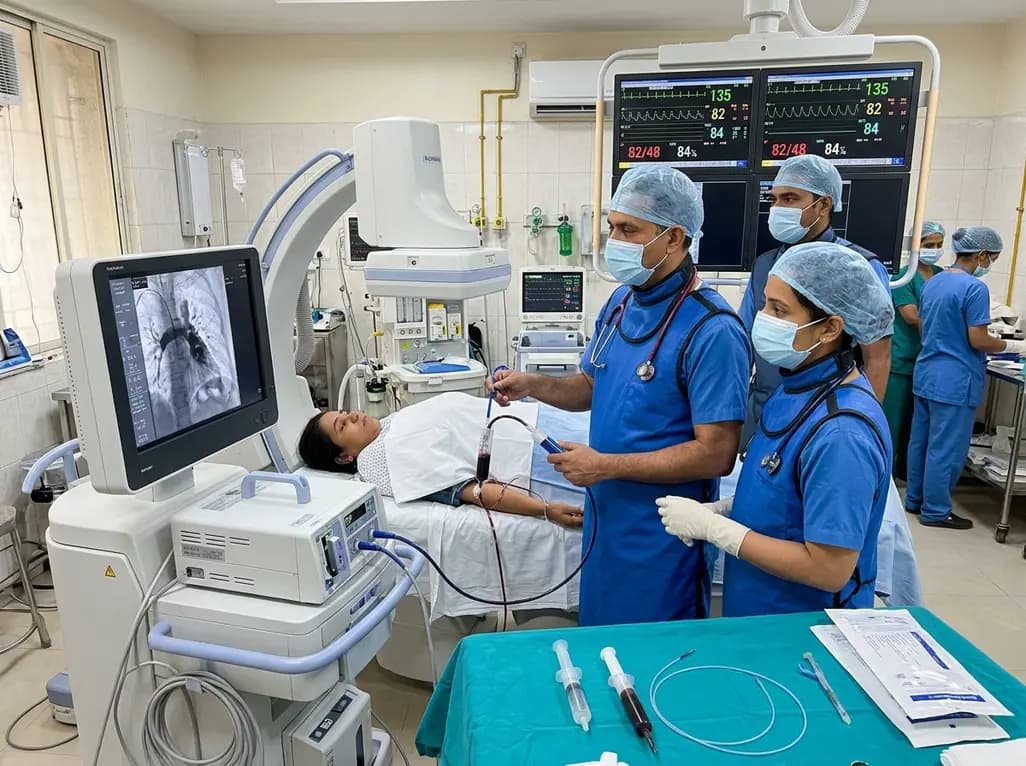
In high-risk pulmonary embolism complicated by severe anemia and active uterine bleeding, systemic thrombolysis is contraindicated. Large-bore aspiration thrombectomy provides rapid hemodynamic rescue without fibrinolysis, supported by inferior vena cava filter placement and multidisciplinary critical care.
Today

A cross-sectional study in Zanzibar reveals that 46.5% of adults with type 2 diabetes experience multidomain autonomic dysfunction on the COMPASS-31 tool, primarily orthostatic intolerance, while 45.9% exhibit cardiovascular autonomic neuropathy, highlighting the urgent need for structured clinical screening.
Today

This comparative study evaluates posterior labral tears with and without glenohumeral instability, highlighting distinct demographic patterns, MRI underestimation in stable shoulders, and successful arthroscopic repair outcomes.
Today
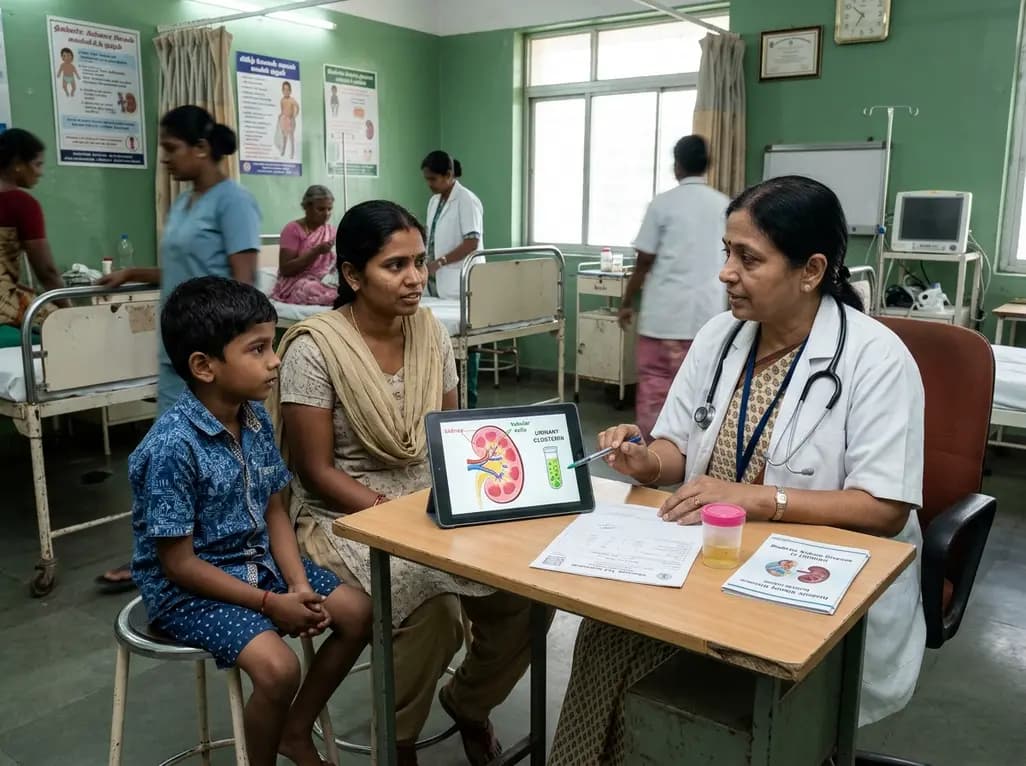
A recent case-control study reveals that urinary clusterin provides superior diagnostic performance for early diabetic kidney disease detection in pediatric type 1 diabetes mellitus, identifying tubular damage before conventional microalbuminuria occurs.
Today
