.webp&w=384&q=75)

Loading, please wait...
Loading, please wait...
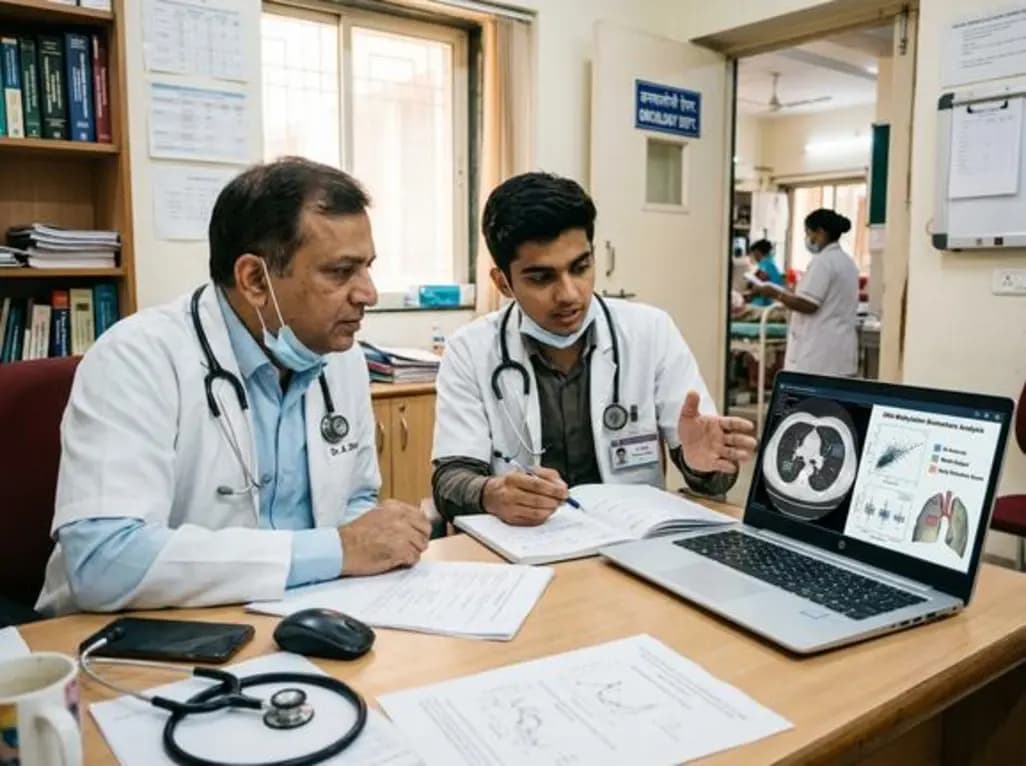
Early and accurate lung cancer detection remains a critical challenge in clinical oncology. Specifically, traditional imaging techniques often miss malignant nodules at their earliest stages. Therefore, a 17-year-old student from Hyderabad, Ansh Kumar, developed an innovative AI-driven diagnostic model. This machine learning system integrates crucial DNA methylation biomarkers to revolutionize how clinicians identify malignancies. Consequently, this breakthrough could pave the way for highly accurate and non-invasive screening methods.
Indeed, the newly designed AI system analyzes epigenetic alterations that occur long before anatomical changes become visible on scans. By targeting multiple biomarkers simultaneously, the model improves risk prediction and diagnostic specificity. In particular, it evaluates DNA methylation profiles across five major clinical markers, including EGFR, PD-L1, SHOX2, RASSF1A, and PTGER4. The researcher analyzed over 7,000 patient samples during development to ensure robust outcomes. Furthermore, this study was completed alongside researchers from the Indian Council of Medical Research and the YRI Fellowship.
Currently, existing screening protocols rely heavily on CT scans or invasive tissue biopsies. However, these conventional modalities can cause patient discomfort or yield false-positive results. The new AI model overcomes these limitations by utilizing non-invasive liquid biopsy samples. For instance, the system is designed to screen patients using blood plasma, sputum, or bronchoalveolar lavage samples. Ultimately, screening with these biofluids allows clinicians to initiate early therapies, which significantly improves patient survival.
Although the initial results are promising, experts emphasize that several milestones remain before clinical adoption. Specifically, the system requires extensive validation across diverse patient populations to demonstrate reproducibility. In addition, healthcare facilities must establish standardized DNA extraction protocols and robust bioinformatics infrastructure. According to clinical mentors, the next phase will involve multi-centre trials and prospective clinical testing. Consequently, these steps are vital to securing regulatory approvals and integrating AI tools into routine hospital workflows.
Q1: What biomarkers are analyzed by this AI-driven model?
Indeed, the model simultaneously evaluates five key clinical biomarkers: EGFR, PD-L1, SHOX2, RASSF1A, and PTGER4, to improve overall sensitivity and specificity.
Q2: How does the AI system improve upon traditional diagnostic methods?
Currently, traditional methods like CT scans and biopsies might miss very early-stage tumors. However, this AI system identifies subtle epigenetic patterns before visible physical tumors form, enabling non-invasive liquid biopsy screening.
Q3: What are the necessary steps before this model is used in hospitals?
Before routine clinical adoption, the model must undergo large-scale multi-centre trials, population-specific validation, and obtain formal regulatory clearances.
Disclaimer: This content is for informational and educational purposes only. It does not constitute medical advice or replace professional judgment. Refer to the latest local and national guidelines for clinical practice.
References

Read summarized clinical updates, watch expert medical content, and earn CME certifications right from your smartphone.
Open your smartphone camera to scan and install.





An Indian high school student has designed an innovative AI-assisted diagnostic model that leverages DNA methylation biomarkers to enhance early-stage lung cancer screening. Developed alongside ICMR and YRI Fellowship researchers, the model analyzes over 7,000 samples to enable non-invasive liquid biopsy options.
4 months ago
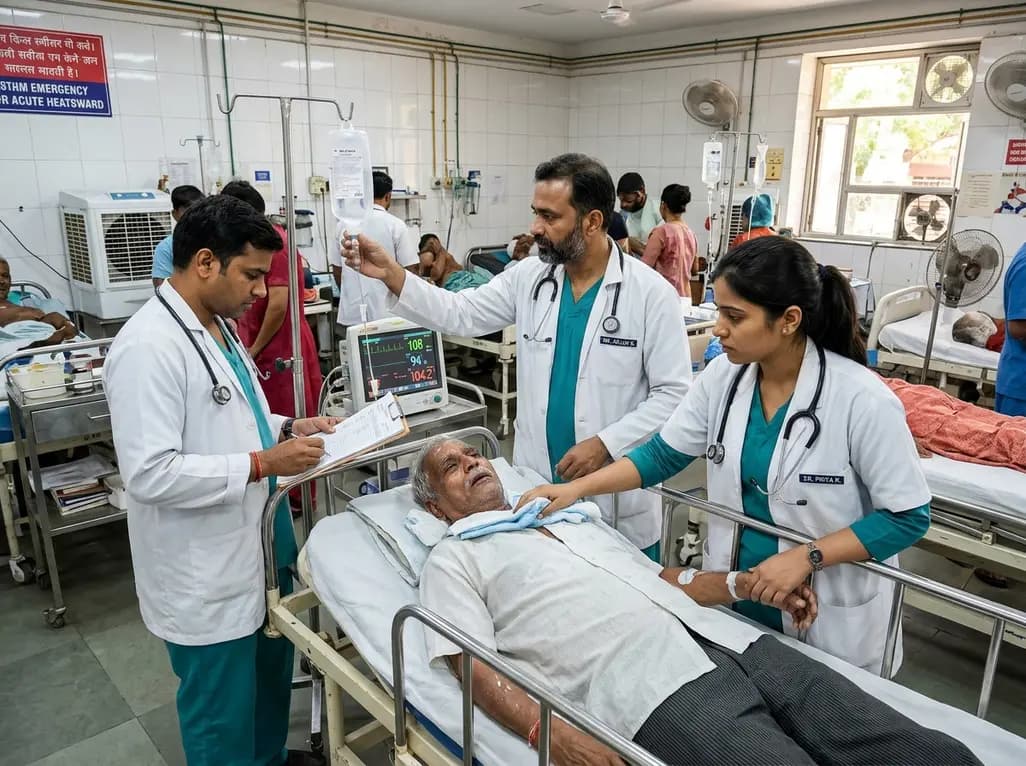
Recent epidemiological data reveals a dramatic surge in summer heat mortality driven by human-induced climate warming. This analysis explores the pathophysiological impacts on cardiac and renal systems, diagnostic dilemmas in death certification, and essential emergency cooling protocols for acute clinical care.
Today

Odisha has established India's first state-level clinical protocol specifically tailored for pregnant women with sickle cell disease. Developed with NHM and UNICEF, the framework provides structured antenatal screening, crisis mitigation, standardized referral pathways, and specialized interdisciplinary care.
Today

India is advancing preventive healthcare by integrating genomics, artificial intelligence, and quantum technologies. With the SANGAM programme sequencing one million Indian genomes, clinicians can unlock personalized therapies, detect cardiometabolic risks early, and curb the burden of diabetes and heart disease.
Today
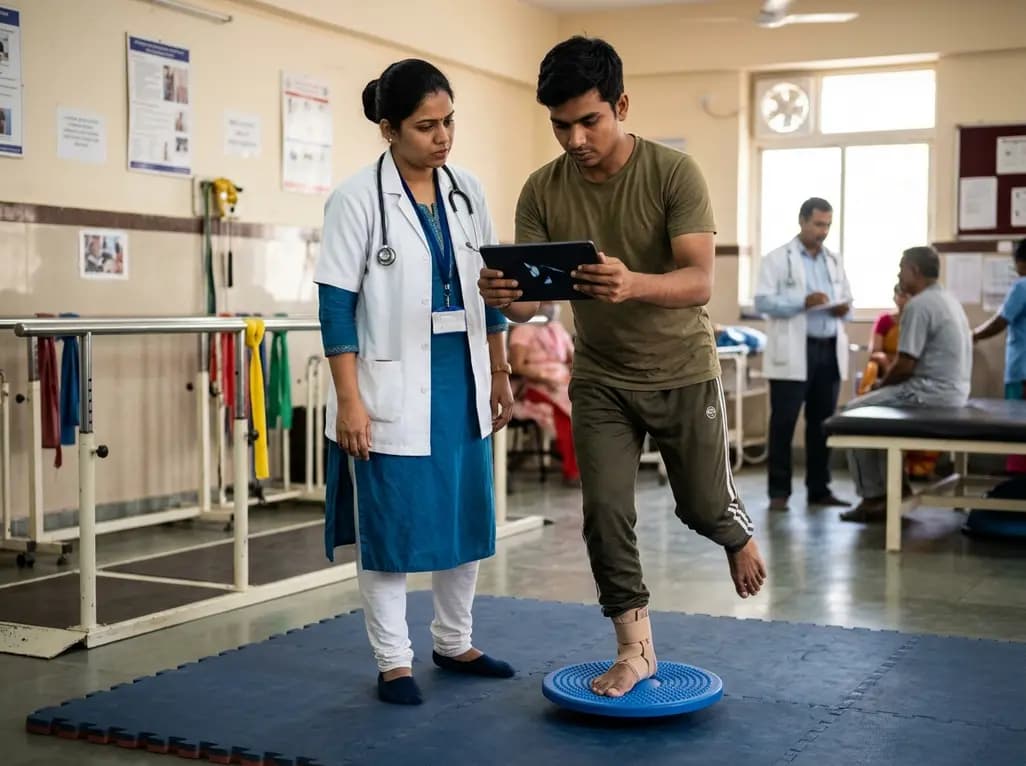
A randomized controlled trial demonstrates that an eight-week dual-task training intervention significantly improves static and dynamic postural control over standard balance exercises in individuals with chronic ankle instability, addressing critical neurocognitive deficits during athletic and daily activities.
Today

A retrospective cohort study of 7,716 ICU patients from the MIMIC-IV database demonstrates that Gradient Boosting Decision Trees significantly outperform traditional SOFA scores in predicting in-hospital mortality among patients with sepsis and diabetes, with SHAP analysis providing clinical interpretability.
Today
