.webp&w=384&q=75)

Loading, please wait...
Loading, please wait...
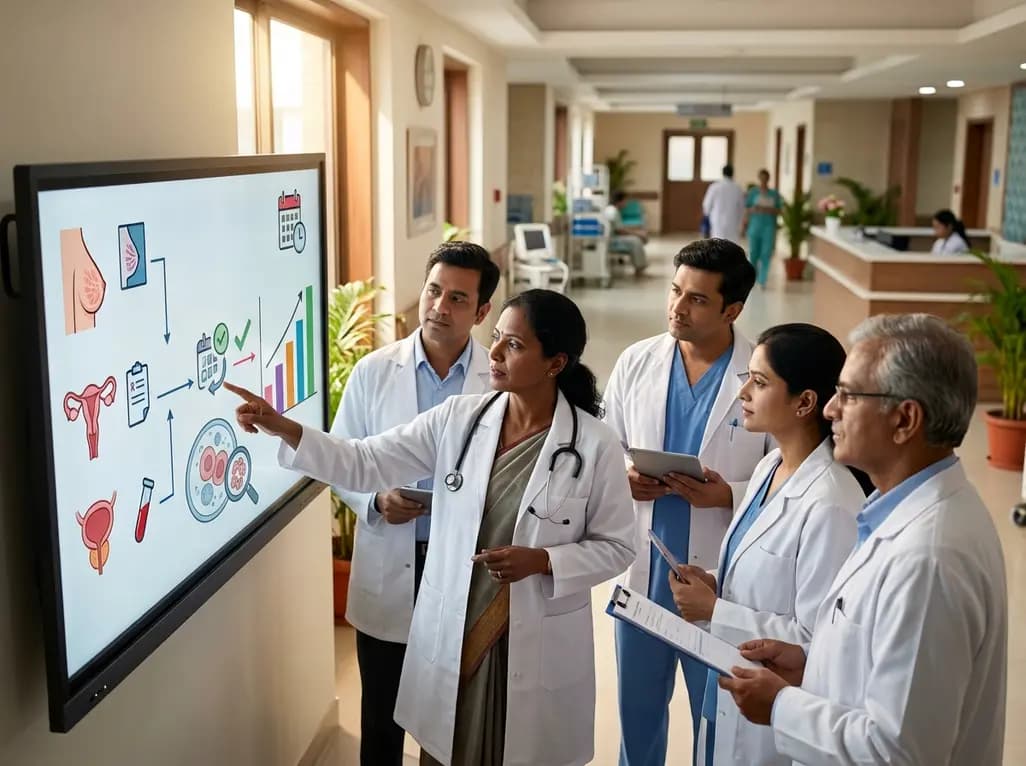
Cancer continues to pose an escalating public health challenge across India, requiring immediate strategic shifts in medical practice and policy. Healthcare leaders and clinical experts emphasize that early cancer screening must take center stage to curb rising mortality rates effectively. Currently, a substantial proportion of patients arrive at tertiary care medical centers with advanced-stage malignancies. This delay in diagnosis severely limits therapeutic options, escalates management costs, and significantly reduces overall survival rates. Consequently, preventive health strategies offer the most viable path to lighten the national disease burden. Recent observations from major diagnostic centers across the Delhi-National Capital Region highlight an encouraging increase in preventive test uptake. However, rising diagnostic participation alone is not sufficient to transform long-term population health outcomes. India must transition rapidly from passive public awareness to structured, nationwide diagnostic frameworks. Furthermore, primary care clinicians must routinely utilize patient visits as key opportunities to advocate age-appropriate preventive health testing. By detecting pre-cancerous cellular changes and early-stage localized tumors, doctors can initiate timely curative interventions. Ultimately, prioritizing early screening will improve long-term survival rates and significantly reduce the financial strain on families and the broader health system.
Recent diagnostic data demonstrates a positive trajectory in public participation regarding preventive medical evaluations. Between mid-2025 and mid-2026, diagnostic chains registered a thirty-two percent surge in cancer-related investigative procedures across major urban centers. Notably, gender-specific screening examinations experienced significant growth during this period. Pap smear tests for cervical health increased by eighty-three percent, while Prostate-Specific Antigen testing for men grew by two hundred and eighty percent. Additionally, mammography examinations for breast cancer screening rose by twenty-six percent. These statistics reflect an encouraging trend, as individuals actively seek age-appropriate health evaluations before overt symptoms manifest. Medical specialists acknowledge that elevated public awareness partially drives this upward trend. Furthermore, improved access to private diagnostic facilities has enabled urban populations to pursue elective health assessments. Nevertheless, clinicians observe that these gains remain largely concentrated within metro cities and affluent demographics. Rural and underserved communities continue to face severe accessibility barriers and limited diagnostic infrastructure. Therefore, healthcare providers must work closely with policymakers to democratize diagnostic access across all socioeconomic strata. Expanding preventive diagnostic networks into tier-two and tier-three cities will ensure that all citizens benefit from timely diagnostic interventions.
Despite the positive trends in diagnostic volume, India relies heavily on opportunistic screening rather than structured population programs. In an opportunistic screening model, individuals undergo diagnostic testing only during routine consultations or when specific health concerns prompt a laboratory visit. Consequently, many individuals miss critical diagnostic windows because they feel entirely asymptomatic. Leading oncologists note that opportunistic testing leaves vast segments of the population unexamined and unprotected. As a result, many malignancies progress quietly until advanced symptoms force patients to seek emergency medical attention. To overcome these limitations, India requires organized screening programs that systematically invite eligible cohorts for regular testing. International evidence clearly demonstrates that organized screening drastically reduces cancer mortality by catching disease at early, manageable stages. Furthermore, healthcare institutions must collaborate with corporate employers and local government bodies to integrate routine health evaluations into standard workplace and community health benefits. Educational initiatives must also dismantle cultural taboos and anxieties associated with cancer testing. By building a robust institutional framework for systematic screening, healthcare providers can proactively identify high-risk individuals before symptomatic presentation occurs.
Early clinical recognition of subtle physiological changes remains critical to improving treatment success rates. Surgical oncologists emphasize that patients often ignore persistent mild symptoms, misattributing them to minor ailments. Clinical guidelines stress that any unexplained symptom lasting longer than two to three weeks warrants immediate medical evaluation. Key red flags include unexplained soft tissue lumps, non-healing oral or cutaneous ulcers, and persistent unexplained coughing. Furthermore, gastrointestinal and urological warning signs such as blood in the stool or urine require urgent investigation. Unexplained significant weight loss and persistent fatigue also represent key systemic indicators that clinicians must not overlook. Promoting self-body awareness enables patients to recognize abnormal physiological changes early. Doctors must educate their patient panels to seek prompt medical advice rather than waiting for severe pain or disability. Additionally, general practitioners and family physicians should maintain a high index of suspicion when evaluating patients with vague, persistent complaints. Prompt diagnostic workups, including basic imaging and laboratory testing, can eliminate diagnostic delays and facilitate timely referral to oncology specialists. Early diagnostic intervention fundamentally changes patient prognosis and opens avenues for organ-preserving curative therapies.
Expanding access to early cancer detection requires coordinated multi-sectoral strategies across India. Medical oncologists stress that organized screening programs can detect malignancies long before clinical symptoms emerge, when therapeutic regimens are highly effective, less invasive, and significantly less expensive. Achieving this broad public health outcome demands robust infrastructure, adequately trained healthcare manpower, and equitable resource allocation. Recent government initiatives, such as establishing district-level daycare cancer centers and expanding primary health center diagnostic capabilities, represent crucial steps forward. Furthermore, integrating visual inspection with acetic acid and low-cost diagnostic modalities into primary healthcare empowers community health workers to conduct effective population-level screenings. Healthcare institutions must also forge public-private partnerships to bridge existing infrastructural gaps in diagnostic radiology, molecular testing, and pathology services. Simultaneously, healthcare policy must focus on eliminating financial barriers by reducing out-of-pocket expenditure for essential diagnostic panels and follow-up confirmatory biopsies. Training community health professionals to counsel families about cancer prevention will further increase participation in national screening drives. Ultimately, a unified national effort involving clinicians, policymakers, and corporate stakeholders is essential to turn diagnostic progress into lasting survival gains.
Effective cancer control relies heavily on collaborative care models across multiple medical specialties. Primary care physicians, radiologists, gynecologists, urologists, and oncologists must work in harmony to streamline the preventive care continuum. Primary care providers serve as the first line of defense, identifying patient risk profiles and ordering appropriate baseline tests. Radiologists play a pivotal role by identifying subtle radiologic markers through digital mammography, ultrasound, and computed tomography scans. Similarly, gynecologists and urologists are central to driving cervical, breast, and prostate screening protocols among high-risk groups. When diagnostic investigations yield abnormal findings, seamless interdisciplinary communication ensures rapid referral to surgical, medical, or radiation oncologists. Moreover, multidisciplinary tumor boards allow specialists to formulate personalized management plans tailored to early-stage disease. Beyond clinical diagnostics, lifestyle modification counseling represents a vital component of multi-specialty preventive care. Clinicians across all fields must actively counsel patients regarding tobacco cessation, dietary improvements, physical activity, and human papillomavirus vaccination. By fostering strong multi-specialty collaboration, the medical community can deliver comprehensive preventive strategies that minimize late-stage cancer presentations and optimize patient outcomes across India.
Q1: Why is early cancer screening critical for improving survival rates in India?
Early cancer screening allows clinicians to detect malignancies or precancerous tissue changes before physical symptoms develop. When doctors identify cancer at an early stage, localized therapeutic interventions are significantly more effective, less toxic, and carry higher cure rates. Furthermore, early detection reduces the financial burden on families by preventing prolonged, complex treatments required for advanced disease stages, ultimately improving overall quality of life and survival.
Q2: What is the main difference between opportunistic screening and organized screening?
Opportunistic screening occurs spontaneously when a patient requests a test or when a doctor orders diagnostic investigations during an unrelated medical visit. In contrast, organized screening is a structured public health program that systematically invites specific age and risk groups for routine testing. Organized screening ensures equal diagnostic access, high population coverage, and systematic follow-up care, which significantly reduces overall national cancer mortality compared to sporadic testing.
Q3: What key symptoms should prompt immediate medical evaluation for potential cancer?
Patients should seek medical evaluation for any unexplained symptom lasting longer than two to three weeks. Critical warning signs include unexplained physical lumps, non-healing ulcers, persistent coughing, blood in the stool or urine, and rapid unexplained weight loss. General practitioners evaluate these red flags through focused clinical examinations, targeted imaging, and laboratory testing to eliminate diagnostic delays and facilitate urgent referral to oncology specialists.
Disclaimer: This content is for informational and educational purposes only. It does not constitute medical advice or replace professional judgment. Refer to the latest local and national guidelines for clinical practice.
References

Read summarized clinical updates, watch expert medical content, and earn CME certifications right from your smartphone.
Open your smartphone camera to scan and install.





Leading oncologists emphasize that early cancer screening and structured preventive strategies are crucial to addressing India's growing cancer burden. Recent diagnostic data shows rising participation in Pap smears, mammography, and PSA tests, highlighting the urgent need to transition to organized screening.
last month
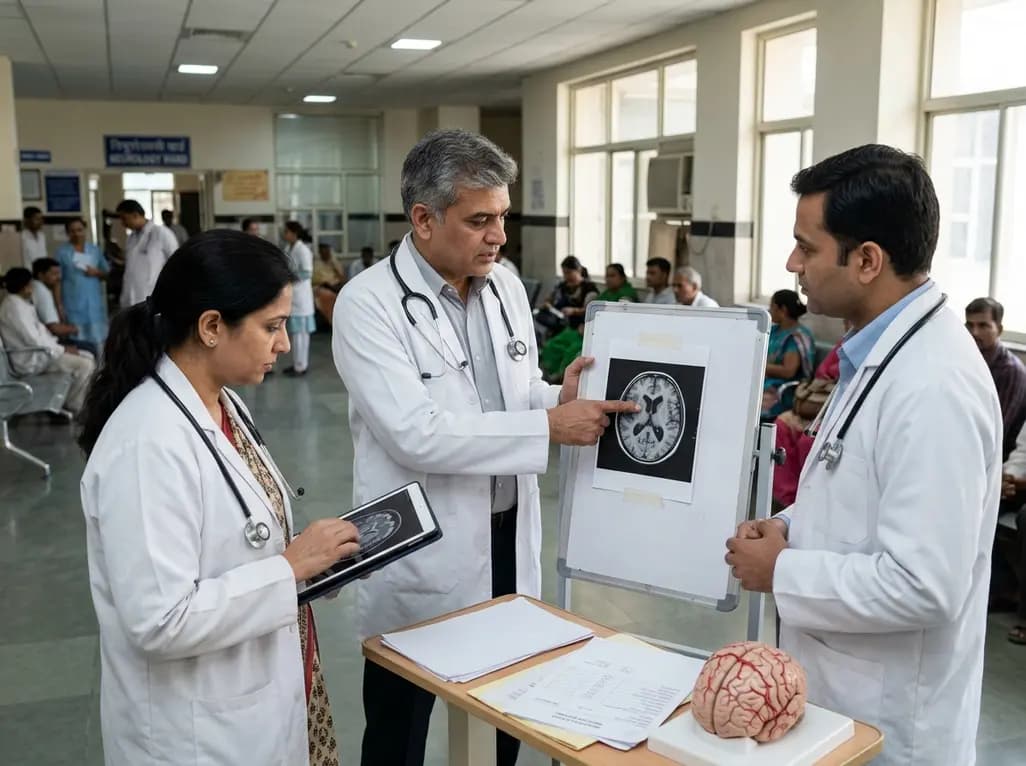
A new study reveals that lipid-related metabolic dysregulation, marked by elevated TG/HDL-C ratio and glymphatic changes, independently impacts survival in idiopathic normal pressure hydrocephalus.
Today
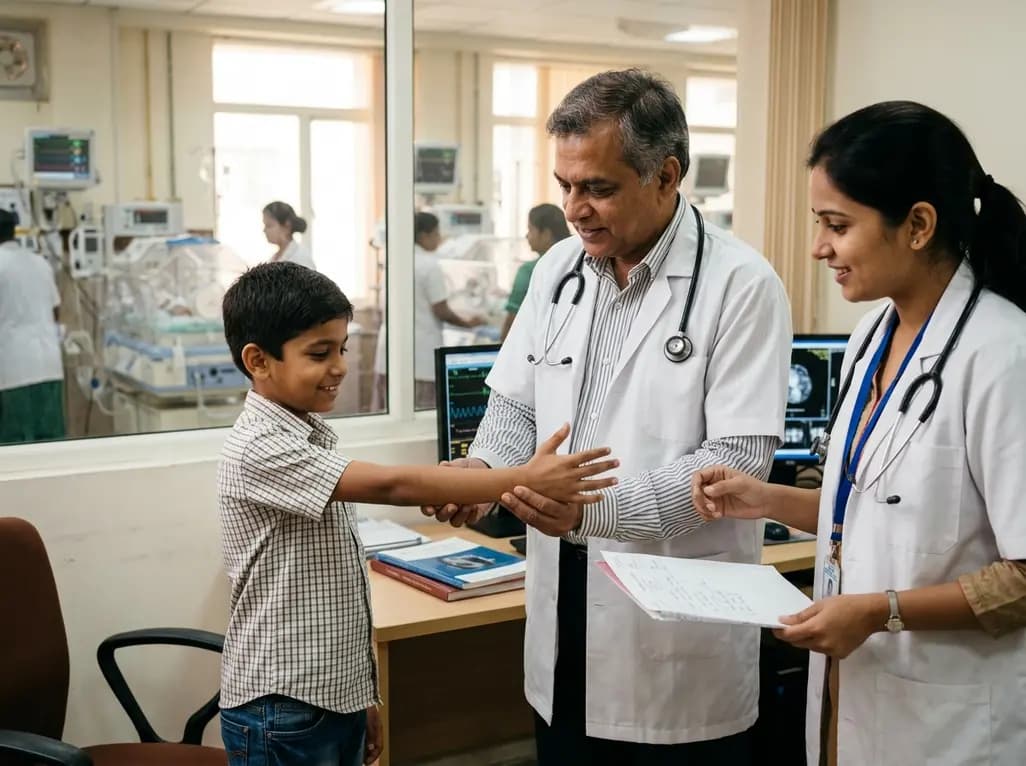
A premature neonate developed upper limb compartment syndrome after uterine rupture extruded the arm through a scar defect. Conservative management with continuous monitoring yielded complete functional recovery and normal limb growth at 10-year follow-up, highlighting non-operative safety in selected cases.
Today
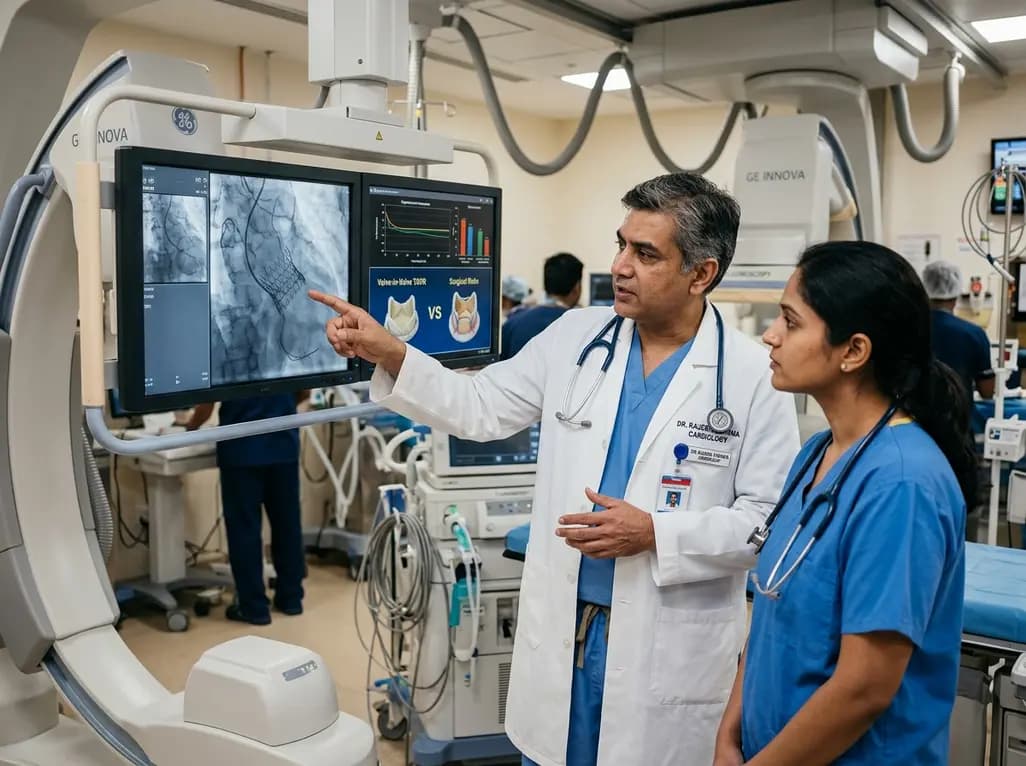
A meta-analysis of 13 propensity score-matched studies shows ViV-TAVR delivers lower early mortality and reduced bleeding compared to redo-SAVR for degenerated bioprosthetic aortic valves, though long-term hemodynamics warrant careful anatomical and patient-centered evaluation.
Today
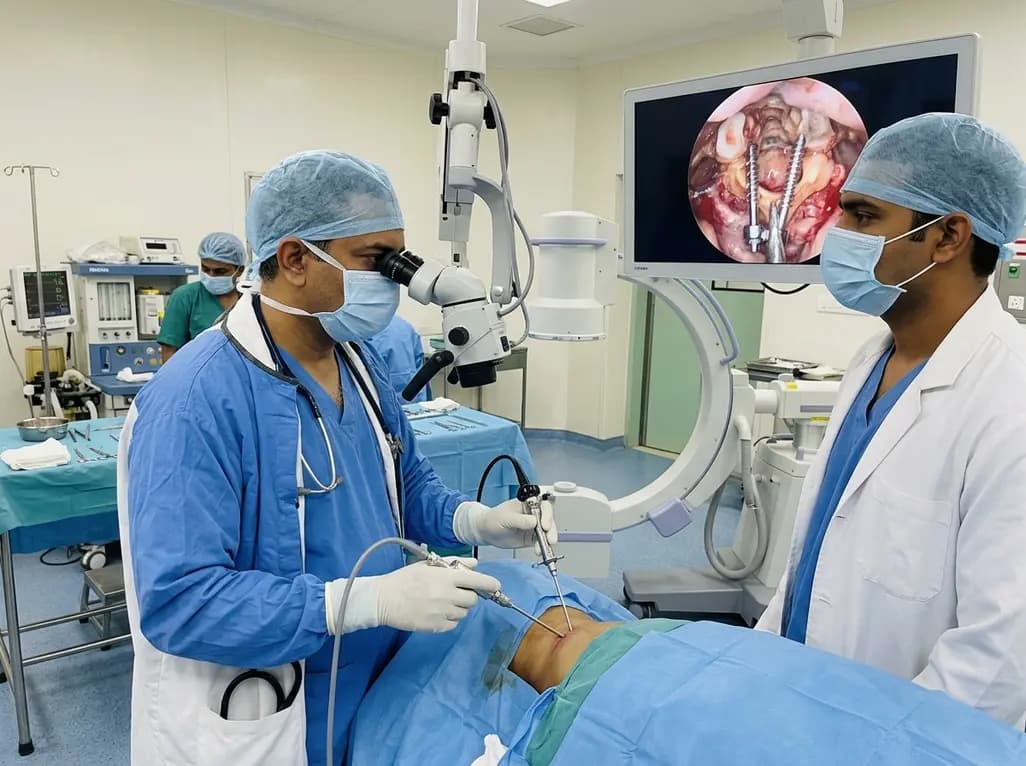
Endoscopic posterior cervical fusion combines minimally invasive decompression, joint preparation, and rigid screw-rod fixation for atlantoaxial pathologies. Early clinical findings demonstrate solid bony union, excellent symptom relief, and minimal soft-tissue morbidity without significant vascular compromise.
Yesterday
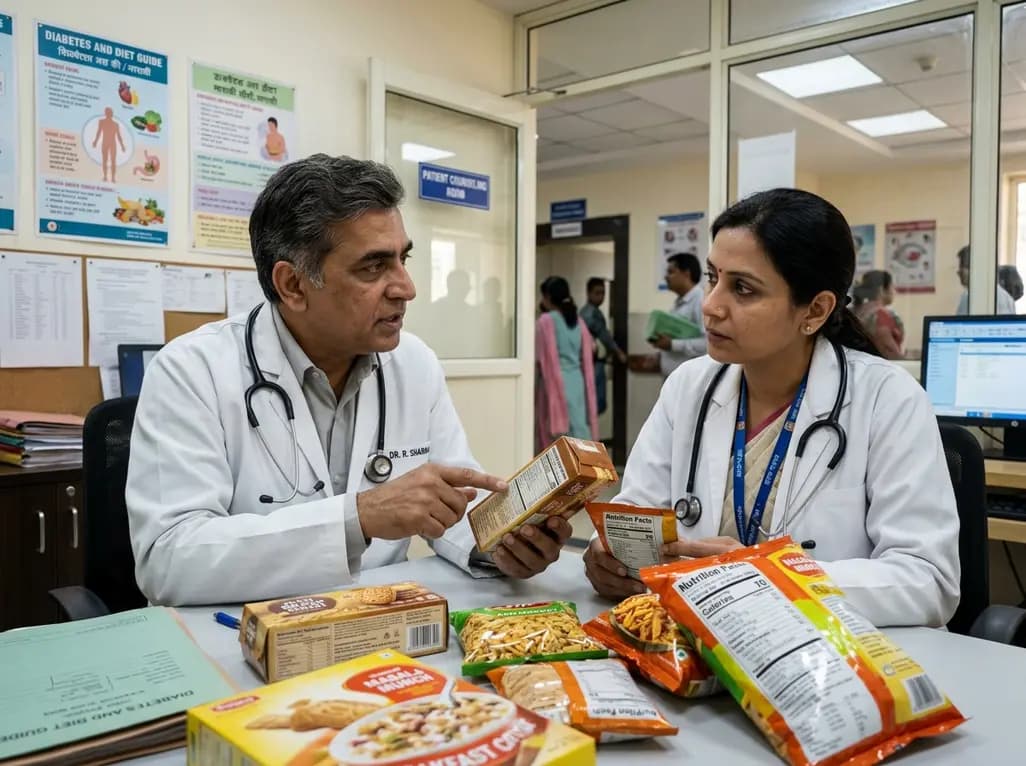
The All-India Food Processors' Association has approached the Supreme Court to oppose FSSAI's proposed per-100g benchmark for front-of-pack warning labels, advocating instead for a per-serving threshold. We explore the regulatory showdown, nutritional evidence, and implications for clinical lifestyle counseling.
Today
