.webp&w=384&q=75)

Loading, please wait...
Loading, please wait...
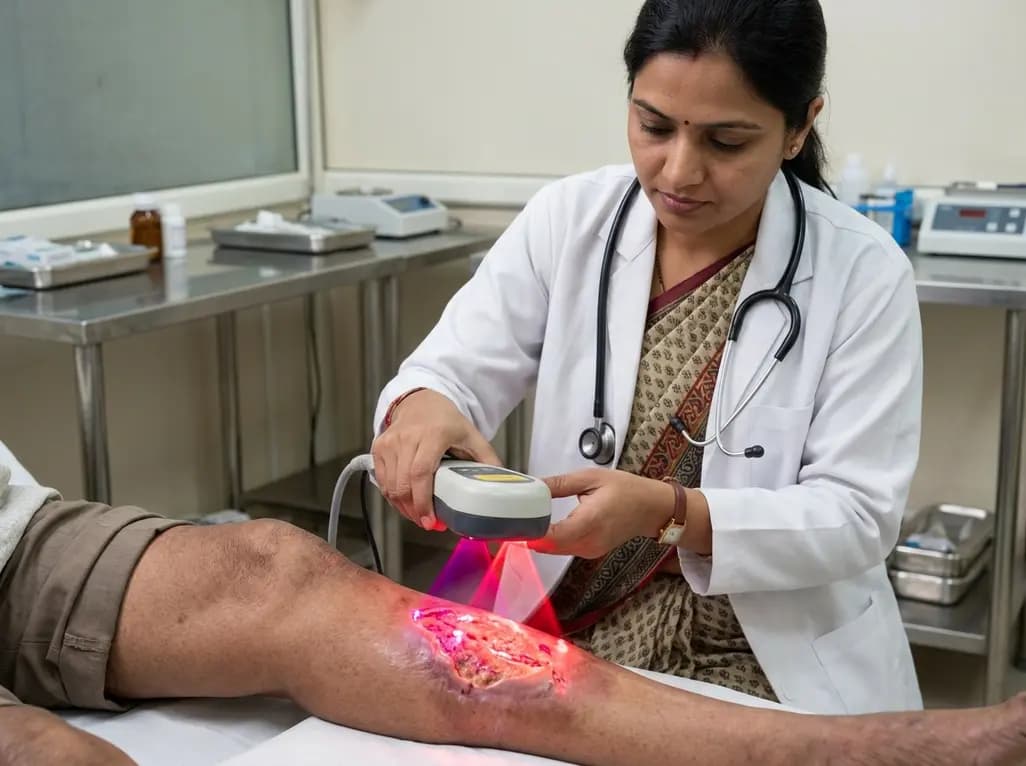
Photobiomodulation (PBM) represents a cutting-edge approach to managing complex tissue repair through targeted light energy. Specifically, dual-wavelength photobiomodulation is gaining recognition for its ability to target multiple cellular pathways simultaneously. Recent research highlights how the concurrent use of 655 nm and 808 nm laser wavelengths can significantly accelerate recovery. This study investigated the impact of these specific wavelengths on fibroblast activity and overall wound closure speed.
The study utilized a dual-wavelength system at varying energy densities to assess cellular responses. Specifically, researchers applied three densities: 0.5, 1, and 2 J/cm². Results showed that an energy density of 1 J/cm² provided the most significant synergistic benefits. Consequently, cell viability increased by 3%, while intracellular reactive oxygen species (ROS) levels rose by 20%. Most importantly, the treatment accelerated wound closure by a remarkable 89% compared to untreated groups. Therefore, the concurrent application of multiple wavelengths offers a distinct advantage for tissue regeneration.
This therapeutic effect occurs because different wavelengths target distinct cellular components. For instance, the 655 nm and 808 nm light is absorbed by mitochondria and light-sensitive ion channels. This interaction effectively boosts ROS levels, which subsequently modulates inflammation and angiogenesis. Moreover, the simultaneous activation of these pathways enhances the tissue remodeling process more effectively than single-wavelength protocols. Consequently, the dual approach provides a comprehensive stimulation of complex biological tissues.
Furthermore, the study suggests that dual-wavelength PBM may reduce overall treatment duration in clinical settings. Because it targets multiple substructures, it offers a more versatile approach to wound care. In addition, practitioners may find this modality particularly useful for hard-to-heal wounds, such as diabetic ulcers or surgical incisions. Notably, adopting these advanced laser protocols could improve patient outcomes in dermatology and general surgery across India. Therefore, integrating this technology could represent a significant shift in non-invasive clinical practice.
Standard therapy often uses a single wavelength, whereas dual-wavelength PBM applies two specific wavelengths concurrently. This approach targets a broader range of cellular components, resulting in faster healing and improved tissue repair.
Research indicates that an energy density of 1 J/cm² provides a synergistic effect that maximizes cell viability and accelerates wound closure. Higher or lower densities may not yield the same degree of clinical benefit.
Disclaimer: This content is for informational and educational purposes only and does not constitute professional medical advice, diagnosis, or treatment. Always seek the advice of your physician or other qualified health provider with any questions you may have regarding a medical condition. Refer to the latest local and national guidelines for clinical practice.
References
Sirek B et al. Concurrent Photobiomodulation by Dual-Wavelength (655 nm and 808 nm) Laser Exposure Promotes Accelerated Wound Healing. Photobiomodul Photomed Laser Surg. 2026 Jun 12. doi: 10.1177/25785478261460632. PMID: 42286424.
Mahato KK et al. From light to healing: photobiomodulation therapy in medical disciplines. J Transl Med. 2025 Dec 29;23:746. doi: 10.1186/s12967-025-07466-3.
Sukeri SF et al. Photobiomodulation Therapy for Wound Healing: A Narrative Review. IIUM Med J Malaysia. 2024 Nov 7;24(1). doi: 10.31436/imjm.v24i01.2545.

Read summarized clinical updates, watch expert medical content, and earn CME certifications right from your smartphone.
Open your smartphone camera to scan and install.





A study on concurrent dual-wavelength photobiomodulation (655nm and 808nm) reveals significant synergistic effects on wound healing. At 1 J/cm², the treatment increased cell viability and boosted wound closure by 89%, offering a promising non-invasive tool for managing complex tissue repair.
4 months ago

Recent epidemiological data reveals a dramatic surge in summer heat mortality driven by human-induced climate warming. This analysis explores the pathophysiological impacts on cardiac and renal systems, diagnostic dilemmas in death certification, and essential emergency cooling protocols for acute clinical care.
Today
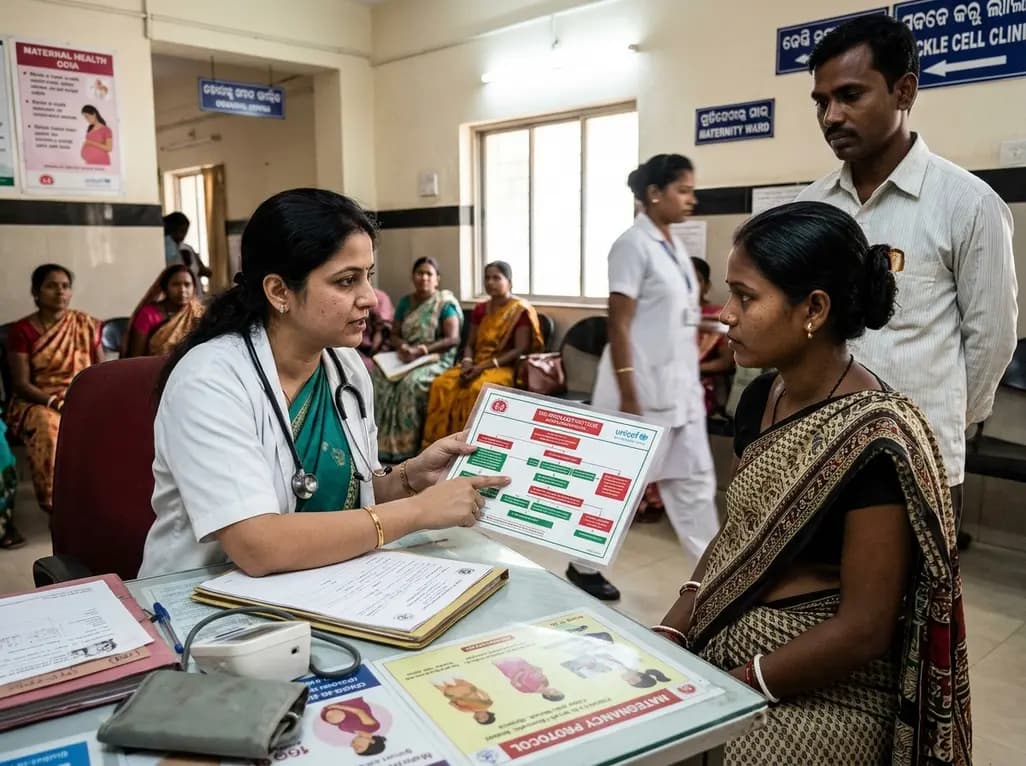
Odisha has established India's first state-level clinical protocol specifically tailored for pregnant women with sickle cell disease. Developed with NHM and UNICEF, the framework provides structured antenatal screening, crisis mitigation, standardized referral pathways, and specialized interdisciplinary care.
Today

India is advancing preventive healthcare by integrating genomics, artificial intelligence, and quantum technologies. With the SANGAM programme sequencing one million Indian genomes, clinicians can unlock personalized therapies, detect cardiometabolic risks early, and curb the burden of diabetes and heart disease.
Today
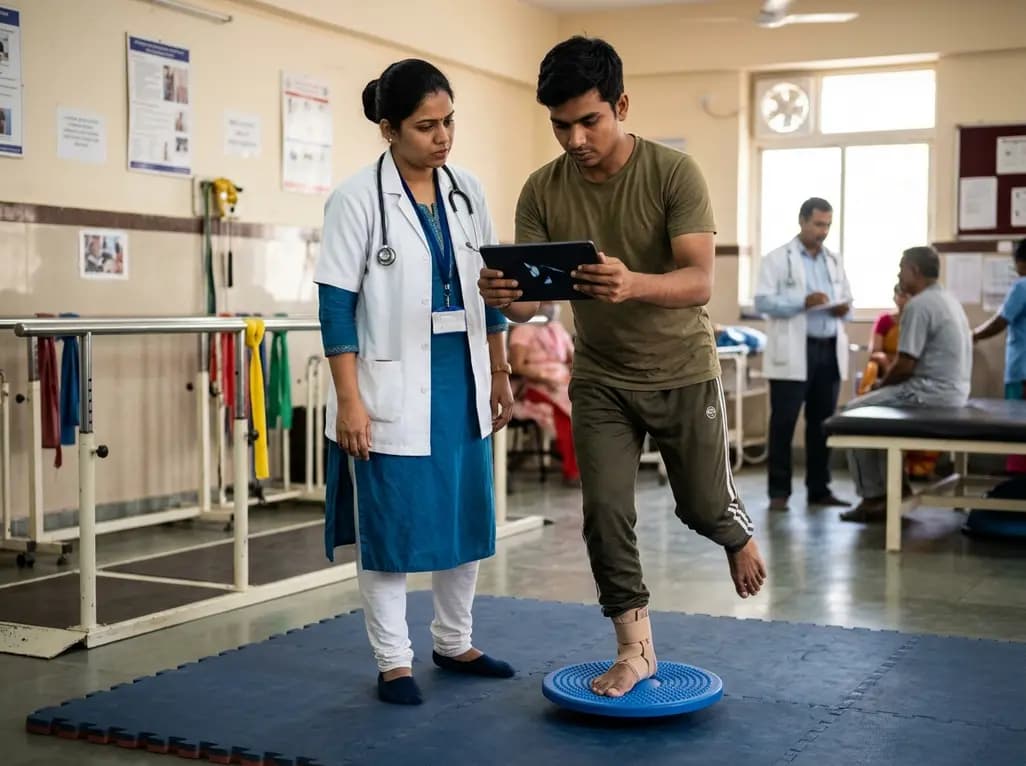
A randomized controlled trial demonstrates that an eight-week dual-task training intervention significantly improves static and dynamic postural control over standard balance exercises in individuals with chronic ankle instability, addressing critical neurocognitive deficits during athletic and daily activities.
Today

A retrospective cohort study of 7,716 ICU patients from the MIMIC-IV database demonstrates that Gradient Boosting Decision Trees significantly outperform traditional SOFA scores in predicting in-hospital mortality among patients with sepsis and diabetes, with SHAP analysis providing clinical interpretability.
Today
