.webp&w=384&q=75)

Loading, please wait...
Loading, please wait...
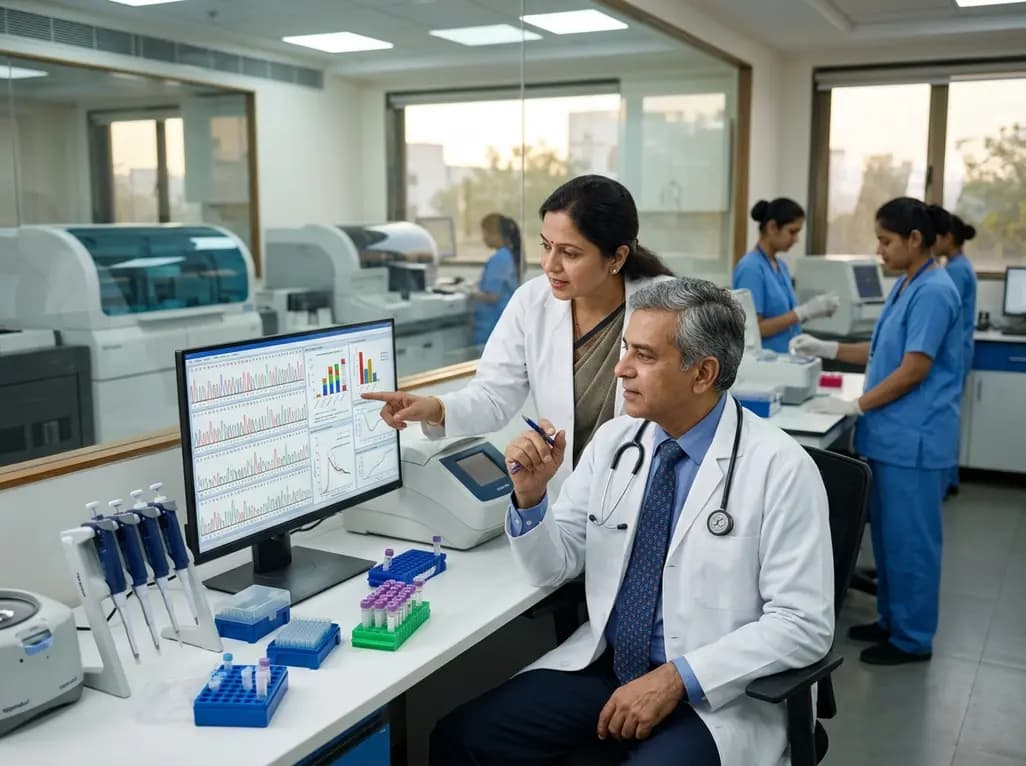
In a decisive move to bolster advanced molecular capabilities, Dr Lal PathLabs has announced the acquisition of a 70 percent majority stake in SN Genelab. This transaction firmly positions diagnostic genomics at the forefront of the provider's nationwide expansion roadmap. Specifically, this strategic investment underscores an accelerating shift within Indian diagnostics toward precision medicine, comprehensive genetic profiling, and next-generation sequencing. Consequently, medical practitioners and diagnostic specialists across the country are closely examining the clinical and operational impacts of this landmark transaction.
The Board of Directors of Dr Lal PathLabs officially approved the acquisition on September 24, 2026. Under the terms of the agreement, the diagnostic major will purchase a 70 percent equity stake in Gujarat-based SN Genelab Private Limited for approximately Rs 168 crore in cash. Additionally, the structured agreement incorporates a performance-linked earn-out capped at Rs 31.5 crore, aligning future payouts with operational milestones. Both companies expect the transaction to conclude by November 30, 2026, pending customary closing processes. Importantly, the regulatory disclosure confirmed that this transaction does not constitute a related-party agreement. Furthermore, the buyout requires no cumbersome governmental clearances, ensuring a swift administrative integration. Incorporated in December 2013, SN Genelab has demonstrated consistent financial momentum over recent fiscal cycles. The laboratory recorded a turnover of Rs 57.96 crore in financial year 2026, reflecting steady growth from Rs 53.36 crore in 2025 and Rs 43.27 crore in 2024. Therefore, this sustained trajectory highlights expanding clinician demand for specialized molecular evaluations across western India. As a result, Dr Lal PathLabs gains an established revenue-generating asset with proven operational viability. Meanwhile, the integration guarantees seamless continuity for existing laboratory clients and technical staff. Through this strategic outlay, the parent company solidifies its balance sheet while onboarding specialized genomic talent.
Modern medical practice increasingly depends on high-throughput genetic assays to establish definitive diagnoses and direct targeted therapies. Consequently, integrating SN Genelab into Dr Lal PathLabs creates a formidable platform for clinical diagnostic genomics. Specialized laboratories utilize next-generation sequencing, chromosomal microarrays, and multiplex polymerase chain reaction to decipher complex disease etiologies. However, conventional standalone laboratories often struggle to scale these sophisticated diagnostic tools due to high capital expenditure. By contrast, a well-capitalized network allows rapid deployment of advanced molecular testing platforms across peripheral regions. Furthermore, standardized laboratory automation minimizes analytical variance, which remains vital when interpreting subtle somatic or germline variants. Clinicians across specialties rely on precise variant classification to avoid therapeutic missteps. Therefore, consolidating genomic infrastructure under an established diagnostic brand ensures higher analytical consistency. Moreover, centralized bioinformatic pipelines interpret massive genetic datasets with greater speed and accuracy. In turn, treating physicians receive timely molecular reports that facilitate prompt clinical decision-making. Ultimately, bridging technological scale with diagnostic precision drives better individualized patient management. In addition, expanding access to specialized molecular tests empowers tertiary care hospitals and community clinics alike. This decentralized availability ensures that geographical boundaries no longer impede access to world-class genetic testing.
The diagnostic genomics portfolio brings substantial therapeutic advantages, especially in medical oncology and reproductive health. In oncological care, comprehensive genomic profiling guides precision chemotherapy, immunotherapy selection, and targeted kinase inhibition. For instance, identifying actionable driver mutations such as EGFR, ALK, or KRAS dictates first-line systemic intervention in advanced malignancies. Similarly, detecting germline mutations like BRCA1 and BRCA2 influences prophylactic surgical strategies and family risk assessment. Liquid biopsy panels also offer non-invasive disease monitoring, tracking circulating tumor DNA to detect minimal residual disease early. Additionally, the field of reproductive genetics benefits enormously from high-precision molecular tools. Non-invasive prenatal testing accurately screens for common fetal aneuploidies from maternal plasma without invasive procedural hazards. Furthermore, expanded carrier screening enables prospective parents to identify recessive carrier states prior to conception. Preimplantation genetic testing also assists assisted reproductive technology clinics in selecting euploid embryos, thereby optimizing pregnancy outcomes. Consequently, expanding these advanced services empowers clinicians to deliver proactive, individualized patient counseling. By democratizing access to high-tier genetic assays, diagnostic networks help clinicians mitigate hereditary and congenital health burdens across diverse demographics. Moreover, rapid turnaround times for cytogenetic analyses enable neonatologists to intervene effectively during critical neonatal presentations. Such timely insights transform routine diagnostic workups into life-saving clinical interventions.
Scaling high-end laboratory science requires efficient sample logistics, strict temperature regulation, and dependable cold-chain distribution. Dr Lal PathLabs operates one of the most extensive diagnostic collection networks across India, spanning hundreds of clinical centers. In contrast, specialized genomics entities typically maintain localized operational footprints centered around regional hubs. Consequently, merging SN Genelab's technical expertise with Dr Lal PathLabs' logistical reach creates tremendous supply-chain synergies. Phlebotomists and logistics personnel can transport delicate biological specimens from remote tier-two and tier-three cities to centralized genomic hubs without compromising nucleic acid integrity. Furthermore, streamlined laboratory information management systems ensure end-to-end sample traceability from collection to report dispatch. Clinicians can monitor test progression digitally through integrated clinician portals. Additionally, operational consolidation reduces testing turnaround times significantly, which is critical for acute oncology or neonatal cases. Bulk procurement of sequencing reagents and specialized assay kits also drives down aggregate operational expenditures. Thus, these operational efficiencies allow laboratories to offer complex tests at more accessible price points for self-paying patients. Ultimately, robust logistics bridge the urban-rural divide in Indian precision healthcare. Meanwhile, rigorous quality management systems ensure continuous compliance with National Accreditation Board for Testing and Calibration Laboratories standards. This disciplined oversight maintains unwavering confidence among referring medical specialists.
The acquisition carries profound professional implications for pathologists, clinical geneticists, and practicing physicians throughout India. Historically, general pathology laboratories often outsourced esoteric molecular tests to multiple fragmented boutique facilities. However, this fragmented approach created challenges regarding inconsistent reporting formats, variable reference ranges, and uncertain turnaround schedules. A unified molecular network establishes standardized clinical reporting aligned with international guidelines, such as those from the College of American Pathologists. Furthermore, diagnostic reports provide structured variant interpretations that distinguish benign polymorphisms from pathogenic mutations with clinical clarity. Pathologists also gain enhanced opportunities to participate in multidisciplinary tumor boards, offering vital molecular insights alongside clinical oncologists. In addition, continuing medical education initiatives driven by leading diagnostic networks will help primary care practitioners interpret nuanced genetic panels. Busy practitioners must understand the clinical utility and limitations of polygenic risk scores and hereditary screening panels. Therefore, direct access to in-house genetic counselors and molecular pathologists demystifies complex reports for referring doctors. Consequently, clinicians can communicate genetic findings to patients and families with elevated clinical confidence and empathy. Importantly, this collaborative diagnostic framework bridges laboratory medicine with bedside clinical care. As molecular medicine advances, close partnership between pathologists and clinicians will form the cornerstone of evidence-based medical practice.
Q1: What are the primary financial terms and expected timeline for the Dr Lal PathLabs and SN Genelab transaction?
Dr Lal PathLabs has agreed to acquire a 70 percent majority equity stake in SN Genelab for a cash consideration of approximately Rs 168 crore. Additionally, the deal structure includes a performance-linked earn-out capped at Rs 31.5 crore, tied to future operational milestones. The transaction does not involve related parties and requires no governmental approvals. The entities anticipate completing the acquisition process formally by November 30, 2026.
Q2: How does this acquisition improve clinical genomic testing access for healthcare providers across India?
The transaction bridges SN Genelab's specialized genomic testing expertise with Dr Lal PathLabs' widespread national logistics and specimen collection infrastructure. Consequently, healthcare providers and hospitals in tier-two and tier-three cities can easily order advanced next-generation sequencing, oncological panels, and non-invasive prenatal tests. Cold-chain logistics preserve sample integrity, while centralized bioinformatic platforms substantially reduce turnaround times, enabling clinicians to initiate targeted therapies much faster.
Q3: Which clinical specialties stand to benefit most directly from this diagnostic genomics expansion?
Medical oncology, reproductive medicine, pediatrics, and clinical genetics benefit most substantially from expanded genomic capabilities. Oncologists gain rapid access to comprehensive tumor profiling and liquid biopsy panels for personalized systemic therapy. Similarly, obstetricians and fertility specialists utilize advanced carrier screening and non-invasive prenatal testing to guide family planning. Pediatricians and clinical geneticists also leverage whole-exome sequencing to identify rare hereditary disorders and congenital syndromes promptly.
Disclaimer: This content is for informational and educational purposes only. It does not constitute medical advice or replace professional judgment. Refer to the latest local and national guidelines for clinical practice.
References

Read summarized clinical updates, watch expert medical content, and earn CME certifications right from your smartphone.
Open your smartphone camera to scan and install.





India's diagnostic landscape is evolving rapidly as Dr Lal PathLabs approves a 70% majority stake acquisition in Gujarat-based SN Genelab. The strategic Rs 168 crore deal reinforces high-end molecular testing, oncology panels, and reproductive genetics, expanding advanced precision healthcare access nationwide.
Today
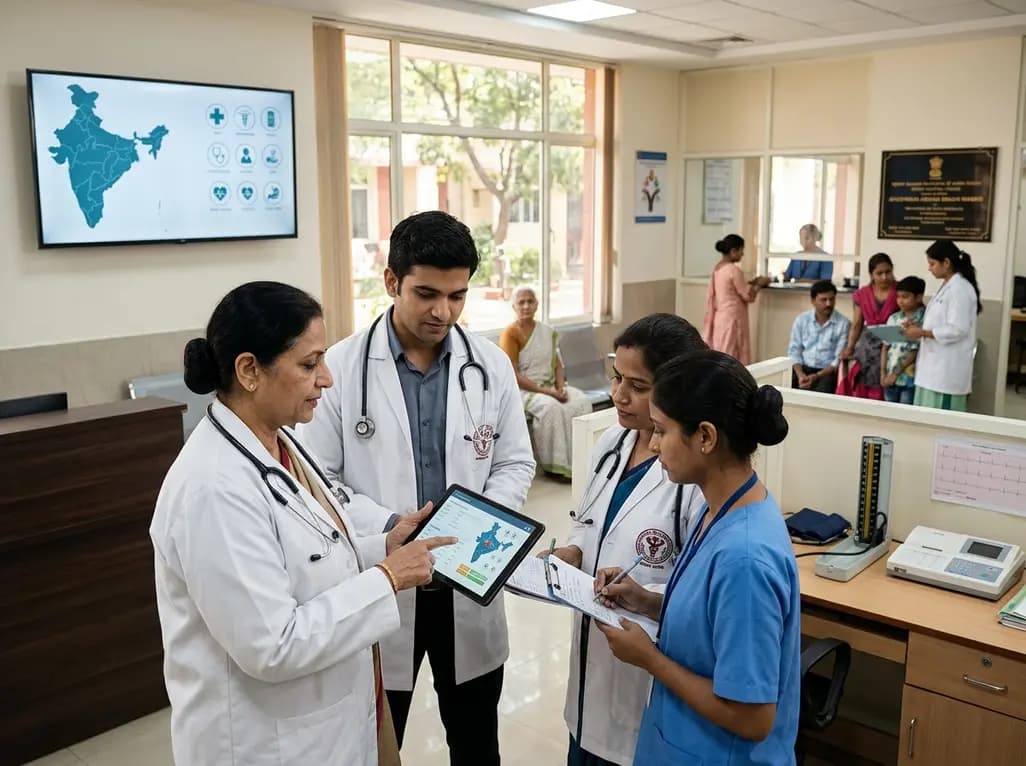
At UNGA81, India demonstrated transformative public health achievements, showcasing over 1.8 lakh Ayushman Arogya Mandirs, 900 million ABHA IDs, extensive viral hepatitis screening, and the National Sickle Cell Anaemia Elimination Mission, reinforcing its global leadership in equitable and accessible healthcare delivery.
Today
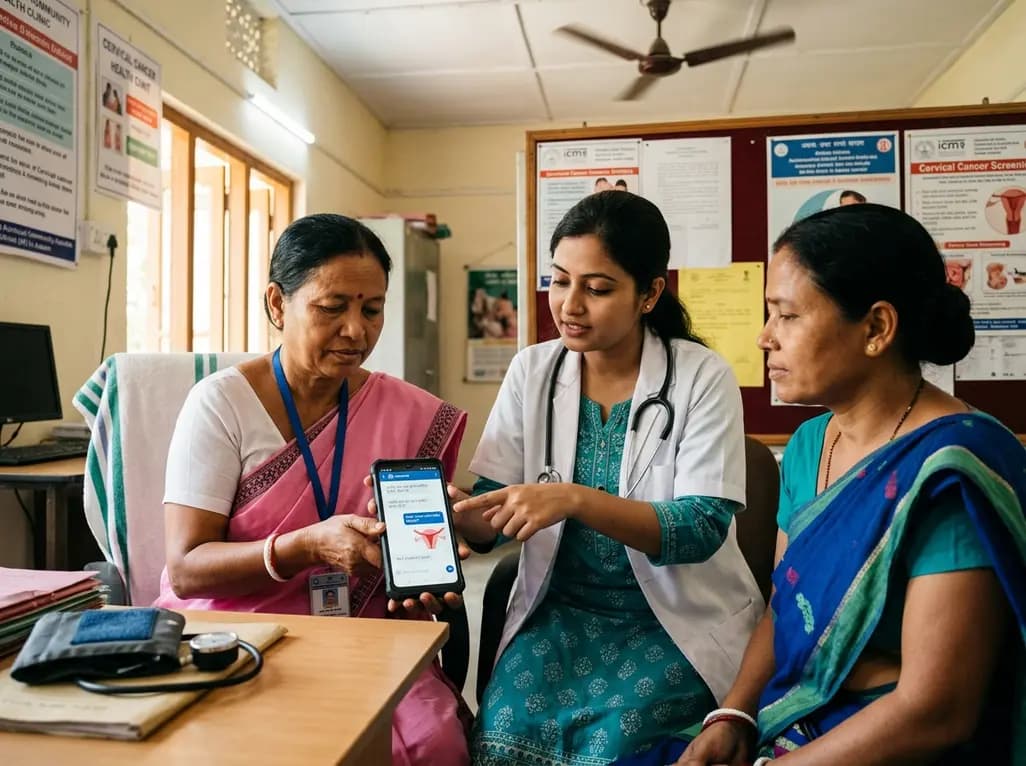
Accredited Social Health Activists in Assam are co-designing an ICMR-backed multilingual voice chatbot and AI training platform. The initiative addresses community barriers, improves visual inspection counselling, and empowers frontline workers to boost early detection of precancerous cervical lesions.
Today
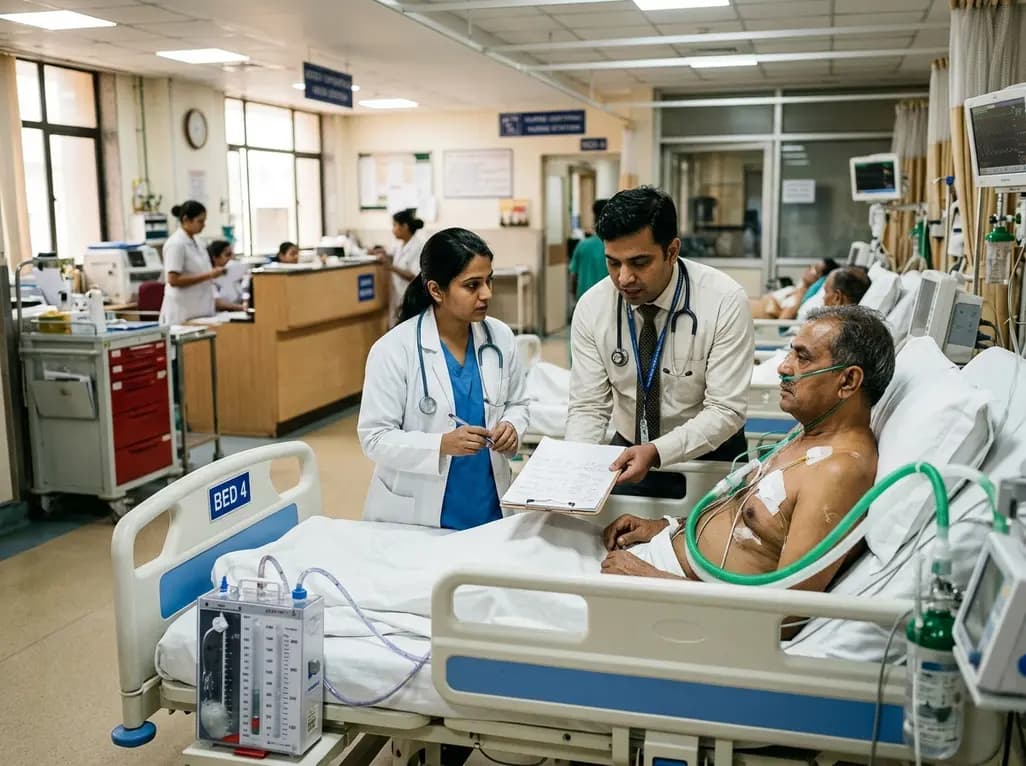
Managing refractory hypoxemia after cardiothoracic surgery becomes perilous when prolonged air leak limits positive-pressure ventilation. This case-based review details how high-flow nasal cannula, paired with awake rehabilitation, enabled successful extubation and avoided invasive re-intubation.
Today
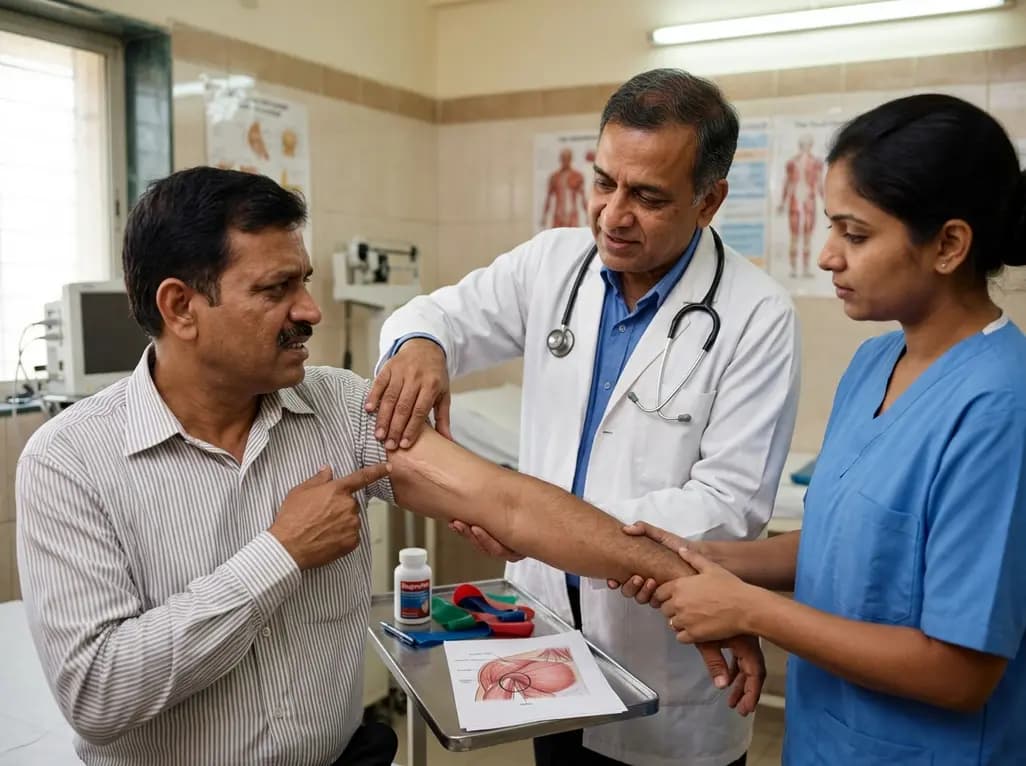
Idiopathic axillary web syndrome (IAWS) is a rare cause of shoulder pain and mobility restriction characterized by palpable axillary cording without prior surgery or trauma. Early diagnosis, nonsteroidal anti-inflammatory therapy, and physical rehabilitation lead to complete resolution of symptoms.
Today
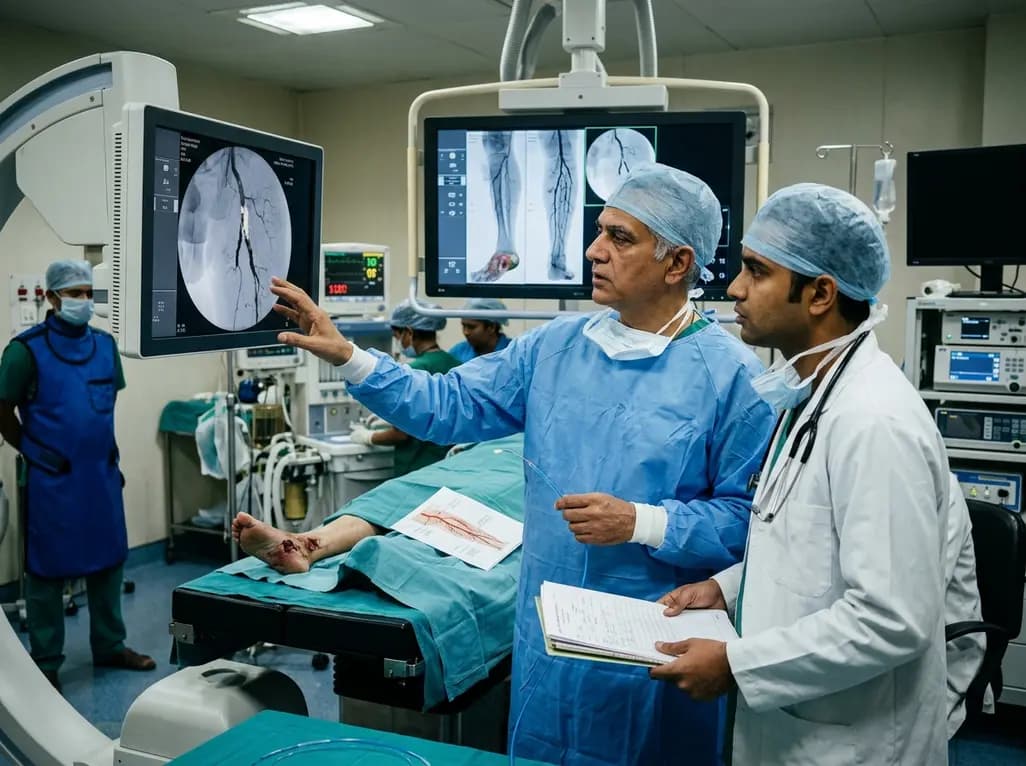
SWEDEPAD-1 trial insights show paclitaxel-coated devices do not improve long-term limb salvage in patients with chronic limb-threatening ischemia and tissue loss. While one-year reinterventions decreased, the devices were linked to a higher risk of major amputation at three months.
Today
