

Loading, please wait...
Loading, please wait...

Strengthening its leadership in cancer care, the Apollo Oncology Network leadership recently welcomed Dr. Harit Kumar Chaturvedi as its Chief Executive Officer and Clinical Head. This strategic appointment aims to bolster the clinical expertise and institutional direction of the hospital group. Specifically, Dr. Chaturvedi brings nearly forty years of experience in surgical oncology to the role. Furthermore, he previously served the Apollo group as a Senior Consultant between 2000 and 2004. This return marks a significant step in the network's long-term expansion strategy.
Dr. Chaturvedi is a highly distinguished surgeon with an MCh in Surgical Oncology. During his extensive career, he has managed complex cases involving head, neck, and thoracic cancers. Additionally, he specializes in robotic and minimally invasive surgical techniques. Consequently, his clinical leadership will likely enhance the technological capabilities of the network. Notably, he has held prominent roles in the Indian Society of Oncology and the Indian Association of Surgical Oncology. He also played a key role in introducing organ-specific cancer units in North India. His leadership style focuses on assembling high-performing multidisciplinary teams.
As the new CEO, Dr. Chaturvedi plans to deepen subspecialisation across the oncology ecosystem. He intends to focus on organ-specific treatment protocols and technology-driven care. Currently, patients from over 147 countries visit Apollo for cancer treatment. Therefore, the network must maintain world-class standards of excellence. He will lead a team of more than 25 specialised oncologists to achieve these goals. This approach ensures that patients receive evidence-based and personalised treatment pathways. Moreover, the focus will remain on expanding robotic surgical capabilities nationwide. By strengthening multidisciplinary care, Apollo aims to solidify its position as a global leader in oncology.
Q1: What is Dr. Harit Kumar Chaturvedi's new role at Apollo Hospitals?
Dr. Chaturvedi has been appointed as the Chief Executive Officer (CEO) and Clinical Head of the Apollo Oncology Network.
Q2: What are the primary focus areas for the network under this new leadership?
The primary focus areas include deepening subspecialisation, expanding robotic and minimally invasive surgery, and strengthening multidisciplinary care protocols across India.
Q3: What clinical qualifications does Dr. Chaturvedi hold?
He holds an MBBS, an MS in General Surgery, and an MCh in Surgical Oncology, with 38 years of clinical experience.
Disclaimer: This content is for informational and educational purposes only. It does not constitute medical advice or replace professional judgment. Refer to the latest local and national guidelines for clinical practice.
References

Read summarized clinical updates, watch expert medical content, and earn CME certifications right from your smartphone.
Open your smartphone camera to scan and install.





Dr. Harit Kumar Chaturvedi joins Apollo Hospitals as CEO of Oncology Network to drive subspecialised, technology-driven cancer care across India....
6 months ago
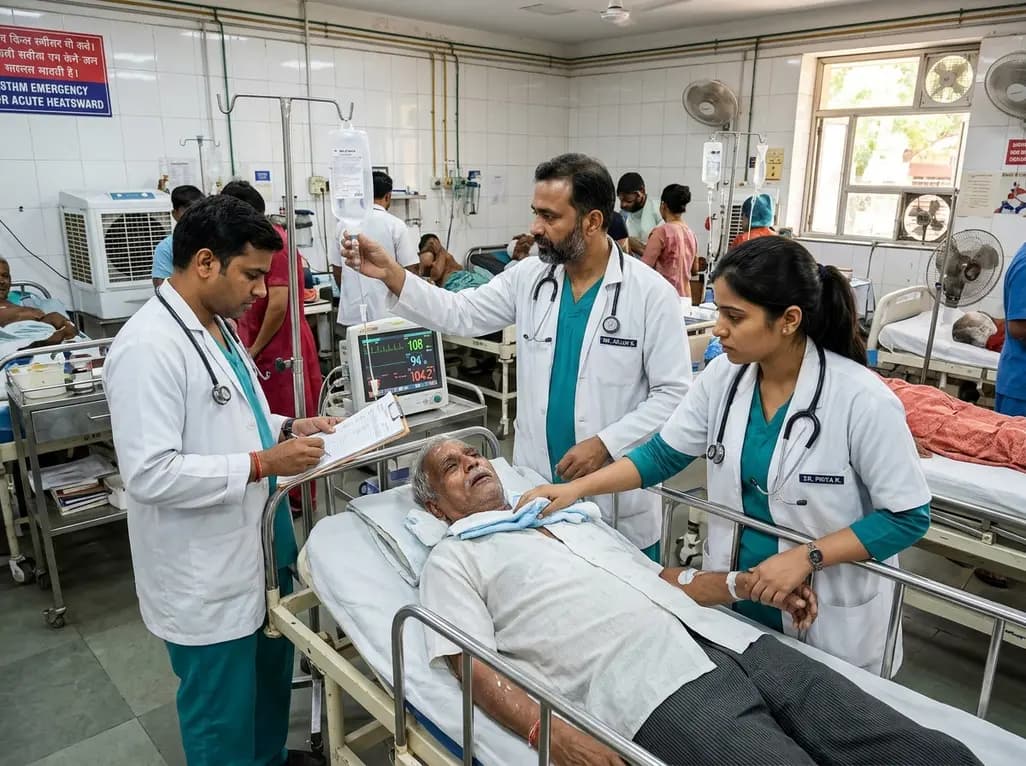
Recent epidemiological data reveals a dramatic surge in summer heat mortality driven by human-induced climate warming. This analysis explores the pathophysiological impacts on cardiac and renal systems, diagnostic dilemmas in death certification, and essential emergency cooling protocols for acute clinical care.
Today
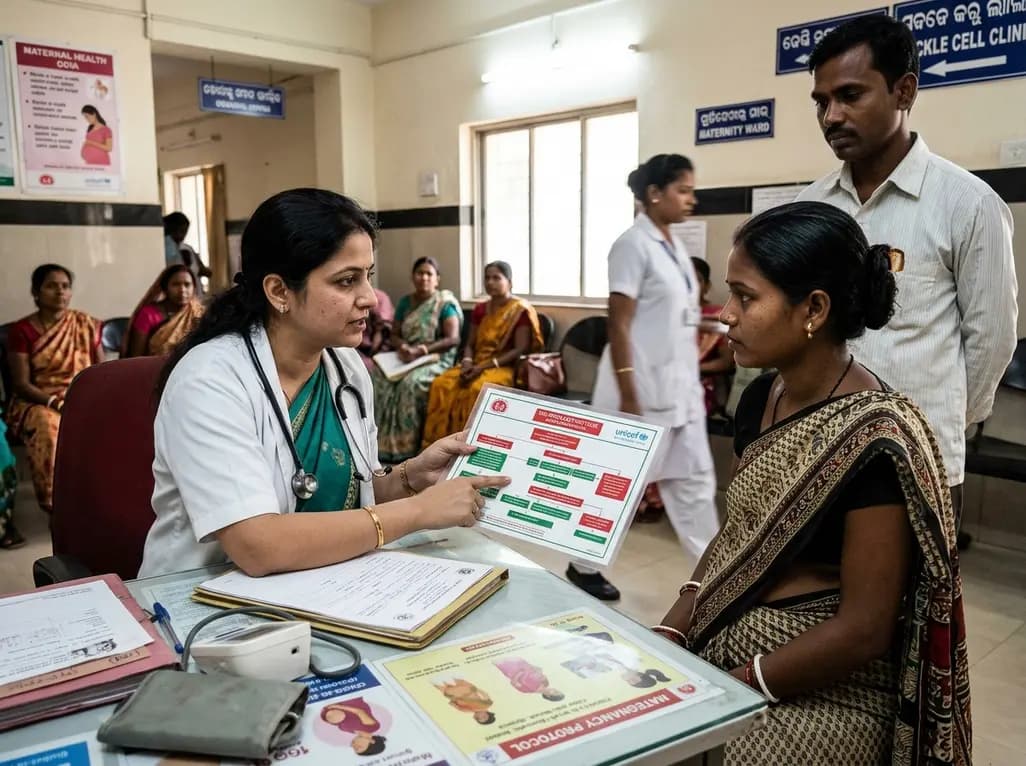
Odisha has established India's first state-level clinical protocol specifically tailored for pregnant women with sickle cell disease. Developed with NHM and UNICEF, the framework provides structured antenatal screening, crisis mitigation, standardized referral pathways, and specialized interdisciplinary care.
Today

India is advancing preventive healthcare by integrating genomics, artificial intelligence, and quantum technologies. With the SANGAM programme sequencing one million Indian genomes, clinicians can unlock personalized therapies, detect cardiometabolic risks early, and curb the burden of diabetes and heart disease.
Today
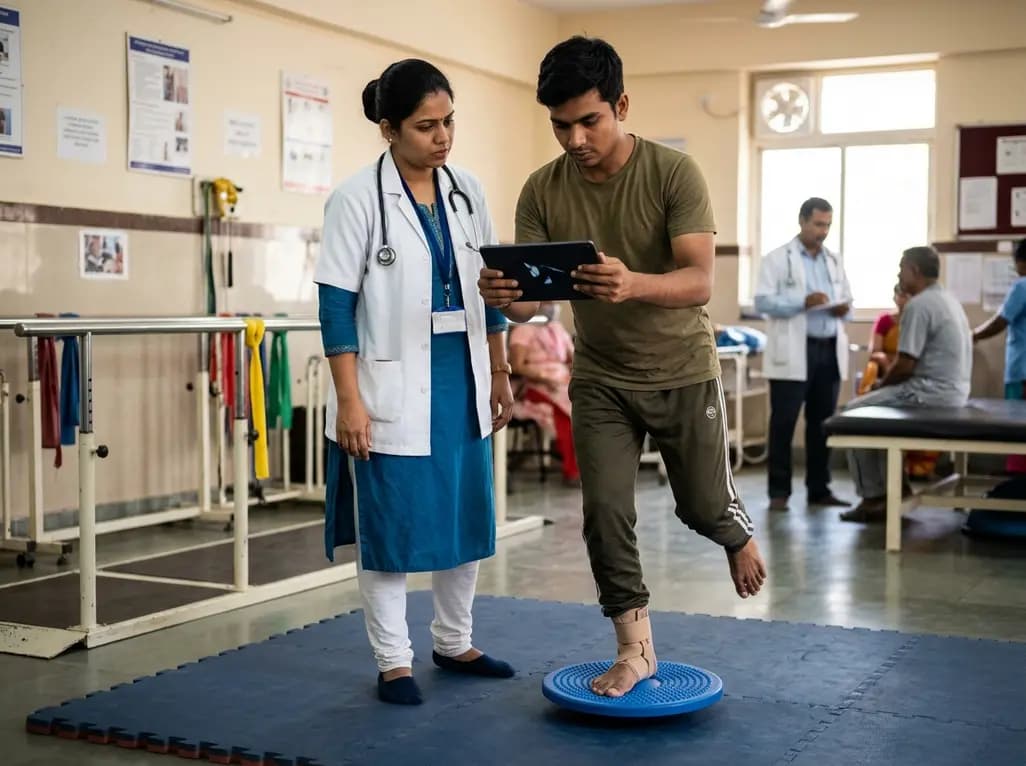
A randomized controlled trial demonstrates that an eight-week dual-task training intervention significantly improves static and dynamic postural control over standard balance exercises in individuals with chronic ankle instability, addressing critical neurocognitive deficits during athletic and daily activities.
Today
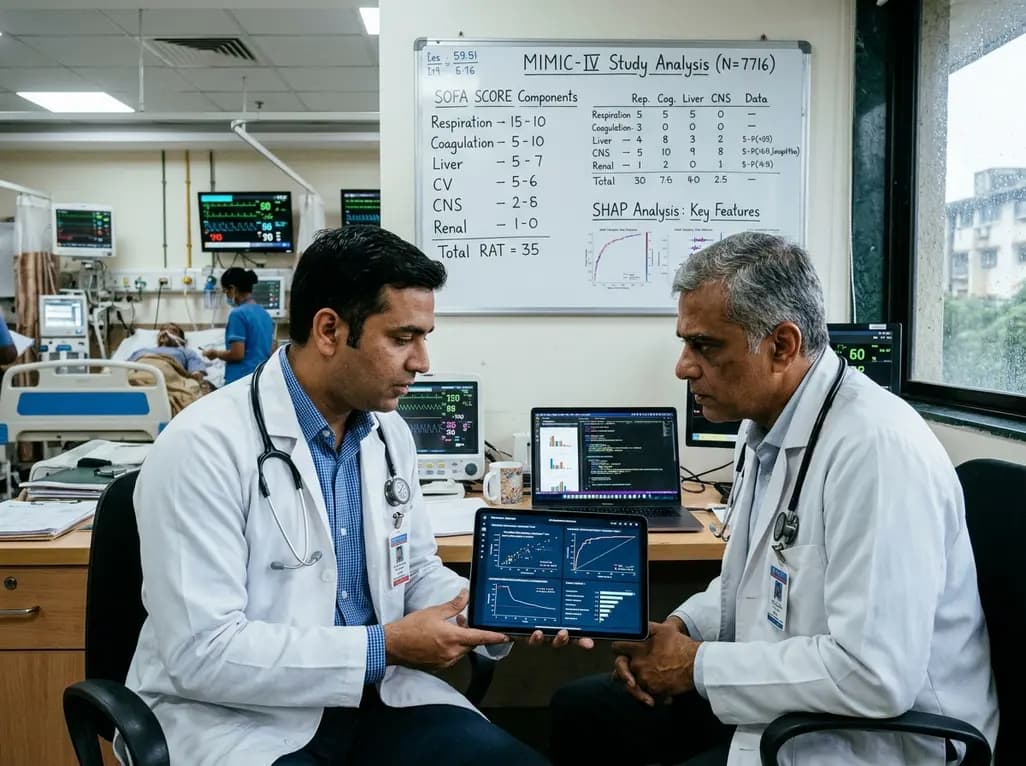
A retrospective cohort study of 7,716 ICU patients from the MIMIC-IV database demonstrates that Gradient Boosting Decision Trees significantly outperform traditional SOFA scores in predicting in-hospital mortality among patients with sepsis and diabetes, with SHAP analysis providing clinical interpretability.
Today
