.webp&w=384&q=75)

Loading, please wait...
Loading, please wait...
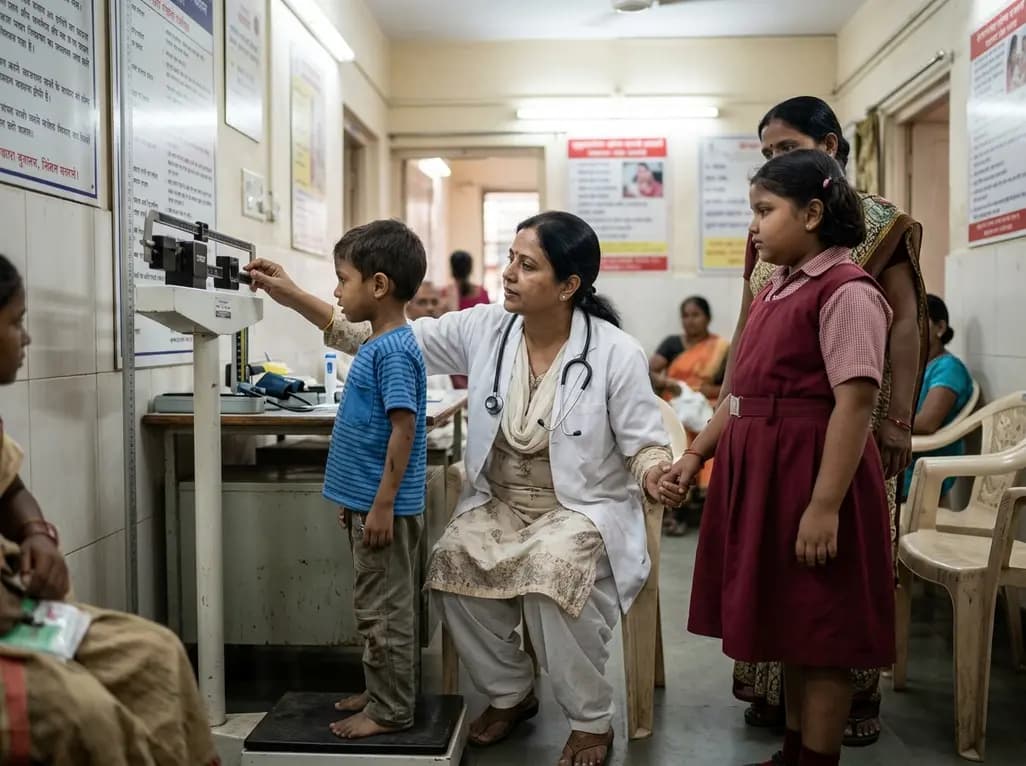
Recent pediatric research now highlights a dramatic shift in the nutritional profile of India's urban poor. Specifically, children growing up in Indian slums are facing a complex double burden of malnutrition, where thinness and obesity coexist. Although undernutrition typically dominates early infancy, many of these children rapidly gain excess weight as they enter primary school. Consequently, this transition creates serious long-term metabolic risks that demand immediate clinical attention.
A landmark longitudinal study in The Lancet Regional Health tracked 251 children born in Vellore's urban slums. Researchers followed these pediatric subjects until they turned nine years old. While most children maintained a normal body mass index initially, their growth trajectories shifted dramatically in mid-childhood. For instance, the data revealed that about 45% of these children were stunted at two years of age. However, by age seven, 26.3% of children measured as thin, while 5.2% became overweight or obese. By age nine, the underweight rate dropped to 21.6%, while the overweight or obesity rate climbed steeply to 14.6%. Therefore, the study proves that metabolic changes occurring after age five rapidly alter childhood development.
The coexistence of undernutrition and overnutrition within the same community defines this health crisis. Historically, public health policies in India focused almost exclusively on preventing wasting and stunting in toddlers. Nonetheless, modern urban environments have introduced cheap packaged foods and sedentary lifestyles that disrupt traditional diets. Because working parents in slums often lack time to cook, children frequently consume inexpensive, calorie-dense processed snacks. Additionally, advertising and high aspirations drive the consumption of these packaged foods. As a result, children suffer from micro-nutrient deficiencies while simultaneously accumulating excess adipose tissue. This dual reality presents a highly complex clinical challenge for healthcare providers.
Clinicians must recognize how early environments shape childhood metabolic profiles during primary school years. Thus, limiting nutritional interventions only to the first 1,000 days of life is no longer sufficient. Specifically, if pediatricians stop monitoring growth after infancy, they may miss the onset of childhood obesity. Moreover, the long-term consequences of this metabolic shift are highly severe. For instance, overweight slum children face an elevated risk of developing diabetes and cardiovascular disease later in life. Therefore, medical practitioners should actively educate families about the dangers of packaged foods. Ultimately, by implementing routine body mass index screenings, doctors can help mitigate this emerging epidemic.
Q1: What is the double burden of malnutrition?
The double burden of malnutrition refers to the coexistence of undernutrition (such as wasting, stunting, or thinness) and overnutrition (overweight and obesity) within the same population, household, or individual.
Q2: Why does obesity rise rapidly after the first five years in Indian slums?
Rapid urbanization has led to changing diets, increased access to inexpensive packaged foods, and sedentary lifestyles. When parents lack time to prepare traditional meals, children often turn to cheap, calorie-dense processed snacks, altering their growth trajectories after age five.
Q3: Why should growth monitoring extend beyond the first 1,000 days?
While the first 1,000 days are critical for early development, mid-childhood is when metabolic profiles are shaped for life. Extending growth monitoring into primary school years is essential for detecting early signs of overweight and preventing chronic diseases like diabetes and heart disease.
Disclaimer: This content is for informational and educational purposes only. It does not constitute medical advice or replace professional judgment. Refer to the latest local and national guidelines for clinical practice.
References

Read summarized clinical updates, watch expert medical content, and earn CME certifications right from your smartphone.
Open your smartphone camera to scan and install.





A Lancet study reveals that India's urban slum children face a dual challenge: starting with undernutrition, then tipping into obesity during school years....
4 months ago
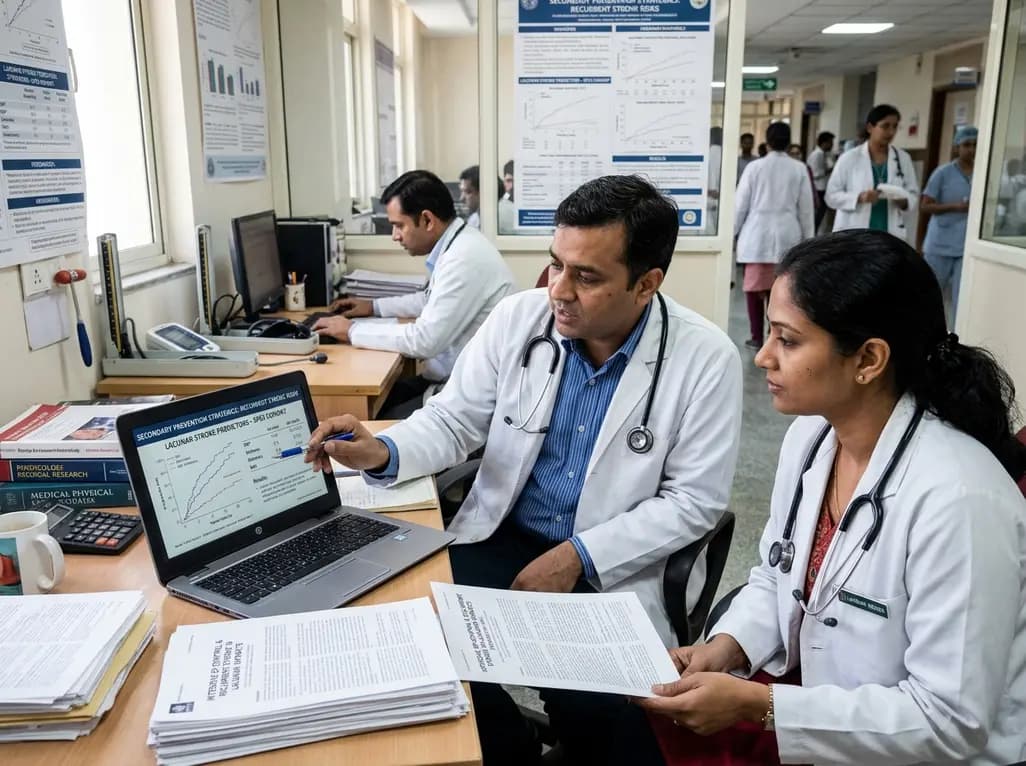
Explore vital recurrent stroke predictors in lacunar stroke patients managed with intensive blood pressure lowering. This analysis examines trial findings from SPS3 to uncover residual vascular risks, metabolic factors, and targeted secondary prevention strategies for high-risk neurological patients.
Today
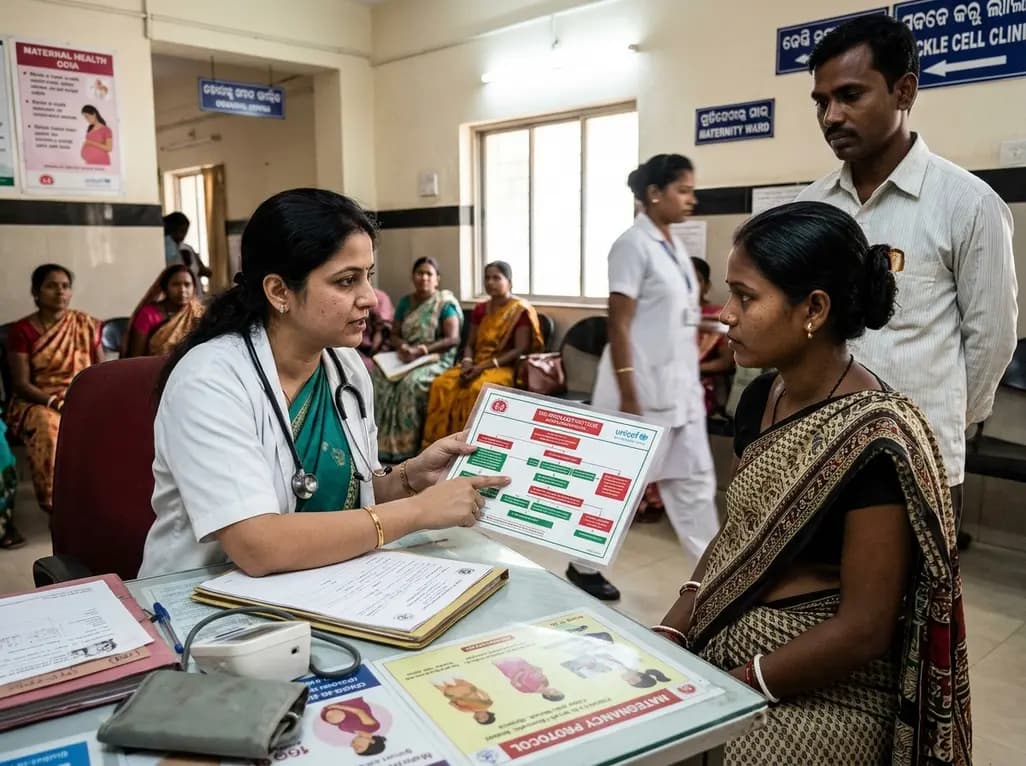
Odisha has established India's first state-level clinical protocol specifically tailored for pregnant women with sickle cell disease. Developed with NHM and UNICEF, the framework provides structured antenatal screening, crisis mitigation, standardized referral pathways, and specialized interdisciplinary care.
Today
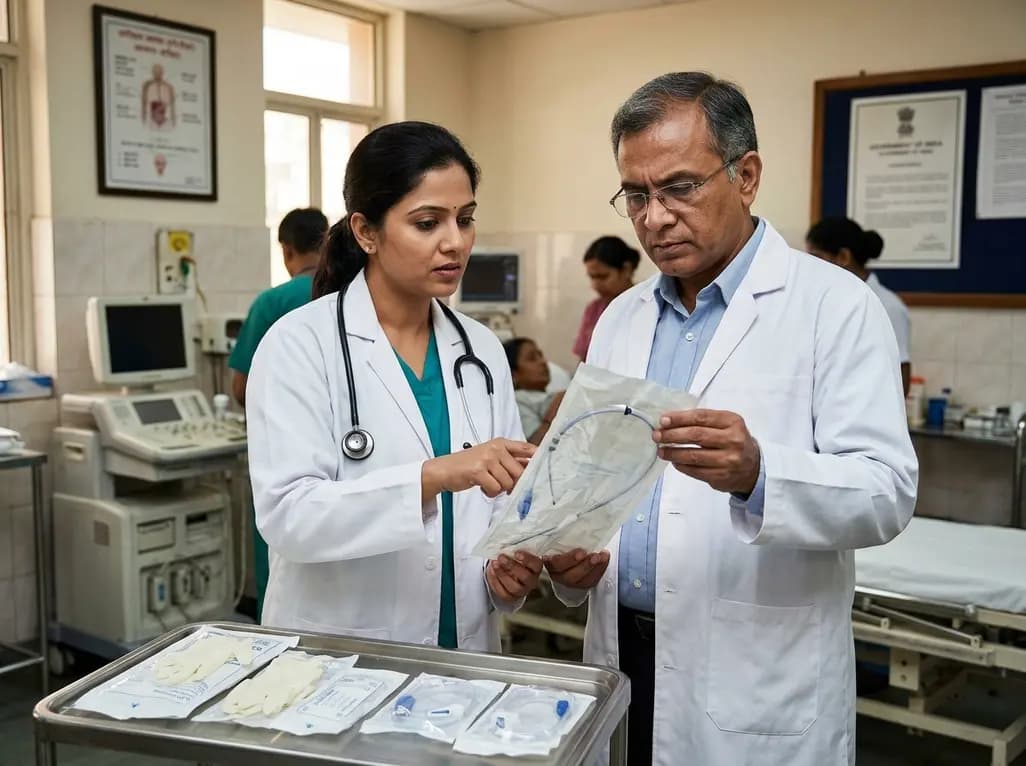
The Directorate General of Health Services directs Indian states to halt the hazardous reuse and reprocessing of single-use medical devices. Discover regulatory implications under the Drugs and Cosmetics Act, critical infection risks, legal liabilities, and operational changes required across clinical specialties.
Today

Mitochondria-targeted nanoparticles self-assembled from EGCG and L-glutamic acid effectively restore mitochondrial homeostasis, suppress synovial inflammation, and attenuate chondrocyte senescence in osteoarthritis, offering a promising disease-modifying nanotherapy.
Today

India is advancing preventive healthcare by integrating genomics, artificial intelligence, and quantum technologies. With the SANGAM programme sequencing one million Indian genomes, clinicians can unlock personalized therapies, detect cardiometabolic risks early, and curb the burden of diabetes and heart disease.
Today
